The Ultimate Guide to Perfect Korean Fried Chicken at Home
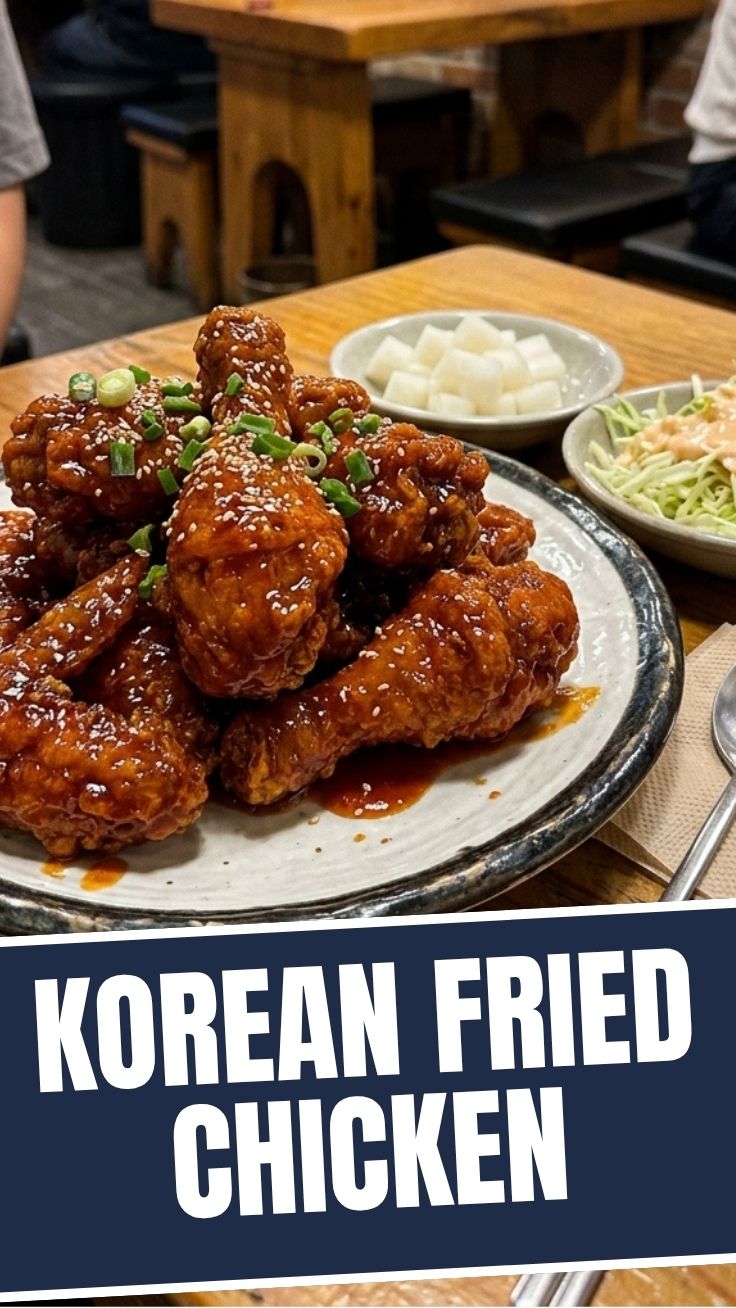
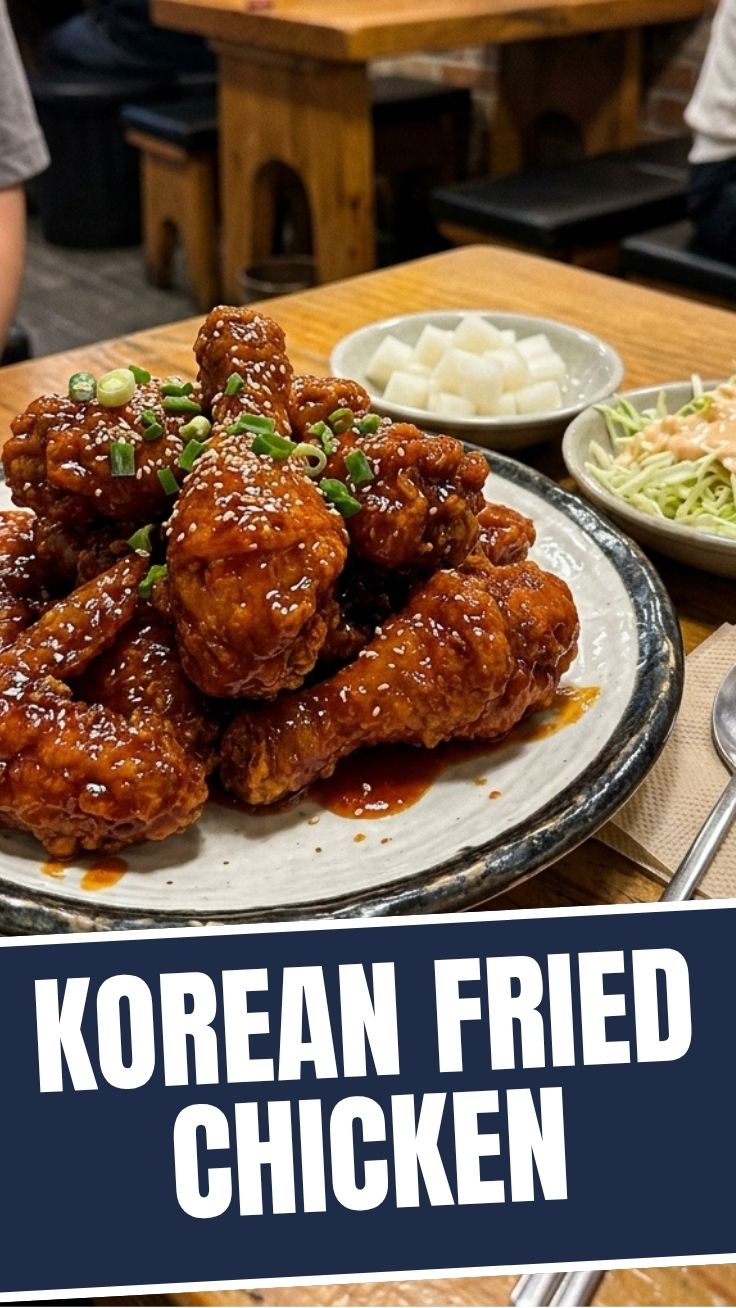
Have you ever craved that impossibly crispy, sweet-and-spicy Korean Fried Chicken but felt intimidated by the thought of making it yourself? The good news is that you don’t need a deep fryer or a chef’s diploma to replicate the magic of your favorite takeout. Preparing this iconic dish at home not only saves you money but also gives you total control over the heat level, crunch factor, and freshness. Whether you’re planning a game-day snack or a weekend indulgence, this guide will walk you through every step to achieve that golden, sticky perfection. The balance of a shatteringly crisp coating and a glossy gochujang glaze is what makes Korean Fried Chicken so addictive—and you’re about to master it in your own kitchen.
Ingredients & Kitchen Tools
For the Chicken
– 2 lbs chicken wings or drumettes – separate at the joint if whole. Skin-on pieces yield the crispiest results.
– 1 tablespoon salt – for the initial brine to keep meat juicy.
– 1 teaspoon black pepper – for basic seasoning.
– ½ cup cornstarch – the secret to the paper-thin, ultra-crisp crust.
– ¼ cup all-purpose flour – adds structure; substitute with rice flour for gluten-free.
– 1 teaspoon baking powder – helps create air bubbles for extra crunch.
– 1 tablespoon gochugaru (Korean chili flakes) – optional, for a subtle heat in the coating.
– 2 tablespoons soy sauce – for umami depth (use tamari for gluten-free).
– 1 teaspoon grated ginger – freshens the marinade.
– 2 cloves garlic, minced – adds savory punch.
– Vegetable or peanut oil – for frying; enough to submerge the chicken pieces (about 4 cups).
For the Sauce
– 3 tablespoons gochujang (Korean chili paste) – the heart of the flavor.
– 2 tablespoons honey or brown sugar – balances the heat with sweetness.
– 1 tablespoon rice vinegar – adds essential acidity.
– 1 tablespoon soy sauce – for savory notes.
– 1 teaspoon sesame oil – aromatic finish.
– 1 clove garlic, minced – or ½ teaspoon garlic powder.
– 1 teaspoon toasted sesame seeds – for garnish.
– Sliced green onions – for crunch and color.
Kitchen Tools
– Large mixing bowls (2-3)
– Deep heavy-bottomed pot or Dutch oven (for frying)
– Kitchen thermometer (candy or instant-read)
– Wire rack set over a baking sheet (for draining)
– Tongs or slotted spoon
– Small saucepan (for sauce)
Prep Time & Cooking Schedule
– Marinating Time: 30 minutes (minimum) to overnight in the fridge.
– Prep Time: 20 minutes (washing, separating wings, mixing sauce, measuring dry ingredients).
– Cook Time: 25–30 minutes (two frying rounds: 10 minutes first fry, 5–7 minutes second fry, plus sauce coating).
– Resting Time: 5 minutes on wire rack after first fry; 2 minutes after saucing.
Total Active Time: About 1 hour. Plan ahead: marinate chicken while you prepare the sauce and set up your frying station. The double-fry method is non-negotiable—don’t rush it.
Step-by-Step Instructions
1. Prepare the chicken. Pat the wings completely dry with paper towels. In a large bowl, toss with salt, pepper, soy sauce, ginger, and garlic. Cover and marinate for at least 30 minutes (or overnight for deeper flavor). Bring to room temperature 20 minutes before frying.
2. Make the sauce. In a small saucepan, combine gochujang, honey, rice vinegar, soy sauce, sesame oil, and garlic. Warm over low heat, stirring occasionally, until smooth. Let it cool slightly—it will thicken as it sits.
3. Create the coating mixture. In a shallow bowl, whisk together cornstarch, all-purpose flour, baking powder, and optional gochugaru. This dry blend is key to the characteristic crackling crust. The secret to perfect Korean Fried Chicken lies in an even, thin coating—shake off any excess flour.
4. First fry. Heat oil in a deep pot to 325°F (163°C). Working in batches (do not overcrowd), fry the coated wings for 8–10 minutes, turning occasionally. They should be pale golden and cooked through. Transfer to a wire rack and let rest for 5 minutes. This initial frying cooks the meat and sets the crust.
5. Second fry. Increase oil temperature to 375°F (190°C). Fry the wings again for 3–4 minutes until deep golden brown and shatteringly crisp. The double-fry guarantees that signature crunch that defines Korean chicken.
6. Toss and serve. Place hot wings in a large bowl, add 2–3 tablespoons of sauce (or more for extra glaze), and toss gently until evenly coated. Avoid drenching—you want a glossy finish, not a soggy mess. Sprinkle with sesame seeds and green onions. Serve immediately.
Nutritional Benefits & Advantages
This dish offers more than just flavor. The chicken wings provide high-quality protein (about 20g per serving) essential for muscle repair. Gochujang is made from fermented soybeans and chili, offering probiotics that support gut health in small amounts. The garlic and ginger add anti-inflammatory compounds, while the moderate use of honey provides a natural sugar source. For a healthier twist, you can bake the wings at 425°F for 30 minutes after a light spray of oil—though you’ll sacrifice some crunch. By making it at home, you control the oil quality and sodium, avoiding the preservatives often found in commercial sauces.
Tips, Variations & Cooking Advice
– Spice level: Reduce gochujang to 2 tablespoons for mild heat; add 1 teaspoon of gochugaru for a fiery kick.
– Gluten-free: Replace all-purpose flour with rice flour or sweet potato starch. Use tamari instead of soy sauce.
– Oven method: Skip the fry and bake coated wings at 425°F for 25 minutes, then brush with sauce and broil for 2–3 minutes.
– Korean chicken burger: Debone the thighs, season and fry the same way, then serve on brioche buns with pickled radish.
– Extra-crispy trick: Add 1 tablespoon of vodka to the coating mixture—alcohol evaporates quickly, creating deeper cracks in the crust.
Common Mistakes to Avoid
– Skipping the dry marinade: Wet marinades with egg or milk create a thick, cakey coating. Stick to a dry rub or soy-based marinade.
– Overcrowding the pot: This drops oil temperature, resulting in greasy, soggy wings. Fry in small batches.
– Not resting between fries: The 5-minute rest allows steam to escape, which is crucial for the second fry to create maximum crunch.
– Saucing too early: Always toss the wings immediately before serving. If the sauce sits too long, the crust softens.
– Using too much sauce: A light gloss is perfect; heavy coating turns the crust into mush. Start with less and add more if needed.
Storage & Meal Prep Tips
– Refrigerator: Store unsauced wings in an airtight container for up to 3 days. Reheat in an air fryer at 375°F for 4 minutes (oven at 400°F for 8 minutes) to restore crunch. Do not reheat sauced wings—the coating will become gummy.
– Freezer: Freeze unsauced, fully fried wings on a baking sheet, then transfer to a zipper bag for up to 2 months. Reheat directly from frozen at 375°F for 10–12 minutes, then toss with fresh sauce.
– Sauce storage: Make the sauce up to a week ahead and refrigerate. Warm it gently before using. Never freeze sauced wings.
Conclusion
Making Korean Fried Chicken at home is more achievable than you might think. With the double-fry technique and a vibrant gochujang glaze, you can serve a plate of wings that rivals any restaurant. The crunch, the sticky sweetness, and the burst of savory heat combine to create a truly memorable dish. The beauty of this recipe is its flexibility—adjust the spice, swap the protein, or experiment with different coatings. The sweet heat of Korean chicken is sure to become a regular in your meal rotation. So, gather your ingredients, fire up the pot, and let the crackling sounds from your kitchen announce your success. Share your creation online and tag it—you’ll inspire others to try this rewarding recipe too.
FAQs
Can I use chicken breast instead of wings?
Yes, but adjust cooking time. Cut breast into 1-inch chunks, fry for 6 minutes first round, then 3 minutes second round. Be careful not to overcook—breast dries out quickly.
Why is my coating not crispy?
Most likely causes: oil wasn’t hot enough for the second fry (aim for 375°F), or you skipped the resting period between fries. Also, ensure chicken is very dry before coating.
How do I make the sauce less spicy?
Replace half the gochujang with ketchup or use a mild chili paste like sambal oelek. Add an extra tablespoon of honey to round out the heat.
Can I bake this instead of frying?
Absolutely. Follow the same coating, arrange on a greased wire rack, spray with oil, and bake at 425°F for 25 minutes. Brush with sauce and broil for 2–3 minutes. It’s less crispy but still delicious.
How long does the sauce keep in the fridge?
The sauce stays fresh for up to 2 weeks in a sealed jar. Reheat it gently, adding a splash of water if it thickens too much. Use it for stir-fries, rice bowls, or as a dipping sauce for other dishes.
Korean Fried Chicken
Ingredients
Equipment
Method
- Prepare the sauce: In a small saucepan, combine gochujang, soy sauce, minced garlic, minced ginger, rice vinegar, honey, sesame oil, and ketchup.
- Simmer the sauce over medium-low heat for 5-7 minutes, stirring occasionally, until it thickens slightly; set aside.
- Marinate the chicken: In a large bowl, toss chicken wings/drumettes with soy sauce, minced ginger, minced garlic, mirin, sesame oil, and black pepper. Marinate for at least 30 minutes, or up to 2 hours in the refrigerator.
- Prepare the batter: In a separate large bowl, whisk together potato starch, all-purpose flour, and baking powder. In a small bowl, beat the egg with water.
- Dip each piece of marinated chicken into the wet mixture, then dredge in the dry batter, ensuring it's fully coated.
- Heat oil in a deep-fryer or large heavy-bottomed pot to 350°F (175°C). Fry chicken in batches for 6-8 minutes until light golden and cooked through.
- Remove chicken from oil and place on a wire rack to drain. Increase oil temperature to 375°F (190°C) and fry chicken again for 2-3 minutes until deep golden brown and extra crispy.
- In a large bowl, toss the freshly fried chicken with the prepared sauce, ensuring each piece is evenly coated.
- Serve the Korean Fried Chicken immediately, garnished with toasted sesame seeds and chopped green onions.
- Enjoy your delicious, crispy Korean Fried Chicken with side dishes like pickled radishes or rice, if desired.