The Ultimate Guide to Making Classic Beef Lasagna at Home
Have you ever craved a warm, cheesy, and utterly satisfying dish that feels like a hug on a plate? That’s exactly what a well-made Lasagna delivers. While ordering takeout or buying frozen versions is convenient, nothing compares to the rich aroma and layered flavors of a from-scratch beef lasagna prepared in your own kitchen. You control the quality of ingredients, adjust the seasoning to your taste, and create a meal that feeds the soul. This guide will walk you through every step, from selecting the best Lasagna recipes foundation to achieving perfect texture. Whether you’re a beginner or a seasoned cook, you’ll discover simple tricks to elevate your Lasagna and impress family and friends.
Ingredients & Kitchen Tools
For the Meat Sauce:
– 1 lb (450 g) ground beef (80/20) – rich flavor; substitute with ground turkey or plant-based meat for lighter version.
– 1 medium onion, finely diced – adds sweetness; use shallots if preferred.
– 3 cloves garlic, minced – aromatic base; jarred minced garlic works in a pinch.
– 2 cans (14 oz each) crushed tomatoes – choose San Marzano for authentic taste.
– 1 can (6 oz) tomato paste – thickens and deepens flavor.
– 2 tbsp olive oil – for sautéing; avocado oil is a neutral alternative.
– 2 tsp dried oregano, 1 tsp dried basil, ½ tsp red pepper flakes – adjust to heat preference.
– Salt and black pepper to taste.
For the Cheese Mixture:
– 15 oz (425 g) whole-milk ricotta – creamy texture; part-skim ricotta or cottage cheese (drained) can replace.
– 2 cups shredded mozzarella – low-moisture mozzarella melts best; fresh mozzarella adds stretch.
– 1 cup grated Parmesan – sharp flavor; pecorino Romano gives a saltier kick.
– 1 large egg – binds ricotta; skip if using vegan ricotta.
– 2 tbsp fresh parsley, chopped – or 2 tsp dried parsley.
For the Pasta:
– 12 lasagna noodles (standard or no-boil) – no-boil noodles save time but need extra sauce moisture.
– 1 tbsp salt (for boiling water) – if using regular noodles.
Kitchen Tools:
– Large skillet or Dutch oven (for sauce)
– 9×13-inch baking dish
– Large pot (for boiling noodles)
– Mixing bowls
– Chef’s knife and cutting board
– Wooden spoon or spatula
– Foil for covering
– Measuring spoons and cups
Prep Time & Cooking Schedule
– Prep Time: 25 minutes (chopping vegetables, mixing cheeses, preparing noodles)
– Cooking Time: 50–60 minutes (baking covered, then uncovered)
– Resting Time: 10–15 minutes (crucial for clean slices – the layers set and won’t slide apart)
– Total Time: ~1 hour 35 minutes
Plan ahead: You can assemble the lasagna a day early and refrigerate it unbaked. Add 10–15 minutes to baking time if starting from cold. For busy weeknights, prepare the meat sauce up to three days ahead; cooked noodles can be stored in cold water for one day.
Step-by-Step Instructions
1. Preheat oven to 375°F (190°C) and position rack in the middle. If using regular lasagna noodles, bring a large pot of salted water to a boil. Cook noodles until al dente (usually 8–10 minutes), then drain and lay them flat on a lightly oiled baking sheet to prevent sticking. No-boil noodles skip this step.
2. Start the meat sauce: In a large skillet over medium-high heat, warm olive oil. Add diced onion and cook until translucent (about 4 minutes). Stir in minced garlic for 30 seconds until fragrant. Add ground beef, breaking it apart with a spoon. Cook until browned, about 6–8 minutes. Drain excess fat if desired. Stir in crushed tomatoes, tomato paste, oregano, basil, red pepper flakes, salt, and pepper. Reduce heat to low and simmer for 15 minutes, stirring occasionally. This concentrated sauce is the heart of your Lasagna.
3. Prepare cheese mixture: In a medium bowl, combine ricotta, 1½ cups mozzarella (reserve ½ cup for topping), Parmesan, egg, and parsley. Mix until smooth. Set aside.
4. Assemble the lasagna: Spread a thin layer of meat sauce (about ½ cup) on the bottom of the 9×13 dish. Lay a row of noodles (3–4 pieces) overlapping slightly. Spread ⅓ of the ricotta mixture over the noodles, then top with ⅓ of the remaining meat sauce. Repeat layers two more times: noodles, ricotta, sauce. Finish with a layer of noodles, the remaining sauce, and sprinkle reserved mozzarella and a bit more Parmesan on top.
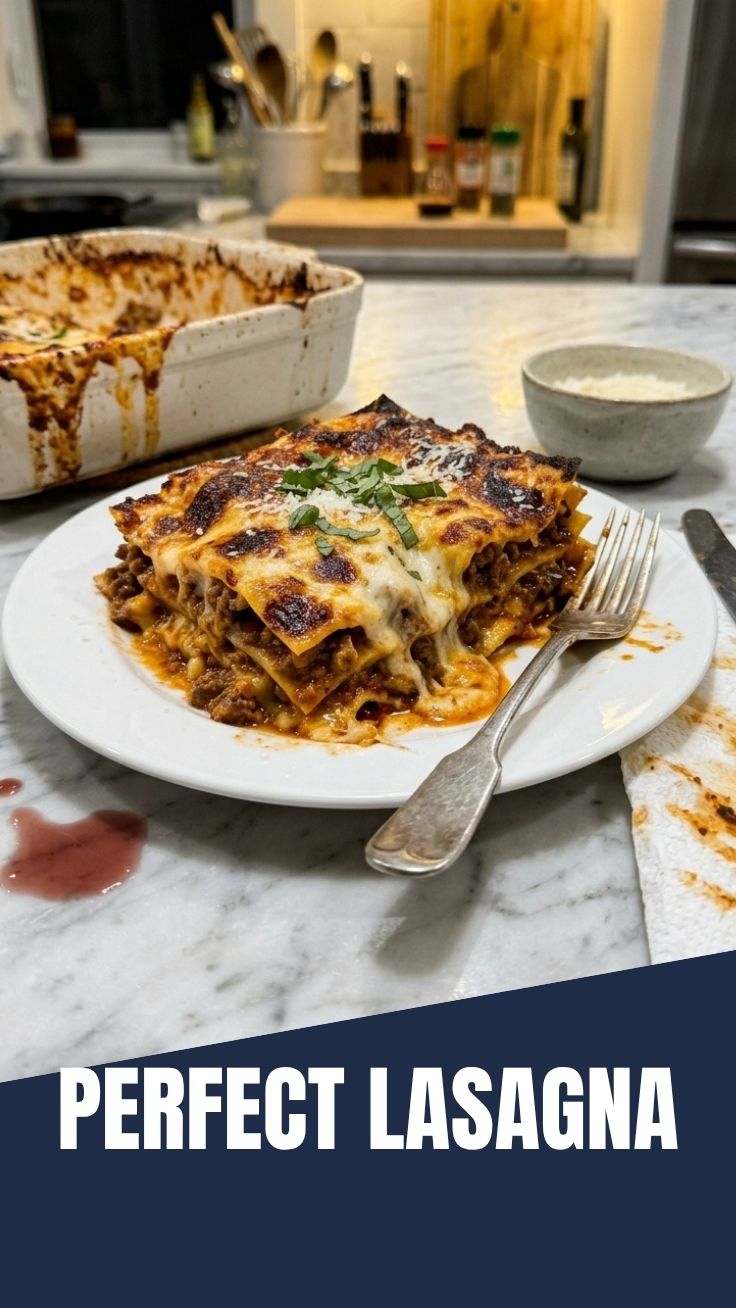
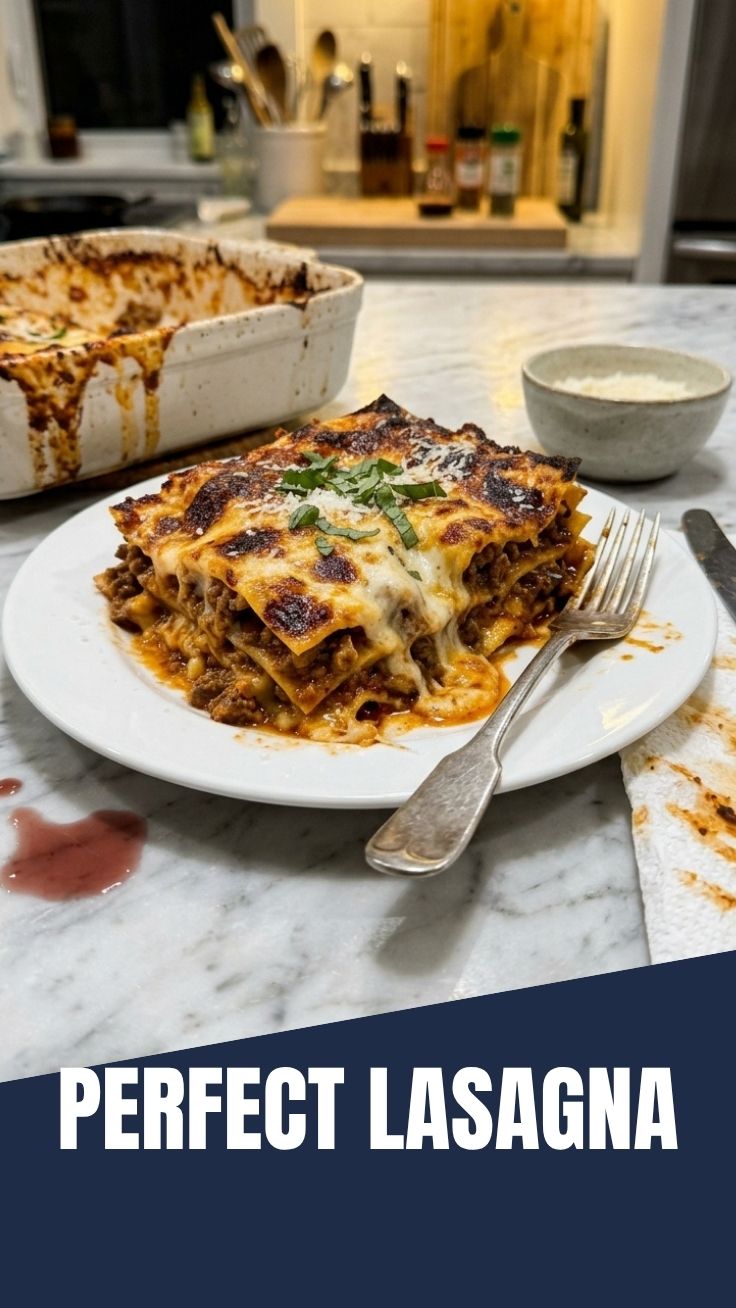
5. Bake covered with foil for 30 minutes. Remove foil and bake an additional 20–25 minutes until cheese is golden and bubbly. Let rest 10–15 minutes before slicing. This resting period allows the layers to set, making serving much easier. Many Lasagna recipes suggest a shorter rest, but the texture improves significantly with patience.
Pro tip: If you notice the edges drying out during baking, spritz the inside of the foil with cooking spray before covering to prevent cheese from sticking.
Nutritional Benefits & Advantages
This beef lasagna offers a balanced profile of protein, calcium, and carbohydrates. A single serving (approx. ⅙ of dish) provides about 450–500 calories, 30g protein, 25g fat, and 35g carbs. The ground beef supplies iron and B vitamins, while ricotta and mozzarella contribute calcium for bone health. Using whole tomatoes instead of heavy cream sauces reduces saturated fat compared to some variations. For a lighter version, swap beef for lean ground turkey or lentils and use part-skim cheeses. The high protein content makes it a satisfying meal that keeps you full longer.
Tips, Variations & Cooking Advice
– Flavor twists: Add sautéed mushrooms and spinach to the meat sauce for extra vegetables. Incorporate a layer of béchamel sauce (white sauce) between traditional tomato layers for a creamy Italian-style lasagna.
– Gluten-free: Use gluten-free lasagna noodles or thin slices of zucchini or eggplant as pasta substitutes. Ensure all other ingredients (e.g., tomato paste) are labeled GF.
– Dairy-free: Replace ricotta with blended silken tofu (seasoned with nutritional yeast and lemon juice), use dairy-free mozzarella shreds, and skip Parmesan. The sauce remains dairy-free naturally.
– Portion changes: For a smaller gathering, halve the recipe and use an 8×8 dish (reduce baking time by 10 minutes). Leftovers freeze beautifully (see storage tips).
– Alternative cooking method: Assemble lasagna in individual ramekins for single servings – bake 20 minutes covered and 10 minutes uncovered.
Common Mistakes to Avoid
– Skipping the sauce simmer: A thin, watery sauce will make lasagna soggy. Simmering for at least 15 minutes reduces liquid and intensifies flavor.
– Overcooking noodles: If using regular noodles, undercook them by 1–2 minutes (very al dente). They will finish cooking during baking. Overcooked noodles turn mushy.
– Not resting the lasagna: Cutting immediately causes layers to slide and sauces to run. A 15-minute rest is non-negotiable for picture-perfect slices.
– Using too much or too little sauce: Too little dries out the pasta; too much makes it soupy. Aim for a generous but not drowning layer. The final tablespoon of sauce on top before cheese prevents burning.
– Forgetting to season cheese mixture: Ricotta can be bland. Always add salt, pepper, and herbs to the ricotta blend.
Storage & Meal Prep Tips
– Refrigeration: Cover leftover lasagna tightly with foil or transfer to an airtight container. It stays fresh for 4–5 days in the fridge. For best texture, reheat in a 350°F oven for about 20 minutes (covered for first 10 minutes) or in the microwave on medium power in 1-minute increments.
– Freezing: Assemble the entire lasagna (unbaked) in a foil pan. Wrap tightly with plastic wrap, then heavy-duty foil. Freeze for up to 3 months. Bake from frozen at 375°F, covered, for 60 minutes, then uncovered for 25–30 minutes. Alternatively, freeze baked leftovers in portions – thaw overnight in fridge before reheating.
– Meal prep trick: Prepare the meat sauce and ricotta mixture ahead. Store separately in the fridge for up to 3 days, then assemble and bake when ready. This cuts the active cooking time on busy evenings.
Conclusion
Mastering a classic beef lasagna at home is a rewarding culinary journey that delivers incredible flavor and warmth to your table. By following this guide, you’ve learned how to build layers of rich meat sauce, creamy cheese, and perfectly cooked pasta. The secret lies in simmering your sauce deep, assembling with love, and giving the dish time to rest. Whether you stick to this traditional version or experiment with seasonal vegetables or alternative cheeses, one thing remains true: a homemade Lasagna always outshines store-bought. For even more inspiration, explore other Lasagna recipes that offer exciting twists. Now it’s your turn – preheat the oven, roll up your sleeves, and create a dish that your family will request again and again. Share your results in the comments or tag us on social media; we’d love to see your bubbly, cheesy masterpiece!
FAQs
1. Can I use no-boil lasagna noodles instead of traditional ones?
Absolutely. No-boil noodles are designed to absorb liquid from the sauce during baking. Ensure your meat sauce is slightly more liquid (add an extra ¼ cup of water or broth) and never skip the thin sauce layer on the bottom to prevent undercooking.
2. My lasagna turned out watery. What went wrong?
Common culprits: not draining fatty ground beef, using watery ricotta (drain fresh ricotta in cheesecloth for 30 minutes), or not simmering the sauce enough to reduce. Also, avoid adding extra wet vegetables like zucchini without pre-sweating.
3. How do I prevent the top layer of cheese from burning?
Bake covered with foil for most of the time, then remove foil only for the last 20 minutes. If the cheese browns too quickly, tent foil loosely over the top. An oven rack position in the middle also helps.
4. Can I make this lasagna dairy-free?
Yes. Use vegan ricotta (tofu or cashew-based), dairy-free mozzarella shreds, and nutritional yeast for Parmesan flavor. The meat sauce is naturally dairy-free. Note that vegan cheeses may not brown the same way, so skip the uncovered baking step or broil briefly.
5. How long can I keep leftover lasagna in the freezer?
Properly wrapped, frozen lasagna maintains best quality for 2–3 months. For longer storage (up to 6 months), use a vacuum sealer. Thaw in the refrigerator overnight before reheating to avoid temperature shock.
How to Grow Lasagna with 3 Easy Methods
Ingredients
Equipment
Method
- Preheat your oven to 375°F (190°C) and lightly grease a 9x13 inch baking dish.
- Cook the lasagna noodles according to package directions, then drain and set aside.
- In a large skillet, brown the ground beef over medium heat; drain any excess fat.
- Stir in the marinara sauce, salt, and pepper, then simmer for 10 minutes.
- In a medium bowl, combine ricotta cheese, egg, and fresh basil.
- Spread a thin layer of meat sauce on the bottom of the prepared baking dish.
- Arrange a layer of cooked noodles over the sauce, then top with half of the ricotta mixture.
- Sprinkle with a third of the shredded mozzarella and a quarter of the grated Parmesan.
- Repeat the layers, finishing with noodles, the remaining meat sauce, mozzarella, and Parmesan.
- Cover with foil and bake for 25 minutes, then remove the foil and bake for an additional 20 minutes until bubbly and golden.
- Follow steps 1, 3, 4, and 5 from Method 1 to prepare the oven, meat sauce, and ricotta mixture.
- Instead of boiling, use no-boil lasagna noodles directly from the box.
- Assemble the lasagna in the same layered fashion as Method 1, ensuring noodles are fully covered with sauce or mixture to hydrate.
- Bake covered for 35 minutes, then uncovered for 20 minutes, or until the noodles are tender and cheese is melted and browned.
- In a large, oven-safe skillet, brown the ground beef and drain excess fat.
- Stir in the marinara sauce and bring to a simmer.
- Break uncooked lasagna noodles into smaller pieces and add them to the skillet, ensuring they are submerged in the sauce.
- Cover and simmer for 15-20 minutes, or until noodles are tender, stirring occasionally.
- Stir in the ricotta mixture, then sprinkle mozzarella and Parmesan over the top.
- Cover and cook for another 5 minutes until cheese is melted, or transfer to a preheated oven (375°F/190°C) and bake until golden.