The Ultimate Guide to Perfect Lemon Butter Chicken: A Restaurant-Quality Dinner Made Simple
Have you ever craved that silky, golden Lemon Butter Chicken you’d order at a fine-dining restaurant but hesitated to attempt it at home? Preparing this dish in your own kitchen is not only more affordable—it puts you in complete control of the ingredients, ensuring fresher flavors and healthier results. When you master this recipe, you unlock one of the most rewarding Easy dinner recipes that transforms ordinary weeknights into something special. With the perfect balance of bright citrus and rich, creamy butter, this dish delivers both elegance and comfort in every bite.
Ingredients & Kitchen Tools
For the Chicken (4 servings):
– 4 boneless, skinless chicken breasts (pounded to even thickness for uniform cooking)
– 2 tablespoons olive oil (for searing; avocado oil works too)
– 3 tablespoons unsalted butter, divided (quality matters—grass-fed offers richer flavor)
– 3 garlic cloves, minced (fresh preferred over jarred)
– 1 cup chicken broth (low-sodium recommended to control salt levels)
– 1/3 cup fresh lemon juice (about 2 lemons; avoid bottled for brightness)
– 1 teaspoon lemon zest (adds concentrated citrus aroma)
– 1/2 cup heavy cream (or half-and-half for lighter version)
– 1 tablespoon fresh parsley, chopped (garnish)
– Salt and black pepper to taste
– 1/2 teaspoon red pepper flakes (optional, for mild heat)
Kitchen Tools:
– Large skillet (12-inch stainless steel or cast iron holds heat best)
– Meat mallet or rolling pin (for evening chicken thickness)
– Microplane or fine grater (zesting lemons efficiently)
– Tongs (for flipping without piercing meat)
– Instant-read thermometer (critical for food safety)
– Sharp chef’s knife and cutting board
Optional Substitutions: Use chicken thighs for juicier results (increase cook time by 2-3 minutes). Substitute canned coconut milk for heavy cream in dairy-free versions.
Prep Time & Cooking Schedule
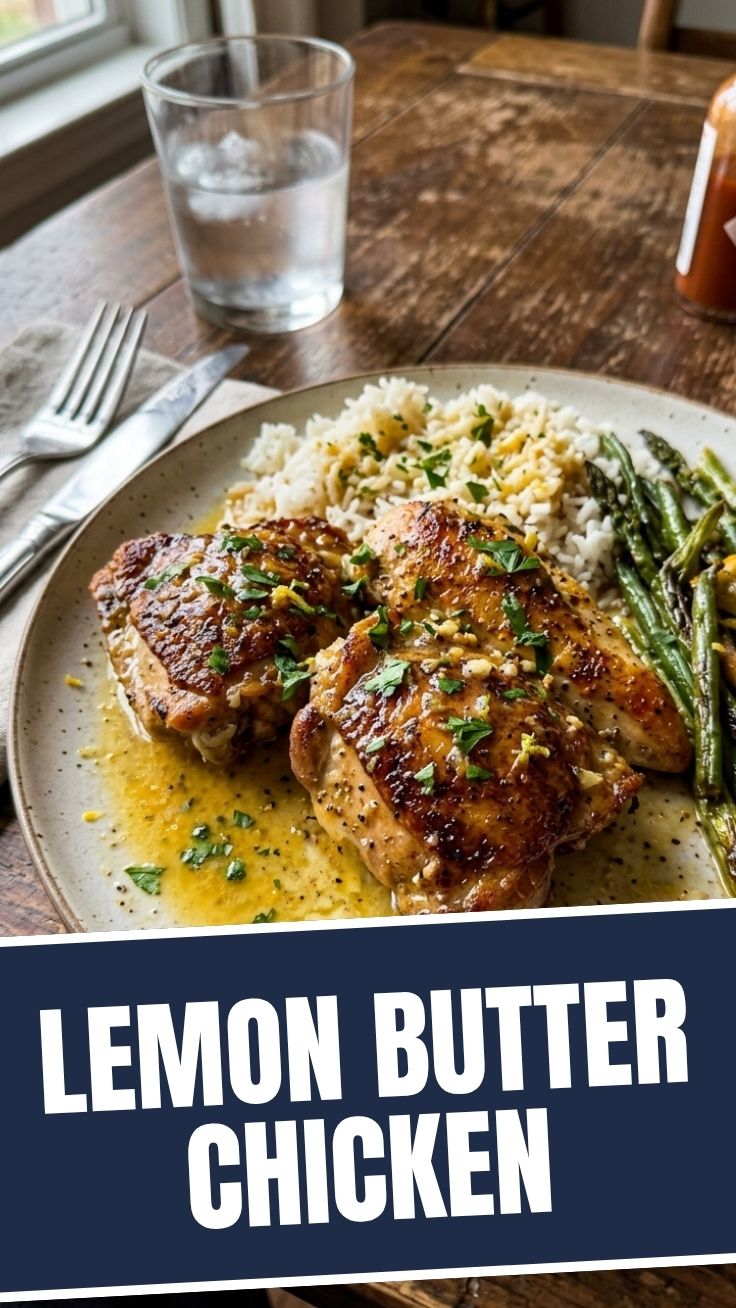
Total time: 35 minutes (hands-on: 20 minutes)
– Prep time: 15 minutes (pound chicken, mince garlic, zest and juice lemons, chop parsley)
– Cook time: 18-22 minutes (sear 6-8 minutes, simmer sauce 10-12 minutes, rest 3 minutes)
– Resting time: 3 minutes after cooking (allows juices to redistribute)
Plan this meal for nights when you have a 20-minute window for active cooking. The sauce comes together while the chicken rests, so this is truly a one-pan wonder that moves quickly.
Step-by-Step Instructions
Step 1: Prepare the chicken – Place chicken breasts between two sheets of plastic wrap. Pound to 1/2-inch thickness using a meat mallet. Season both sides generously with salt and pepper. Pat dry with paper towels—this step is crucial for achieving a golden crust, not steamed meat.
Step 2: Sear the chicken – Heat olive oil and 1 tablespoon butter in your skillet over medium-high heat. When oil shimmers, add chicken. Cook 4-5 minutes per side until golden brown and internal temperature reaches 160°F. Transfer to a plate—it will finish cooking later. This initial sear locks in moisture while creating those coveted brown bits (fond).
Step 3: Build the sauce – Reduce heat to medium. Add remaining 2 tablespoons butter to the skillet. Once melted, add minced garlic and sauté 30 seconds until fragrant—do not let it burn. Pour in chicken broth, scraping up the browned bits with a wooden spoon. Add lemon juice and zest, then whisk in heavy cream. Simmer gently 5-6 minutes until sauce thickens enough to coat the back of a spoon.
Step 4: Combine and finish – Return chicken to the skillet, spooning sauce over each piece. Cover and cook 3-4 minutes until chicken reaches 165°F internally. This last step is where the Lemon Butter Chicken absorbs the sauce’s bright, creamy flavors. For busy weeknights, these Easy dinner recipes prove that restaurant-quality doesn’t require hours in the kitchen. Remove from heat, garnish with parsley and extra lemon zest if desired.
Nutritional Benefits & Advantages
This dish offers impressive nutritional density. A single serving provides approximately 380 calories with 42g protein—ideal for muscle maintenance and satiety. Chicken breast is lean protein rich in B vitamins (especially B6 and niacin), which support energy metabolism. The butter and heavy cream add vitamin A and conjugated linoleic acid (CLA), though moderate portions are key. Lemons contribute immune-supporting vitamin C and flavonoids like hesperidin. Compared to fried chicken alternatives, this pan-seared version reduces unhealthy fats while delivering satisfying richness. For those monitoring sodium, the recipe contains 450-550mg per serving using low-sodium broth—adjustable by seasoning lightly.
Tips Variations & Cooking Advice
Flavor Variations:
– Garlic-Herb Twist: Add 1 teaspoon dried thyme and rosemary with the garlic
– Spicy Version: Increase red pepper flakes to 1 teaspoon or add 1 tablespoon sriracha
– Capers & Olives: Stir in 2 tablespoons capers and 1/4 cup sliced kalamata olives for Mediterranean flair
Dietary Adaptations:
– Dairy-Free: Use coconut cream instead of heavy cream and plant-based butter (cashew-based works best)
– Gluten-Free: The recipe is naturally gluten-free; serve with rice or quinoa
– Low-Carb: Pair with zucchini noodles or cauliflower rice
Cooking Method Alternative: For oven preparation, sear chicken as directed, then bake at 375°F for 15 minutes with sauce poured over. This method works well when cooking for a crowd.
Common Mistakes to Avoid
Overcooking the chicken – The most frequent error. Chicken breast becomes dry when cooked past 165°F. Use an instant-read thermometer and remove from heat at 162°F—carryover cooking will reach the safe zone.
Skipping the pat-dry step – Wet chicken steams instead of searing, preventing that golden crust. Always pat dry thoroughly before seasoning.
Burning the garlic – Garlic turns bitter when overcooked. Add it after the butter melts but before the pan gets too hot. Keep stirring for exactly 30 seconds.
Lumpy sauce – If sauce appears curdled, it likely overheated or cream was added to boiling liquid. Maintain gentle simmer, not rolling boil, when adding cream.
Under-seasoning – Lemon butter sauce needs adequate salt to balance acidity. Taste sauce before returning chicken to pan—don’t be shy with seasoning.
Storage & Meal Prep Tips
Refrigerate leftovers in an airtight container for up to 3 days. For freezing, cool completely, then transfer to freezer-safe bags—remove all air to prevent freezer burn. Frozen portions keep 2-3 months. To reheat, thaw overnight in refrigerator, then warm in a skillet over low heat with 1-2 tablespoons water or broth to restore sauce consistency. Avoid microwaving on high, which separates the cream sauce. For meal prep, cook chicken and sauce separately, storing sauce in a separate container. Reheat chicken in oven at 300°F for 10 minutes, then combine with reheated sauce.
Conclusion
Mastering this Lemon Butter Chicken transforms your cooking repertoire, delivering a dish that rivals restaurant versions yet fits into the busiest schedules. The key lies in balancing the bright acidity of fresh lemon with the rich, silky butter sauce—a combination that makes weeknight dinners feel celebratory. As one of the most satisfying Easy dinner recipes, this meal proves that exceptional results don’t require complicated techniques or exotic ingredients. Try it this week, and don’t hesitate to share your results—tag your photos or leave a comment below. For more approachable yet impressive meals, explore our collection of one-pan wonders and thirty-minute weeknight solutions.
FAQs
Can I use bottled lemon juice instead of fresh?
Fresh lemon juice provides brighter flavor and more consistent acidity. Bottled often contains preservatives that can make the sauce taste flat or slightly bitter. For best results, use fresh lemons—you’ll also need the zest.
Why did my sauce separate into oily liquid?
This typically happens when the sauce is boiled after adding cream. Always simmer gently, never boil. If separation occurs, remove from heat immediately, whisk vigorously, and add 1 teaspoon cold butter to help re-emulsify.
How do I make this dairy-free without losing creaminess?
Use full-fat coconut cream blended smooth (from refrigerated canned coconut milk) and plant-based butter. Add 1 teaspoon nutritional yeast for subtle savory depth that mimics dairy flavor.
Can I cook frozen chicken breasts directly?
Not recommended. Frozen chicken releases excess water, preventing proper searing and creating steamed, tough meat. Thaw overnight in the refrigerator, then proceed with the recipe.
What’s the best side dish to soak up the extra sauce?
Crusty sourdough bread is ideal for sopping up every drop. Alternatively, serve over creamy polenta, mashed potatoes, or al dente pappardelle pasta—the wide noodles capture sauce beautifully.
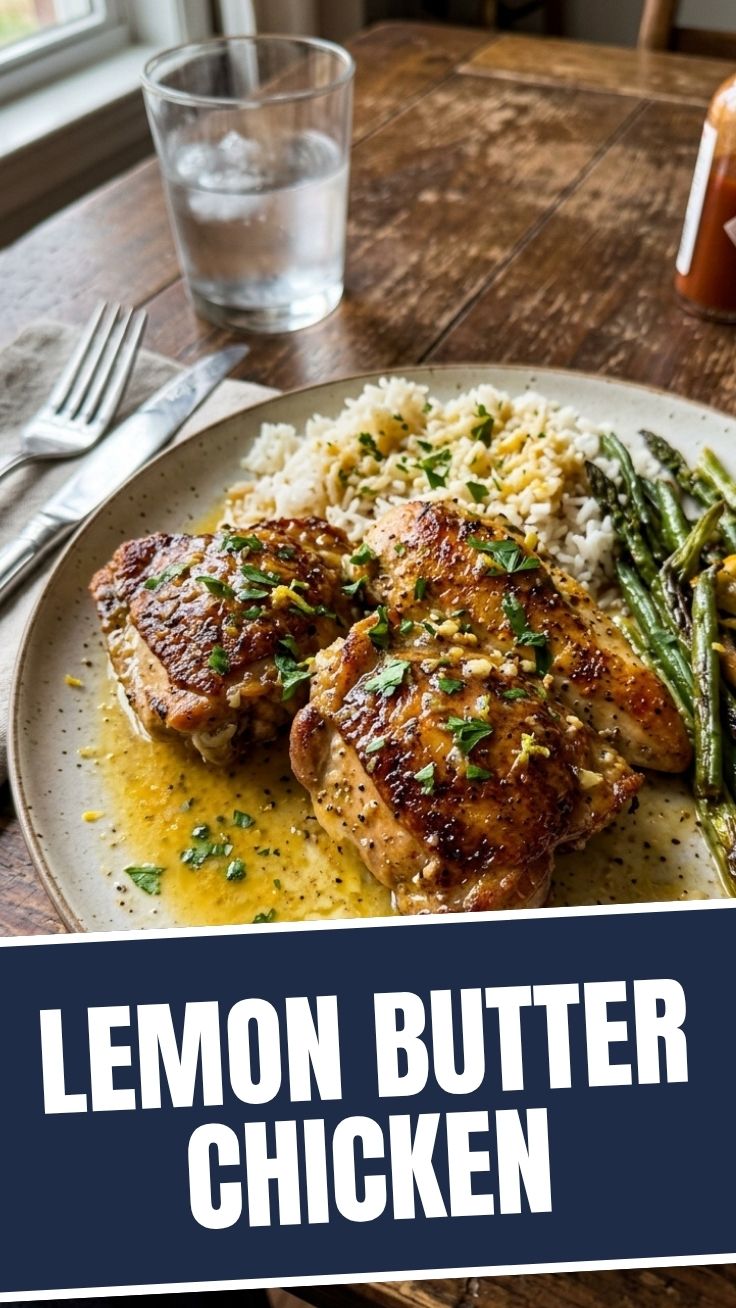
Lemon Butter Chicken
Ingredients
Equipment
Method
- Pat chicken breasts dry and season with salt and pepper on both sides.
- Heat olive oil in a skillet and cook chicken for 5-7 minutes per side until golden brown and cooked through; then remove and set aside.
- In the same skillet, melt butter and add minced garlic, cooking for 1 minute until fragrant.
- Pour in chicken broth and lemon juice, scraping up any browned bits; simmer for 2-3 minutes until the sauce slightly thickens.
- Return chicken to the skillet, spooning the sauce over it, garnish with fresh parsley, and serve immediately.