The Ultimate Lemon Ricotta Pasta Recipe: Creamy, Bright, and Easy to Make at Home
Ever craved a pasta dish that feels both indulgent and refreshing—one that turns simple ingredients into restaurant-quality comfort food? That’s exactly what this Lemon Ricotta Pasta delivers. The magic lies in the balance: velvety ricotta cheese meets bright lemon zest, creating a sauce that clings to every strand of pasta without needing heavy cream. I’ve tested this recipe dozens of times to ensure you get silky results every time. Whether you’re a busy weeknight cook or a weekend meal prepper, making this dish at home saves money, reduces preservatives, and lets you control the flavor. For more inspiration, explore other [cheese pasta recipes](https://rapidorecetas.com/lemony-asparagus/) that pair creamy textures with vibrant ingredients.
—
Ingredients & Kitchen Tools
Pasta (12 oz / 340 g)
Choose long shapes like spaghetti, fettuccine, or bucatini. Short pastas like penne work too. Tip: Fresh pasta cooks faster but dried holds sauce well.
Ricotta cheese (1 cup / 240 g)
Full-fat ricotta gives the creamiest texture. Low-fat works but yields thinner sauce. Substitution: Cottage cheese blended smooth or mascarpone for extra richness.
Lemons (2 medium)
Zest and juice. Use organic if possible—zest is essential. Avoid bottled juice; it lacks brightness.
Parmesan cheese (½ cup grated)
Adds saltiness and umami. Swap with pecorino romano for sharper flavor.
Garlic (2 cloves, minced)
Fresh only—pre-minced lacks aroma.
Butter (2 tbsp) or olive oil (3 tbsp)
Butter for richness, oil for a lighter finish.
Salt & black pepper
Sea salt for pasta water, fresh cracked pepper for garnish.
Fresh basil or parsley (¼ cup chopped)
Optional but recommended for color and freshness.
Tools: Large pot, colander, skillet or sauté pan (12-inch), microplane or zester, wooden spoon, measuring cups, chef’s knife, cutting board.
—
Prep Time & Cooking Schedule
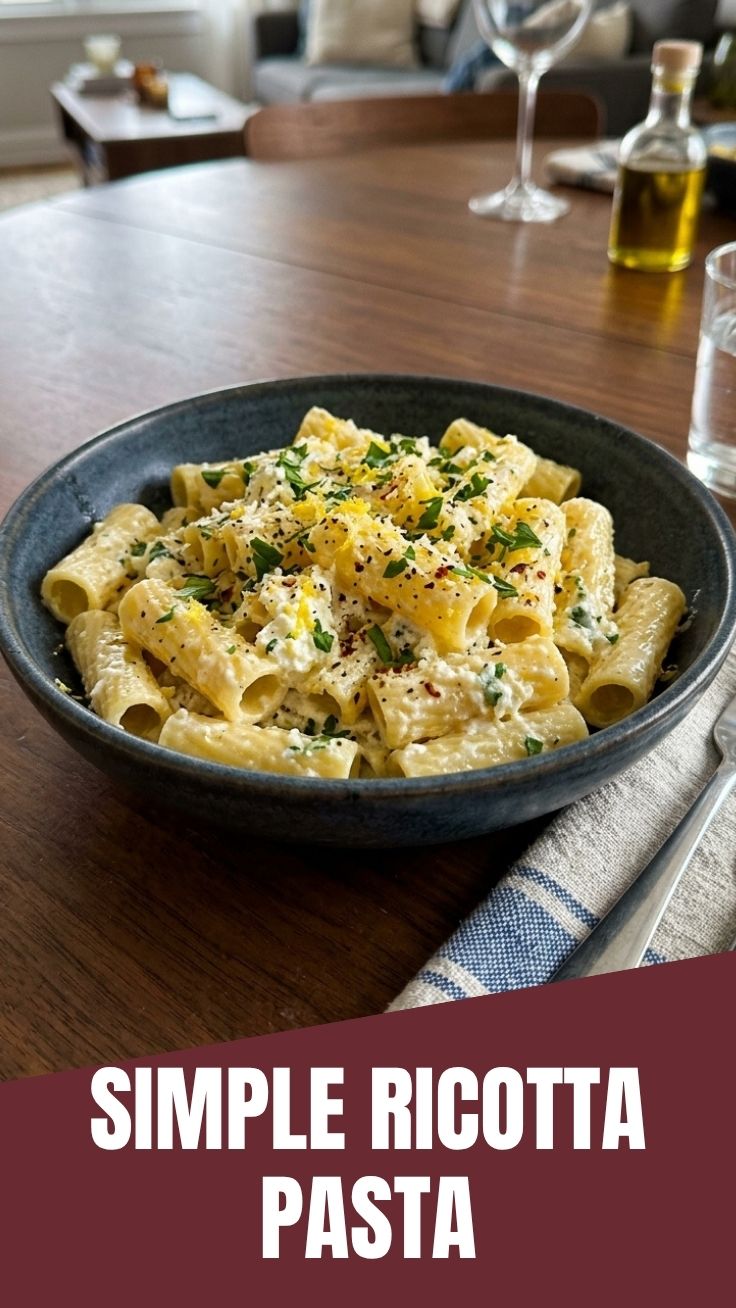
– Prep time: 10 minutes (zest lemons, mince garlic, measure cheese)
– Cook time: 12 minutes (pasta) + 5 minutes (sauce assembly)
– Total time: 27 minutes
Timing tip: Start boiling water before you prep ingredients. While pasta cooks, make the sauce—it comes together in the time it takes to boil and drain the pasta.
—
Step-by-Step Instructions
1. Cook the pasta
Bring a large pot of generously salted water (2 tbsp salt per 4 quarts) to a rolling boil. Add pasta and cook until al dente according to package directions (usually 8–10 minutes for dried, 2–4 for fresh). Reserve 1 cup of pasta water before draining.
2. Prepare the ricotta-lemon base
While pasta cooks, combine ricotta, lemon zest (from both lemons), 2 tablespoons lemon juice, and half the Parmesan in a medium bowl. Stir until smooth. Season with ¼ teaspoon salt and a pinch of pepper.
3. Sauté the garlic
In a large skillet, melt butter over medium heat. Add minced garlic and cook for 30–45 seconds until fragrant but not browned. Reduce heat to low.
4. Combine pasta and sauce
Add drained hot pasta to the skillet. Spoon the ricotta mixture over the top. Toss gently with tongs, adding reserved pasta water 2 tablespoons at a time until the sauce coats each strand evenly (you’ll likely need ¼ cup to ½ cup). The heat from the pasta will warm the ricotta without curdling.
5. Finish and serve
Remove from heat. Stir in remaining Parmesan and fresh herbs. Taste and adjust salt, pepper, or lemon juice. Serve immediately. Garnish with extra zest and herbs.
Pro tip: If the sauce feels too thick, add more pasta water. If too thin, let it sit off heat for 30 seconds—the ricotta will continue to absorb liquid.
—
Nutritional Benefits & Advantages
This Lemon Ricotta Pasta is higher in protein than traditional cream-based pasta (ricotta packs 14g protein per cup) and lower in saturated fat. Ricotta is rich in calcium, phosphorus, and whey protein, which supports muscle recovery. Lemon adds vitamin C and antioxidants. For those exploring [cheese pasta recipes](https://rapidorecetas.com/lemony-asparagus/), this dish offers a lighter alternative without sacrificing creaminess. A single serving (about 1.5 cups) contains roughly 450 calories, 18g protein, 10g fat (mostly unsaturated), and 60g carbs—making it a balanced main or side.
—
Tips Variations & Cooking Advice
Flavor variations
– Add ½ cup sautéed spinach or roasted asparagus for green contrast.
– Stir in ¼ teaspoon red pepper flakes for heat.
– Swap basil for mint or dill for a different herb note.
Dietary adaptations
– Gluten-free: Use chickpea or lentil pasta; note that cooking times vary.
– Dairy-free: Use cashew “ricotta” (soaked cashews blended with lemon juice) and omit Parmesan or use nutritional yeast.
– Vegan: Combine silken tofu with lemon zest and nutritional yeast as a ricotta stand-in.
Method swaps
– Bake the assembled pasta at 375°F for 15 minutes (covered) for a casserole version.
– Serve cold as a pasta salad with extra lemon juice and cherry tomatoes.
—
Common Mistakes to Avoid
Overcooking the pasta
Mushy pasta won’t hold the sauce. Set a timer and test a minute early. Reserve pasta water before draining—forgetful? Use boiling water from the kettle instead.
Curdling the ricotta
Adding cold ricotta to a screaming hot pan can cause separation. Always temper it: let the ricotta come to room temperature before tossing with hot pasta, and keep the heat low when combining.
Skipping the pasta water
The starchy water emulsifies the sauce, giving it a silky, clingy texture. Don’t rely on oil alone—pasta water is non-negotiable.
Using pre-grated Parmesan
Cellulose anti-caking agents prevent proper melting. Grate fresh Parmesan for superior texture and flavor.
—
Storage & Meal Prep Tips
Refrigeration: Store leftovers in an airtight container for up to 3 days. The sauce will thicken as ricotta absorbs moisture.
Reheating: Add 1–2 tablespoons milk or water and reheat gently in a skillet over low heat, stirring often. Microwave in 30-second bursts at 50% power to avoid rubbery texture.
Freezing: Ricotta-based sauces freeze well for up to 2 months. Thaw overnight in the fridge and reheat as above. Note: Texture may be slightly grainier after freezing—stir in a splash of milk to restore creaminess.
Meal prep: Cook pasta and sauce separately, then combine only when reheating to prevent sogginess.
—
Conclusion
This Lemon Ricotta Pasta proves that a handful of everyday ingredients can transform into a memorable meal with minimal effort. The key takeaway: always save pasta water and let the ricotta warm gently for a sauce that stays silky, not grainy. If you love creamy, bright flavors, this is one of the best [cheese pasta recipes](https://rapidorecetas.com/lemony-asparagus/) to keep in your weekly rotation. I’d love to see your results—tag me when you make it, or share your twist in the comments. And don’t miss the linked recipe for Lobster Ravioli in Lemon Butter Sauce if you’re craving something extra special.
—
FAQs
1. Can I use cottage cheese instead of ricotta?
Yes—blend cottage cheese until smooth before using. The flavor will be slightly tangier and the sauce thinner. Adjust salt accordingly.
2. Why is my sauce watery?
Two reasons: your pasta wasn’t drained thoroughly, or you added too much pasta water. Let the pasta sit in the colander for 10 seconds before adding sauce. If already watery, simmer the sauce uncovered for 1–2 minutes.
3. How do I prevent the garlic from burning?
Always use medium-low heat when sautéing garlic, and add it after the butter has melted but before it sizzles too aggressively. Remove from heat if the pan gets too hot.
4. Can I make this dairy-free and still have a creamy texture?
Absolutely. Blend ½ cup raw cashews (soaked 4 hours) with ¼ cup water, 2 tablespoons lemon juice, and a pinch of salt until silky. This replaces ricotta beautifully.
5. How long should I store leftover lemon ricotta pasta?
Up to 3 days in the fridge. Do not leave at room temperature longer than 2 hours. For best texture, reheat in a skillet with a splash of milk or pasta water.
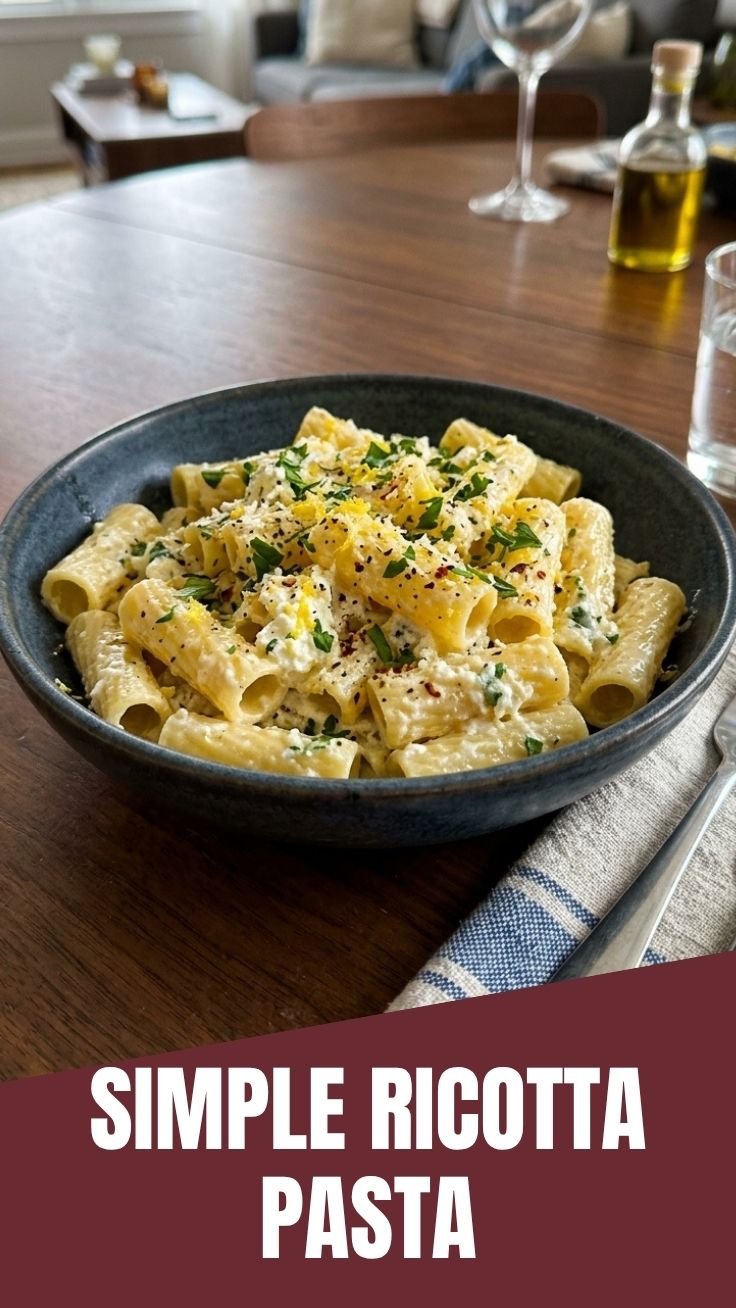
Lemon Ricotta Pasta
Ingredients
Equipment
Method
- Boil water in a pot, add salt, and cook pasta according to package directions until al dente.
- While pasta cooks, combine ricotta cheese, lemon zest, juice from half a lemon, grated Parmesan, butter, salt, and pepper in a large bowl.
- Before draining, reserve about 1/4 cup of the starchy pasta water; then drain the cooked pasta.
- Immediately add the hot, drained pasta to the ricotta mixture and toss vigorously until well combined, adding reserved pasta water as needed to create a creamy sauce.
- Serve the lemon ricotta pasta hot, garnished with extra Parmesan or fresh herbs if desired.