Beat the Heat with Fresh & Satisfying Low Calorie Summer Bowls
Are you tired of heavy meals that leave you sluggish during scorching summer days? Imagine a dish that’s vibrant, cooling, and packed with garden-fresh veggies without weighing you down. That’s exactly what you get with these low calorie summer bowls. They’re not just a meal—they’re a celebration of peak-season produce. Preparing them at home means you control every ingredient, avoid hidden preservatives, and save money while enjoying a restaurant-quality experience. In this guide, you’ll learn how to build a stunning bowl that’s perfect for light lunches or dinners, and I’ll also show you how to repurpose leftovers into satisfying low calorie lunch bowls that keep you energized all week.
> Jump to: [Ingredients & Kitchen Tools](#ingredients) | [Prep Time & Cooking Schedule](#prep) | [Step-by-Step Instructions](#steps) | [Nutritional Benefits](#nutrition) | [Tips & Variations](#tips) | [Common Mistakes](#mistakes) | [Storage & Meal Prep](#storage) | [Conclusion](#conclusion) | [FAQs](#faqs)
—
Ingredients & Kitchen Tools
For the Bowl Base
– 1 medium zucchini – diced into ½-inch cubes (adds texture without excess calories)
– 1 medium yellow squash – same size as zucchini for even cooking
– 1 small eggplant – peeled if skin is tough, cubed (absorbs flavors beautifully)
– 1 red bell pepper – seeded and chopped (natural sweetness)
– 1 yellow onion – diced (savory foundation)
– 3 cloves garlic – minced (pungent, aromatic)
– 2 large tomatoes – chopped (or 1 can diced tomatoes, no salt added)
– 2 tbsp olive oil – divided (use a high-quality extra-virgin for drizzling)
– 1 tsp dried oregano (or 1 tbsp fresh)
– ½ tsp dried thyme
– Salt and black pepper – to taste
– Fresh basil leaves – for garnish (optional)
Optional Toppings & Add-Ins
– 1 cup cooked quinoa or farro (for fiber and protein)
– 2 tbsp crumbled feta cheese (omit for dairy-free)
– ¼ cup toasted pine nuts or slivered almonds (crunch)
– A squeeze of lemon juice (brightness)
Kitchen Tools
– Large non-stick skillet or Dutch oven
– Sharp chef’s knife
– Cutting board
– Wooden spoon or silicone spatula
– Measuring spoons
– Bowl for resting
—
Prep Time & Cooking Schedule
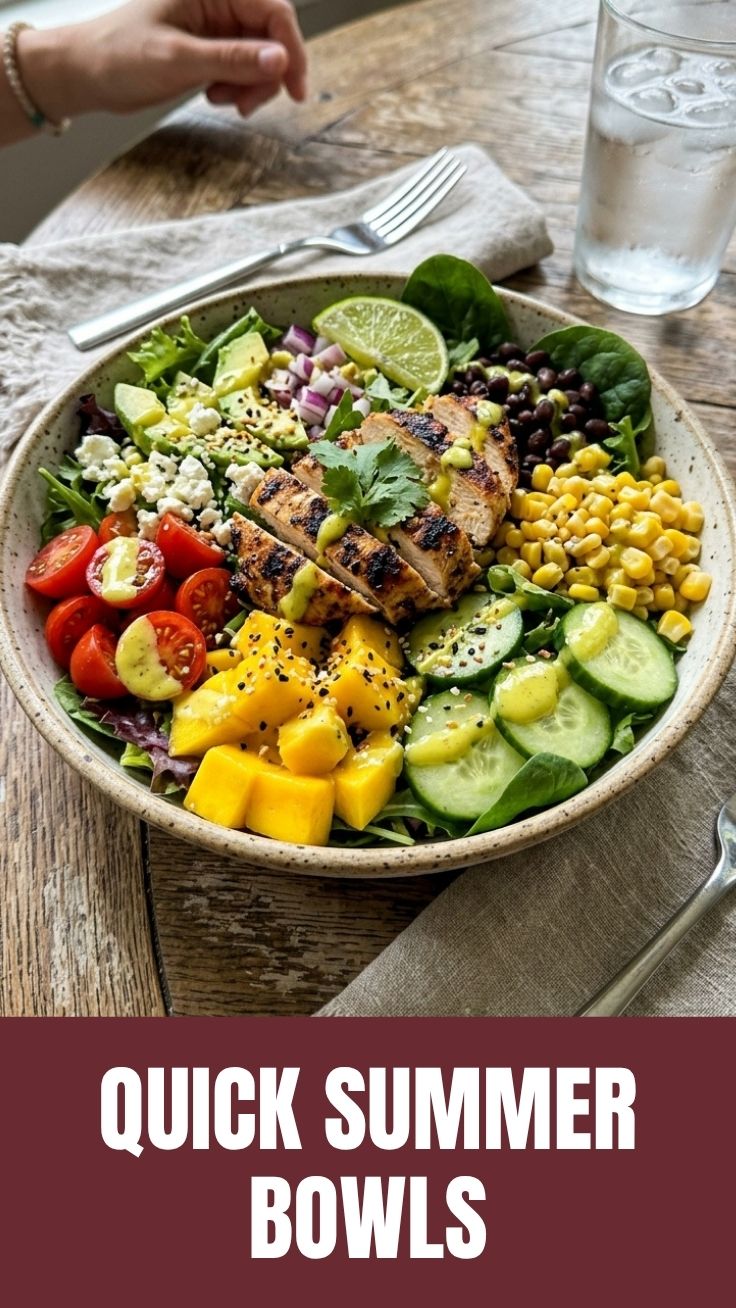
– Prep Time: 15 minutes (chopping all vegetables)
– Cooking Time: 25–30 minutes (active stovetop, low maintenance)
– Resting Time: 5 minutes (allows flavors to meld)
> Why this timeline works: The vegetables release water as they cook, creating a natural sauce. You don’t need to babysit the pan—just stir occasionally. This makes it perfect for busy weeknights when you want a hands-off dish.
—
Step-by-Step Instructions
1. Prep all vegetables – Wash and dry everything. Dice zucchini, squash, eggplant, bell pepper, and onion into uniform ½-inch cubes. Mince garlic. Chop tomatoes.
Pro tip: Uniform pieces ensure even cooking—nobody wants a raw eggplant chunk next to mushy pepper.
2. Sauté aromatics – Heat 1 tablespoon olive oil in a large skillet over medium heat. Add onion and cook until translucent (about 4 minutes). Stir in garlic and cook 30 seconds until fragrant.
3. Cook the eggplant – Add the remaining 1 tablespoon oil along with the eggplant cubes. Season with a pinch of salt. Cook 5 minutes, stirring occasionally, until eggplant softens and starts to brown.
4. Add remaining vegetables – Toss in zucchini, squash, and bell pepper. Cook 8–10 minutes, stirring every 2 minutes, until they begin to release moisture.
5. Simmer with tomatoes – Stir in chopped tomatoes, oregano, and thyme. Reduce heat to low, cover, and let simmer for 12–15 minutes. The vegetables should be tender but not mushy. Taste and adjust salt and pepper.
6. Rest and serve – Remove from heat. Let the ratatouille rest 5 minutes. Serve over a bed of quinoa or farro, then top with feta and basil.
When you’re planning ahead, these low calorie summer bowls can be portioned into meal-prep containers. For a quick midweek meal, turn them into low calorie lunch bowls by adding a handful of spinach and a hard-boiled egg.
—
Nutritional Benefits & Advantages
One serving (about 1½ cups ratatouille + ½ cup quinoa) contains roughly 200–250 calories, making it an ideal choice for weight management. The dish is:
– Naturally low in fat – only 7g from olive oil, mostly heart-healthy monounsaturated fats.
– Rich in fiber – eggplant, zucchini, and squash provide 8–10g per serving, supporting digestion and satiety.
– High in vitamins A and C – bell peppers and tomatoes are powerhouse antioxidants that boost immunity.
– No added sugar – sweetness comes entirely from vegetables.
> Eating a plant-forward bowl like this has been linked to better blood sugar control and reduced inflammation.
—
Tips, Variations & Cooking Advice
Flavor Twists
– Mediterranean flair – Add a teaspoon of smoked paprika and a splash of red wine vinegar.
– Spicy version – Toss in a diced jalapeño with the garlic, or finish with red pepper flakes.
– Herb swap – Use fresh rosemary or basil chiffonade instead of dried oregano.
Ingredient Swaps
– No eggplant? Substitute with portobello mushrooms for similar texture.
– Low-carb option – Serve the ratatouille over spiralized zucchini noodles instead of quinoa.
– Protein boost – Stir in canned chickpeas or shredded rotisserie chicken during the last 5 minutes.
Cooking Methods
– Sheet pan version – Toss all chopped veggies with oil and herbs, roast at 400°F for 25–30 minutes, then stir in fresh chopped tomatoes before serving.
– Instant Pot shortcut – Sauté in the pot, then pressure cook on high for 4 minutes with a quick release.
Dietary Adaptations
– Gluten-free & vegan – Already compliant as written; skip feta or use vegan cheese.
– Dairy-free – Omit feta or use a nut-based alternative.
—
Common Mistakes to Avoid
1. Overcrowding the pan – Too many vegetables at once will steam instead of sauté, leading to a watery, bland result. Cook in batches if needed.
2. Underseasoning – Vegetables need enough salt early in cooking to draw out moisture and concentrate flavor. Add salt in stages.
3. Overcooking – Ratatouille should be tender but still hold its shape. After 15 minutes of simmering, check for doneness—stop when a fork pierces easily.
4. Skipping the resting time – The dish improves as flavors meld. Let it sit 5 minutes off heat before serving.
5. Using mushy tomatoes – Choose firm, ripe tomatoes or canned whole tomatoes (drained and crushed) for best texture.
—
Storage & Meal Prep Tips
– Refrigeration: Store ratatouille in an airtight container for up to 5 days. The flavors actually deepen overnight.
– Freezing: Portion into freezer-safe containers and freeze for up to 3 months. Thaw overnight in the fridge.
– Reheating: Warm on the stovetop over medium-low heat with a splash of water or vegetable broth. Microwave on 70% power in 30-second bursts to avoid mushiness.
– Meal-prep magic: Cook a double batch on Sunday. Because of their versatility, you can assemble different low calorie summer bowls throughout the week—add a different protein or grain each day. For workday lunches, pack the ratatouille separately from the quinoa/grain to keep textures intact.
—
Conclusion
These low calorie summer bowls are proof that eating light doesn’t mean sacrificing flavor. By mastering one simple ratatouille, you unlock countless variations—perfect for lazy evenings, bustling lunchtimes, and everything in between. The recipe is forgiving, adaptable, and packed with nutrients your body craves in the heat. I encourage you to try it this weekend and share your creation on social media or in the comments below. Whether you enjoy it as a main dish or transform it into low calorie lunch bowls with leftover grain and greens, you’ll have a go-to meal that keeps you satisfied from the first forkful to the last.
—
FAQs
1. Can I use frozen vegetables for this recipe?
Yes, but thaw and pat them dry first to avoid excess water. The cooking time will be slightly shorter.
2. My ratatouille turned out watery. How do I fix it?
Next time, salt the eggplant and let it sit 10 minutes, then pat dry before cooking. If already watery, simmer uncovered for a few extra minutes to evaporate liquid.
3. Can I make this in advance for a party?
Absolutely! It tastes even better the next day. Reheat gently and garnish fresh basil before serving.
4. What’s the best grain to serve under these bowls?
Quinoa, farro, or brown rice are all great. For a lighter option, try cauliflower rice.
5. How do I add more protein without many calories?
Stir in ½ cup white beans or 4 oz grilled shrimp. Both add 100–150 protein-packed calories.
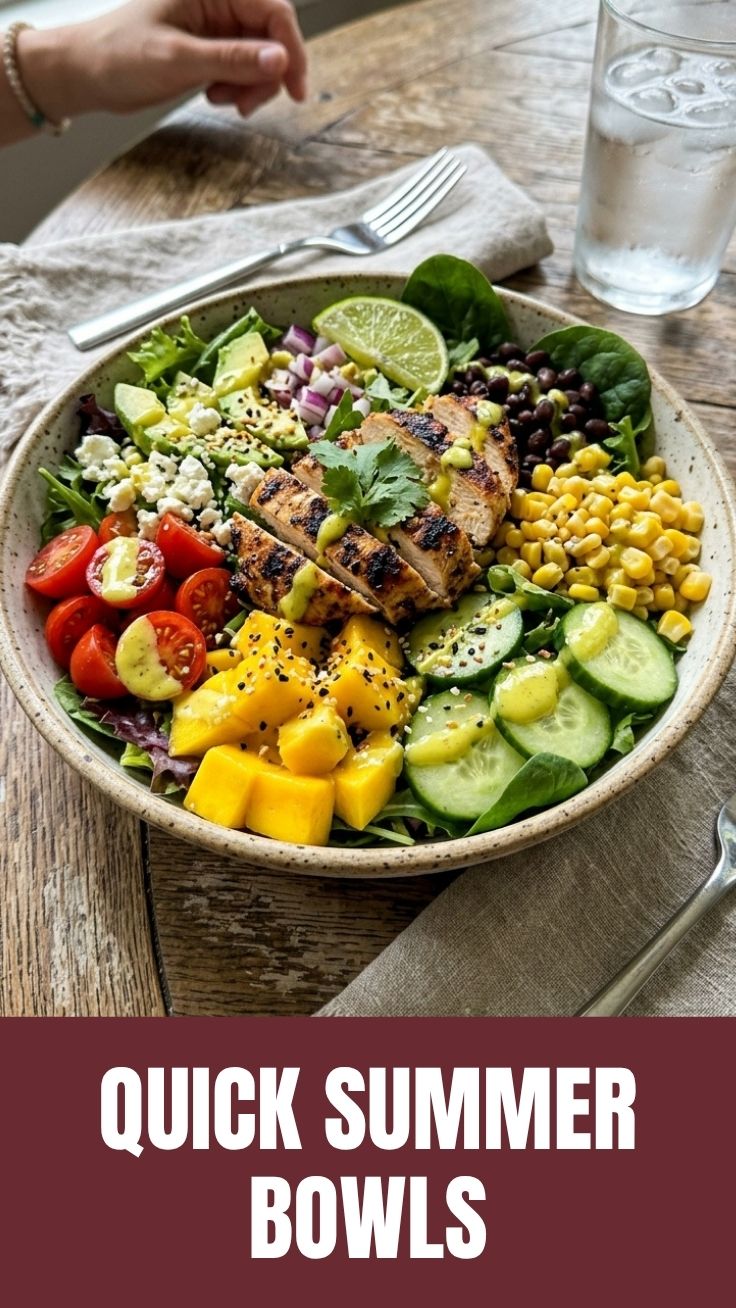
Proven way to grow low calorie summer bowls 5
Ingredients
Equipment
Method
- Prepare your garden bed or containers by mixing potting soil with compost to create a rich growth medium.
- Ensure the area receives ample sunlight, at least 6-8 hours daily, for optimal plant growth.
- Plant lettuce, cherry tomato, and cucumber seeds according to package directions, spacing them appropriately.
- Water thoroughly after planting and maintain consistent moisture, avoiding overwatering.
- Fertilize weekly with organic liquid fertilizer to promote healthy growth and bountiful harvests.
- Harvest your produce regularly, picking leaves, tomatoes, and cucumbers as they ripen throughout the summer.
- Assemble your low-calorie summer bowls with fresh greens, chopped vegetables, and a light dressing.