Here is a comprehensive, SEO-optimized blog post written exactly to your specifications.
—
Shrimp and Avocado Bowls: The Ultimate Fresh & Zesty Weeknight Dinner
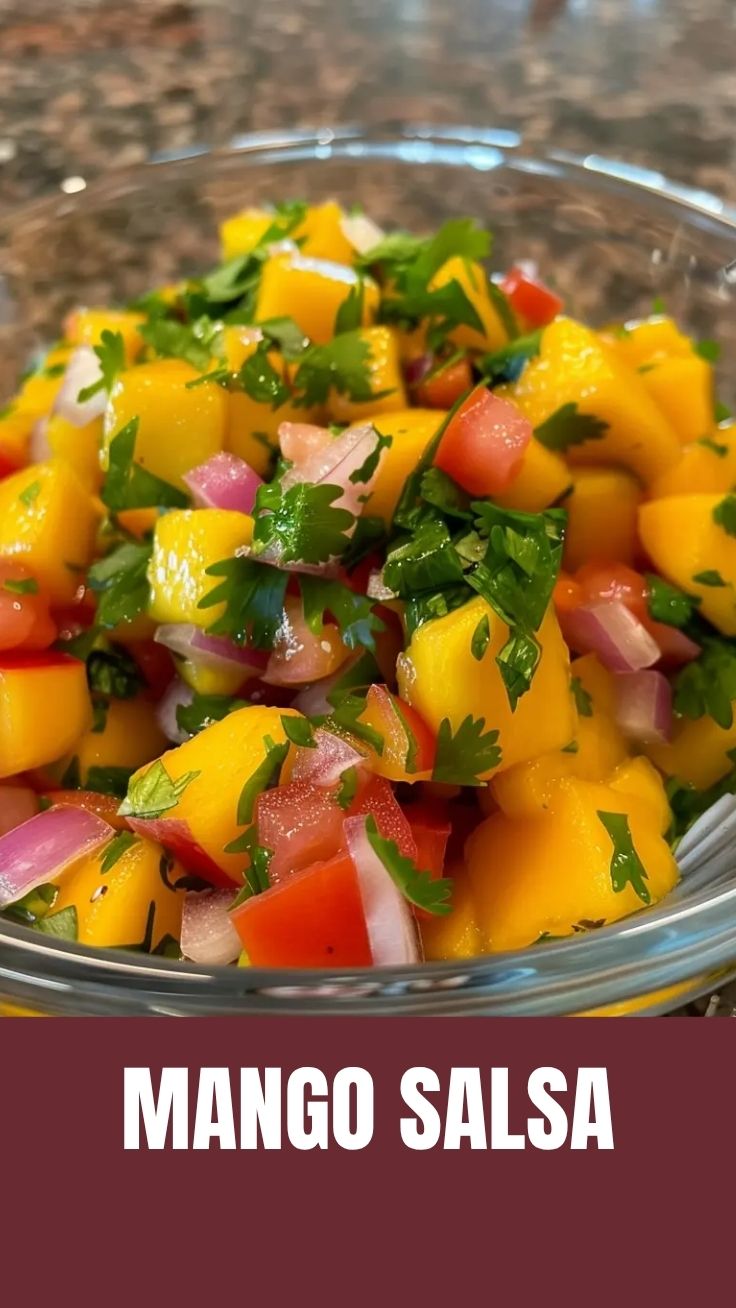
Have you ever craved a meal that feels like a vacation on a plate? Something vibrant, refreshing, and surprisingly simple to throw together on a busy Tuesday? This Shrimp and Avocado Bowl recipe delivers exactly that. By preparing this dish at home, you gain complete control over the quality of the ingredients, from the plumpness of the shrimp to the ripeness of the avocado, saving money and avoiding the excess sodium often found in takeout versions. The star of the show is undeniably the Mango Salsa. This sweet and tangy topping, paired with a classic chunky Pico de Gallo, creates a flavor profile that is both complex and incredibly satisfying.
Ingredients & Kitchen Tools
For the Shrimp:
– 1 lb large shrimp (21-25 count): Peeled and deveined. Look for wild-caught for better flavor.
– 2 tbsp olive oil: For cooking. Avocado oil works as a high-heat substitute.
– 1 tsp smoked paprika: Adds a subtle, smoky depth.
– 1/2 tsp garlic powder: For savory balance.
– Salt and black pepper: To taste.
For the Bowls (Base & Toppings):
– 2 cups cooked white rice (jasmine or basmati): Cilantro-lime rice is a fantastic upgrade. Brown rice or quinoa are great alternatives.
– 2 ripe avocados: Sliced or cubed just before serving to prevent browning.
– 1 cup black beans: Canned (rinsed and drained) or cooked from dry.
– 1/2 cup corn kernels: Fresh, frozen (thawed and charred), or canned.
– Fresh cilantro and lime wedges: For garnish.
For the Salsas:
– Mango Salsa: 1 ripe mango (diced), 1/4 cup red onion (finely diced), 1 jalapeño (minced, seeds removed for less heat), juice of 1 lime, and a pinch of salt.
– Pico de Gallo: 2 Roma tomatoes (diced), 1/4 cup white onion (diced), 1/4 cup fresh cilantro (chopped), juice of 1 lime, and salt.
Essential Tools:
– Large skillet or cast-iron pan
– Cutting board and sharp chef’s knife
– Mixing bowls
– Measuring spoons
– Wooden spoon or spatula
– Colander (for rinsing beans)
Prep Time & Cooking Schedule
– Total Active Time: 25 minutes
– Prep Time: 15 minutes (dicing mango, tomatoes, and avocado; making salsas)
– Cook Time: 10 minutes (cooking shrimp)
– No resting or marinating time is required, making this perfect for a last-minute meal. However, letting the salsas sit for 10 minutes at room temperature allows the flavors to meld beautifully.
Step-by-Step Instructions
1. Prepare the Salsas and Base: In two separate bowls, combine the ingredients for the Mango Salsa and the Pico de Gallo. Stir gently and set aside. If you are using rice, ensure it is cooked and warm.
2. Season the Shrimp: Pat the shrimp completely dry with paper towels. This is critical for a good sear. In a bowl, toss the shrimp with olive oil, smoked paprika, garlic powder, salt, and pepper.
3. Cook the Shrimp: Heat a large skillet over medium-high heat until it is hot. Add the shrimp in a single layer—do not overcrowd the pan (cook in batches if necessary). Let them cook undisturbed for 2-3 minutes until the bottom is pink and lightly charred. Flip and cook for another 1-2 minutes, until they are opaque and curl into a loose “C” shape, not a tight circle (which indicates overcooking). Remove from the pan immediately.
4. Assemble the Bowls: Divide the warm rice between two bowls. Top with the cooked shrimp, black beans, corn, and sliced avocado. Generously spoon over the Mango Salsa and the fresh Pico de Gallo. A key tip for texture: add the salsas only at the very end to keep the ingredients distinct, preventing the avocado from getting mushy or the rice from becoming soggy.
5. Finish and Serve: Garnish with fresh cilantro and a generous squeeze of lime juice over everything. Serve immediately.
Nutritional Benefits & Advantages
This bowl is a powerhouse of nutrition. The shrimp provides lean, high-quality protein and selenium, an essential antioxidant. The Mango Salsa contributes a massive dose of Vitamin C and beta-carotene, while the Pico de Gallo adds lycopene (from cooked or raw tomatoes) and hydration. The healthy monounsaturated fats from the avocado promote heart health and help your body absorb the fat-soluble vitamins from the vegetables. With a balanced macronutrient profile of protein, healthy fats, and complex carbs from the rice and beans, this meal provides sustained energy without the heavy feeling.
Tips, Variations & Cooking Advice
– Flavor Swaps: Add a pinch of tajín or cayenne to the Pico de Gallo for extra heat. Substitute the mango in the salsa with fresh pineapple or peaches for a seasonal twist.
– Dietary Adaptations: For a low-carb or keto-friendly version, serve the bowl over a bed of butter lettuce or fresh spinach instead of rice. This dish is naturally gluten-free and dairy-free.
– Cooking Methods: For a smoky flavor, grill the seasoned shrimp on skewers over high heat for about 2-3 minutes per side. You can also char the corn directly on the grill or in a dry pan before adding it to the bowl.
– Portion Changes: To bulk up the meal for hungrier guests, double the portion of black beans and corn, or serve with warm tortillas on the side.
Common Mistakes to Avoid
– Overcooking the Shrimp: This is the number one mistake. Shrimp cooks very quickly. As soon as it turns pink and opaque, remove it from the heat. Overcooked shrimp becomes rubbery and tough. Use a timer if needed.
– Using Unripe Mango or Avocado: A hard, unripe mango will taste sour and lack sweetness, ruining the salsa. A hard avocado will not mash properly. Look for avocados that yield slightly to gentle pressure and mangoes that are fragrant at the stem end.
– Soggy Bowls: Avoid mixing wet salsas directly into the rice and avocado until you are ready to eat. The acidity of the lime will break down the avocado and make the rice mushy if left to sit.
Storage & Meal Prep Tips
This recipe is best enjoyed fresh, but you can prep components ahead.
– For Leftovers: Store the cooked shrimp, rice, and salsas separately in airtight containers in the refrigerator.
– Refrigeration: The salsas will stay fresh for up to 2 days. The cooked shrimp will keep for 3-4 days.
– Freezing: The shrimp can be frozen, but the texture will degrade slightly. Do not freeze the assembled salsas or avocado. For reheating, gently reheat the shrimp in a skillet over low heat with a splash of water or lime juice to rehydrate it. Avoid microwaving the shrimp, which can make it tough.
– Meal Prep Strategy: On Sunday, make a double batch of the Pico de Gallo and Mango Salsa, cook a large batch of rice, and grill the shrimp. Your weekday lunches or dinners will come together in under 5 minutes.
Conclusion
Building a flavorful, healthy bowl at home is one of the most rewarding culinary skills you can develop. This Shrimp and Avocado Bowl perfectly balances sweet, savory, and tangy elements, with the Mango Salsa providing a tropical punch and the Pico de Gallo offering a classic, fresh crunch. The key is to use the freshest ingredients possible and to avoid overcooking the protein. We encourage you to try this recipe tonight—experiment with the spice levels and share your vibrant creation with us. Don’t hesitate to swap in seasonal fruit or different greens to make it your own signature bowl.
FAQs
Q: Can I use frozen shrimp for this recipe?
A: Absolutely. Thaw them overnight in the refrigerator or under cold running water (in a sealed bag) for 10 minutes. Dry them very thoroughly before seasoning to ensure they sear properly instead of steaming.
Q: Can I use the same salsa base for both the Mango Salsa and Pico de Gallo?
A: The base ingredients (onion, lime, cilantro) are similar, but the textures differ. We recommend making them separately to keep the mango’s sweetness distinct from the tomato’s acidity, creating a more complex final dish.
Q: I don’t like spicy food. How can I adjust the heat?
A: For the Pico de Gallo, simply omit the jalapeño. For the Mango Salsa, use a very mild chili like a cubanelle, or leave it out entirely. The recipe will still be incredibly flavorful.
Q: How do I know when a mango is perfectly ripe for the salsa?
A: A ripe mango will feel slightly soft (like a peach) when you gently squeeze it. It will also have a fruity fragrance at the stem end. Avoid mangos that are rock hard or have dark, wrinkled skin, as these are either underripe or overripe.
Q: Can I make this dish ahead of time for a party?
A: Yes, but serve it “deconstructed.” Set out a large bowl of warm rice, a platter of cooked shrimp, bowls of black beans and corn, sliced avocados (tossed in lime juice), and individual bowls of Mango Salsa and Pico de Gallo. Let guests build their own bowls.
Quick way to grow 5-Star Mango SalsaMango Salsa
Ingredients
Equipment
Method
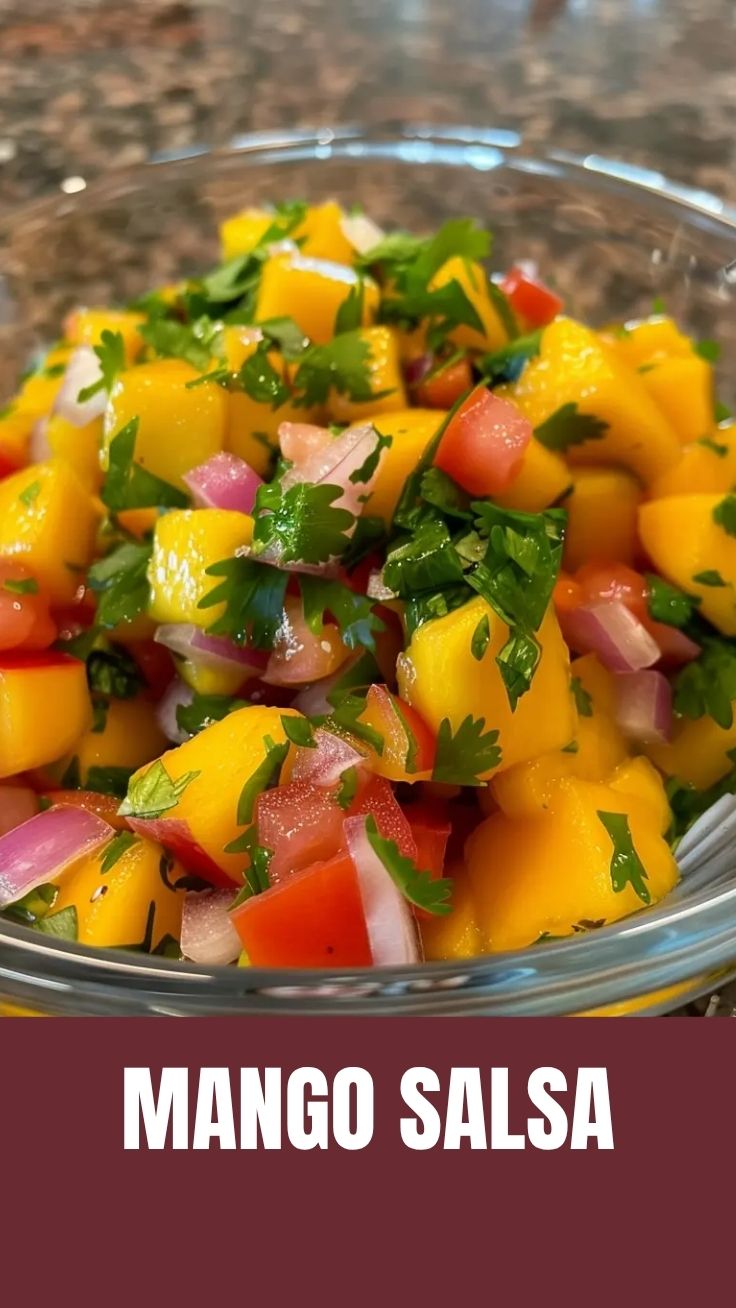
- Dice the mangoes, red onion, and jalapeño into small, even pieces.
- Finely chop the fresh cilantro.
- In a medium bowl, combine the diced mangoes, red onion, jalapeño, and chopped cilantro.
- Add the lime juice and salt, then gently stir to combine all ingredients.
- Taste the salsa and adjust seasoning as needed, adding more salt or lime juice if desired.
- Serve immediately with tortilla chips, or as a topping for your favorite grilled dishes.