The Ultimate Guide to Perfect Mashed Potatoes and Gravy: A Comfort Food Classic
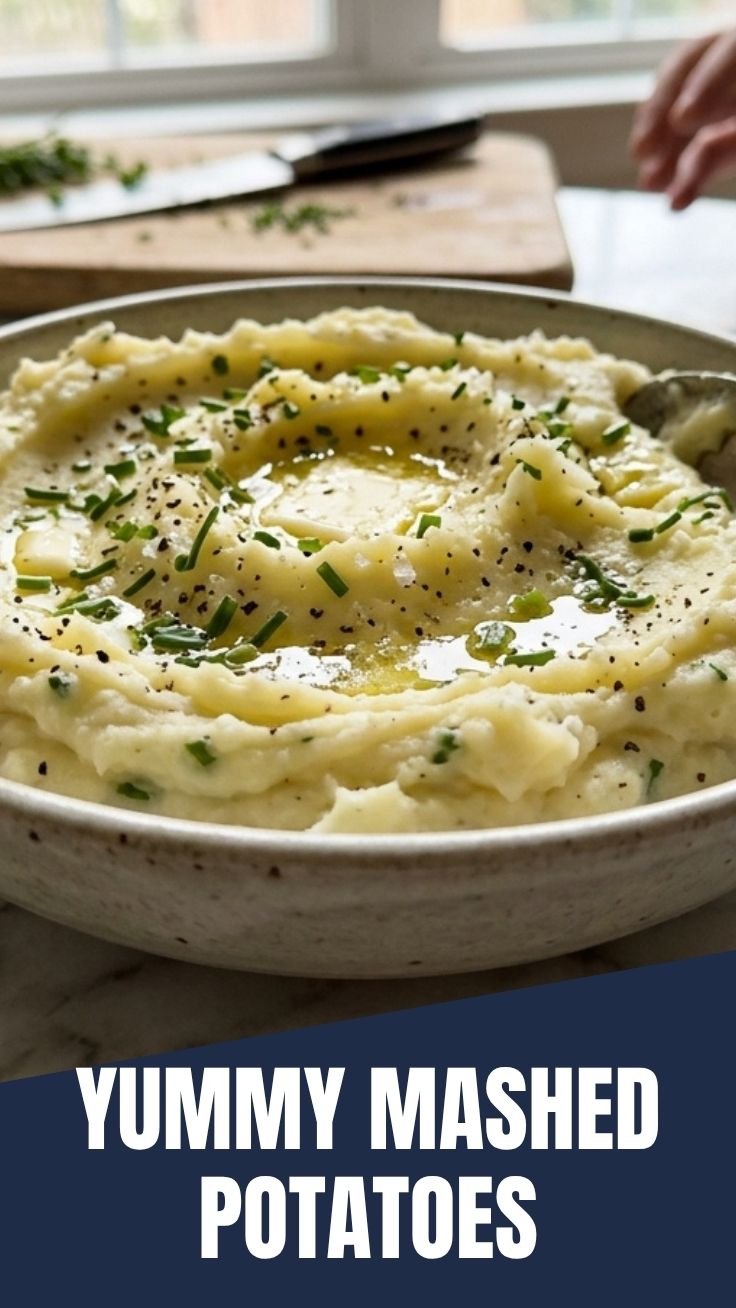
Have you ever sat down to a plate of creamy, buttery Mashed Potatoes draped in rich, savory gravy and wondered why restaurant versions always taste better? The secret isn’t a magic ingredient—it’s technique, timing, and a few insider tips. Preparing this duo at home not only saves money but lets you control every element, from the creaminess of the potatoes to the depth of the gravy. Whether you’re hosting a holiday dinner or craving a cozy weeknight meal, mastering these two staples will elevate your cooking game. In this guide, we’ll walk through every step to ensure your mashed potatoes are flawlessly smooth and your gravy is silky and flavorful—no lumps, no blandness, just pure comfort.
Ingredients & Kitchen Tools
For the Mashed Potatoes
– 2 lbs Yukon Gold potatoes (or Russet for fluffier texture) – Peeled and cut into 1-inch cubes for even cooking.
– ½ cup unsalted butter – Adds richness; use dairy-free butter for a vegan version.
– ½ cup whole milk or heavy cream – Warm liquid helps incorporate without cooling the potatoes.
– Salt and white pepper – White pepper blends in seamlessly; black pepper is fine but may leave specks.
– Optional: 2–3 cloves roasted garlic – For a subtle, sweet depth.
For the Gravy
– 2 tbsp butter (or pan drippings from roasted meat)
– 2 tbsp all-purpose flour (or cornstarch for gluten-free)
– 1½ cups low-sodium chicken or beef broth – Homemade stock adds superior flavor.
– ¼ cup heavy cream (optional) – For extra richness.
– Salt, black pepper, and fresh thyme – Adjust to taste.
Kitchen Tools
– Large pot, colander, potato ricer or masher, fine-mesh strainer, whisk, measuring cups, wooden spoon.
Prep Time & Cooking Schedule
– Prep time: 15 minutes (peeling, chopping, measuring)
– Cook time: 20 minutes (boiling potatoes) + 10 minutes (making gravy)
– Resting time: 5 minutes after mashing (allows steam to escape)
– Total time: ~50 minutes
Plan ahead: The potatoes can be peeled and cut up to 4 hours in advance and stored in cold water to prevent browning. Gravy can be made while the potatoes boil, making the entire meal come together in under an hour.
Step-by-Step Instructions
1. Boil the potatoes: Place cubed potatoes in a large pot, cover with cold salted water (1 tbsp salt per 4 cups water). Bring to a boil, then reduce to a simmer. Cook for 15–18 minutes until fork-tender (a knife slides in with no resistance). Drain well and return to the pot over low heat for 1 minute to evaporate excess moisture.
2. Mash while hot: Pass the potatoes through a ricer for the smoothest mashed potatoes, or use a hand masher for a heartier texture. Add warm butter and milk gradually, folding gently—overmixing makes them gluey. Season with salt and white pepper.
3. Make the gravy: In a saucepan, melt butter over medium heat. Whisk in flour and cook for 2 minutes until golden (this is a roux). Slowly pour in broth while whisking constantly to avoid lumps. Simmer 3–4 minutes until thickened. Stir in cream and season. For extra flavor, deglaze the pan with a splash of wine before adding broth.
4. Combine and serve: Spoon the creamy potatoes onto a plate, make a well in the center, and ladle the warm gravy over the top. Garnish with fresh parsley or chives.
Pro tip: If your gravy tastes flat, add a splash of Worcestershire sauce or a pinch of soy sauce for umami depth.
Nutritional Benefits & Advantages
Potatoes are a surprising source of vitamin C, potassium, and fiber (especially when skin is left on). Using Yukon Golds provides a naturally buttery flavor, reducing the need for excess fat. The milk and butter contribute calcium and vitamin A, while the gravy (made from broth) adds protein and collagen. For a lighter option, swap heavy cream for unsweetened almond milk and use olive oil instead of butter—this dish can easily fit into a balanced diet when portioned mindfully.
Tips, Variations & Cooking Advice
– Flavor swaps: Add roasted garlic, chives, or shredded cheddar to the potatoes. For gravy, stir in mushroom or caramelized onion bits.
– Dietary adaptations: Use gluten-free flour (rice or oat) for the roux. Replace butter with vegan margarine and use plant-based milk for a dairy-free version.
– Texture tweaks: For extra creamy potatoes, add a tablespoon of cream cheese or sour cream. For gravy, a splash of red wine or balsamic vinegar brightens the flavor.
– Portion changes: This recipe serves 4–6. Double the ingredients for a holiday crowd, but avoid overcrowding the pot—cook in batches if needed.
Common Mistakes to Avoid
– Overworking the potatoes: Mashing too vigorously or for too long releases starch, turning them into paste. Use a ricer or gentle folding motions.
– Cold ingredients: Cold milk or butter seizes the starches, resulting in lumpy potatoes. Always warm liquids before adding.
– Skipping the roux cook time: Under-cooked flour makes gravy taste raw. Cook the roux until it smells nutty (about 2 minutes).
– Too much liquid: Gravy can thin out quickly. Add broth gradually; if it’s too thin, whisk in a slurry of cornstarch and water.
Storage & Meal Prep Tips
– Refrigerate: Store leftover mashed potatoes and gravy separately in airtight containers for up to 4 days. The gravy will thicken; reheat with a splash of broth.
– Freeze: Mashed potatoes freeze well for up to 3 months. Spoon into a freezer-safe bag, flatten, and thaw overnight in the fridge. Reheat gently with a little warm milk. Gravy can also be frozen in ice cube trays for easy portioning.
– Reheating: Microwave is fine, but for best texture, reheat potatoes in a saucepan over low heat, stirring in a bit of butter or milk. Gravy should be whisked over medium heat until smooth.
Conclusion
Mastering the art of homemade mashed potatoes and gravy transforms a simple side dish into the star of any meal. By following these steps—using the right potato variety, warming your liquids, and building a flavorful roux—you’ll achieve restaurant-quality results every time. Remember, the key is patience and gentle handling. Now it’s your turn: try this recipe for your next family dinner, and don’t forget to share your golden, creamy creation on social media. For more comfort food classics, explore our collection of hearty sides and sauces.
FAQs
1. Can I use red potatoes instead of Yukon Gold?
Yes, red potatoes have a waxy texture and will yield denser, creamier results. Avoid overmixing to maintain a chunky style.
2. How do I fix lumpy gravy?
Pour the gravy through a fine-mesh strainer into a clean pot. Whisk vigorously and reheat. To prevent lumps, always whisk the roux and liquid together slowly.
3. Can I make mashed potatoes ahead of time?
Absolutely. Prepare them up to 2 days in advance, store in the fridge, and reheat with a splash of milk. Add a little extra butter for freshness.
4. Why is my gravy too salty?
Use low-sodium broth and taste before adding salt. If already salty, balance with a squeeze of lemon juice or a spoonful of unsalted cream.
5. What’s the best way to keep mashed potatoes warm for a buffet?
Place them in a slow cooker on the “warm” setting, stirring occasionally. Add a pat of butter on top to prevent a skin from forming.
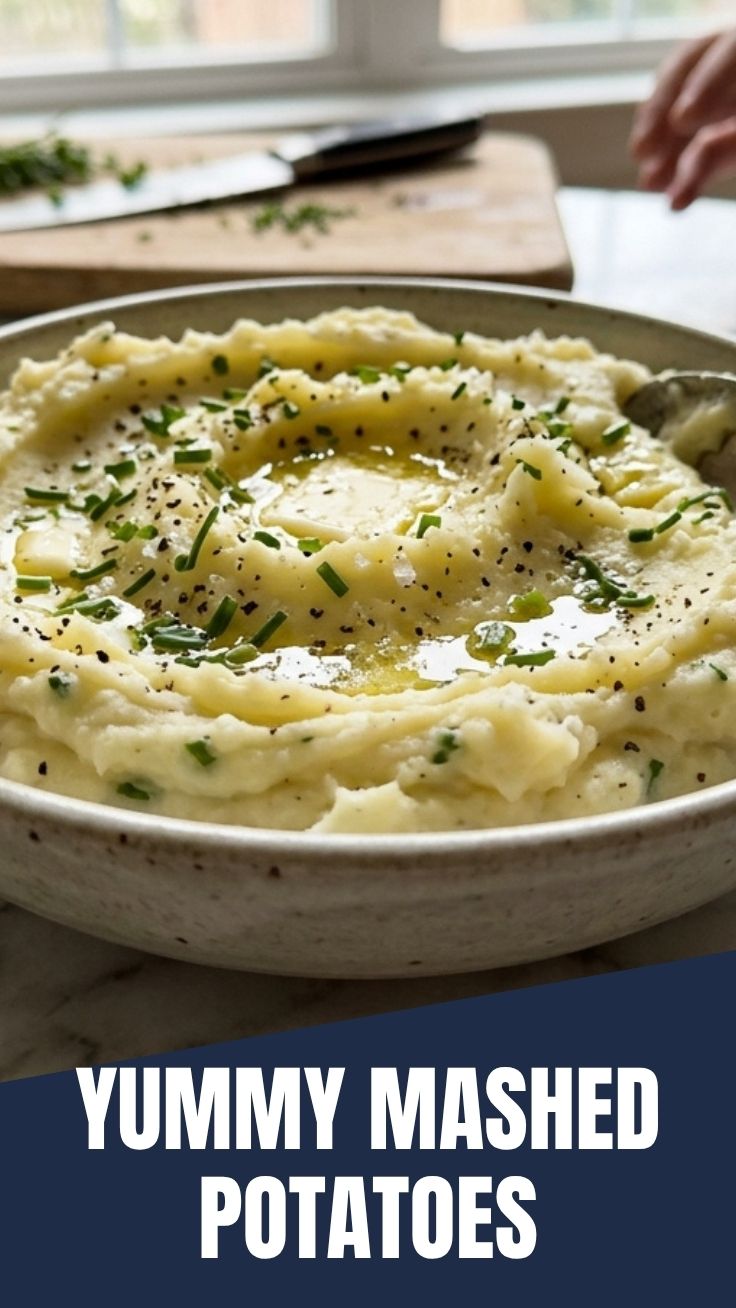
Quick way to grow 7 lbs of Mashed Potatoes
Ingredients
Equipment
Method
- Wash and peel the potatoes, then cut them into 1-inch cubes for quicker cooking.
- Place the potato cubes in a large pot and cover with cold water by about an inch; add a generous pinch of salt to the water.
- Bring the water to a boil, then reduce heat and simmer until potatoes are very tender, about 15-20 minutes.
- Drain the potatoes thoroughly in a colander, making sure to remove as much water as possible.
- Return the drained potatoes to the hot pot over low heat for a minute to dry them further.
- Add butter and milk to the pot, then mash the potatoes with a potato masher until smooth.
- Season with salt and pepper to taste, then stir until well combined and serve hot.