The Secret to Unforgettable Sides: Mastering Homemade Mashed Potatoes
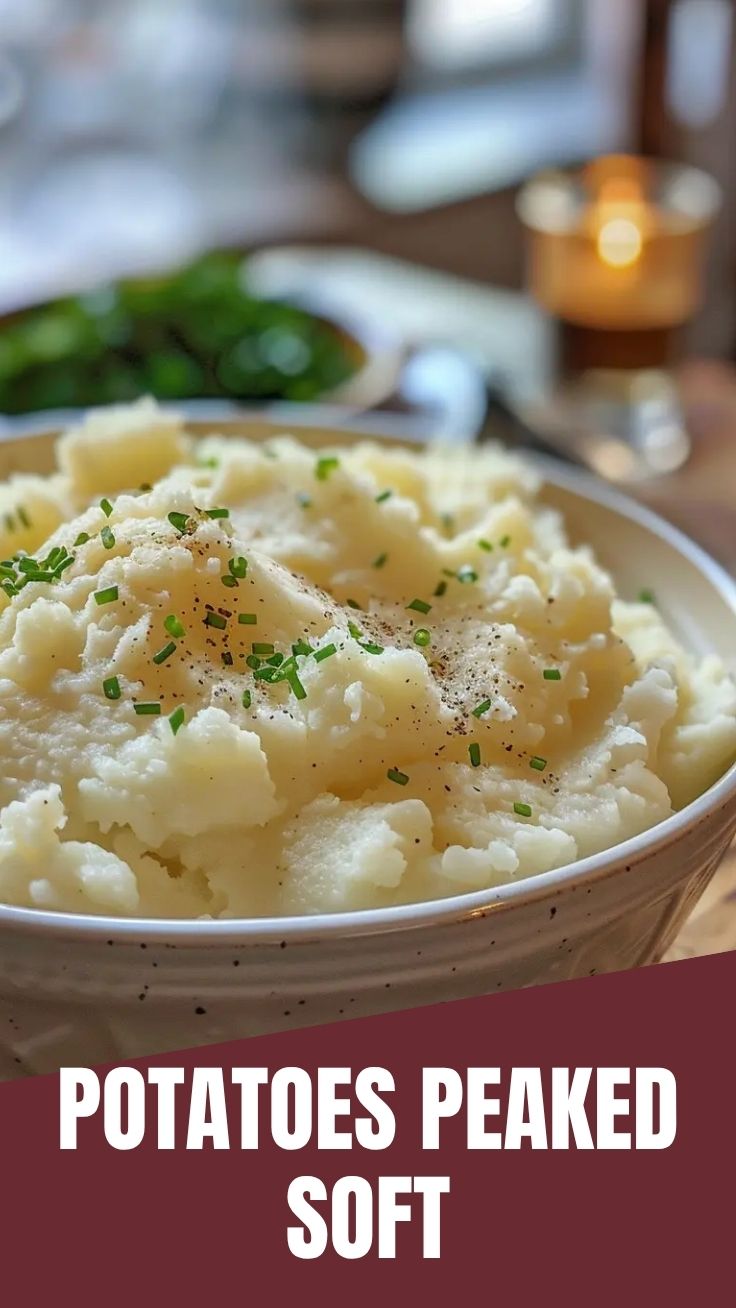
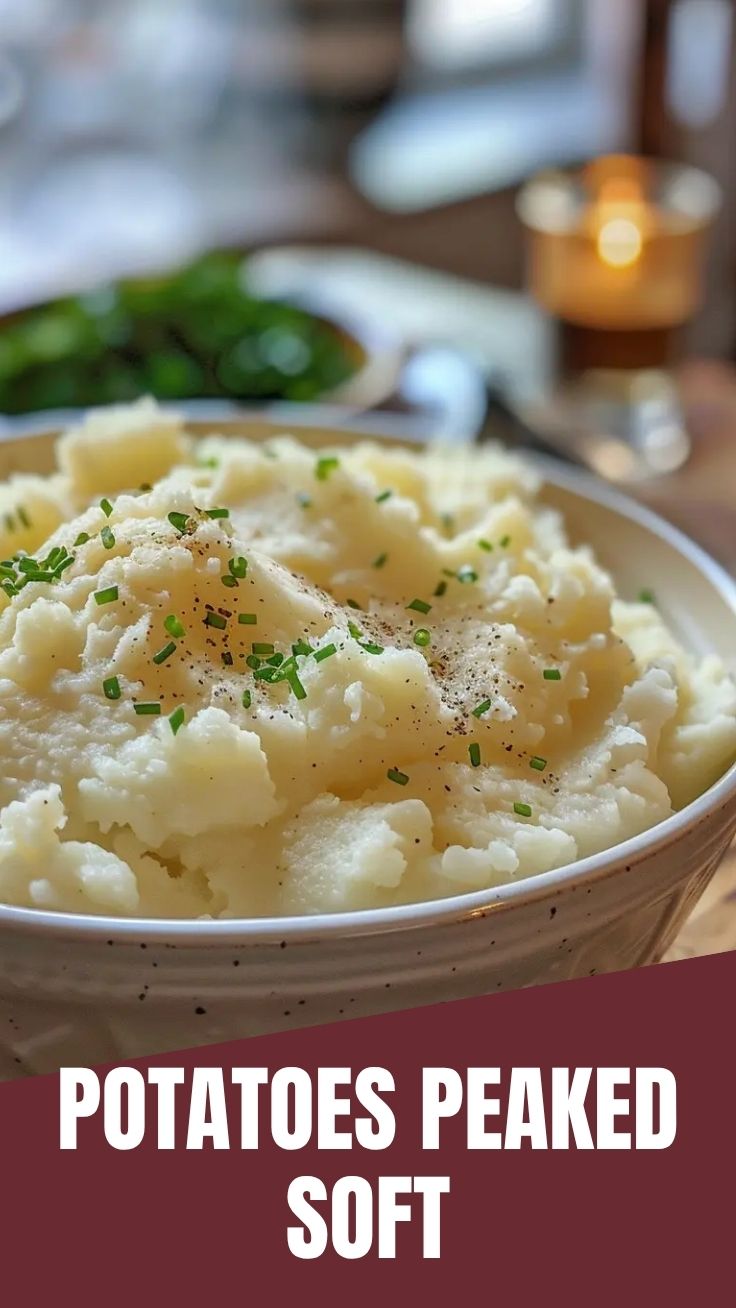
Ever wondered what makes a side dish truly steal the show? While the main course often gets all the glory, a perfectly prepared side can elevate an entire meal. Today, we’re diving deep into the art of creating the ultimate Mashed Potatoes – a classic comfort food that, when done right, is pure culinary magic. Forget the bland, lumpy versions you might be used to; preparing this incredible mashed potato recipe at home offers an unparalleled freshness and creaminess that store-bought or instant versions simply can’t match. It’s an opportunity to infuse every bite with love and flavor, transforming a humble spud into a dish worthy of any occasion.
Ingredients & Kitchen Tools
To embark on your journey to perfect, pillowy mashed potatoes, gather these essentials:
- 2 lbs Russet or Yukon Gold Potatoes: (5-6 medium potatoes) These varieties are high in starch, making them ideal for a fluffy, light texture. Avoid waxy potatoes, as they can become gummy.
- 1/2 cup Whole Milk or Half-and-Half: Warmed subtly enhances creaminess and is absorbed better by the hot potatoes.
- 1/2 cup Unsalted Butter: (1 stick) Cut into cubes. Good quality butter is non-negotiable for rich flavor.
- 1 tsp Garlic Powder (optional): Adds a subtle aromatic depth without the raw bite of fresh garlic.
- Salt & Freshly Ground Black Pepper: To taste. Season generously and adjust as you go.
- Pinch of Nutmeg (optional): A classic secret ingredient that surprisingly elevates savory dishes, adding warmth.
- Large Pot with Lid: For boiling the potatoes.
- Potato Masher or Ricer: A ricer yields the smoothest, lump-free texture; a masher offers a bit more rustic charm.
- Large Mixing Bowl: For combining all the ingredients.
- Measuring Cups & Spoons: For accurate ingredient quantities.
- Colander: For draining the cooked potatoes.
Prep Time & Cooking Schedule
- Prep Time: 15 minutes (peeling and dicing potatoes).
- Cook Time: 20-25 minutes (boiling potatoes).
- Mashing & Finishing Time: 5-7 minutes.
- Total Time: Approximately 40-47 minutes.
This recipe is designed to be a relatively quick addition to your meal prep, allowing you to focus on other dishes while the potatoes boil. Plan to start Boiling your potatoes about 30 minutes before your main dish is ready to ensure everything is hot and fresh simultaneously.
Step-by-Step Instructions
1. Prepare the Potatoes: Wash, peel, and cut the potatoes into roughly 1-inch cubes. Uniform size ensures even cooking.
2. Boil the Potatoes: Place the potato cubes in a large pot, cover with cold water by about an inch, and add a generous pinch of salt (this seasons them from the inside out!). Bring to a boil, then reduce heat and simmer until fork-tender, about 15-20 minutes.
3. Drain and Dry: Once tender, drain the potatoes thoroughly in a colander. For the fluffiest, non-watery Mashed Potatoes, return them to the hot, empty pot over low heat for 1-2 minutes, shaking occasionally. This helps evaporate any residual moisture.
4. Mash ‘Em Up: Remove from heat. Pass the potatoes through a ricer into your large mixing bowl, or use a potato masher until smooth (but not over-mashed, which can make them gluey).
5. Add Dairy & Flavor: Immediately add the cubed butter, warmed milk or half-and-half, garlic powder (if using), and nutmeg (if using) to the hot potatoes. Stir gently to combine until the butter is melted and everything is incorporated.
6. Season to Perfection: Taste and season generously with salt and freshly ground black pepper. Adjust seasonings as needed to achieve your desired flavor profile. Mastering this mashed potato recipe comes down to getting the seasoning spot on.
7. Serve Hot: Transfer to a serving bowl and enjoy immediately!
Nutritional Benefits & Advantages
Potatoes, particularly when prepared simply like this, offer a good source of Vitamin C, Vitamin B6, potassium, and dietary fiber (especially if you opt for leaving some skin on, though that will change the texture). Making them at home allows you to control the quality of ingredients, reduce sodium content compared to processed versions, and avoid unwanted additives. The natural creaminess satisfies without excessive amounts of unhealthy fats.
Tips, Variations & Cooking Advice
- Flavor Boosts: Stir in fresh chives, roasted garlic, grated Parmesan cheese, or a dollop of sour cream or cream cheese for extra richness and tang.
- Dairy-Free: Swap butter for a high-quality olive oil or vegan butter, and milk for unsweetened almond or oat milk.
- Lighter Version: Use skim milk or chicken/vegetable broth instead of full-fat dairy.
- Texture Control: For ultra-creamy, pass through a fine-mesh sieve after ricing. For a more rustic, slightly lumpy texture, use a hand masher.
- Make-Ahead Option: See storage tips below!
Common Mistakes to Avoid
- Over-Mashing: This breaks down the starch too much, leading to a gluey, unappetizing consistency. Mash only until smooth.
- Adding Cold Dairy: Cold milk or butter can cool down the potatoes too quickly and make them harder to incorporate smoothly. Warm your liquids first.
- Not Salting the Water: Potatoes absorb salt during boiling, which profoundly impacts their flavor.
- Using Waxy Potatoes: Varieties like red bliss or new potatoes are better for salads or roasting, not mashing, due to their lower starch content.
Storage & Meal Prep Tips
Leftover mashed potatoes can be stored in an airtight container in the refrigerator for up to 3-4 days. To reheat, gently warm them in a saucepan over low heat, stirring frequently, adding a splash of milk or cream to restore creaminess. You can also microwave them in short bursts, stirring between each. Freezing is possible, but they may lose some of their smooth texture upon thawing.
Conclusion
Mastering the art of perfect Mashed Potatoes is a kitchen skill that will serve you well for countless meals and gatherings. This simple yet profound mashed potato recipe elevates a humble vegetable into a luxurious, comforting side dish that perfectly complements nearly any main course. We encourage you to try this recipe, experiment with your favorite flavor additions, and discover the joy of homemade goodness. Share your creations in the comments below – we’d love to hear how you make yours!
FAQs
Q1: Can I make mashed potatoes ahead of time?
A1: Yes, you can prepare them a few hours in advance. Reheat gently on the stovetop or in the microwave, adding a bit more warmed milk or butter to revitalize their texture and creaminess.
Q2: What’s the best type of potato for mashing?
A2: Starchy potatoes like Russet or Yukon Gold are ideal. Their high starch content makes them fluffy and absorbent, perfect for mashing.
Q3: How do I avoid lumpy mashed potatoes?
A3: Use a potato ricer for the smoothest results. If using a masher, ensure the potatoes are thoroughly cooked and try to mash them while they are still very hot.
Q4: My mashed potatoes turned out gummy. What went wrong?
A4: Gummy mashed potatoes are usually a sign of over-mashing. Overworking the potatoes breaks down their starch cells too much, releasing excess starch and leading to a gluey texture. Mash gently until just combined.
Q5: Can I use different liquids instead of milk for creaminess?
A5: Absolutely! Chicken broth, vegetable broth, heavy cream, or even a combination can be used to add different flavor nuances and textures. Experiment to find your favorite!
Best way to grow Incredible Mashed Potatoes
Ingredients
Equipment
Method
- Before planting, choose healthy seed potatoes, cut larger ones into pieces with at least two eyes each, and let them cure for a day or two until a skin forms over the cut surfaces to prevent rot.
- Select a sunny spot, prepare loose, well-draining soil with added compost, and plant potato pieces eye-side up about 4-6 inches deep and 1 foot apart in rows, with 2-3 feet between rows.
- Once plants are 6-8 inches tall, begin "hilling" by mounding soil around the base of the plant, repeating this process as they grow, ensuring new tubers are covered to prevent greening and provide support.
- Maintain consistent moisture, especially during flowering, and apply mulch around the plants to retain soil moisture and suppress weeds.
- Harvest after the foliage has died back, about 2-3 weeks after the leaves turn yellow, by carefully digging up the potatoes.