The Ultimate Guide to Making Perfect Oatmeal at Home
Have you ever wondered why your morning bowl of oatmeal sometimes turns out bland, gluey, or lifeless, while the café version tastes like a warm hug in a bowl? The secret lies not just in the ingredients, but in the technique. Preparing oatmeal at home gives you total control over texture, sweetness, and nutrition—for a fraction of the cost. Whether you’re a busy parent, a fitness enthusiast, or someone simply craving comfort food, mastering this humble grain is a life skill worth investing in. In this guide, we’ll explore everything from choosing the right grains to troubleshooting common pitfalls, so you can enjoy a perfect bowl every time.
When you think of oatmeal, you might picture the classic rolled oats you grew up with. But did you know that using steel-cut oats can completely transform your breakfast experience? Let’s dive in.
Ingredients & Kitchen Tools
– Rolled oats (old-fashioned) – 1 cup. These provide a balanced texture; not too mushy, not too chewy.
– Steel-cut oats – ½ cup (optional). For a nuttier, chewier texture; combine with rolled oats for variety.
– Water or milk – 2 cups liquid per 1 cup oats. Use water for a neutral base, milk (dairy or plant-based) for creaminess.
– Salt – ¼ teaspoon. Enhances flavor without making it salty.
– Sweetener – 1–2 tablespoons maple syrup, honey, or brown sugar.
– Toppings – Fresh berries, bananas, nuts, seeds, cinnamon, or a pat of butter.
– Optional substitutions – Gluten-free certified oats, coconut milk, or almond milk for dairy-free versions.
Tools needed: Medium saucepan, wooden spoon, measuring cups, cutting board, knife, serving bowls.
Prep Time & Cooking Schedule
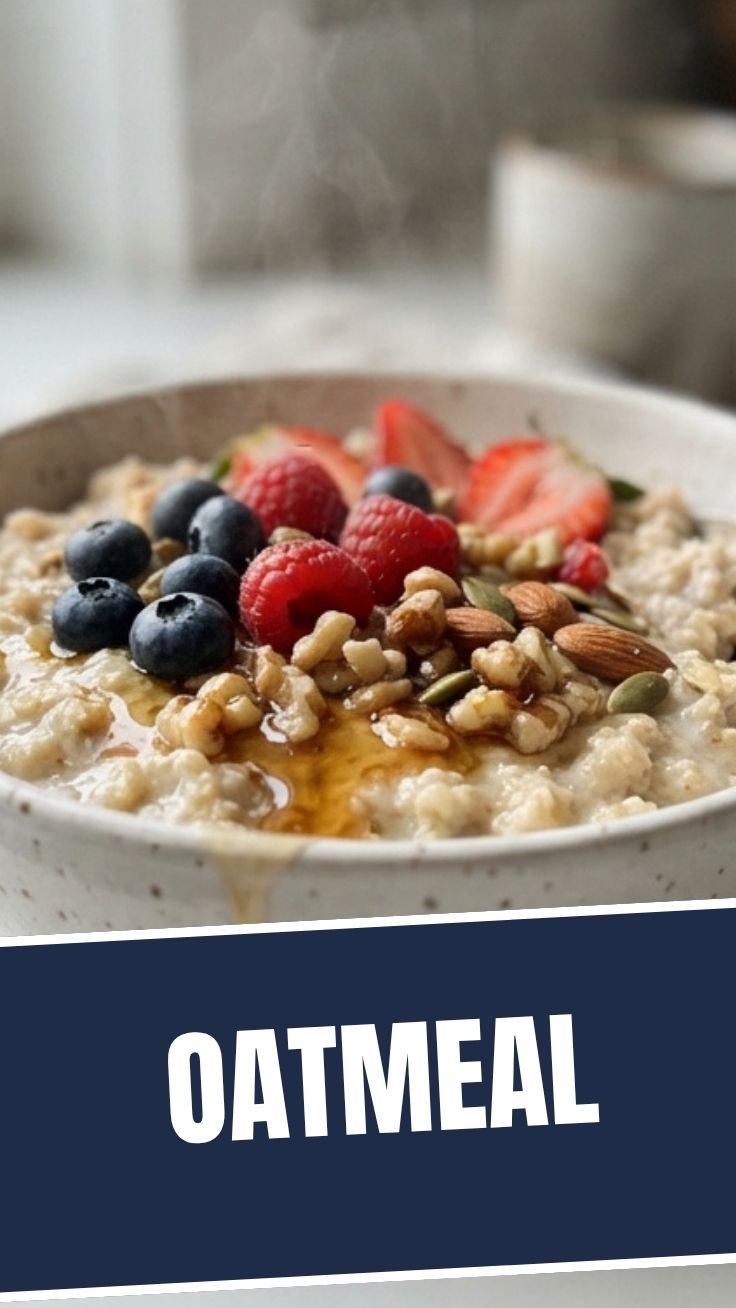
– Prep time: 5 minutes (gather ingredients, chop fruit).
– Cook time: 5–10 minutes for rolled oats; 20–30 minutes for steel-cut oats.
– Resting time: 1–2 minutes after cooking to thicken.
– Total time: About 15–35 minutes depending on oat type.
Plan ahead: If using steel-cut oats, soak them overnight in water to reduce cooking time to 10 minutes.
Step-by-Step Instructions
1. Bring the liquid to a boil. In a medium saucepan, combine 2 cups water (or milk) and ¼ teaspoon salt. Bring to a rolling boil over medium-high heat.
2. Add the oats. Stir in 1 cup rolled oats (or a mix of rolled and steel-cut oats). Reduce heat immediately to low.
3. Simmer gently. Cook uncovered, stirring occasionally, for 5–7 minutes (rolled oats) or 20–25 minutes (steel-cut). The mixture should be thick but still creamy.
4. Check for doneness. The oatmeal should hold its shape but not be dry. For oatmeal purists, a slight bite is ideal.
5. Remove from heat. Let it rest for 1–2 minutes. During this time, the starches settle and the texture becomes creamy.
6. Add sweetener and toppings. Stir in 1 tablespoon maple syrup, then top with fresh berries, sliced banana, and a sprinkle of cinnamon.
Tip: For extra flavor, toast the oats in a dry pan for 2 minutes before adding liquid.
Nutritional Benefits & Advantages
Oatmeal is a powerhouse of nutrition. It’s rich in soluble fiber (beta-glucan), which helps lower cholesterol and stabilize blood sugar. A single serving provides about 4 grams of fiber, plus iron, magnesium, and B vitamins. Steel-cut oats offer a lower glycemic index than instant oats, keeping you fuller longer. The combination of complex carbs and protein (around 5 grams per cup) makes it an ideal breakfast for sustained energy. Plus, it’s naturally gluten-free (choose certified oats if sensitive) and can be easily adapted to vegan or dairy-free diets.
Tips Variations & Cooking Advice
– Flavor variations: Add a pinch of cardamom or nutmeg, swap water for coconut milk, or stir in a spoonful of peanut butter.
– Ingredient swaps: Use quinoa flakes or buckwheat groats for a different grain base.
– Cooking method: Try slow-cooker oatmeal (low for 6–8 hours) or baked oatmeal (375°F for 25 minutes).
– Portion changes: For a larger batch, double the recipe and refrigerate leftovers.
– Dietary adaptations: Replace milk with oat milk, and use agave or stevia as sweetener.
Common Mistakes to Avoid
– Overcooking: This leads to a gluey, pasty texture. Always cook on low heat and stir only occasionally.
– Underseasoning: Oatmeal without salt tastes flat. Even a small pinch makes a difference.
– Using too much liquid: Follow the 2:1 ratio strictly. For steel-cut oats, increase to 3:1.
– Skipping the rest time: Letting it sit off the heat allows the oats to absorb remaining liquid and become creamy.
Storage & Meal Prep Tips
– Refrigeration: Store cooked oatmeal in an airtight container for up to 5 days.
– Freezing: Portion into muffin tins, freeze, then transfer to a freezer bag. Keeps for 3 months.
– Reheating: Add a splash of milk or water and microwave in 30-second bursts, stirring between. Or reheat on the stovetop over low heat.
– Meal prep: Prepare a large batch on Sunday—reheat daily with fresh toppings for a quick breakfast.
Conclusion
Making perfect oatmeal at home is easier than you think, once you understand the right ratios, heat levels, and resting time. Whether you prefer the classic comfort of oatmeal or the hearty chew of steel-cut oats, this guide equips you with the knowledge to create a bowl that’s satisfying, nutritious, and endlessly customizable. Try it tomorrow morning, and don’t forget to share your favorite topping combination in the comments.
FAQs
1. Can I use instant oats instead of rolled oats?
Yes, but reduce cooking time to 1–2 minutes and use less liquid (1:1 ratio). The texture will be softer.
2. Why does my steel-cut oatmeal turn out crunchy?
You may need to cook longer (up to 30 minutes) or soak the oats overnight. Ensure the liquid is boiling before adding oats.
3. How can I make oatmeal creamy without dairy?
Use a plant-based milk like oat or almond milk, and stir in a tablespoon of chia seeds or mashed banana for creaminess.
4. Can I make oatmeal in a microwave?
Yes. Combine ½ cup oats and 1 cup water in a microwave-safe bowl. Microwave on high for 2–3 minutes, stir, then let rest 1 minute.
5. Is oatmeal gluten-free?
Oats are naturally gluten-free, but may be cross-contaminated. Choose certified gluten-free oats if you have celiac disease.
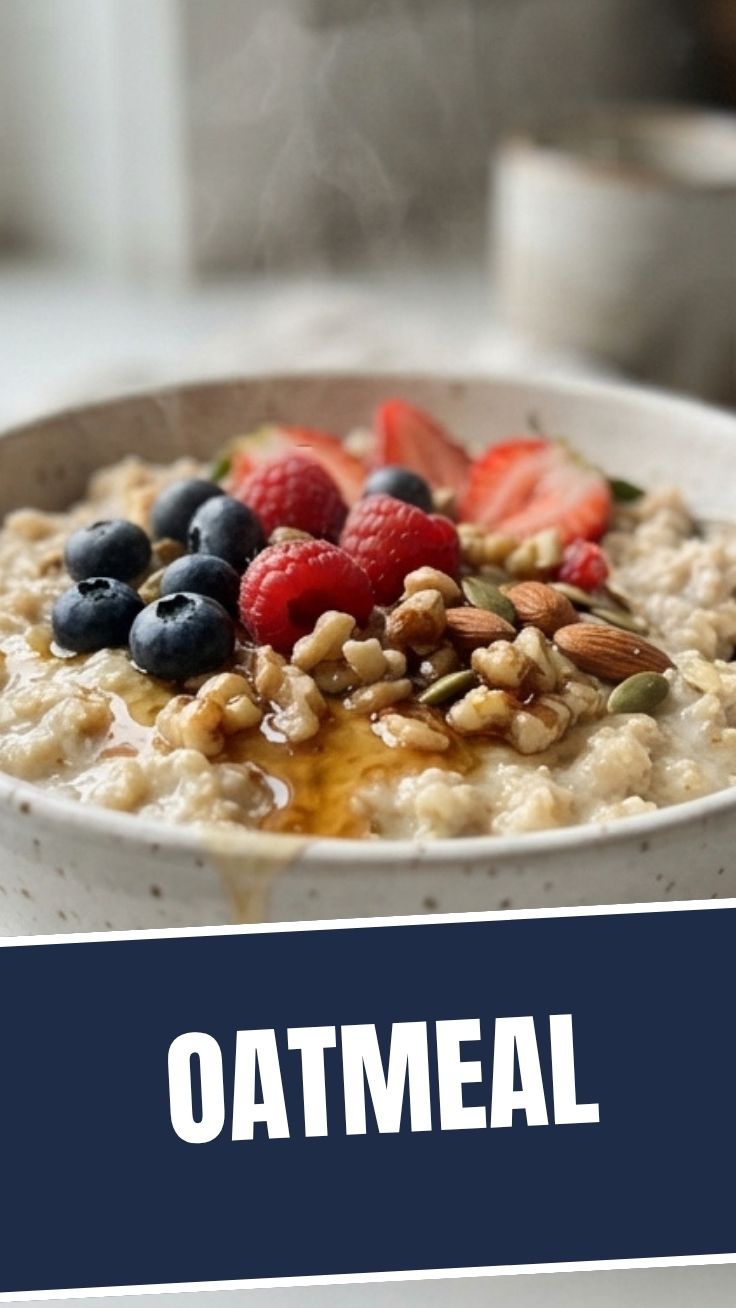
Best way to grow oatmeal sprouts in just 7 days
Ingredients
Equipment
Method
- Rinse the oat groats thoroughly under cool running water, then place them in a clean glass jar.
- Cover the groats with about 2-3 inches of water, secure the lid with a sprouting screen or cheesecloth, and let them soak for 8-12 hours at room temperature.
- Drain the water completely, rinse the groats thoroughly with fresh cool water, and then drain again, ensuring no standing water remains.
- Invert the jar and prop it at an angle to allow air circulation and continued draining, repeating the rinsing and draining process every 8-12 hours for 5-7 days until sprouts are 1/2 to 1 inch long.
- Once the sprouts reach the desired length, give them a final rinse and drain, then store them in an airtight container in the refrigerator for up to a week.