The Ultimate Guide to Making a Fresh and Flavorful Poke Bowl at Home
Have you ever craved that vibrant, fresh, and protein-packed meal that feels like a tropical vacation in a bowl but hesitated because you thought it was too complicated to make at home? The truth is that crafting your own Poke Bowl is not only simpler than you think but also allows you to customize every ingredient to your liking. Whether you are a seafood lover or exploring plant-based alternatives, preparing this dish from scratch ensures you get the freshest flavors without the hefty restaurant price tag. In this guide, we will walk you through everything from selecting the perfect fish to assembling a stunning bowl that rivals any Hawaiian joint. Let’s dive into the world of poke bowl preparation and discover the authentic taste of Hawaiian Poke right in your own kitchen.
—
Ingredients & Kitchen Tools
To create a restaurant-quality bowl, you need fresh ingredients and the right tools. Here’s your checklist:
Ingredients
– Sushi-grade salmon or tuna (1 lb): The star of the dish. Look for bright color and no fishy smell. For a vegetarian option, use marinated tofu.
– Soy sauce (¼ cup): Tamari for gluten-free or coconut aminos for a lower-sodium alternative.
– Sesame oil (2 tbsp): Adds nutty depth. Toasted sesame oil works best.
– Rice vinegar (1 tbsp): Balances the saltiness. Unseasoned variety is ideal.
– Green onions (3, sliced): For mild onion flavor and crunch.
– Sesame seeds (1 tbsp): Toasted black or white seeds add visual appeal.
– Cooked sushi rice (2 cups): Short-grain Japanese rice for authentic texture. Cauliflower rice for low-carb.
– Avocado (1 large): Creamy contrast. Use ripe but firm fruit.
– Cucumber (½, sliced): Refreshing crunch. English cucumber has thin skin.
– Edamame (½ cup, shelled): Protein boost. Use frozen and thawed.
– Seaweed salad (½ cup): Umami punch. Available at Asian markets or online.
– Optional toppings: Mango chunks, pickled ginger, furikake, or sriracha mayo.
Kitchen Tools
– Sharp chef’s knife (for clean fish cuts)
– Cutting board (dedicated for raw fish)
– Mixing bowls (one small for marinade, one large for serving)
– Wooden spoon or spatula
– Measuring spoons
– Rice cooker or pot (for sushi rice)
—
Prep Time & Cooking Schedule
– Prep Time: 25 minutes
– Cook Time: 20 minutes (for rice) – no cooking required for fish if using raw
– Resting/Marinating Time: 10 minutes
Schedule Tip: Cook the rice first and let it cool slightly while you chop the vegetables. This keeps it from getting mushy when mixed. Preparing this dish works perfectly for a quick weeknight dinner or a show-stopping weekend lunch.
—
Step-by-Step Instructions
1. Prepare the Rice: Rinse 1 cup of sushi rice under cold water until the water runs clear. Cook according to your rice cooker instructions or on the stovetop with 1¼ cups of water. Once done, let it rest for 10 minutes, then season with 1 tbsp rice vinegar, 1 tsp sugar, and ½ tsp salt. Fluff with a fork and set aside.
2. Marinate the Fish: Cut the sushi-grade salmon or tuna into ½-inch cubes. In a small bowl, mix ¼ cup soy sauce, 2 tbsp sesame oil, and 1 tbsp rice vinegar. Gently fold the fish into the marinade, ensuring all pieces are coated. Let it sit for 5–10 minutes at room temperature. Pro tip: For a spicy kick, add 1 tsp sriracha or a dash of chili flakes.
3. Prep the Vegetables: While the fish marinates, slice the avocado, cucumber, and green onions. Rinse the edamame and seaweed salad under cold water. Temperature control: Keep all cold ingredients chilled until assembly to maintain freshness.
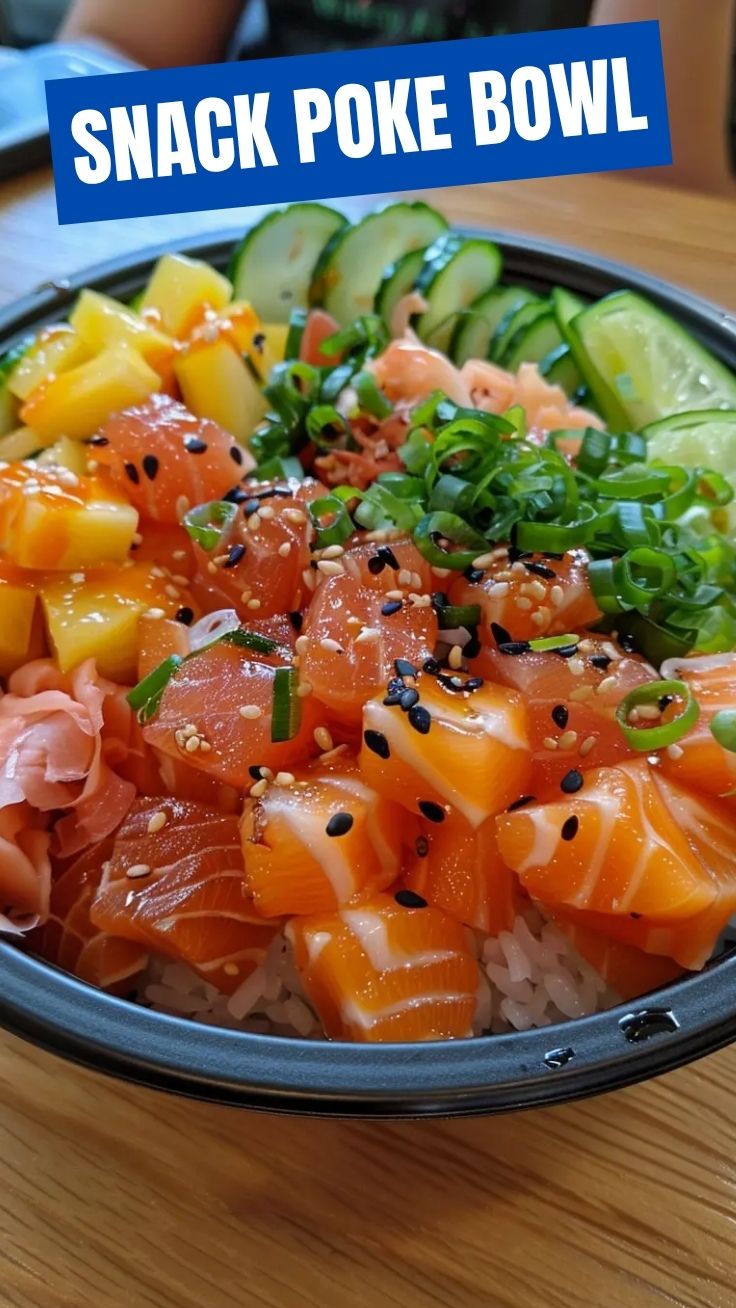
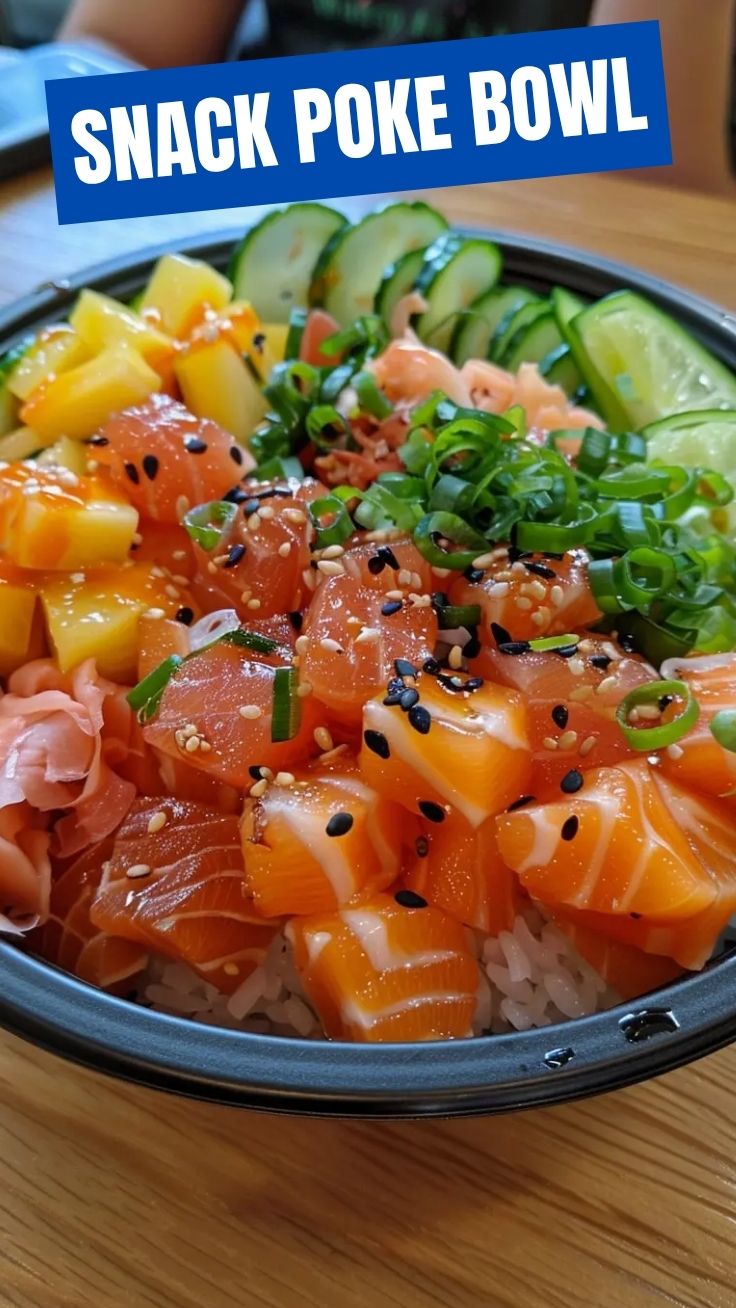
4. Assemble Your Bowl: Start with a base of seasoned rice (about 1 cup per serving). Arrange the marinated fish in the center, then artfully place avocado slices, cucumber, edamame, and seaweed salad around it. Garnish with sesame seeds and green onions.
At this stage, you’ve mastered the art of a classic poke bowl that captures the essence of Hawaiian Poke—where each bite is a balance of savory, umami, and fresh flavors.
—
Nutritional Benefits & Advantages
This dish is a nutritional powerhouse. The sushi-grade fish offers high-quality protein and omega-3 fatty acids, which support heart and brain health. Avocado provides healthy monounsaturated fats and fiber, while cucumber and edamame add vitamins C and K. The seaweed salad is rich in iodine and antioxidants. A standard serving contains roughly 450–550 calories with 30g protein, 25g fat, and 45g carbs, making it a balanced meal option for lunch or dinner.
—
Tips, Variations & Cooking Advice
– Flavor Variations: Substitute soy sauce with ponzu for citrus notes. Add diced mango for sweetness or masago for roe texture.
– Ingredient Swaps: Use cooked shrimp or grilled chicken for a non-raw version. For a vegan bowl, replace fish with marinated watermelon or jackfruit.
– Dietary Adaptations: Gluten-free: Use tamari or coconut aminos. Dairy-free: Naturally already suitable. Adjust portion sizes for low-carb by using cauliflower rice.
– Portion Changes: Double the recipe for meal prep or scale down for a light appetizer.
—
Common Mistakes to Avoid
– Over-marinating the fish: More than 15 minutes can break down the texture and make it mushy. Stick to 5–10 minutes.
– Using warm rice: Warm rice will wilt the vegetables and avocado, leading to a soggy bowl. Always let it cool to room temperature.
– Cutting fish unevenly: Inconsistent cubes lead to uneven marination. Aim for ½-inch pieces for optimal taste.
– Skipping the crisp toppings: Dry toppings like furikake or sesame seeds add crucial texture. Don’t ignore them.
—
Storage & Meal Prep Tips
Store leftover components separately to maintain freshness:
– Fish: Refrigerate the marinated fish in an airtight container for up to 24 hours. Do not freeze if using raw fish.
– Rice: Keep at room temperature for up to 2 hours, then refrigerate for 3–4 days. Reheat with a damp paper towel in the microwave.
– Vegetables: Slice avocado fresh; prep cucumber and edamame in advance. Store in containers with airtight seals.
– Reheating: Avoid microwaving assembled bowls. Warm the rice separately and add cold toppings.
—
Conclusion
Now you have all the tools to transform simple ingredients into a vibrant and satisfying meal that celebrates fresh flavors. Mastering this poke bowl recipe at home not only saves money but also lets you explore the authentic taste of Hawaiian Poke without leaving your kitchen. Whether you stick to the classic version or experiment with creative variations, every bowl is a canvas for your culinary imagination. We encourage you to share your creation on social media or tag us with your results. Happy cooking!
—
FAQs
1. Can I use frozen fish for poke?
Yes, but ensure it is labeled as “sushi-grade” and thaw it properly in the refrigerator overnight. Never thaw at room temperature.
2. How long can I marinate the fish?
No more than 15 minutes. After that, the acid in the soy sauce and vinegar will start to “cook” the fish, altering its texture.
3. What can I use instead of sushi rice?
Cauliflower rice, quinoa, or brown rice are excellent low-carb alternatives. Cook them until tender but not mushy.
4. How do I know if my fish is fresh?
Look for translucent, bright flesh with no brown spots or strong fishy odor. It should feel firm to the touch.
5. Can I make this dish gluten-free?
Absolutely. Replace soy sauce with tamari or coconut aminos. Check that your furikake or seaweed salad is certified gluten-free.
Quick way to grow a 5-Star Poke Bowl Garden
Ingredients
Equipment
Method
- Select a sunny location for your garden bed or containers, ensuring at least 6-8 hours of direct sunlight daily.
- Plan your layout by choosing your preferred poke bowl ingredients and researching their ideal growing conditions and space requirements.
- Prepare your garden bed or fill containers with a rich blend of potting soil and compost, ensuring good drainage and aeration.
- Carefully plant your selected seeds or seedlings according to their specific depth and spacing recommendations, then gently water them in.
- Water regularly to keep the soil consistently moist but not waterlogged, especially during dry periods and for young plants.
- Feed your plants with organic liquid fertilizer every 2-4 weeks to promote healthy growth, and apply a layer of mulch to retain moisture and suppress weeds.
- Regularly check for pests and diseases, addressing any issues promptly with organic solutions to maintain plant health.
- Once your ingredients reach maturity, harvest them fresh as needed, picking leafy greens from the outside and allowing other plants like radishes or cucumbers to fully develop.
- Assemble your freshly harvested ingredients into delicious, personalized poke bowls, enjoying the fruit of your labor.