Why You’ll Never Buy Store-Bought Salsa Again
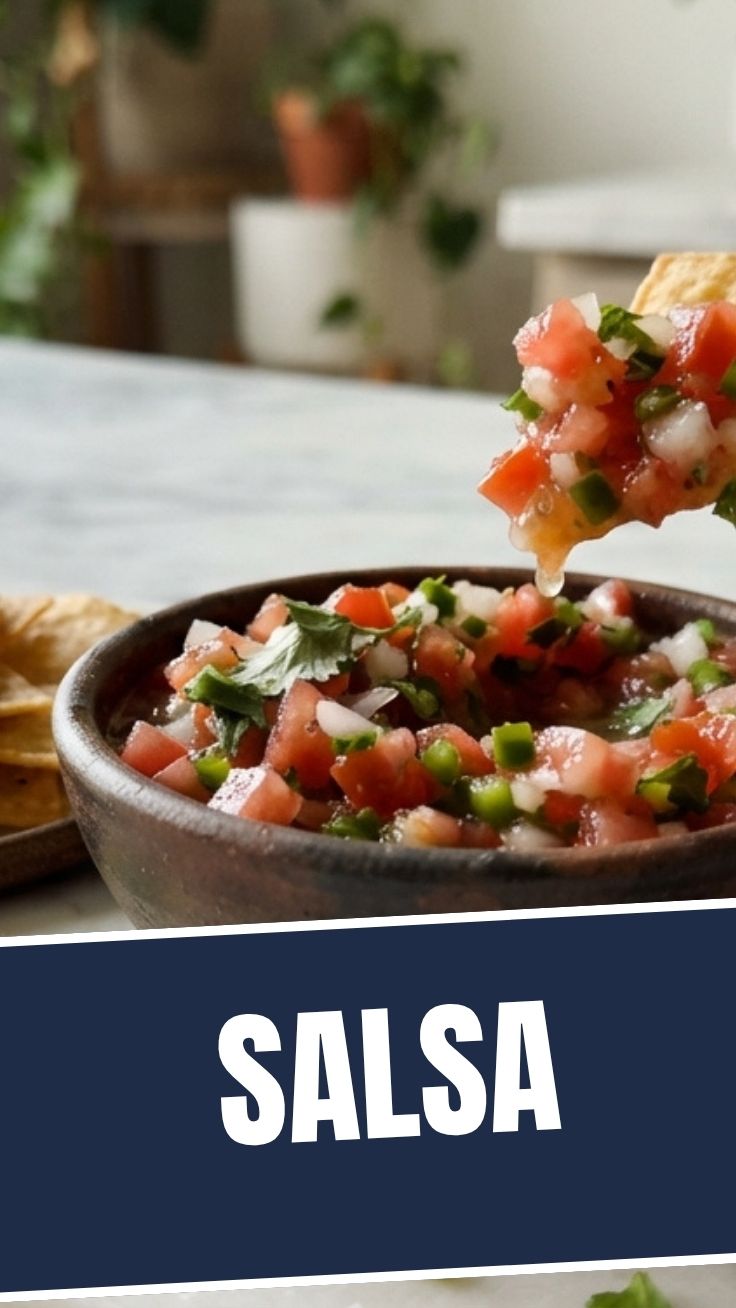
Have you ever wondered why restaurant salsa tastes so much fresher and more vibrant than anything you can buy in a jar? The secret isn’t complicated techniques or hard-to-find ingredients—it’s about understanding how simple, fresh components come together in perfect harmony. Making your own Salsa at home transforms an ordinary condiment into a celebration of flavor, and it’s surprisingly easier than you think. This homemade version saves you money, eliminates preservatives, and lets you customize the heat level exactly to your preference. Plus, it’s so quick to prepare that you can whip up a batch while the tortilla chips are still warm. Learning to make fresh salsa isn’t just about following a recipe—it’s about gaining confidence in the kitchen and understanding how to balance acidity, heat, and freshness. In this guide, you’ll discover exactly how to create a restaurant-quality Salsa dance of flavors in your own kitchen.
Ingredients & Kitchen Tools
| Ingredient | Quantity | Notes & Substitutions |
|————|———-|———————-|
| Roma tomatoes | 6 medium | Firmer texture; use vine-ripened if unavailable |
| White onion | ½ medium | Red onion adds sweeter flavor |
| Fresh cilantro | ½ cup packed | Essential for authentic taste; omit if you have aversion |
| Jalapeño pepper | 1-2 | Remove seeds for milder heat; serrano for spicier |
| Fresh lime juice | 2 tablespoons | Bottled works, but fresh is superior |
| Garlic clove | 1 large | Roasted garlic adds deeper flavor |
| Salt | ½ teaspoon | Sea salt preferred; adjust to taste |
| Optional: cumin | ¼ teaspoon | Adds warmth and earthiness |
Kitchen Tools: Sharp chef’s knife, cutting board, large mixing bowl, food processor (or molcajete for traditional texture), citrus juicer, measuring spoons, rubber spatula.
Prep Time & Cooking Schedule
– Prep Time: 15 minutes
– Resting Time: 20 minutes (essential for flavor melding)
– Total Time: 35 minutes
This recipe requires zero cooking—it’s all about proper chopping and timing. The resting period is non-negotiable; it allows the flavors to marry and the salt to draw out the tomatoes’ natural juices, creating the perfect consistency. Plan to let your salsa sit at room temperature while you prepare other dishes, or refrigerate it for up to 30 minutes before serving if you prefer it chilled.
Step-by-Step Instructions
1. Prepare the tomatoes: Cut each Roma tomato in half horizontally. Gently squeeze out the seeds and jelly-like centers over a bowl. This prevents watery salsa. Dice the flesh into ¼-inch cubes.
2. Fine dice the onion: Chop the onion into uniform ⅛-inch pieces. Rinse under cold water in a fine-mesh strainer to remove harsh sulfur compounds—this step dramatically improves the final flavor of your Salsa.
3. Handle the chiles: Slice jalapeños lengthwise. For mild salsa, remove the white membranes and seeds completely. For medium heat, leave half the seeds. For fiery Salsa dance with extra kick, include all seeds and membranes. Mince finely.
4. Chop the cilantro: Use only the leaves and tender upper stems. Gather into a tight bundle and slice thinly, then chop crosswise. Avoid bruising the leaves by using a very sharp knife.
5. Combine ingredients: In a large bowl, mix diced tomatoes, onion, jalapeño, cilantro, and minced garlic. Add fresh lime juice and salt. Stir gently until evenly distributed.
6. Rest the salsa: Let the mixture sit at room temperature for 20 minutes. Taste and adjust seasoning—add more lime for brightness, salt to enhance flavors, or additional jalapeño for heat. Use immediately or refrigerate.
Temperature cue: If tomatoes are not at room temperature, the salsa will taste flat. Let them sit out for 30 minutes before starting.
Nutritional Benefits & Advantages
This homemade salsa delivers exceptional nutritional value with minimal calories. Each serving contains approximately 20 calories, rich in vitamin C from tomatoes and lime juice, plus antioxidants like lycopene. The jalapeños add capsaicin, which may boost metabolism and reduce inflammation. Cilantro provides vitamin K and acts as a natural detoxifier. Unlike store-bought versions, this recipe contains no added sugars, preservatives, or artificial thickeners—making it suitable for whole30, paleo, and vegan diets.
Tips Variations & Cooking Advice
Flavor variations:
– Smoky: Broil tomatoes, onion, and jalapeño for 8-10 minutes until charred before dicing
– Fruity: Add ½ cup diced mango or pineapple for sweet contrast
– Creamy: Stir in ½ diced avocado just before serving
Ingredient swaps: Replace Roma tomatoes with cherry tomatoes for sweeter flavor; use red bell pepper for mild salsa; substitute apple cider vinegar for lime juice in a pinch.
Dietary adaptations: This recipe is naturally gluten-free, dairy-free, and vegan. For low-FODMAP diet, omit garlic and use garlic-infused oil.
Common Mistakes to Avoid
| Mistake | Solution |
|———|———-|
| Watery salsa | Always remove tomato seeds and jelly before dicing |
| Bitter onion taste | Rinse diced onion under cold water before adding |
| Flat flavor | Always let salsa rest 20 minutes before serving |
| Mushy texture | Use Roma tomatoes for firmness; avoid overly ripe fruit |
| Too spicy | Remove all seeds and membranes; include a pinch of sugar |
Storage & Meal Prep Tips
Store fresh salsa in an airtight glass container in the refrigerator for up to 5 days. The flavor actually improves after 24 hours as ingredients meld. Do not freeze—the texture becomes mushy upon thawing. For meal prep, chop vegetables separately and combine with lime juice and salt just before serving. To refresh leftover salsa, add a squeeze of fresh lime and a pinch of salt. Reheating is not recommended; serve cold or at room temperature.
Conclusion
Making fresh Salsa at home transforms your meals from ordinary to extraordinary with minimal effort. This simple recipe proves that amazing flavor doesn’t require complicated techniques—just quality ingredients and proper technique. The balance of acidity, heat, and freshness creates a Salsa dance on your taste buds that no jarred version can match. Whether you serve it with chips, on tacos, or over grilled fish, this versatile condiment will become a staple in your kitchen. Give it a try this weekend and taste the difference homemade makes—share your results in the comments below!
FAQs
Can I make this salsa ahead of time?
Yes! Make it up to 24 hours in advance. The flavors deepen overnight, but consume within 5 days for best quality.
How do I reduce heat without losing flavor?
Remove all seeds and membranes from jalapeños. Add ½ teaspoon sugar or a diced cucumber to balance spice.
Can I use canned tomatoes instead?
Fresh Roma tomatoes are best. If substituting, use fire-roasted canned tomatoes for better flavor.
Why is my salsa watery the next day?
Tomatoes release liquid over time. Stir well before serving, or drain excess liquid and adjust seasoning.
What’s the best way to chop cilantro without it sticking?
Use a very sharp knife and ensure the leaves are completely dry before chopping. A quick rinse and thorough drying with paper towels makes all the difference.
Best way to grow Salsa with 8 secret tipsSalsa
Ingredients
Equipment
Method
- Choose a sunny spot in your garden or select large pots for your salsa ingredients, ensuring at least 6-8 hours of direct sunlight daily for optimal growth.
- Prepare your soil by enriching it with compost and a balanced organic fertilizer, aiming for well-draining, nutrient-rich conditions.
- Plant your tomato, pepper, onion, and garlic starts or seeds according to package directions, spacing them adequately to allow for growth and air circulation.
- Sow cilantro seeds in a cooler, partially shaded area, as cilantro tends to bolt in hot conditions.
- Water your plants regularly, keeping the soil consistently moist but not waterlogged, and consider mulching to retain moisture and suppress weeds.
- Provide support for tomatoes and peppers with stakes or cages to encourage upright growth and prevent disease.
- Monitor your plants for pests and diseases, addressing any issues promptly with organic solutions when possible.
- Fertilize your plants every few weeks with a balanced organic fertilizer to ensure they receive adequate nutrients throughout their growing cycle.
- Harvest tomatoes when they are fully ripe and firm, and pick peppers when they reach their desired size and color.
- Pull onions when their tops begin to yellow and fall over, and harvest cilantro by snipping outer leaves as needed.
- Gather your freshly grown ingredients to create your homemade salsa, enjoying the fruits of your labor.