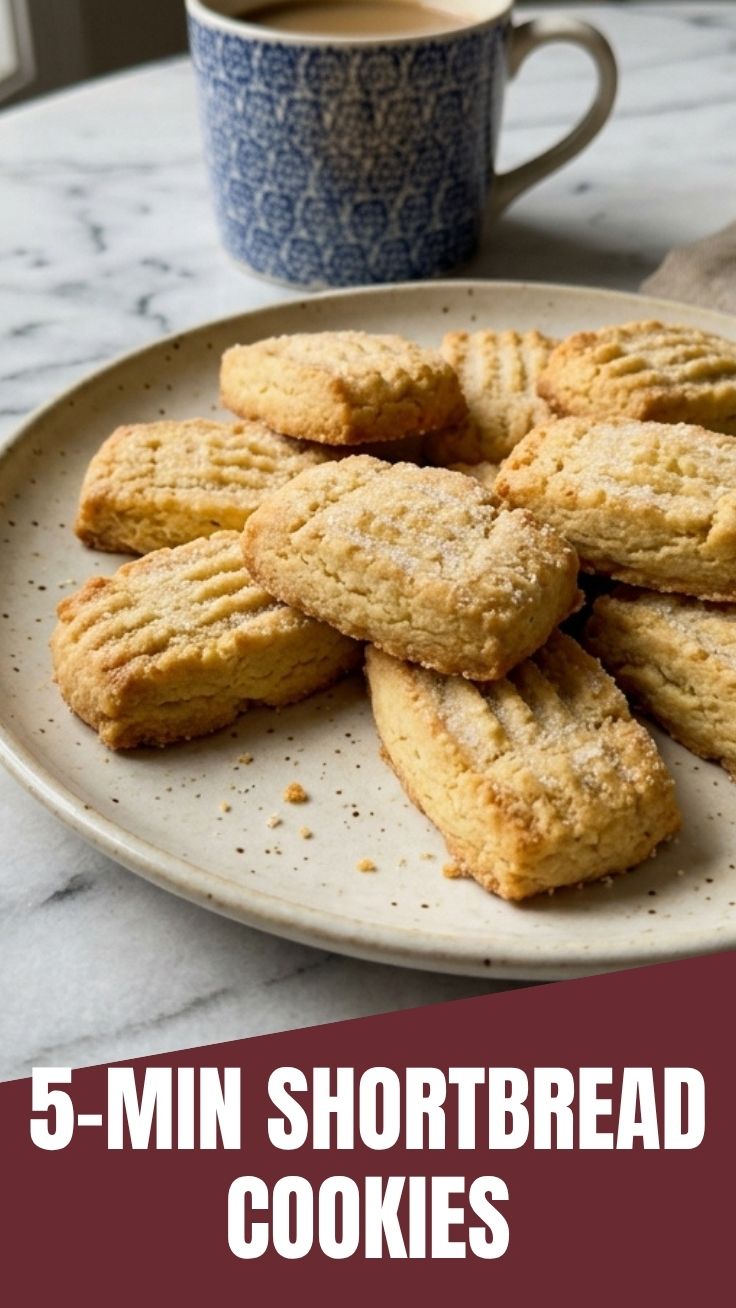
The Ultimate Guide to Perfectly Buttery Shortbread Cookies
Have you ever bitten into a shortbread cookie that crumbled too easily, tasted flat, or lacked that melt-in-your-mouth texture? The secret to exceptional Shortbread Cookies lies in the perfect balance of butter, sugar, and flour—and the patience to let the dough rest. Preparing these classic treats at home not only fills your kitchen with an irresistible aroma but also allows you to control the quality of ingredients, avoiding preservatives and artificial flavors found in store-bought versions. Whether you are a novice baker or a seasoned pro, mastering the art of shortbread is a rewarding skill that elevates any tea time or holiday celebration.
Ingredients & Kitchen Tools
Ingredients:
– 1 cup (2 sticks) unsalted butter, softened – The foundation of any great shortbread; use European-style butter for higher butterfat content and richer flavor.
– ½ cup granulated sugar – Adds sweetness; superfine sugar dissolves more easily for a smoother texture.
– 2 cups all-purpose flour – Provides structure; sift before measuring to avoid dense cookies.
– ¼ teaspoon salt – Enhances flavor and balances sweetness.
– 1 teaspoon vanilla extract – Optional but adds depth; use pure extract instead of imitation for best results.
– Optional additions: ½ cup finely chopped almonds, ¼ cup raspberry jam for swirling, or ½ teaspoon almond extract for a nutty twist.
Kitchen Tools:
– Stand mixer or hand mixer – Creams butter and sugar efficiently.
– Baking sheet – Preferably light-colored to prevent over-browning.
– Parchment paper – Prevents sticking and ensures even baking.
– Rolling pin – For even thickness.
– Cookie cutters or sharp knife – Shape the dough.
– Wire rack – For cooling cookies properly.
– Plastic wrap – Essential for chilling the dough.
| Ingredient | Substitution | Notes |
|————|————–|——-|
| All-purpose flour | Gluten-free 1:1 blend | Works well; chill dough longer. |
| Granulated sugar | Powdered sugar | Creates a denser, more tender crumb. |
| Unsalted butter | Vegan butter | Use a high-fat block variety. |
Prep Time & Cooking Schedule
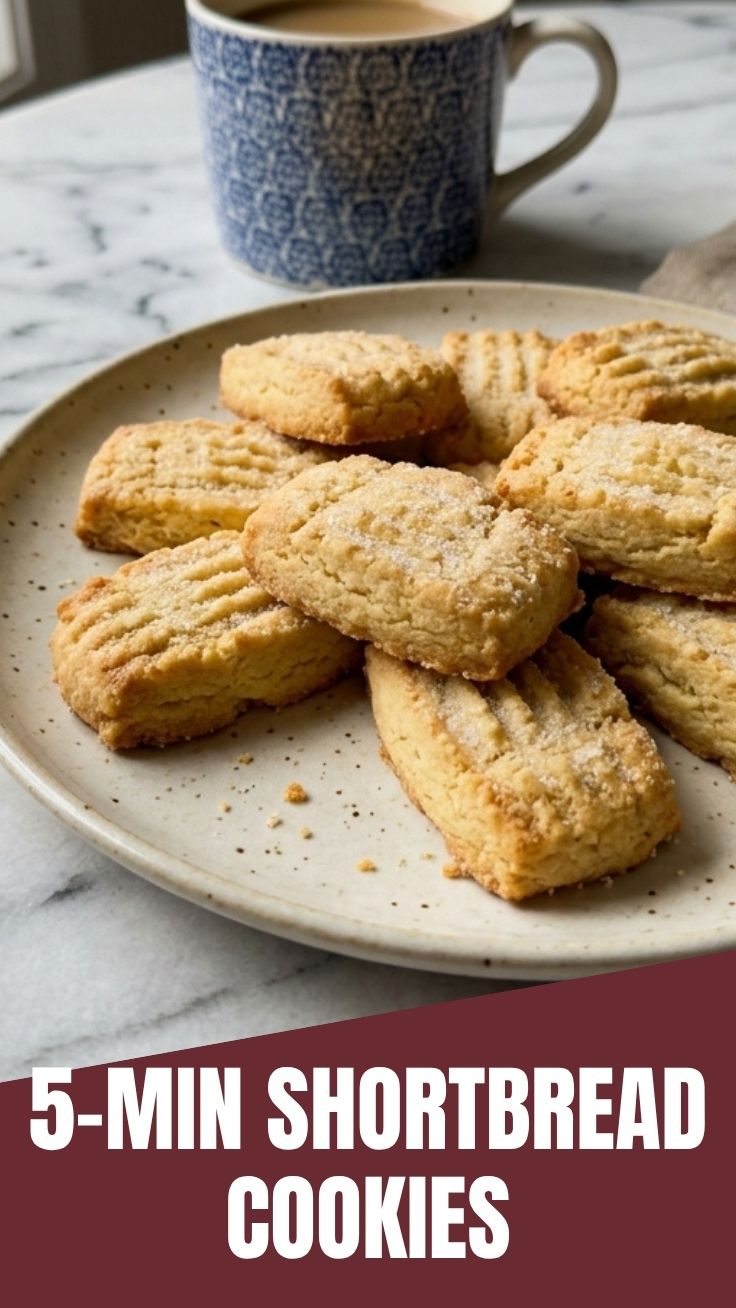
– Prep Time: 20 minutes (includes creaming, mixing, and shaping)
– Chill Time: 30–60 minutes (critical for preventing spreading)
– Cook Time: 12–15 minutes at 350°F (175°C)
– Total Time: 1 hour to 1.5 hours
Planning Tip: Shortbread dough can be made a day ahead and refrigerated overnight. This deepens the flavor and makes slicing easier. If you are short on time, a 30-minute freezer chill also works well.
Step-by-Step Instructions
1. Cream the butter and sugar: In a large bowl, beat 1 cup softened butter shortbread base with ½ cup sugar until light and fluffy (about 3 minutes). Scrape down the sides.
2. Add dry ingredients: In a separate bowl, whisk 2 cups flour and ¼ teaspoon salt. Gradually add to the butter mixture on low speed. Mix until just combined—overmixing develops gluten and makes cookies tough.
3. Incorporate flavorings: Add 1 teaspoon vanilla extract and mix gently. For variation, fold in ½ cup mini chocolate chips or lemon zest.
4. Shape and chill: Turn dough onto a floured surface. Roll to ¼-inch thickness, or form into a log (for slice-and-bake). Wrap in plastic and refrigerate for at least 30 minutes.
5. Preheat and cut: Preheat oven to 350°F. Line baking sheets with parchment. Remove dough, cut into desired shapes, and place 1 inch apart.
6. Bake: For classic Shortbread Cookies, bake 12–15 minutes until edges are lightly golden. Cool on the pan for 5 minutes, then transfer to a wire rack.
Pro Tip: If the dough cracks while rolling, let it warm for 5 minutes at room temperature. For a butter shortbread that is truly tender, avoid over-baking—the cookies will firm up as they cool.
Nutritional Benefits & Advantages
Butter shortbread is an indulgent treat, but it offers a few surprising benefits. Butter contains butyrate, a short-chain fatty acid linked to gut health and reduced inflammation when consumed in moderation. Shortbread cookies are also lower in sugar than most commercial cookies, especially if you reduce the sugar by 10–15%. Additionally, because they contain no eggs, they are naturally more stable at room temperature and have a longer shelf life. Using almond flour in place of ¼ cup all-purpose flour adds healthy fats, vitamin E, and a subtle nutty flavor.
Tips Variations & Cooking Advice
– Flavor Variations: Swap vanilla for rose water, add cardamom and pistachios, or drizzle with dark chocolate.
– Dietary Adaptations: Use a 1:1 gluten-free baking flour for gluten-free Shortbread Cookies. For dairy-free, substitute with solid coconut oil or vegan butter sticks.
– Cooking Advice: Brush tops with egg wash for a glossy finish. Sprinkle coarse sugar or sea salt before baking for a gourmet touch.
– Alternative Method: Try bar-style shortbread—press dough into a 9×9 pan, score into squares, and bake 20–25 minutes.
Common Mistakes to Avoid
| Mistake | Solution |
|———|———-|
| Dough spreads too much | Ensure butter is softened, not melted; always chill dough for at least 30 minutes. |
| Cookies are dry or crumbly | Measure flour correctly (spoon and level, don’t scoop). Add 1–2 teaspoons milk if dough feels too dry. |
| Uneven baking | Rotate the baking sheet halfway through baking. |
| Butter shortbread lacks flavor | Use salted butter or add ¼ teaspoon extra salt. Toasting flour in a dry pan before mixing adds nutty notes. |
| Edges burn before center is done | Use a light-colored pan; dark pans absorb more heat. |
Storage & Meal Prep Tips
– Room Temperature: Store in an airtight container for up to 2 weeks. Add a slice of bread to absorb excess moisture and keep cookies crisp.
– Freezing: Freeze baked cookies for up to 3 months. Layer between parchment in a freezer-safe bag. Thaw at room temperature for 15 minutes.
– Freezing Dough: Roll dough into logs, wrap tightly in plastic, and freeze for up to 6 months. Slice and bake directly from frozen—add 2–3 minutes to bake time.
– Reheating: Warm cookies in a 300°F oven for 5 minutes to revive their buttery crunch.
Conclusion
Creating perfect Shortbread Cookies at home is a simple pleasure that yields a deeply satisfying, buttery treat. The key lies in using quality butter, respecting the chilling time, and handling the dough with a light touch. Whether you enjoy them plain or dressed up with jam and nuts, this classic butter shortbread recipe is endlessly adaptable and always crowd-pleasing. I encourage you to try this recipe, share your results with friends, or explore variations like adding citrus zest or dipping in chocolate. Your perfect batch is just one bake away!
FAQs
1. Can I use salted butter instead of unsalted?
Yes, but reduce the added salt to ⅛ teaspoon to avoid overly salty cookies.
2. Why did my shortbread cookies spread too much?
The most common cause is insufficient chilling time. Ensure the dough is firm to the touch before baking. If your kitchen is warm, chill for a full hour.
3. Can I make these cookies without a mixer?
Absolutely! Use a pastry cutter or two forks to cut butter into the flour and sugar until crumbly, then press together with your hands.
4. How do I fix a dough that is too dry?
Add 1–2 tablespoons of cold milk or cream, one teaspoon at a time, mixing until the dough just holds together.
5. Can I freeze the baked butter shortbread?
Yes, baked cookies freeze beautifully. Cool completely, then store in an airtight container with parchment between layers. Thaw at room temperature for 10–15 minutes.