The Ultimate Guide to Perfectly Smoked Brisket at Home
Have you ever wondered why some backyard cooks produce brisket so tender it pulls apart with a gentle nudge, while others end up with a dry, chewy disappointment? The secret isn’t luck—it’s technique. Mastering smoked brisket at home transforms an ordinary weekend into a culinary event, saving you hundreds of dollars compared to restaurant prices while giving you complete control over flavor. Whether you’re a weekend warrior or a seasoned pitmaster, understanding the nuances of authentic Texas BBQ will elevate your cooking game. Let’s dive into the science and art of creating brisket that earns a standing ovation from your dinner guests.
Ingredients & Kitchen Tools
For the Brisket:
– Whole packer brisket (12–16 lbs) – Look for even fat cap (¼ inch) and good marbling; USDA Prime or Choice grade preferred
– Coarse kosher salt – Provides the foundational seasoning; avoid table salt as it’s too fine and salty
– 16-mesh black pepper – The classic Texas-style rub base; adjust coarseness to preference
– Garlic powder – Adds savory depth without burning during long smoke sessions
– Mustard powder – Helps bind the rub and adds subtle tang
Essential Tools:
– Offset smoker or pellet grill – Maintains consistent low temperatures (225°F–250°F)
– Instant-read thermometer – Don’t rely on built-in grill thermometers; accuracy matters
– Aluminum foil or butcher paper – Pink butcher paper preserves bark better than foil for wrapping
– Sharp slicing knife – A long, thin blade ensures clean slices against the grain
– Spray bottle – For moisture maintenance with apple juice or broth
Optional Substitutions: Replace pepper with chipotle powder for smokier heat; substitute mustard with Worcestershire sauce as binder; use honey instead of brown sugar in variations.
Prep Time & Cooking Schedule
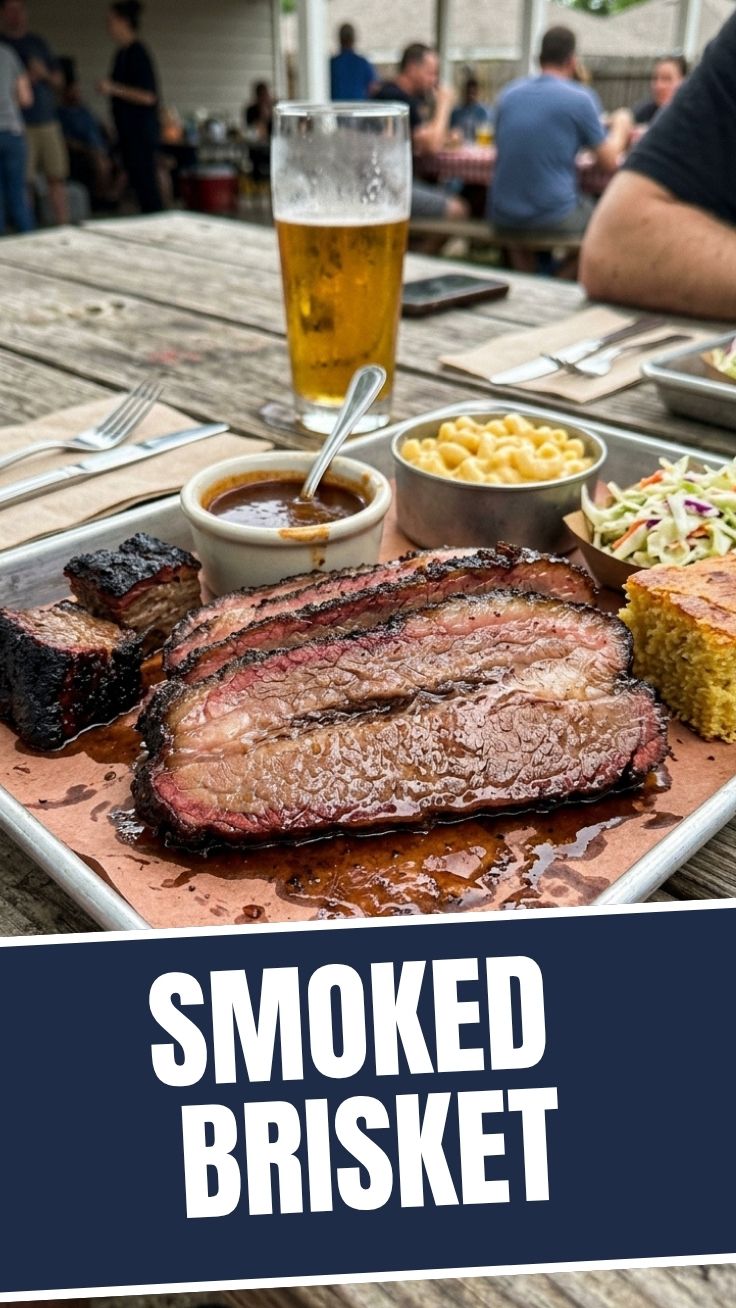
Timeline Overview: Plan ahead—this isn’t a last-minute dinner decision.
| Phase | Time Required | Temperature |
|——-|————–|————|
| Trimming | 20–30 minutes | Room temperature |
| Dry brining (optional) | 8–12 hours (overnight) | Refrigerated |
| Rub application & rest | 30 minutes | Room temperature |
| Smoking | 10–16 hours | 225°F–250°F |
| Wrapping (Texas crutch) | 2–4 hours | Same smoker temp |
| Resting (crucial!) | 2–4 hours in cooler | Minimum 150°F internal |
Context for planning: Start smoking by 6–8 PM the night before serving if cooking for lunch. The stall typically hits around 160°F–170°F and can last 2–6 hours—patience is non-negotiable. Resting time is not optional; it redistributes juices and finishes the cooking process.
Step-by-Step Instructions
1. Trim the brisket – Remove excess hard fat (leave ¼ inch cap), square edges to prevent burning, and separate the point from the flat only if you want burnt ends later. Pro tip: Save rendered fat for beans or tortillas.
2. Apply binder and rub – Coat with yellow mustard or Worcestershire, then apply equal parts salt and pepper (2:1 ratio with spices). Pat gently to adhere—don’t rub too hard or you’ll dislodge the seasoning.
3. Preheat smoker – Target 250°F using oak, hickory, or mesquite chunks for authentic Texas BBQ flavor. Add wood every 45–60 minutes after the first hour.
4. Smoke unwrapped – Place brisket fat-side down (toward heat source on offset smokers). Spritz with apple cider vinegar every hour after the first 3 hours. This stage builds the dark bark and develops what makes smoked brisket legendary.
5. Wrap when bark sets – At 165°F–170°F internal, wrap tightly in butcher paper or foil. Add tallow or butter for extra moisture. Return to smoker.
6. Probe for tenderness – Start checking at 195°F internal. True doneness occurs between 200°F–205°F when the probe slides in like room-temperature butter. The stall may test your patience, but pushing through yields perfect results.
7. Rest in cooler – Wrap in towels and place in empty cooler for 2–4 hours. Never skip this step—it finishes the collagen breakdown.
8. Slice against the grain – Separate flat from point, then slice flat against the grain. For point section, cube for burnt ends.
Nutritional Benefits & Advantages
Brisket offers surprising nutritional value beyond its indulgent reputation. A 3-ounce serving provides approximately 28g of complete protein—essential for muscle repair and satiety. The cut is rich in iron (18% DV), zinc (30% DV), and B vitamins including B12, which supports energy metabolism. When prepared with minimal added sugars and simple seasonings, smoked brisket fits keto, paleo, and low-carb lifestyles. The long, slow cooking process renders out significant fat, reducing calorie density compared to other cooking methods. Additionally, consuming beef from grass-fed sources increases conjugated linoleic acid (CLA), linked to improved metabolic health. Balance your plate with acidic slaw or pickled vegetables to complement the richness.
Tips Variations & Cooking Advice
Flavor twists: Add coffee grounds to rub for earthy depth; inject brisket with beef broth and Worcestershire before smoking; finish with a Korean-style glaze (gochujang, honey, soy) during the last 30 minutes.
Method swaps: For apartment dwellers, use an electric smoker with a smoke tube or oven-finish after 4 hours on a charcoal grill. Pressure cook leftovers for quick burnt ends tacos.
Dietary adaptations: Skip sugar in rubs for keto compliance; use gluten-free butcher paper; serve with cauliflower “mac” for low-carb pairing.
Portion hacks: Cook two briskets simultaneously—freeze one whole after resting. Alternatively, smoke only the flat for smaller crowds.
Common Mistakes to Avoid
Mistake 1: Slicing too soon – Cutting before 10 minutes rest drains every drop of juice. Solution: Always rest at least 30 minutes (longer preferred).
Mistake 2: Over-trimming fat – Removing too much fat ensures dry meat. Leave ¼ inch cap and trim only hard white fat.
Mistake 3: Constant lid opening – Peeking every 15 minutes crashes temperature and extends cooking time by hours. Trust your setup.
Mistake 4: Relying only on temperature – Brisket is done at feel, not just number. Use probe test: smooth resistance = ready; tight resistance = need more time.
Mistake 5: Using mild wood chips – Fruit woods add subtle sweetness but lack bark-building power. Stick with oak, hickory, or pecan for signature Texas BBQ smoke profile.
Storage & Meal Prep Tips
Refrigeration: Wrap cooled brisket tightly in foil or vacuum-seal. Keeps for 4–5 days in fridge. Slice only what you’ll serve—whole portions reheat better.
Freezing: Portion and double-wrap (plastic wrap + foil or freezer bag). Label with date. Frozen brisket maintains quality for 3 months. Thaw in refrigerator 24 hours before reheating.
Reheating methods: Sous vide at 150°F for 45 minutes preserves moisture best. Alternatively, wrap in foil with 2 tbsp beef broth and warm at 250°F for 20 minutes. Avoid microwaving—it turns bark into rubber and dries meat.
Meal prep ideas: Shred leftovers for tacos, chop for chili, or slice thin for pho-style bowls. Brisket freezes exceptionally well in vacuum-sealed bags for quick weeknight dinners.
Conclusion
Perfecting smoked brisket requires patience, precision, and a willingness to learn from each cook, but the payoff—tender, juicy beef with a peppery bark and deep smoke flavor—is unmatched. Whether you’re recreating iconic Texas BBQ traditions or developing your own signature style, the process teaches you more about cooking than most recipes ever will. Start with quality meat, respect the stall, always rest, and slice against the grain. We’d love to hear about your cook—drop your results in the comments or tag us in your photos. Remember: every pitmaster started with a dry first brisket, so embrace the journey and keep experimenting.
FAQs
Can I use a gas grill instead of a smoker? Yes, but with modifications. Set one burner to low (225°F) and place wood chips in a foil pouch directly on the heat. Maintain indirect heat on the opposite side. Accept that authentic Texas BBQ requires longer smoke exposure, so plan for a minimum 6-hour cook.
How do I fix a brisket that’s already dry? Slice thin against the grain and simmer in beef broth or au jus for 5 minutes. Alternatively, chop and mix with barbecue sauce for sandwiches. For future cooks, inject brisket with beef tallow before smoking.
Why did my brisket stall for 6 hours? The stall occurs when evaporative cooling balances smoker heat. Wrap in butcher paper (Texas crutch) to break through faster. Or embrace it—unwrapped briskets develop superior bark though require longer cooks.
What’s the ideal internal temperature for slicing? Rest until internal temperature drops to 150°F. Slicing above 180°F causes crumbling; below 140°F risks bacterial growth. Use a digital thermometer to monitor resting properly.
Can I substitute pork shoulder using the same technique? Yes, but reduce smoking time to 8–12 hours and target 195°F internal. Pork vs. beef: pork pulls easier but lacks the same collagen complexity. Adjust wood choice to milder fruit woods for pork.
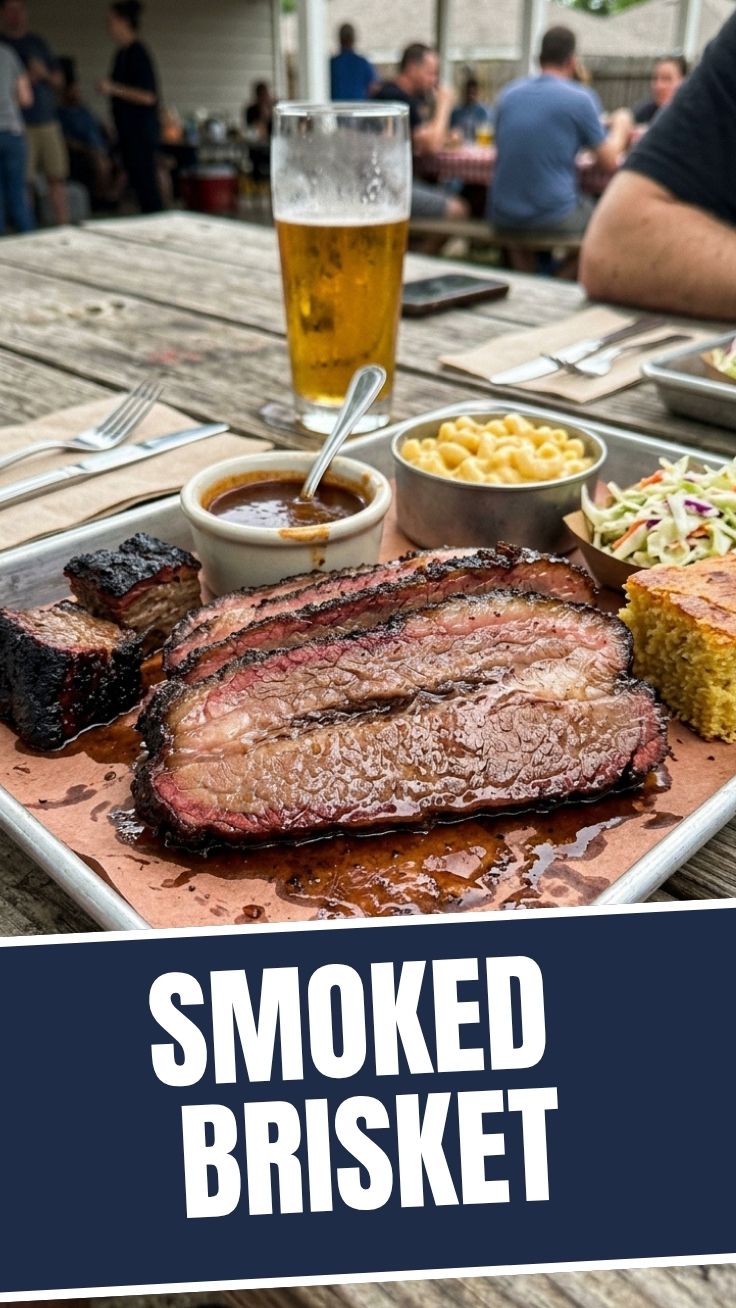
Quick way to grow 3lbs Smoked Brisket
Ingredients
Equipment
Method
- Trim excess fat from the brisket, leaving about 1/4 inch of fat cap. Mix salt, pepper, paprika, garlic powder, and onion powder to create the rub, then generously apply it to all sides of the brisket.
- Preheat your smoker to 275°F (135°C). Place the brisket fat-side up in the smoker and smoke for 2-3 hours, or until the internal temperature reaches 165°F (74°C).
- During this time, mix apple cider vinegar and water in a spray bottle and spray the brisket every 45 minutes to keep it moist.
- Once the brisket reaches 165°F (74°C), remove it from the smoker. Place it on a large sheet of butcher paper or heavy-duty foil. Pour beef broth over the brisket, then top with sliced butter and brown sugar. Wrap tightly.
- Return the wrapped brisket to the smoker and continue cooking until the internal temperature reaches 200-205°F (93-96°C) and it is probe-tender, which should take another 1-2 hours.
- Remove the brisket from the smoker and let it rest, still wrapped, in an insulated cooler or a warm oven for at least 1 hour, or up to 3 hours, to allow the juices to redistribute.
- Unwrap the brisket, slice against the grain, and serve immediately.