Here is a comprehensive, SEO-optimized WordPress blog post written according to your specific structural and keyword requirements.
—
The Ultimate Guide to the Best Tuna Noodle Casserole (Comfort Food Done Right)
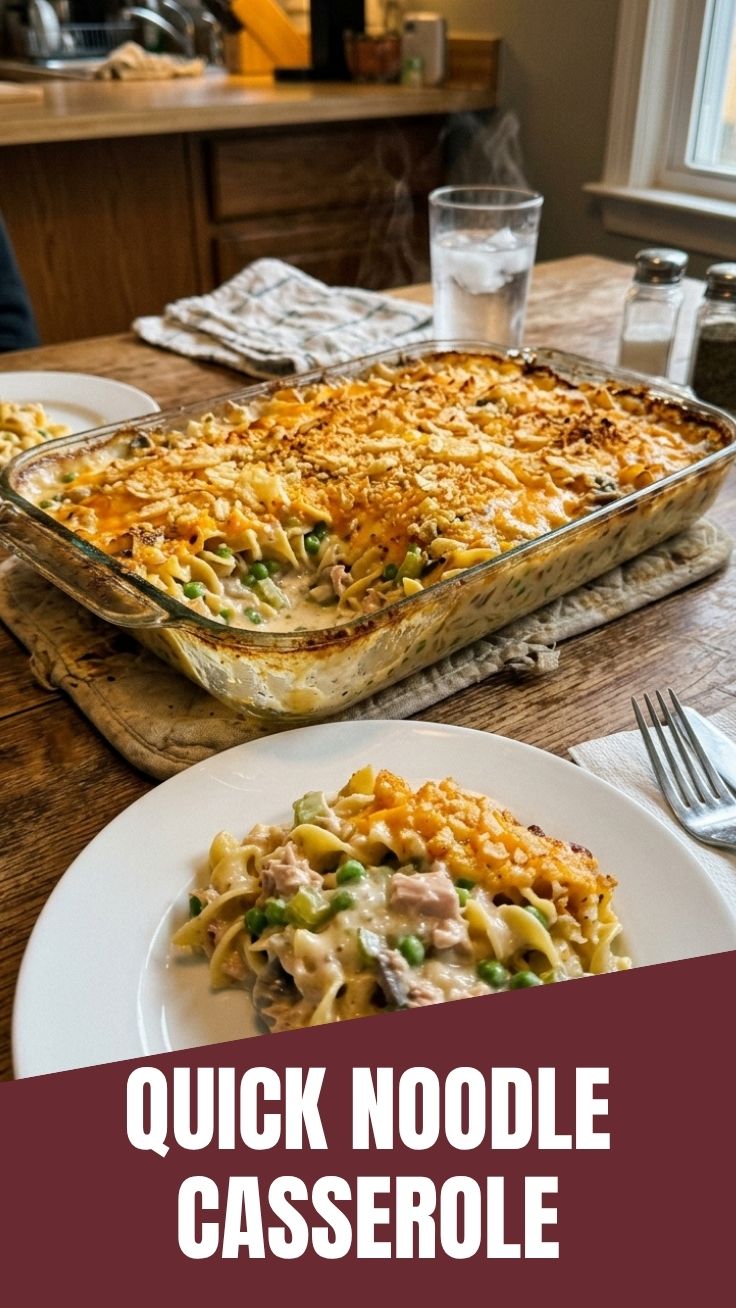
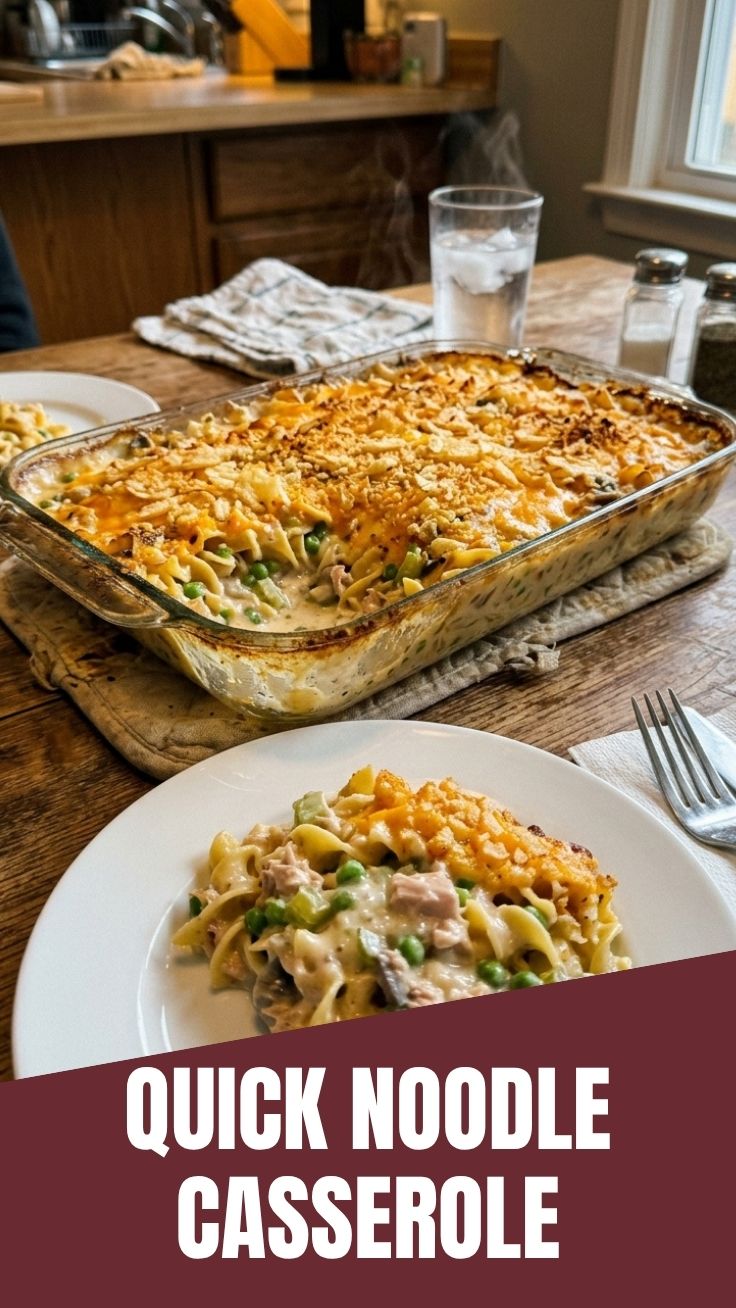
Have you ever craved a dish that feels like a warm hug on a chilly evening? That’s the magic of a perfectly baked Tuna Noodle Casserole emerging golden and bubbly from the oven. While it’s a classic staple in American comfort food, many boxed versions or outdated recipes leave it dry, bland, or mushy. Preparing this dish from scratch at home not only elevates the flavor profile but also gives you complete control over the ingredients, ensuring it’s creamy, rich, and perfectly seasoned. In this guide, we will walk you through creating a restaurant-quality version of this timeless classic. Whether you are a seasoned cook or just starting your culinary journey, mastering a foundational dish like this opens the door to exploring countless other casserole recipes that are perfect for busy weeknights.
Ingredients & Kitchen Tools
To ensure a smooth cooking process, gather your ingredients and tools beforehand. Here is exactly what you need:
Ingredients List:
– Egg Noodles (12 oz): The backbone of the dish. Wide or medium-width noodles hold the sauce best.
– Canned Tuna (2 cans, 5 oz each): Solid white albacore gives a meaty texture, while chunk light is more economical and flaky. Drain thoroughly.
– Cream of Mushroom Soup (1 can, 10.5 oz): The traditional base for that nostalgic flavor. Optional Substitution: A homemade béchamel sauce with sautéed mushrooms.
– Milk (½ cup): Thins the soup and adds extra creaminess. Whole milk works best, but 2% is fine.
– Frozen Peas (1 cup): Adds a pop of sweetness, color, and texture. No need to thaw if you are baking immediately.
– Sharp Cheddar Cheese (1 cup, shredded): Essential for a gooey, flavorful topping.
– Panko Breadcrumbs (½ cup): The secret to a consistently crispy, golden crust that crunches perfectly.
– Unsalted Butter (2 tbsp): Helps the breadcrumbs brown evenly.
– Seasonings: Garlic powder (½ tsp), onion powder (½ tsp), black pepper (¼ tsp), and smoked paprika (¼ tsp).
Kitchen Tools:
– Large pot (for boiling pasta)
– 9×13 baking dish (or a similar 2.5-quart casserole dish)
– Mixing bowls (one large, one small)
– Colander (for draining pasta and tuna)
– Whisk or wooden spoon
Prep Time & Cooking Schedule
– Prep Time: 15 minutes
– Cook Time: 25-30 minutes
– Rest Time: 5 minutes
– Total Time: 45 minutes
Context for Planning: This dish is ideal for a Sunday meal prep or a quick Wednesday dinner. Mise en place is key—have your peas measured, cheese shredded, and oven preheated to 375°F (190°C) to streamline the process. Since the cooking time is relatively short, you can easily prepare a simple side salad or steam some green beans while the casserole bakes.
Step-by-Step Instructions
Follow these steps meticulously to avoid the common pitfalls of a dry or mushy casserole.
1. Preheat & Prepare: Preheat your oven to 375°F (190°C). Lightly grease your 9×13 baking dish with butter or non-stick spray to prevent sticking and ensure easy serving.
2. Cook the Noodles: Bring a large pot of salted water to a rolling boil. Cook the egg noodles until al dente—about 1 minute less than the package directions. They will finish cooking in the oven. Overcooking them now is the primary cause of a mushy casserole. Drain and set aside.
3. Create the Creamy Base: In a large mixing bowl, combine the cream of mushroom soup, milk, drained tuna, thawed peas, half the cheddar cheese, garlic powder, onion powder, and black pepper. Mix gently but thoroughly.
4. Combine Noodles and Sauce: Add the cooked noodles to the creamy tuna mixture. Gently fold everything together using a rubber spatula until the noodles are evenly coated. This is the critical moment where the magic of our Tuna Noodle Casserole truly takes shape—a technique easily transferable to other casserole recipes you may try in the future.
5. Assemble the Casserole: Pour the combined mixture into the prepared baking dish. Spread it into an even layer. Top evenly with the remaining cheddar cheese.
6. Make the Topping: In a small bowl, mix the Panko breadcrumbs with melted butter. Sprinkle this mixture generously over the cheese layer. For a deeper savory flavor and color, add a pinch of smoked paprika to the breadcrumbs.
7. Bake to Perfection: Bake uncovered for 25-30 minutes, or until the edges are bubbly and the top is a deep golden brown. Let it rest on the counter for exactly 5 minutes before serving. This allows the creamy sauce to reabsorb and prevent the casserole from being runny.
Nutritional Benefits & Advantages
This dish isn’t just comfort food; it is a surprisingly balanced meal. Tuna is a lean protein powerhouse, rich in Omega-3 fatty acids which support heart and brain health. Peas add dietary fiber and essential vitamins A, C, and K. By making this at home, you can control the sodium content significantly compared to store-bought frozen versions. It is a satisfying source of energy that keeps you full without making you feel sluggish, making it a smart choice for family meal planning.
Tips Variations & Cooking Advice
– Lighter Version: Substitute Greek yogurt for half the milk and use low-fat cheese and cream of mushroom soup.
– Gluten-Free: Use gluten-free pasta (like chickpea or rice noodles) and a gluten-free cream soup or homemade roux.
– Dairy-Free: Use olive oil instead of butter, unsweetened oat or almond milk (for the sauce), and nutritional yeast for a cheesy flavor.
– Flavor Upgrade: Sauté ½ cup of diced cremini mushrooms and 1 shallot in butter before adding to the mix for an intense umami bomb.
– Alternative Toppings: Crushed potato chips (like Ruffles) or Ritz crackers make an excellent, nostalgic alternative topping to Panko.
Common Mistakes to Avoid
– Mistake 1: Overcooking the Noodles.
Solution: Always cook them al dente (firm to the bite). They absorb liquid in the oven and become mushy if you cook them fully on the stovetop first.
– Mistake 2: A Dry Casserole.
Solution: Do not skip the milk! The sauce should look slightly loose and creamy before baking. The noodles will absorb the excess moisture during the baking process.
– Mistake 3: Soggy Topping.
Solution: Ensure the Panko or chips are coated with melted butter or oil before baking. Do not cover the dish while baking; you want steam to escape and the topping to crisp up.
Storage & Meal Prep Tips
– Refrigeration: Store leftovers in an airtight container in the fridge for up to 3–4 days. Add a splash of milk when reheating to restore creaminess.
– Freezing: Assemble the casserole (without the crunchy topping), wrap tightly in plastic wrap and foil, and freeze for up to 3 months. Thaw overnight in the fridge, add the topping, and bake.
– Reheating: The oven method is best to keep the topping crispy. Reheat at 350°F (175°C) for 15–20 minutes. The microwave works in a pinch (30-second intervals) but will soften the topping.
Conclusion
Creating the perfect Tuna Noodle Casserole at home is a rewarding experience that delivers comfort on a plate without relying on processed shortcuts. By following these data-driven steps and avoiding the common pitfalls, you ensure a creamy, crispy, and flavorful result every single time. This foundational technique will serve you well as you explore other casserole recipes for different occasions. We encourage you to try this recipe, tweak it to your preference, and share your beautiful results in the comments below!
FAQs
1. Can I use fresh tuna instead of canned?
Absolutely. Pan-sear a 1 lb tuna steak to medium-rare, flake it, and fold it in. The flavor is significantly richer and less “fishy,” though canned tuna remains the classic, convenient choice for this dish.
2. My casserole always turns out watery. What am I doing wrong?
This is usually caused by one of two things: not draining your tuna and peas thoroughly, or undercooking the noodles (which prevents them from absorbing the sauce properly). Ensure you squeeze the liquid from the tuna and cook noodles to a firm al dente.
3. Can I make this Tuna Noodle Casserole without cream of mushroom soup?
Yes. A homemade béchamel sauce (2 tbsp butter, 2 tbsp flour, 1.5 cups milk) mixed with sautéed mushrooms and a splash of white wine is a fantastic, cleaner substitute that is lower in preservatives.
4. What is the best cheese for Tuna Noodle Casserole?
Sharp cheddar is the gold standard for its strong flavor that cuts through the creaminess. Gruyère or Monterey Jack are excellent melting alternatives that offer a nuttier or milder flavor profile.
5. Can I add vegetables?
Of course! Diced celery, carrots, or broccoli florets are great additions. Sauté them first in a pan with butter for 3–4 minutes to remove excess water before adding them to the casserole mix.
Proven way to grow your Tuna Noodle Casserole 3 times betterTuna Noodle Casserole
Ingredients
Equipment
Method
- Preheat your oven to 375°F (190°C) and lightly grease a 9x13 inch baking dish.
- Cook the egg noodles according to package directions, then drain them well and set aside.
- In a large bowl, combine the cooked noodles, drained tuna, cream of mushroom soup, milk, frozen peas, 3/4 cup of the shredded cheddar cheese, salt, and pepper.
- Pour the noodle mixture into the prepared baking dish and spread evenly.
- In a small bowl, mix the melted butter and bread crumbs, then sprinkle this mixture evenly over the casserole.
- Sprinkle the remaining 1/4 cup of shredded cheddar cheese over the bread crumb topping.
- Bake for 25-30 minutes, or until the casserole is bubbly and the topping is golden brown.
- Remove from the oven and let it stand for 5-10 minutes before serving to allow it to set.