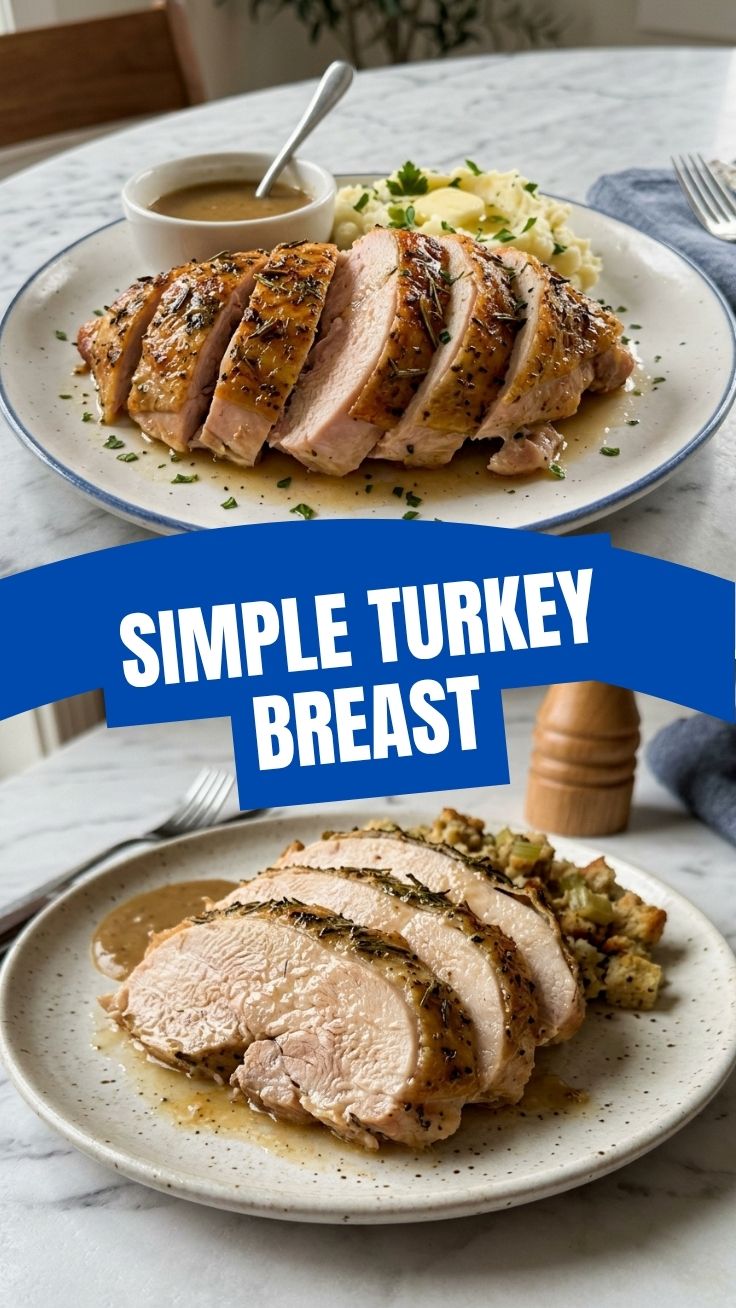
Juicy and Flavorful Roast Turkey Breast: The Ultimate Guide for Perfect Results Every Time
Have you ever struggled with a dry, bland turkey breast that leaves your guests reaching for more gravy? You’re not alone. The key to a succulent centerpiece lies in mastering moisture retention and flavor layering. Preparing your own Turkey Breast at home isn’t just about saving money—it’s about controlling every seasoning, cooking every inch to perfection, and creating a meal that’s both impressive and nourishing. Whether you’re planning a holiday feast or a Sunday dinner, this comprehensive guide will walk you through every step, drawing from culinary science and real-world kitchen experience. By the end, you’ll have a foolproof method for a roasted Turkey Breast that’s moist, golden, and packed with flavor. Plus, we’ll explore versatile Turkey Breast Recipes that elevate your meal from simple to spectacular.
Ingredients & Kitchen Tools
Essential Ingredients
– Bone-in, skin-on turkey breast (5–7 lbs): The bone adds flavor and moisture; skin crisps beautifully.
– Unsalted butter (4 tbsp, softened): Enriches the meat and helps seasoning adhere.
– Fresh herbs (rosemary, thyme, sage): Aromatics that infuse the meat.
– Garlic cloves (4–5, minced): Deep savory notes.
– Salt (1 tbsp kosher) and black pepper (1 tsp): Essential for seasoning.
– Olive oil (2 tbsp): Helps browning and adds healthy fats.
– Chicken or turkey broth (1 cup): Keeps the pan moist and forms the base for gravy.
– Lemon (1, halved): Brightens flavor and tenderizes.
Kitchen Tools
– Roasting pan with rack: Elevates the meat for even air circulation.
– Meat thermometer: Non-negotiable for precise doneness.
– Basting brush: For even butter application.
– Chef’s knife and cutting board: For herb prep.
– Aluminum foil: For tenting during resting.
Optional Substitutions
– Swap butter for dairy-free margarine or ghee for lactose-free needs.
– Use dried herbs (1 tsp each instead of fresh).
– Substitute broth with vegetable stock for a lighter flavor.
Prep Time & Cooking Schedule
– Prep time: 15 minutes
– Marinating/resting time: 30–60 minutes (or overnight for deeper flavor)
– Cook time: 1 hour 30 minutes to 2 hours (depending on size)
– Resting time: 15–20 minutes (critical for juice retention)
Planning tip: Start at least 2.5 hours before you plan to serve. For best results, season the turkey breast the night before and refrigerate uncovered—this dries the skin, ensuring a crispier finish. Remove from fridge 30 minutes before roasting to temper.
Step-by-Step Instructions
1. Prepare the butter rub: In a small bowl, combine softened butter, minced garlic, chopped rosemary, thyme, sage, 1 tsp salt, and ½ tsp pepper. Mix until uniform.
2. Season the turkey: Pat the Turkey Breast dry with paper towels. Gently loosen the skin with your fingers, being careful not to tear it. Spread half the herbed butter directly under the skin, then rub the remainder over the entire exterior. Season generously with remaining salt and pepper.
3. Prep for roasting: Place the turkey breast on the rack in the roasting pan. Pour broth into the pan (avoid wetting the skin). Squeeze lemon halves over the top and tuck them into the pan.
4. Roast at high heat: Preheat oven to 425°F (220°C). Roast for 20–25 minutes to jump-start browning.
5. Reduce heat and baste: Lower oven to 350°F (175°C). Baste with pan juices every 20–30 minutes. Continue roasting until internal temperature reaches 155°F (68°C) in the thickest part—it will rise to 160°F (71°C) during resting.
6. Rest and carve: Tent loosely with foil and let rest for 15–20 minutes. This allows juices to redistribute, yielding moist slices.
Temperature tip: For perfectly cooked Turkey Breast Recipes, always rely on a thermometer, not time estimates. Overcooking is the #1 cause of dry meat.
Nutritional Benefits & Advantages
Turkey breast is a lean protein powerhouse—a 3-ounce serving provides about 26g of protein with only 125 calories and less than 1g of saturated fat. It’s an excellent source of B vitamins (B3, B6, B12) and selenium, which supports thyroid function and immunity. Compared to dark meat, the breast offers a lower fat profile, making it ideal for weight-conscious diets and heart health. The herbed butter adds healthy fats from olive oil and antioxidants from garlic and herbs like rosemary, which has anti-inflammatory properties.
Tips, Variations & Cooking Advice
Flavor Variations
– Cranberry-orange glaze: Brush a mix of ½ cup cranberry sauce, 2 tbsp orange juice, and 1 tbsp Dijon mustard during the last 30 minutes of roasting.
– Garlic-herb crust: Add ¼ cup grated Parmesan to the butter rub for umami depth.
– Spicy Southwest: Rub with cumin, smoked paprika, and chili powder; serve with salsa verde.
Cooking Method Swaps
– Air fryer: For a smaller breast (2–3 lbs), cook at 360°F for 35–40 minutes, flipping halfway.
– Slow cooker: Brown the skin in a pan first, then cook on low for 4–6 hours with broth; finish under broiler for crispiness.
Dietary Adaptations
– Gluten-free: Naturally gf; ensure broth is labeled gf.
– Dairy-free: Use olive oil or dairy-free margarine instead of butter.
Portion Changes
– For larger crowds, roast two breasts side by side; adjust cook time by 10–15 minutes. For smaller households, use a 2–3 lb breast and reduce cooking time by 30–40%.
Common Mistakes to Avoid
1. Skipping the thermometer: Visual cues like color are unreliable. Always use a meat thermometer to hit 160°F internal.
2. Not patting the skin dry: Moisture prevents browning. Dry thoroughly for that coveted golden crackle.
3. Overcrowding the pan: Too many vegetables or liquid in the pan steams the meat. Use a rack to elevate.
4. Cutting too soon: Resting is non-negotiable—cutting immediately releases juices, leaving dry slices.
5. Underseasoning: Turkey breast can be bland. Season generously both under and over the skin, and don’t forget the cavity.
Storage & Meal Prep Tips
– Refrigeration: Store leftover turkey breast in an airtight container for up to 4 days. Keep slices moist by adding a splash of broth before sealing.
– Freezing: Wrap tightly in plastic wrap then foil, or vacuum seal. Freeze for up to 3 months. Thaw overnight in the fridge.
– Reheating: To avoid drying out, reheat slices in a 350°F oven with a splash of broth, covered with foil, for 10–15 minutes. Alternatively, pan-sear slices in butter over medium heat for 2 minutes per side.
– Meal prep: Shred leftovers for sandwiches, salads, or tacos. Make a quick turkey soup with the cooking broth and added vegetables.
Conclusion
Mastering roast turkey breast transforms your home cooking from ordinary to extraordinary. By following this guide, you’ve learned how to lock in moisture, enhance flavor with simple herbs, and avoid common pitfalls. The result is a succulent Turkey Breast that pairs perfectly with your favorite sides—and opens the door to countless Turkey Breast Recipes for leftovers. We’d love to hear how yours turns out! Share your photos, questions, or variations in the comments below, and explore more holiday classics and weeknight winners. Your perfect roast is just a recipe away.
FAQs
Q: Can I use a boneless turkey breast?
A: Yes, but reduce cooking time by 20–30 minutes. Boneless cooks faster and may dry out more easily, so baste frequently and check temperature early.
Q: What if my turkey breast is frozen?
A: Thaw in the refrigerator (24 hours per 4–5 lbs) before cooking. Never roast frozen as it leads to uneven cooking and safety risks.
Q: How do I keep the skin crispy?
A: Pat dry thoroughly, use a rack, and avoid basting the skin after the first 45 minutes. Alternatively, finish under the broiler for 2–3 minutes.
Q: My turkey breast is dry despite following instructions—why?
A: Possible overcooking (check your thermometer accuracy) or skipping the resting period. Also, consider brining next time for extra moisture protection.
Q: Can I make gravy from the pan drippings?
A: Absolutely! After roasting, pour drippings into a saucepan, skim fat, whisk in 2 tbsp flour, and cook for 1 minute. Slowly add 1½ cups broth, stir until thickened, and season to taste.