Why Stop at Canned Soup? Unlock the Magic of This Easy Vegetable Soup
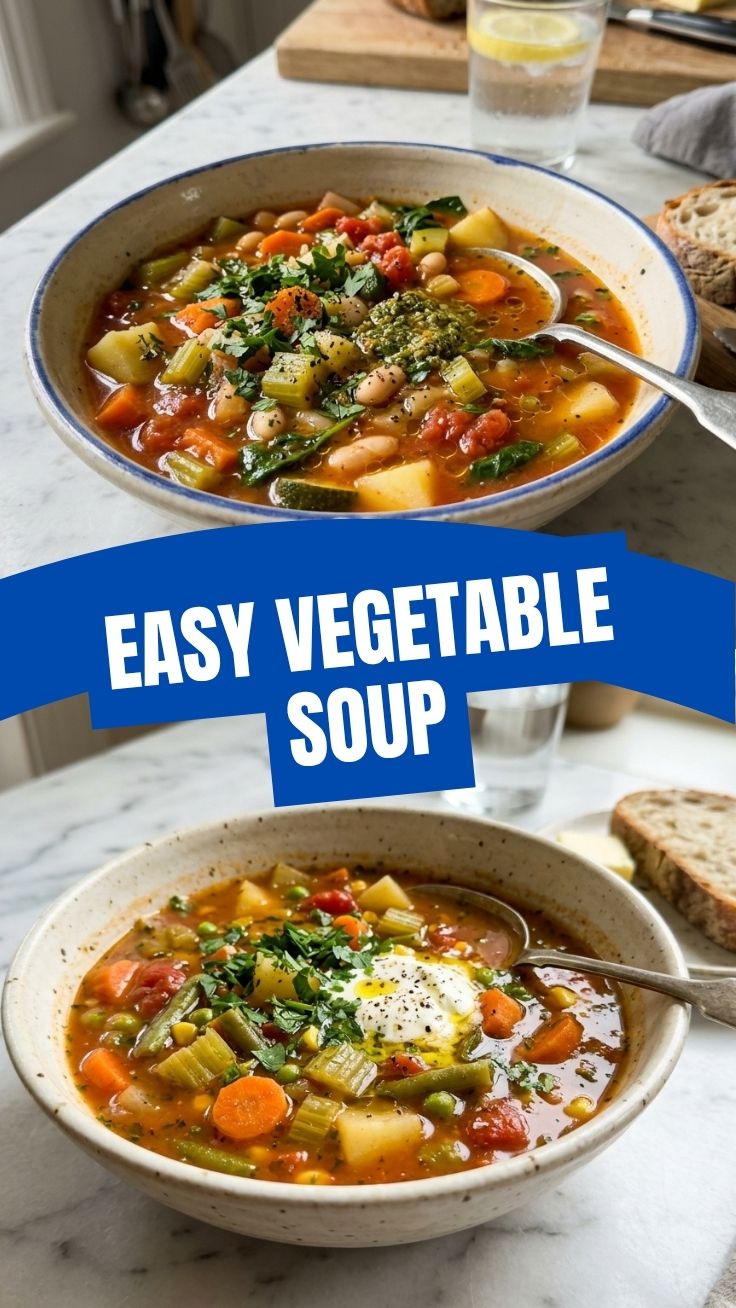
Have you ever opened a can of soup and felt a pang of disappointment? It happens to the best of us. The watery broth, the mushy vegetables, the overwhelming salt content—it’s a compromise we make for convenience. But what if I told you that creating a rich, flavorful, and deeply satisfying Vegetable Soup from scratch is not only easier than you think but also healthier and more rewarding? Preparing this Homemade classic at home gives you complete control over ingredients, sodium levels, and flavor depth. It transforms simple pantry staples into a nourishing bowl of comfort that warms the soul. Let’s dive into the ultimate guide to crafting the perfect bowl, from chopping board to spoon.
Ingredients & Kitchen Tools
Ingredients (for 4-6 servings)
– 2 tbsp olive oil – For sautéing; use avocado oil for a higher smoke point.
– 1 medium yellow onion, diced – Provides the aromatic base.
– 3 cloves garlic, minced – Adds depth; use garlic powder in a pinch.
– 2 medium carrots, peeled and sliced – Natural sweetness.
– 2 celery stalks, sliced – Earthy notes and crunch.
– 1 medium zucchini, diced – Tender texture; swap for yellow squash.
– 1 cup green beans, trimmed and cut – Fresh or frozen; adds bite.
– 1 (14-oz) can diced tomatoes – Fire-roasted for smokiness.
– 6 cups vegetable broth – Low-sodium preferred; chicken broth works.
– 1 can (15-oz) cannellini beans, drained and rinsed – Protein and creaminess.
– 1 cup frozen peas – Added at the end for brightness.
– 1 tsp dried oregano – Italian blend or thyme also works.
– ½ tsp smoked paprika – Subtle smokiness; sweet paprika is fine.
– Salt & black pepper to taste – Adjust at the end.
– Optional: 2 tbsp fresh parsley or basil, chopped – For garnish.
Kitchen Tools
– Large heavy-bottomed pot or Dutch oven – Even heat distribution.
– Cutting board and chef’s knife – Sharp blade for clean cuts.
– Wooden spoon or spatula – For stirring.
– Measuring cups and spoons – Accuracy matters.
– Ladle – For serving.
– Vegetable peeler – For carrots and thick-skinned produce.
Prep Time & Cooking Schedule
– Prep Time: 15 minutes (washing, chopping, measuring)
– Cook Time: 30 minutes
– Total Time: 45 minutes
This recipe fits perfectly into a weekday evening. Prep the veggies while the pot heats up. The soup comes together in under an hour, but the flavors deepen if you let it rest for 10 minutes off the heat before serving. For meal prep, you can make it a day ahead—like chili, this soup tastes even better the next day.
Step-by-Step Instructions
1. Sauté the aromatics: Heat olive oil in your pot over medium heat. Add the onion, carrots, and celery. Cook, stirring occasionally, for 5-7 minutes until softened and fragrant. This builds the flavor foundation. Tip: Don’t rush this step—a golden-brown onion adds deep sweetness.
2. Bloom the spices: Add the minced garlic, oregano, and smoked paprika. Stir constantly for 30 seconds to release their oils. Your kitchen will smell incredible.
3. Add the liquids and tomatoes: Pour in the diced tomatoes (with their juices) and vegetable broth. Scrape any brown bits from the bottom of the pot—they’re flavor gold.
4. Incorporate the heartier vegetables: Stir in the zucchini, green beans, and cannellini beans. Bring the soup to a gentle boil, then reduce heat to low. Cover and simmer for 20 minutes. The beans break down slightly, naturally thickening the broth.
5. Finish with peas and seasoning: Stir in the frozen peas and cook for 2 minutes—they’ll turn bright green and tender. This is the moment where your Homemade effort truly shines: the colors and aromas combine into a perfect Vegetable Soup. The peas add a pop of sweetness and freshness that canned versions can’t replicate.
6. Adjust and serve: Taste the broth. Add salt and pepper in increments—start with ½ teaspoon of salt and ¼ teaspoon of pepper. Remember that the beans and broth already contain some sodium. Remove from heat, stir in fresh parsley or basil if using, and let sit for 5 minutes. The resting period allows the flavors to marry, ensuring every spoonful tastes cohesive and well-balanced.
Nutritional Benefits & Advantages
This Vegetable Soup is a nutrient powerhouse. Here’s why it’s a smart choice for your weekly rotation:
– Fiber-rich: Cannellini beans and carrots promote digestive health and keep you full.
– Low in calories: At roughly 180-220 calories per serving, it’s a light yet satisfying meal.
– Packed with vitamins: Carrots provide vitamin A for vision; peas offer vitamin C for immunity.
– Antioxidant boost: Tomatoes supply lycopene, which supports heart health.
– Hydrating and low-sodium: When you control the broth, you cut unnecessary salt.
Compared to store-bought options, this version has none of the preservatives, modified starches, or excessive sugar. A single serving covers two full servings of vegetables.
Tips Variations & Cooking Advice
– Protein boost: Add cooked shredded chicken, Italian sausage, or extra beans like chickpeas.
– Grain addition: Stir in 1 cup of cooked quinoa or small pasta (like ditalini) after simmering.
– Creamy version: Stir in ¼ cup of heavy cream or coconut milk at the end for a velvety texture.
– Herb variations: Swap oregano for rosemary or thyme—both pair beautifully with vegetables.
– Slow cooker adaptation: Sauté aromatics first, then transfer everything to a slow cooker. Cook on low for 6-8 hours. Add peas in the last 20 minutes.
– Gluten-free & dairy-free: This recipe is naturally both—no modifications needed.
– Freezer-friendly: Double the batch and freeze in individual portions for busy days.
Common Mistakes to Avoid
1. Undercooking the aromatics: If you don’t sweat the onions and carrots long enough, the soup will taste flat and “raw.”
– Fix: Cook until the onions are translucent and the carrots soften slightly—about 7 minutes minimum.
2. Adding frozen peas too early: They’ll turn mushy, grey, and lose their sweet flavor.
– Fix: Stir them in during the last 2-3 minutes of cooking.
3. Oversalting at the start: As the soup reduces, salt concentration increases.
– Fix: Season at the very end, tasting as you go. Use low-sodium broth as a base.
4. Skipping the beans: They add protein and thicken the broth naturally.
– Fix: If avoiding beans, try diced potatoes for starchiness.
5. Overcooking the zucchini: It disintegrates quickly.
– Fix: Add zucchini halfway through simmering, not at the beginning.
Storage & Meal Prep Tips
– Refrigeration: Transfer cooled soup to airtight containers. It stays fresh for up to 5 days. The flavors actually improve after 24 hours.
– Freezing: Portion into freezer-safe bags or containers. Remove as much air as possible. Freeze for up to 3 months. Thaw overnight in the fridge.
– Reheating: Warm gently on the stovetop over medium-low heat, stirring occasionally. If the soup thickens (due to the beans absorbing liquid), add a splash of broth or water. For single servings, the microwave works well—heat in 1-minute intervals, stirring between.
– Texture tip: If you freeze the soup, the zucchini may soften more. It’s still delicious, but for peak texture, enjoy fresh or refrigerate only.
Conclusion
There’s something deeply satisfying about a bowl of Vegetable Soup that you’ve crafted yourself. It’s a celebration of simple ingredients, careful seasoning, and a little bit of patience. Every spoonful delivers the earthy richness of slow-cooked vegetables, the tender bite of beans, and the freshness of herbs—all wrapped in a broth that tastes like comfort. Making it Homemade means you get a meal that’s both nourishing and economical, with no artificial shortcuts or hidden sodium. Whether you’re looking to clean out the fridge, warm up on a chilly evening, or prepare a healthy batch for the week ahead, this recipe delivers consistently delicious results. I encourage you to make it this week, share a photo of your creation in the comments below, or tag me on social media. Your kitchen is about to smell amazing.
FAQs
1. Can I use frozen vegetables instead of fresh?
Absolutely. Frozen vegetables are frozen at peak ripeness, so they work perfectly. Just add them directly without thawing—adjust cooking time by a few minutes. Use a frozen “soup mix” for convenience.
2. My soup tastes bland. What went wrong?
Most likely, you didn’t season enough at the end, or you used a weak broth. Add a pinch of salt, a squeeze of lemon juice or splash of vinegar (for acidity), and a sprinkle of red pepper flakes for a flavor boost.
3. How can I make this soup more filling?
Add a starch. Cooked pasta, brown rice, quinoa, or diced potatoes all work. For a low-carb option, add extra beans or lentils. Serve with crusty bread.
4. Can I make this without onions or garlic?
Yes. Use a pinch of asafoetida powder (hing) for a similar savory depth, or increase the celery and carrots. Add a bay leaf and extra herbs for complexity.
5. The soup is too watery. How do I thicken it?
Mash some of the beans against the pot wall with a spoon before serving. Alternatively, blend 1 cup of the soup in a blender and stir it back in. For an instant fix, stir in 1 tablespoon of cornstarch mixed with 2 tablespoons of cold water.
6. How do I keep the herbs from tasting bitter?
Add dried herbs early in the cooking process to mellow their flavor. Fresh herbs should be added at the very end (or used as garnish) to keep their bright taste intact.
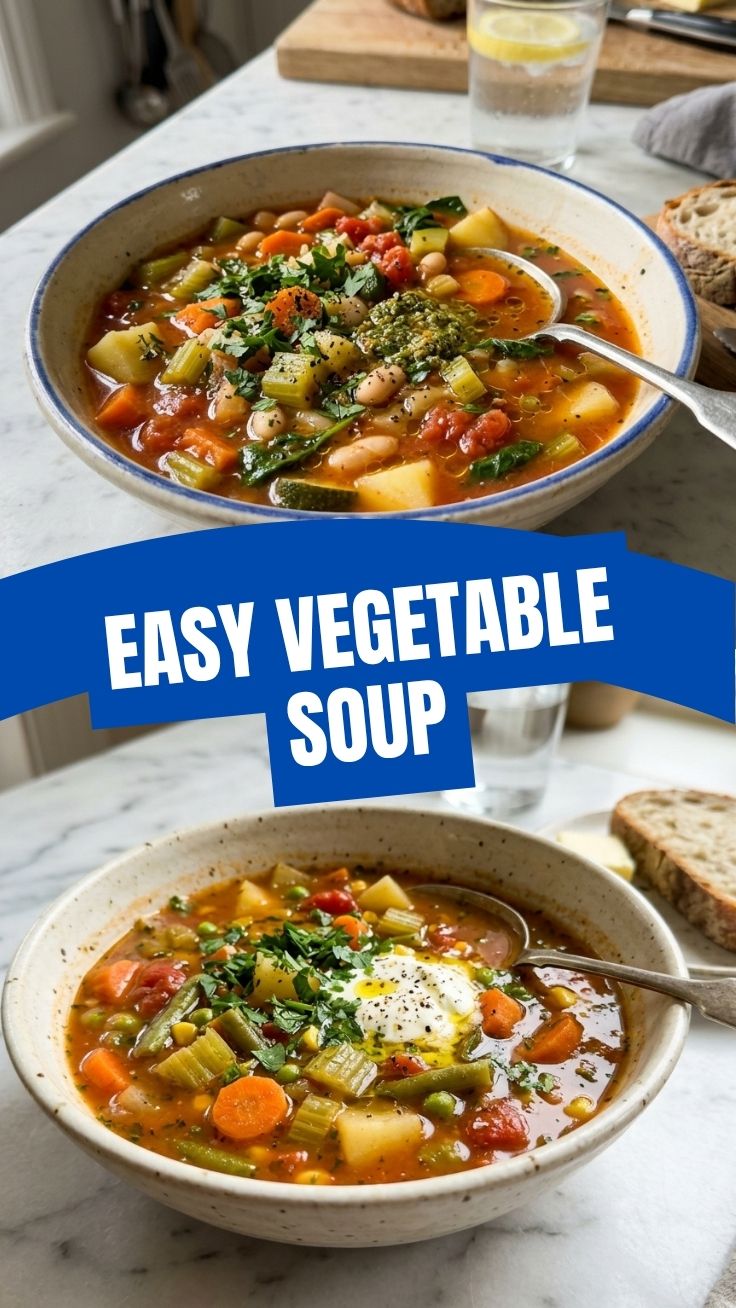
How to Grow Vegetable Soup with 5 Secrets
Ingredients
Equipment
Method
- Choose a sunny spot in your garden that receives at least 6-8 hours of direct sunlight daily and prepare the soil by removing weeds and loosening it to a depth of about 12 inches.
- Amend the soil with a generous amount of compost to improve fertility and drainage, ensuring a rich environment for your vegetables.
- Plant compatible vegetables together, such as carrots with rosemary or tomatoes with basil, to deter pests and enhance growth.
- Water deeply and regularly, especially during dry periods, to ensure consistent moisture for root development.
- Feed your plants with an organic, all-purpose fertilizer every 2-4 weeks to provide essential nutrients for robust growth.
- Harvest vegetables at their peak ripeness for the best flavor and to encourage continuous production.