Ingredients
Equipment
Method
Preparation
- Choose a sunny spot in your garden or select containers that will receive at least 6-8 hours of direct sunlight each day for optimal growth.
- Prepare your soil by mixing a high-quality potting mix with compost to ensure good drainage and nutrient retention.
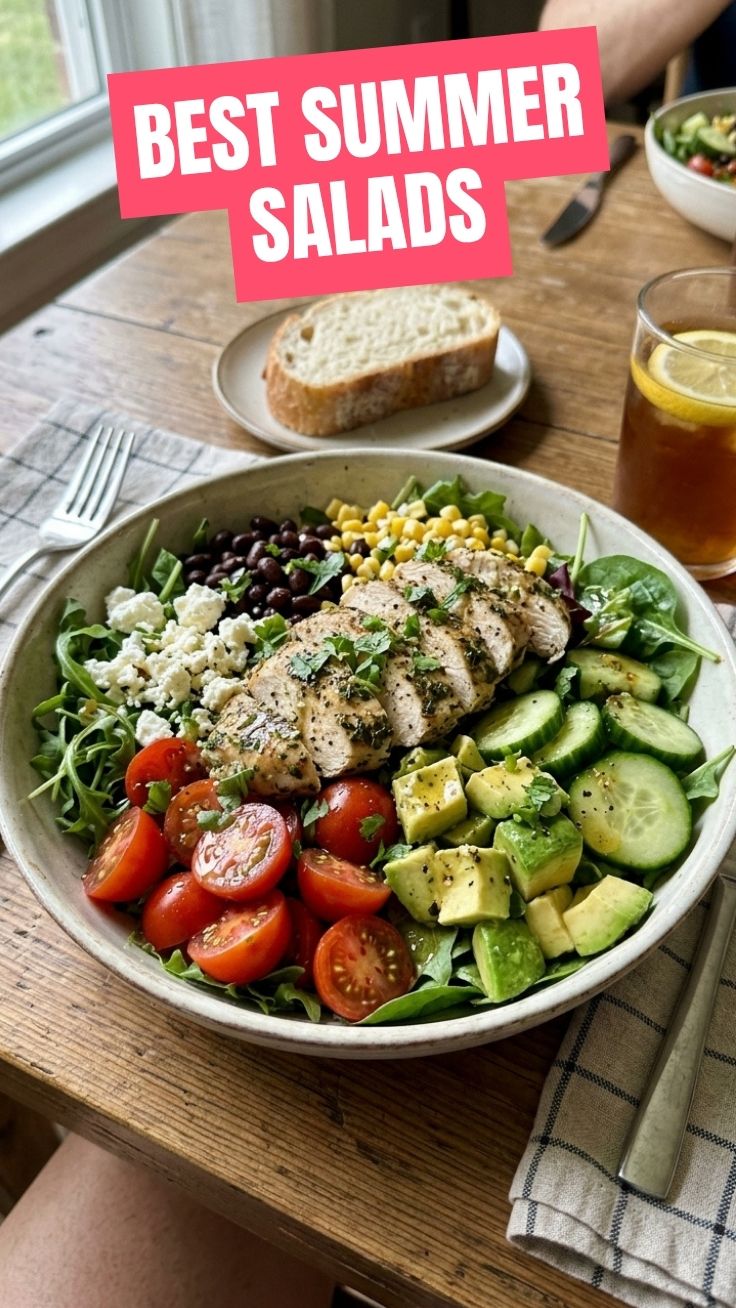
- Select your desired high-protein salad greens like spinach, arugula, and kale, as well as protein-rich legumes such as bush beans or peas, and other vegetables like cherry tomatoes, cucumbers, and bell peppers.
Planting
- Plant seeds according to package directions, typically at a depth of 1/2 inch, and space them correctly for healthy mature plants.
- For larger plants like tomatoes and peppers, transplant seedlings into their designated spots once the risk of frost has passed.
- Water thoroughly immediately after planting to help establish the seeds and seedlings in their new environment.
Care & Maintenance
- Water your plants regularly, providing about 1 inch of water per week, and consider using drip irrigation to maintain consistent moisture.
- Fertilize every 2-4 weeks with a balanced organic liquid fertilizer to provide essential nutrients for strong growth and high yields.
- Monitor your plants for pests and diseases, using organic pest control methods like neem oil or insecticidal soap if needed.
- Harvest your greens when young and tender, and pick beans and peas regularly to encourage continuous production.
Enjoy!
- Enjoy your homegrown, high-protein summer salads as a fresh and healthy addition to your meals.
Notes
Regular harvesting of greens and legumes will encourage more production. Consider companion planting to deter pests naturally and improve growth. Rotate crops each season to maintain soil health and prevent disease buildup. These are general guidelines; adjust amounts and methods based on your specific garden’s needs and environmental conditions.