Ingredients
Equipment
Method
Preparation
- Select a sunny spot in your garden that receives at least 6 hours of direct sunlight daily and has well-draining soil.
- Prepare the soil by enriching it with compost or aged manure to improve fertility and drainage. Aim for a pH between 6.0 and 7.0.
Planting
- If starting from seeds, sow them indoors 4-6 weeks before the last frost, about 1/2 inch deep. Transplant seedlings outdoors when they are 4-6 inches tall and after the danger of frost has passed.
- Space plants 18-24 inches apart in rows that are 2-3 feet apart, ensuring adequate air circulation.
Care and Maintenance
- Water regularly, especially during dry spells, keeping the soil consistently moist but not waterlogged. Brussels sprouts need about 1-1.5 inches of water per week.
- Mulch around the base of the plants to retain moisture, suppress weeds, and regulate soil temperature.
- Provide support for taller plants using stakes to prevent them from toppling over, especially when laden with sprouts.
Pest and Disease Management
- Regularly inspect plants for common pests like cabbage worms, aphids, and flea beetles. Use insect netting or organic pest control methods if necessary.
- Ensure good air circulation and avoid overhead watering to prevent fungal diseases such as powdery mildew and downy mildew.
Harvesting
- Brussels sprouts are typically ready for harvest 90-100 days after planting. Begin harvesting from the bottom of the stalk when sprouts are firm and about 1-2 inches in diameter.
- Snap or cut the sprouts off the main stalk, removing any yellowing leaves as you go. Continue harvesting upwards as sprouts mature.
Winterizing (Optional)
- In regions with mild winters, you can leave plants in the ground to continue producing sprouts. Provide a layer of mulch for insulation.
- For colder climates, consider harvesting the entire stalk before a hard freeze and storing it in a cool, dark place.
Enjoy!
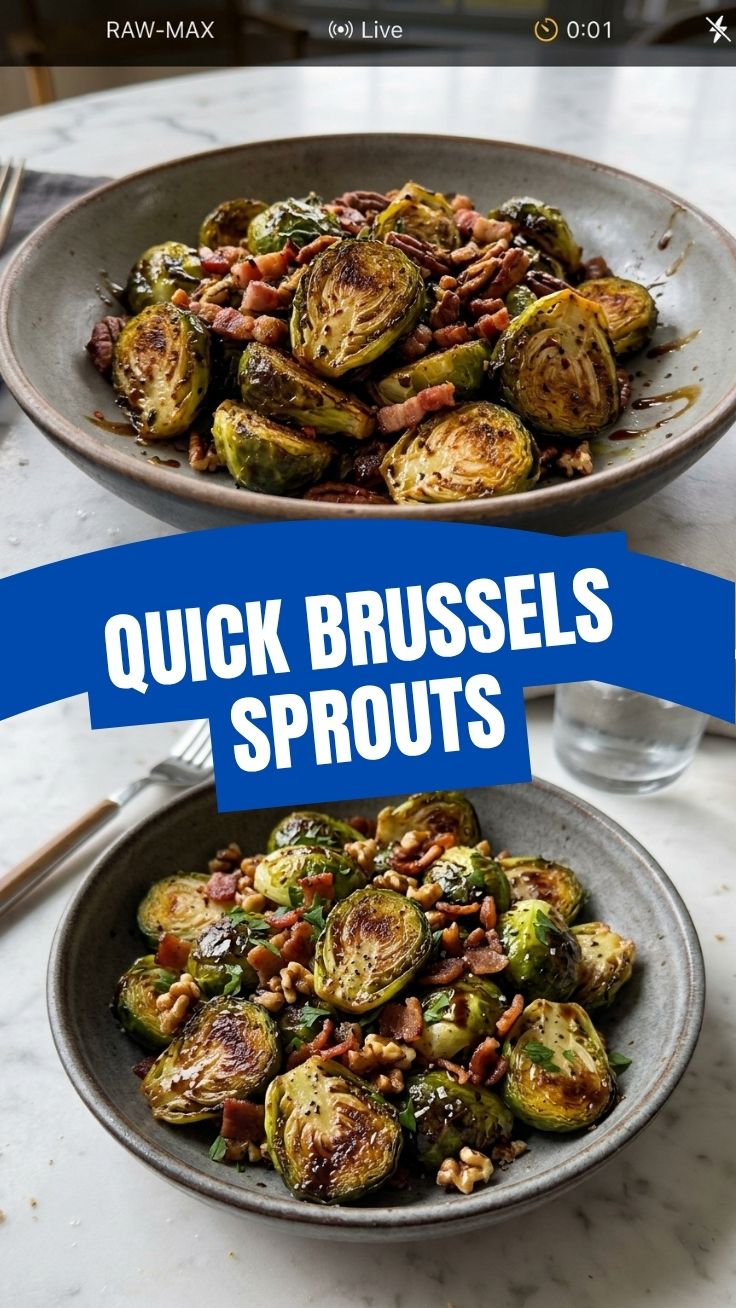
- Enjoy your fresh, home-grown Brussels sprouts! They can be roasted, steamed, sautéed, or added to various dishes.
Notes
Brussels sprouts taste even better after a light frost, as the cold enhances their sweetness. Protect young plants from pests early on for a successful harvest.