The Freshest Salsa You’ll Ever Make
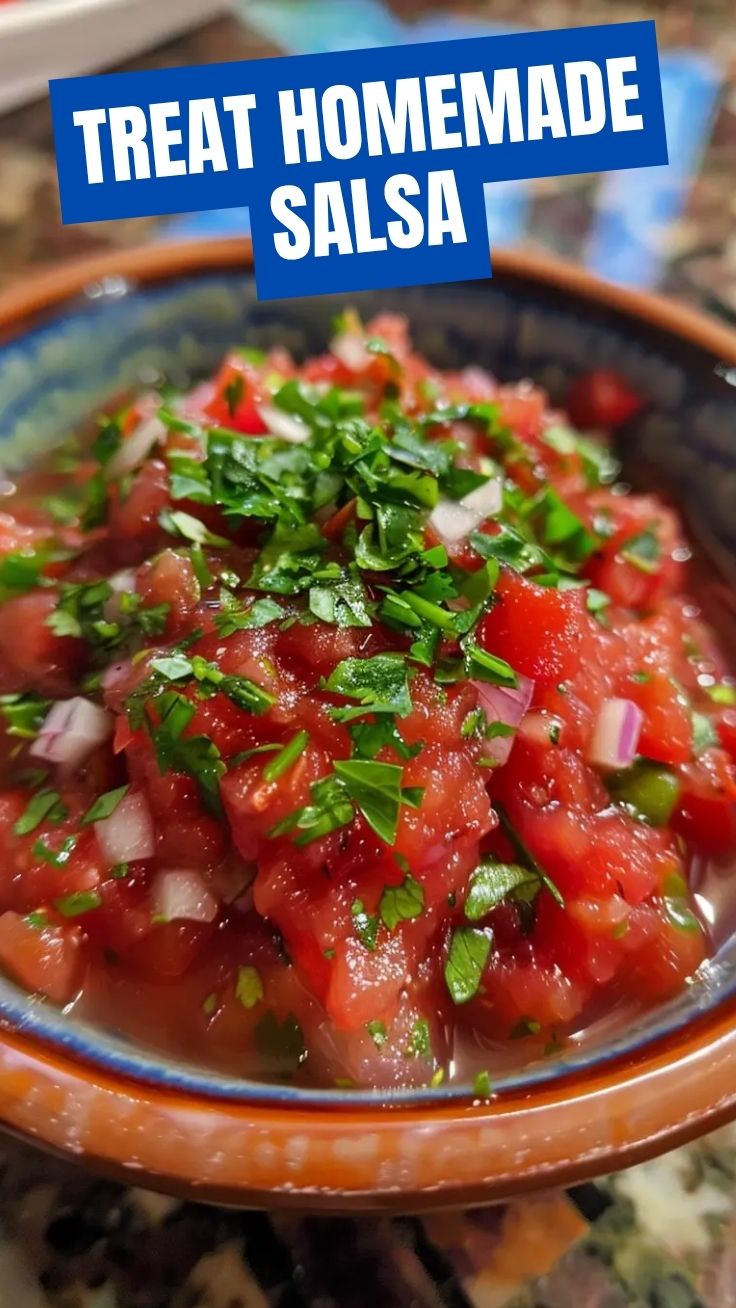
Have you ever tasted store-bought salsa and wondered why it never compares to the vibrant, spicy kick of a freshly made version? The secret lies in using peak-season produce and a simple technique that unlocks layers of flavor. Preparing your own batch of Homemade Salsa not only saves money but also lets you control every ingredient. At the heart of this recipe are Fresh tomatoes, which provide the bright acidity and juicy texture that define a classic salsa. Whether you’re hosting a party or simply elevating taco night, making salsa from scratch takes only 15 minutes of active work and rewards you with a condiment that’s far superior to anything in a jar.
Ingredients & Kitchen Tools
Fresh produce:
– Fresh tomatoes – 1½ lbs (about 4–5 medium Roma or vine-ripened). Roma tomatoes offer less water and firmer flesh, which creates a thicker salsa.
– White or red onion – ½ medium, finely diced. Red onion adds a milder bite.
– Jalapeño or serrano pepper – 1 to 2, seeded and minced. Serrano brings more heat.
– Fresh cilantro – ½ cup chopped (stems included for extra flavor).
– Lime juice – 2 tablespoons freshly squeezed (avoid bottled for brightness).
– Salt – ½ teaspoon, plus more to taste.
Optional additions: 1 garlic clove (minced), ¼ teaspoon ground cumin, ½ teaspoon sugar (to balance acidity).
Kitchen tools: Cutting board, chef’s knife, medium mixing bowl, spoon, and a food processor or molcajete (mortar and pestle).
Substitutions: For a milder salsa, use bell pepper instead of jalapeño. If tomatoes aren’t ripe, add a pinch of sugar to compensate. Swap cilantro for fresh basil if you’re one of the cilantro-averse.
Prep Time & Cooking Schedule
Prep time: 15 minutes
Resting time: 30 minutes (flavor melding)
Total time: 45 minutes
This is a no-cook recipe, so the schedule is flexible. The resting step is crucial—it allows the salt to draw out tomato juices and the lime to mellow the onion’s sharpness. You can make the salsa up to 24 hours ahead; the flavors actually deepen overnight. Plan to serve it at room temperature for the best sensory experience.
Step-by-Step Instructions
1. Prepare the fresh tomatoes. Core each tomato, then cut them in half crosswise. Gently squeeze out the seeds and excess gel—this step prevents watery salsa. Dice the flesh into ¼-inch cubes and transfer to a mixing bowl.
2. Add the alliums. Mix in the finely diced onion and minced pepper. For a milder heat, remove the pepper’s white membrane before dicing.
3. Season and acidify. Pour in the lime juice, add salt, and stir in chopped cilantro. If using garlic, cumin, or sugar, add them now.
4. Adjust texture. For a chunky homemade salsa, stop here. For a smoother version, pulse the mixture in a food processor 3–4 times (do not puree—you want visible pieces).
5. Taste and rest. Check the seasoning level—you should taste bright acidity, salt, and a mild kick. Let the salsa rest at room temperature for 30 minutes, then taste again and adjust as needed.
Pro tip: Use cold fresh tomatoes directly from the fridge? Let them sit on the counter for 20 minutes before starting. Room-temperature tomatoes release more juice and flavor.
Nutritional Benefits & Advantages
Fresh tomatoes are the star of this salsa, delivering lycopene, a powerful antioxidant linked to heart health and reduced inflammation. A single serving (½ cup) contains only about 25 calories and provides 15% of your daily vitamin C needs. The onion and garlic add prebiotic fiber, while jalapeño peppers contain capsaicin, which may boost metabolism. Because this recipe contains no oil, sugar (unless added), or preservatives, it’s naturally gluten-free, dairy-free, vegan, and Whole30-friendly. Making salsa at home also lets you reduce sodium by 60% compared to many store brands.
Tips, Variations & Cooking Advice
– Fruit twist: Fold in ½ cup diced mango or pineapple for a sweet-savory version.
– Roasted variation: Broil the tomatoes, onion, and pepper for 10 minutes until charred, then proceed. This deepens smokiness.
– Herb swap: Replace cilantro with equal parts fresh parsley and mint for a Mediterranean profile.
– Adjusting heat: For a mild salsa, remove all seeds and ribs from the pepper. For extra fire, add a splash of hot sauce or a pinch of cayenne.
– Dietary adaptations: The recipe is already gluten-free and dairy-free. For low-FODMAP, omit garlic and use the green part of spring onion instead of regular onion.
Common Mistakes to Avoid
1. Using under-ripe tomatoes. They yield a pale, sour salsa. If tomatoes feel hard, let them ripen on the counter for 2–3 days.
2. Over-processing. A food processor can turn salsa into watery soup. Pulse only until combined, or chop everything by hand.
3. Skipping the resting step. Without 30 minutes of rest, the flavors remain separate and harsh.
4. Adding too much salt early. Salt draws out liquid; you can’t remove excess. Start with ½ teaspoon and add more after resting.
5. Storing with cut cilantro on top. Fresh cilantro wilts quickly. Stir it in just before serving, or add it only to the portion you’ll eat immediately.
Storage & Meal Prep Tips
Keep leftover salsa in an airtight container in the refrigerator for up to 5 days. The flavors will continue to meld, but the texture may soften slightly. For longer storage, freeze salsa in a zip-top bag with all air removed—it stays fresh for 3 months. Note: frozen and thawed salsa will be more watery, so it’s best used in cooked dishes like enchiladas or soups. To restore texture after thawing, drain off excess liquid and stir in fresh cilantro. Never leave salsa at room temperature for more than 2 hours (1 hour if above 90°F). Reheating is not recommended; serve chilled or at room temperature.
Conclusion
Mastering a simple, fresh salsa is a skill that transforms everyday meals—from breakfast eggs to grilled meats and veggie bowls. By starting with quality fresh tomatoes and following a few mindful steps, you create a homemade salsa that’s bursting with real food flavor, zero additives, and complete versatility. I encourage you to try this base recipe this week, then experiment with your own twist. Share your results (tag a photo!) and explore our other condiment guides—you might never buy salsa again.
FAQs
1. Can I use canned tomatoes instead of fresh?
Yes, but the texture will differ. Drain a 14-oz can of fire-roasted tomatoes, then follow the same steps. The result will be softer and smokier, perfect for cooked salsas.
2. How do I make my salsa less spicy?
Remove all seeds and white membrane from the jalapeño. If it’s still too hot, add a diced cucumber or an extra ½ cup of tomatoes to dilute the heat.
3. Why is my salsa watery?
You likely skipped seeding the tomatoes or used overly ripe, soft tomatoes. Next time, squeeze out the gel and seeds, and consider draining the diced tomatoes in a colander for 10 minutes.
4. Can I add fruit like mango to this recipe?
Absolutely. Dice ½ cup of ripe mango or peach and fold it in after the resting step. This pairs beautifully with grilled fish or pork.
5. How long will homemade salsa last in the fridge?
Properly stored in a sealed container, it stays fresh for up to 5 days. After that, the texture becomes mushy and the flavor dulls. Always check for off odors before eating.
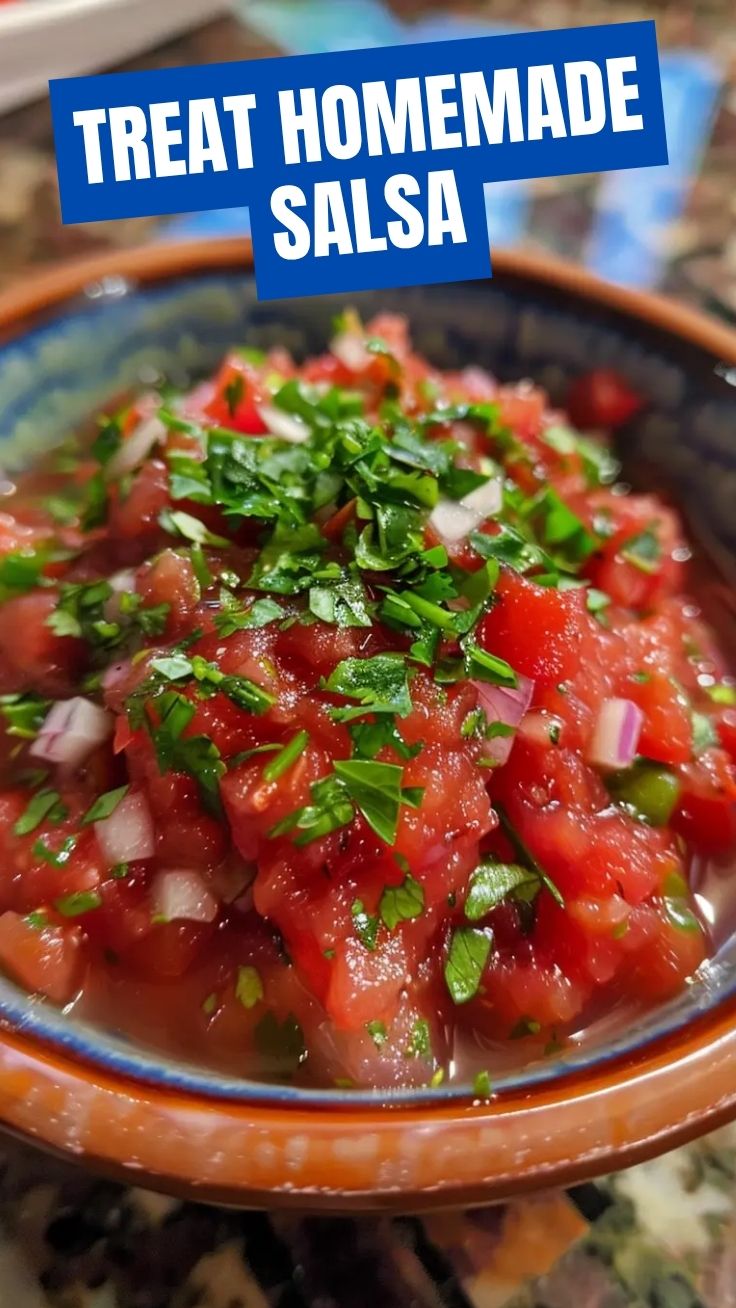
How to grow the perfect Homemade Salsa in 5 stepsHomemade Salsa
Ingredients
Equipment
Method
- Combine all ingredients in a large bowl, mixing until well combined.
- Taste the salsa and adjust seasonings as desired.
- For best flavor, cover and refrigerate for at least 30 minutes before serving.
- Serve chilled with tortilla chips, tacos, or as a garnish for your favorite dishes.
- Store leftover salsa in an airtight container in the refrigerator for up to 5 days.