Authentic Chicken Souvlaki: A Taste of Greece in Your Own Kitchen
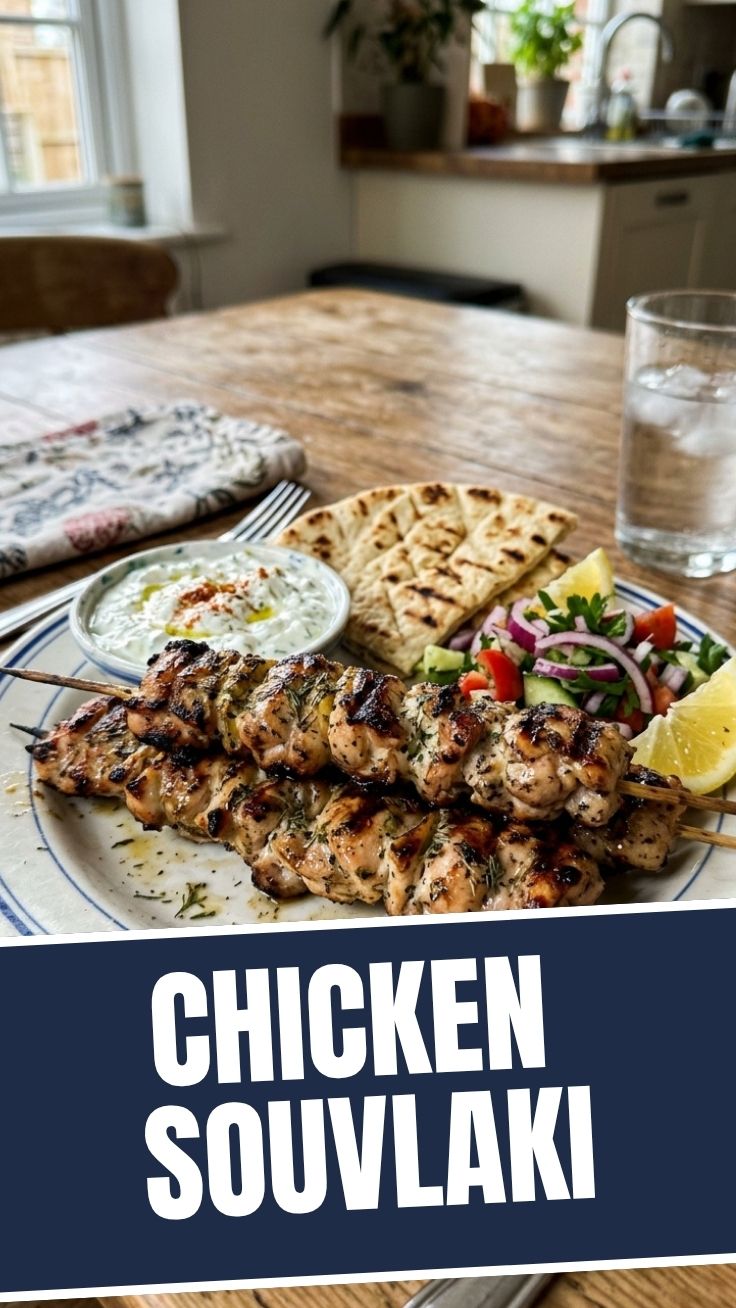
Have you ever bitten into a perfectly charred skewer of marinated chicken and wondered why it tastes so much better at a Greek taverna than anything you’ve made at home? The secret isn’t a special grill—it’s the balance of bright lemon, earthy oregano, and the patience to let the marinade work its magic. Preparing Chicken Souvlaki at home not only saves you a trip to the restaurant but also lets you control every ingredient, from the quality of the meat to the salt level. This classic dish is a cornerstone of Greek food, beloved for its simplicity and bold flavors. In this guide, you’ll learn exactly how to replicate that restaurant-quality taste, with data-backed tips to ensure juicy, tender results every time.
Ingredients & Kitchen Tools
For the Souvlaki
– 1.5 lbs boneless, skinless chicken thighs (or breasts – thighs stay juicier)
– ¼ cup olive oil (extra virgin for richer flavor)
– 3 tablespoons fresh lemon juice (about 1 large lemon)
– 3 cloves garlic, minced
– 1 tablespoon dried oregano (preferably Greek)
– 1 teaspoon salt (sea salt recommended)
– ½ teaspoon black pepper
– Optional: 1 teaspoon smoked paprika or red pepper flakes for heat
For Serving (optional but recommended)
– Pita bread, tzatziki sauce, sliced tomatoes, red onion, and fries
Kitchen Tools
– Metal or wooden skewers (soak wooden ones in water 30 minutes to prevent burning)
– Large mixing bowl or resealable bag for marinating
– Grill, grill pan, or cast-iron skillet
– Tongs for flipping
– Instant-read thermometer (target internal temp 165°F)
Substitution notes: Use chicken breasts if you prefer white meat (reduce cooking time slightly). For dairy-free tzatziki, swap yogurt for coconut yogurt. Gluten-free? Serve with lettuce wraps instead of pita.
Prep Time & Cooking Schedule
– Marinating time: 30 minutes minimum, 4 hours ideal, overnight best (no more than 24 hours – acid can break down meat too much)
– Prep time: 15 minutes (cutting, mixing, skewering)
– Cook time: 10–14 minutes total for thighs (turning every 3–4 minutes)
– Resting time: 5 minutes after cooking (allows juices to redistribute)
Plan ahead: If you’re serving with sides like Greek salad or lemon potatoes, start those while the chicken marinates. Total hands-on time is about 30 minutes, but the marinade does the heavy flavor work for you.
Step-by-Step Instructions
1. Prepare the marinade: In a bowl, whisk together olive oil, lemon juice, minced garlic, oregano, salt, and pepper. Add the chicken, coat thoroughly, and refrigerate for at least 30 minutes. Tip: Don’t oversalt early if marinating overnight – salt draws out moisture over long periods, so add half now and half just before cooking.
2. Skewer the chicken: Thread marinated pieces onto skewers, leaving a small gap between pieces to allow even cooking. For even thickness, cut chicken into 1.5-inch chunks.
3. Preheat your grill or pan to medium-high heat (about 400°F). Oil the grates lightly to prevent sticking.
4. Grill the chicken: Place skewers on the hot surface. Cook for 4 minutes, then flip. Continue flipping every 3–4 minutes until the internal temperature reaches 165°F and the outside has deep char marks. Texture cue: Chicken should feel firm but not hard; juices run clear when pierced.
5. Rest and serve: Remove from heat, cover loosely with foil, and rest 5 minutes. Serve on warm pita with tzatziki, tomato, and onion.
During the grilling step, you’ll notice how the bright marinade caramelizes perfectly, embodying the essence of Chicken Souvlaki – simple ingredients transformed by heat. If you’re new to Greek food, this recipe is the perfect introduction because it relies on fresh, accessible flavors that don’t require exotic hard-to-find spices.
Nutritional Benefits & Advantages
Chicken Souvlaki is a high-protein, moderate-fat dish that supports muscle maintenance and satiety. A 6-ounce serving (without pita or sauce) provides approximately:
– Calories: 280
– Protein: 38g
– Fat: 13g (mostly from olive oil, which is heart-healthy monounsaturated)
– Carbs: 2g (negligible)
The marinade’s lemon juice adds vitamin C (boosts iron absorption from the chicken), while garlic and oregano offer antioxidant and anti-inflammatory properties. Using chicken thighs over breasts increases iron and zinc slightly, and olive oil provides polyphenols linked to reduced cardiovascular risk. For a lower-calorie option, swap thighs for breasts and reduce oil by half.
Tips, Variations & Cooking Advice
– Flavor variation: Add 1 teaspoon dried rosemary or a splash of red wine vinegar for a different herbaceous note.
– Ingredient swap: Use pork shoulder or beef sirloin cut into cubes for a variation popular in Greece (then it’s called souvlaki from pork, but chicken remains the lean favorite).
– Cooking method: No grill? Bake at 425°F on a wire rack over a baking sheet for 15–20 minutes, then broil 2 minutes for char.
– Dietary adaptation: For gluten-free, skip pita and serve over a bed of greens with tzatziki. For dairy-free, use tahini sauce or a simple lemon-olive oil dressing.
– Portion change: Double the marinade for extra sauce – brush it on during cooking for more flavor.
Common Mistakes to Avoid
– Mistake #1: Over-marinating (more than 24 hours). The acid in lemon juice will break down the chicken into mush. Solution: Set a timer and stick to 4–8 hours.
– Mistake #2: Crowding the skewers. Pieces pressed together won’t brown evenly. Solution: Leave a finger’s width between each chunk.
– Mistake #3: Skipping the rest period. Cutting immediately lets juices run out, leaving dry meat. Solution: Wait 5 minutes before serving.
– Mistake #4: Using low-fat yogurt in tzatziki. Full-fat Greek yogurt is thicker and won’t break when squeezed. Solution: Use at least 2% fat yogurt.
Storage & Meal Prep Tips
– Refrigeration: Store cooled souvlaki (off skewers) in an airtight container for up to 3 days. Keep tzatziki separate to prevent sogginess.
– Freezing: Wrap cooked chicken tightly in foil and freeze for up to 3 months. Thaw overnight in the fridge.
– Reheating: For best texture, reheat in a skillet over medium heat with a splash of water (cover 2 minutes, then uncover to crisp). Microwave works but may dry it out – defrost and use 50% power.
– Meal prep: Marinate raw chicken in a freezer bag, freeze flat, and thaw in the fridge overnight when ready to cook. Skewer after thawing.
Conclusion
Mastering Chicken Souvlaki at home is about understanding a few key principles: a balanced marinade, proper heat, and patience to let the meat rest. This dish captures the soul of Greek food – fresh, vibrant, and communal. Whether you’re grilling for a summer party or a quick weeknight dinner, this recipe delivers consistent results that will have your family asking for seconds. Try it tonight, snap a photo of your skewers, and share your results – or explore more Mediterranean classics like Greek lemon potatoes and maroulosalata. Your homemade souvlaki is only a marinade away.
FAQs
1. Can I use chicken breasts instead of thighs?
Yes, but adjust cooking time to 8–10 minutes total (since breasts cook faster). Check temperature at 160°F and let carryover cooking take it to 165°F.
2. Why is my chicken sticking to the grill?
The grill wasn’t hot enough or well-oiled. Preheat 10 minutes, oil the grates with a paper towel dipped in oil, and wait until the chicken releases naturally (usually after 3–4 minutes).
3. How do I make this dairy-free?
Skip the tzatziki or make a dairy-free version with coconut yogurt and cucumber. The souvlaki itself is naturally dairy-free.
4. What if I don’t have oregano?
Use thyme or marjoram as substitutes. The flavor will be different but still delicious. Increase lemon slightly to brighten.
5. Can I grill frozen skewers?
It’s not recommended – the outside will burn before the inside cooks. Always thaw completely before grilling for food safety and even cooking.
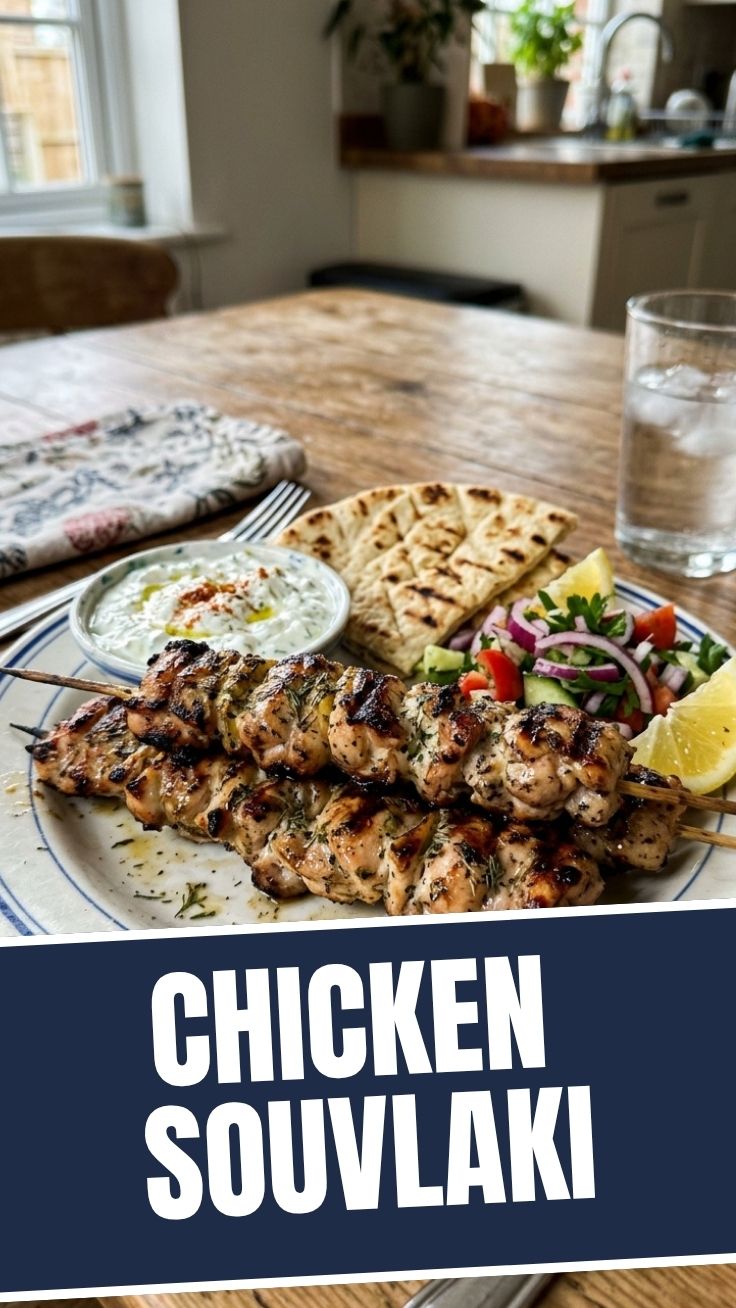
Proven way to grow Healthy Chicken Souvlaki
Ingredients
Equipment
Method
- Cut the chicken breasts into 1-inch cubes.
- In a bowl, whisk together the lemon juice, olive oil, oregano, garlic powder, salt, and pepper.
- Add the chicken to the marinade, toss to coat, and refrigerate for at least 30 minutes, or up to 4 hours.
- Preheat your grill to medium-high heat.
- Thread the marinated chicken onto skewers.
- Grill the chicken skewers for 3-4 minutes per side, until cooked through and lightly charred.