The Ultimate Guide to Making Restaurant-Quality Pesto Pasta at Home
Have you ever wondered why Pesto Pasta tastes so much better at Italian restaurants than when you try to make it at home? The secret isn’t a hidden ingredient—it’s technique, timing, and understanding how simple fresh components transform into something extraordinary. Preparing this vibrant dish in your own kitchen not only saves money but lets you control quality and customize flavors to perfection. Whether you’re a novice cook or seasoned home chef, mastering pasta recipes like this one will elevate your culinary confidence instantly.
Ingredients & Kitchen Tools
Main Ingredients
– Fresh basil leaves (2 cups packed) – Opt for Genovese basil for authentic sweetness; avoid wilted dark leaves
– Pine nuts (⅓ cup) – Toast lightly to release oils; substitute walnuts or almonds for budget-friendly version
– Garlic cloves (2-3 medium) – Use fresh, not jarred; adjust based on strength preference
– Parmesan Reggiano (½ cup freshly grated) – Pre-shredded lacks meltability; Pecorino Romano works well
– Extra virgin olive oil (½ cup) – Quality matters; use robust Italian or California varietal
– Pasta of choice (12 oz) – Trofie, linguine, or fusilli hold sauce best
– Salt – Diamond Crystal kosher or fine sea salt recommended
– Lemon juice (1 tbsp, optional) – Brightens without overpowering
Kitchen Tools
– Food processor or high-speed blender
– Large pot (6-8 quart)
– Colander
– Wooden spoon
– Sharp chef’s knife
– Cutting board
– Measuring cups and spoons
– Microplane or box grater
Prep Time & Cooking Schedule
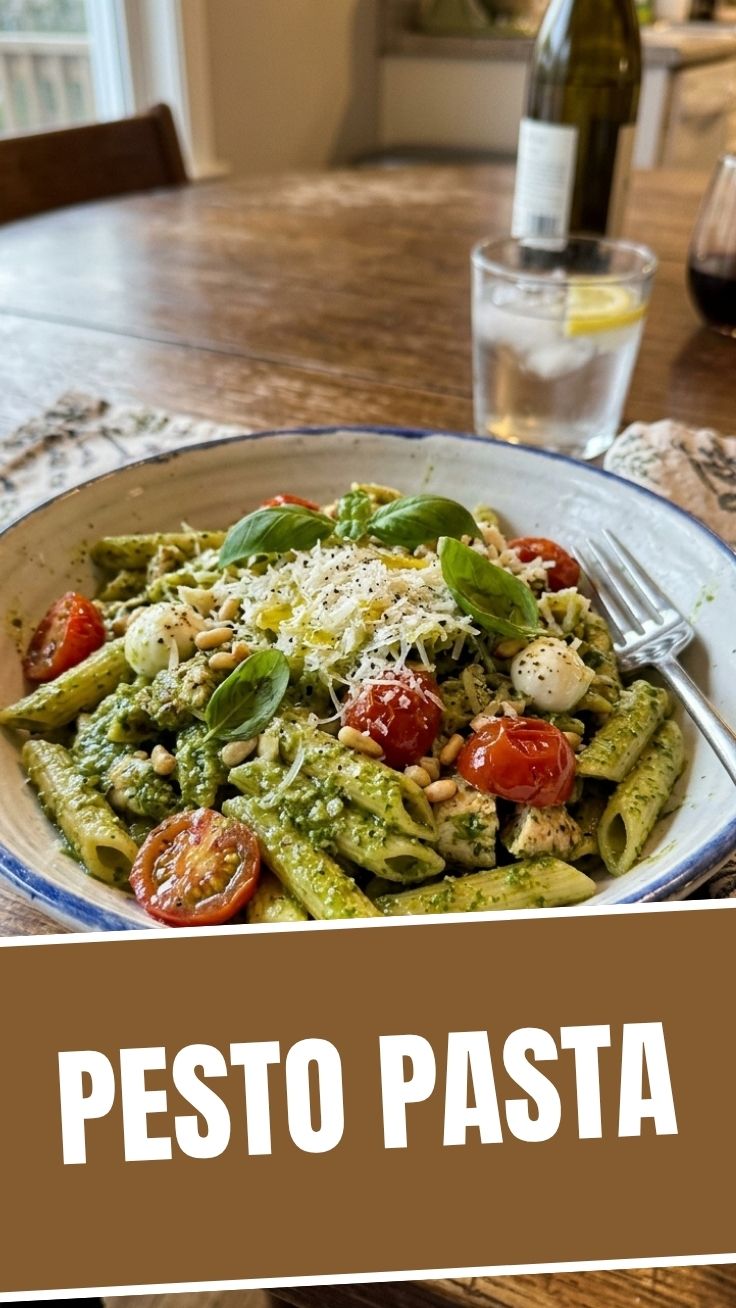
Total time: 20 minutes – This recipe demands efficiency. The magic happens when pasta cooking and sauce preparation overlap.
– Prep time: 10 minutes (wash basil, toast pine nuts, grate cheese, peel garlic)
– Cook time: 8-10 minutes for pasta al dente
– Assembly time: 2 minutes – Toss immediately while pasta is hot
Pro tip: Set a timer for pasta 2 minutes before package instructions suggest. Pesto pasta requires slightly undercooked noodles since they’ll continue cooking when tossed with warm sauce.
Step-by-Step Instructions
Step 1: Toast the pine nuts. Place pine nuts in a dry skillet over medium-low heat. Shake frequently for 2-3 minutes until golden and fragrant. Remove immediately to a plate – they burn quickly.
Step 2: Start pasta water. Fill pot with 4-5 quarts water, add 1½ tablespoons salt (water should taste like the sea). Bring to rolling boil over high heat.
Step 3: Prepare pesto while water heats. In food processor, combine pine nuts, garlic, and basil leaves. Pulse 8-10 times until coarsely chopped. With motor running, drizzle olive oil slowly through feed tube. Stop, scrape sides, add Parmesan and lemon juice. Pulse 3-4 more times until creamy but still textured. For a classic Pesto Pasta experience, avoid over-processing – pesto should have small flecks, not puree.
Step 4: Cook pasta. Drop pasta into boiling water. Stir immediately to prevent sticking. Cook according to package directions minus 1 minute for al dente. Pasta recipes often recommend testing noodles 2 minutes early – bite one; it should offer slight resistance at center.
Step 5: Reserve pasta water. Before draining, ladle out 1 cup of starchy cooking water. This is the “secret weapon” for silkier sauce.
Step 6: Combine and serve. Drain pasta (don’t rinse – starch helps sauce cling). Return to warm pot. Add pesto and ¼ cup reserved water. Toss vigorously for 30 seconds. Add more pasta water tablespoon by tablespoon until sauce coats noodles without pooling. Serve immediately with extra Parmesan and basil.
Nutritional Benefits & Advantages
Pesto Pasta delivers surprising nutritional density. Basil provides vitamin K (100% DV per serving) and antioxidants like eugenol, which may reduce inflammation. Pine nuts offer magnesium for muscle function and healthy fats that support heart health. Olive oil contributes polyphenols linked to reduced cardiovascular disease risk. Parmesan adds calcium (33% DV per ounce) and protein (8g per serving). When paired with whole wheat pasta, fiber content triples while glycemic impact decreases. This dish also works beautifully for Mediterranean diet followers – studies show regular consumption of olive oil-based sauces correlates with lower LDL cholesterol.
Tips Variations & Cooking Advice
Flavor variations:
– Sun-dried tomato pesto – Replace half basil with oil-packed sun-dried tomatoes
– Arugula walnut pesto – Swap basil for peppery arugula and pine nuts for walnuts
– Vegan version – Substitute nutritional yeast (3 tbsp) for Parmesan; add 1 tbsp miso for umami
Cooking adjustments:
– Gluten-free – Use chickpea or brown rice pasta; cook 1 minute less to avoid mushiness
– Lower fat – Reduce olive oil to ¼ cup, add 2 tbsp vegetable broth for consistency
– Bulk prep – Double pesto recipe; freeze in ice cube trays for quick future meals
Portion flexibility: This recipe serves 4 as main course, 6 as side. For meal prep, store pesto separately from pasta until serving to prevent sogginess.
Common Mistakes to Avoid
Mistake 1: Over-processing pesto – High-speed blades generate heat that oxidizes basil, turning sauce brown and bitter. Solution: Pulse, don’t blend continuously. Chill ingredients beforehand.
Mistake 2: Rinsing pasta – Water washes away starch needed to bind sauce to noodles. Solution: Never rinse pasta intended for pesto; drain and toss immediately.
Mistake 3: Adding pesto to cold pasta – Sauce won’t coat evenly and flavors remain muted. Solution: Warm pasta pot before adding pesto; toss over low heat if needed.
Mistake 4: Forgetting pasta water – Sauces become clumpy without starch liquid. Solution: Always reserve water before draining; add gradually while tossing.
Mistake 5: Using pre-grated cheese – Cellulose anti-caking agents prevent smooth melting. Solution: Grate Parmesan fresh from block – the 30 seconds of effort transforms texture.
Storage & Meal Prep Tips
Refrigeration: Store pesto pasta in airtight container up to 3 days. To maintain texture, toss with 1 tsp olive oil before refrigerating – this prevents clumping.
Freezing pesto alone: Spoon into ice cube trays (2 tbsp each), freeze 4 hours, transfer to freezer bag. Keeps 6 months. Thaw in refrigerator overnight; do not microwave – heat destroys basil’s volatile oils.
Freezing cooked pasta: Not recommended – noodles become mushy upon thawing. Instead, cook fresh pasta when ready.
Reheating: Place portion in skillet over medium-low heat with 1 tbsp reserved pasta water or broth. Cover and warm 3-4 minutes, stirring once. Alternatively, microwave at 50% power in 30-second intervals – high heat turns pesto bitter.
Make-ahead tip: Prepare pesto 24 hours in advance. Press plastic wrap directly onto surface to prevent oxidation (browning). Bring to room temperature 30 minutes before using.
Conclusion
Perfecting Pesto Pasta at home transforms a humble weeknight meal into something genuinely memorable. By understanding how to toast pine nuts, reserve pasta water, and avoid common pitfalls, you’ll consistently produce vibrant, restaurant-quality results. These foundational pasta recipes serve as a canvas for creativity – experiment with different greens, nuts, and cheeses to make the dish your own. The satisfaction of pulling together fresh ingredients in under 20 minutes cannot be overstated. We’d love to hear your variations – share your pesto creations in the comments below!
FAQs
Q: Can I use jarred pesto instead of homemade?
A: Quality jarred pesto works in a pinch, but contains preservatives and often uses cheaper oils. To improve, add fresh basil (⅓ cup chopped) and extra Parmesan before tossing.
Q: Why did my pesto turn brown?
A: Oxidation from over-processing or exposure to air. Prevent by using room-temperature ingredients, pulsing instead of blending, and pressing plastic wrap directly onto surface when storing.
Q: Can I make pesto without pine nuts?
A: Absolutely – walnuts, almonds, or pepitas (pumpkin seeds) work beautifully. Toast them first for deeper flavor. Sunflower seeds offer budget-friendly alternative.
Q: How do I adjust consistency if sauce seems dry?
A: Add pasta cooking water 1 tablespoon at a time while tossing vigorously. The starch emulsifies into the oil, creating creamy texture without additional fat.
Q: Is Pesto Pasta suitable for meal prep lunches?
A: Yes, with strategy. Store pesto separately from pasta; combine only before eating. Reheat pasta alone, then stir in pesto off-heat to preserve fresh flavor.
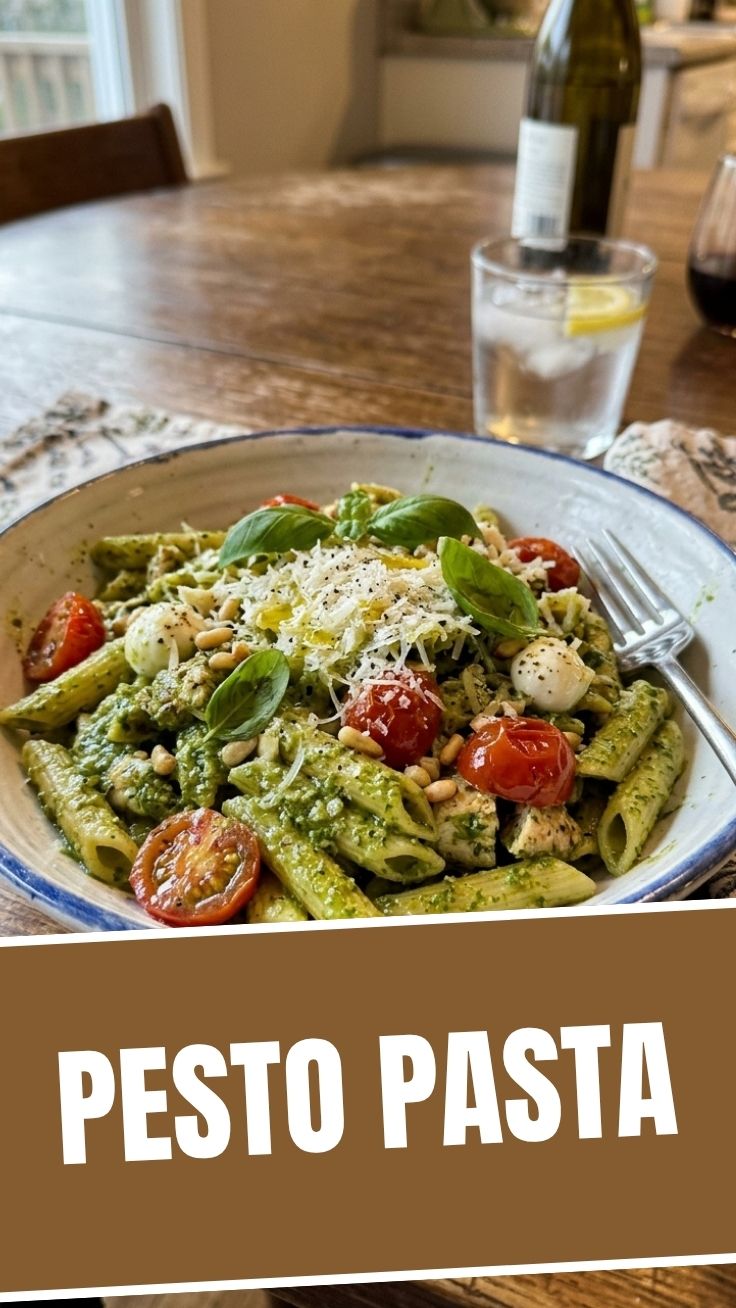
Proven way to grow flavorful pesto pasta in 30 minutes. Pesto Pasta
Ingredients
Equipment
Method
- Boil a pot of salted water and cook the pasta according to package directions.
- While pasta cooks, halve the cherry tomatoes and grate the Parmesan cheese.
- Drain the cooked pasta, reserving a small amount of pasta water.
- In a large bowl, combine the hot pasta with pesto, cherry tomatoes, and Parmesan cheese, adding a splash of reserved pasta water if needed for creaminess.
- Toss well and serve immediately, garnished with fresh basil and toasted pine nuts if desired.