Why Homemade Cacio e Pepe Beats Restaurant Versions Every Time
Have you ever tasted a bowl of Cacio e Pepe that was clumpy, greasy, or just bland? It’s a frustrating experience, especially when you know this Roman classic should be creamy, peppery, and absolutely perfect with just three simple ingredients. Preparing this dish at home isn’t just about saving money—it’s about mastering a technique that transforms humble pantry staples into something extraordinary. In this guide, we’ll walk you through the science and art behind authentic Cacio e Pepe, ensuring your version rivals any trattoria. And once you nail it, you’ll find yourself exploring more Italian pasta recipes with newfound confidence.
—
Ingredients & Kitchen Tools
Pasta (400g / 14 oz): Use tonnarelli, spaghetti, or bucatini. Tonnarelli’s square edges hold the sauce best.
Pecorino Romano (200g / 7 oz): Freshly grate a high-quality wheel. Pre-grated contains anti‑caking agents that ruin creaminess.
Whole black peppercorns (2 tbsp): Freshly crack with a mortar and pestle for varied textures. Avoid pre‑ground pepper.
Salt (for pasta water): Use coarse sea salt. Don’t skip—the starchy water is essential.
Optional: A splash of reserved pasta water for adjusting consistency.
Tools: Large pot, box grater or microplane, cast‑iron or non‑stick skillet, tongs, and a whisk.
—
Prep Time & Cooking Schedule
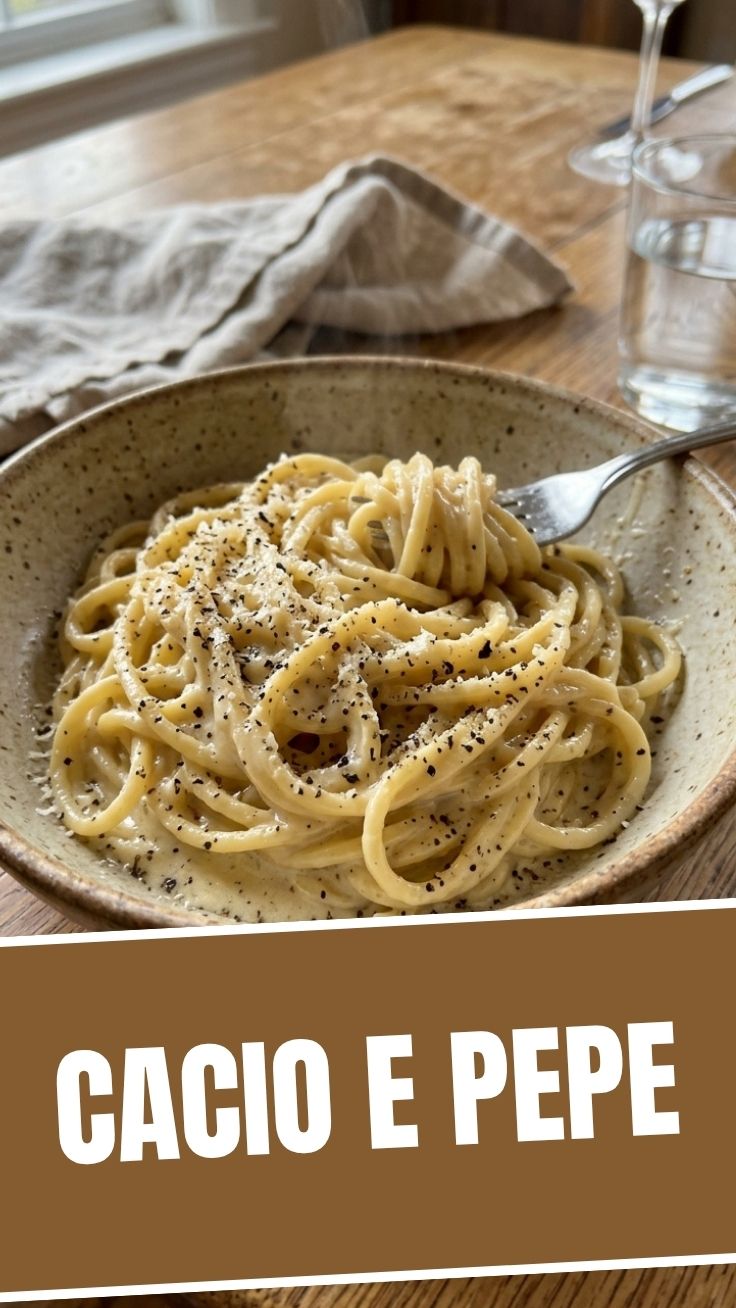
– Prep time: 10 minutes (grate cheese, crack pepper, measure water).
– Cook time: 10 minutes (pasta + sauce).
– Total: ~20 minutes.
Plan to serve immediately. The sauce thickens fast, so have plates warmed and diners ready.
—
Step-by-Step Instructions
1. Toast the pepper: Place cracked pepper in a cold skillet. Toast over medium heat for 1–2 minutes until fragrant. Add a ladleful of hot pasta water and swirl. Set aside.
2. Cook the pasta: Bring a large pot of water to a rolling boil. Add salt (about 1½ tbsp per gallon). Cook pasta 1 minute less than al dente. Reserve 2 cups of starchy water before draining.
3. Create the emulsion: Return skillet with pepper to low heat. Add a splash of reserved water. Quickly whisk in finely grated Pecorino, a handful at a time, until a creamy paste forms. Keep heat low to avoid clumping.
4. Finish the dish: Toss drained pasta into the skillet with tongs. Add more water as needed—the sauce should coat each strand like velvet. Off heat, add final grating of cheese. Serve immediately.
Pro tip: For a foolproof Cacio e Pepe, always use room‑temperature cheese and low heat. This technique is the cornerstone of many Italian pasta recipes that rely on emulsified sauces.
—
Nutritional Benefits & Advantages
Cacio e Pepe is surprisingly balanced. Pecorino Romano provides calcium and protein (about 30g per serving), while pasta offers sustained energy. The black pepper contains piperine, which may aid nutrient absorption. Unlike cream‑based sauces, this dish relies on cheese fat—making it a more natural, less processed option. It’s also naturally vegetarian and can be made gluten‑free (see variations below).
—
Tips, Variations & Cooking Advice
– Flavor twist: Add a pinch of nutmeg or a drizzle of truffle oil just before serving.
– Gluten‑free: Use quality GF spaghetti. Increase starchy water by ½ cup—GF pasta releases less starch.
– Dairy‑free: Substitute aged vegan cheese with added nutritional yeast and a splash of oat milk for binding.
– Portion changes: Halve ingredients for a single serving. Scale up by maintaining a 2:1 cheese‑to‑pasta ratio.
—
Common Mistakes to Avoid
– Clumping cheese: Always whisk Pecorino into the water, not the other way. Never add cheese to dry pasta.
– Water too cold: Pasta water must be hot (but not boiling) to melt cheese evenly.
– Over‑salting: Pecorino is salty. Reduce pasta water salt by half compared to normal cooking.
– Skipping the toast: Raw pepper can be harsh. Toasting mellows and deepens flavor.
—
Storage & Meal Prep Tips
Leftovers? Cacio e Pepe does not freeze well—the emulsion breaks. Instead:
– Refrigerate in an airtight container for up to 2 days.
– Reheat in a non‑stick pan with a splash of water or milk over low heat, tossing constantly.
– To freshen, add a tiny knob of butter and extra Pecorino.
For meal prep, prepare cheese and pepper separately, store in zip‑top bags, and cook pasta fresh each time.
—
Conclusion
Mastering this iconic dish proves that Italian cuisine’s beauty lies in simplicity. With just three ingredients and a few techniques, you can create a restaurant‑quality Cacio e Pepe that delights every time. The same principles—emulsion, starch, and fresh cheese—apply to many other Italian pasta recipes, so don’t stop here. Share your results on social media, tag a friend, and let me know in the comments how your first bowl turned out.
—
FAQs
Q: Can I use Parmesan instead of Pecorino?
A: Parmesan lacks Pecorino’s salt and tang. For authentic flavor, stick with Pecorino Romano. A 50/50 blend works if you prefer milder taste.
Q: Why did my sauce turn stringy?
A: Usually from high heat or pre‑shredded cheese. Use low heat and fresh‑grated Pecorino only.
Q: How much pasta water should I reserve?
A: At least 1 cup per 8 oz of pasta. Store extra—you may need more when tossing.
Q: Can I make this ahead for a party?
A: Not recommended. The sauce thickens on standing. Instead, prep cheese and pepper and cook pasta just before guests arrive.
Q: What’s the best pasta shape?
A: Tonnarelli or thick spaghetti. Avoid thin shapes like angel hair—they can’t support the creamy sauce.
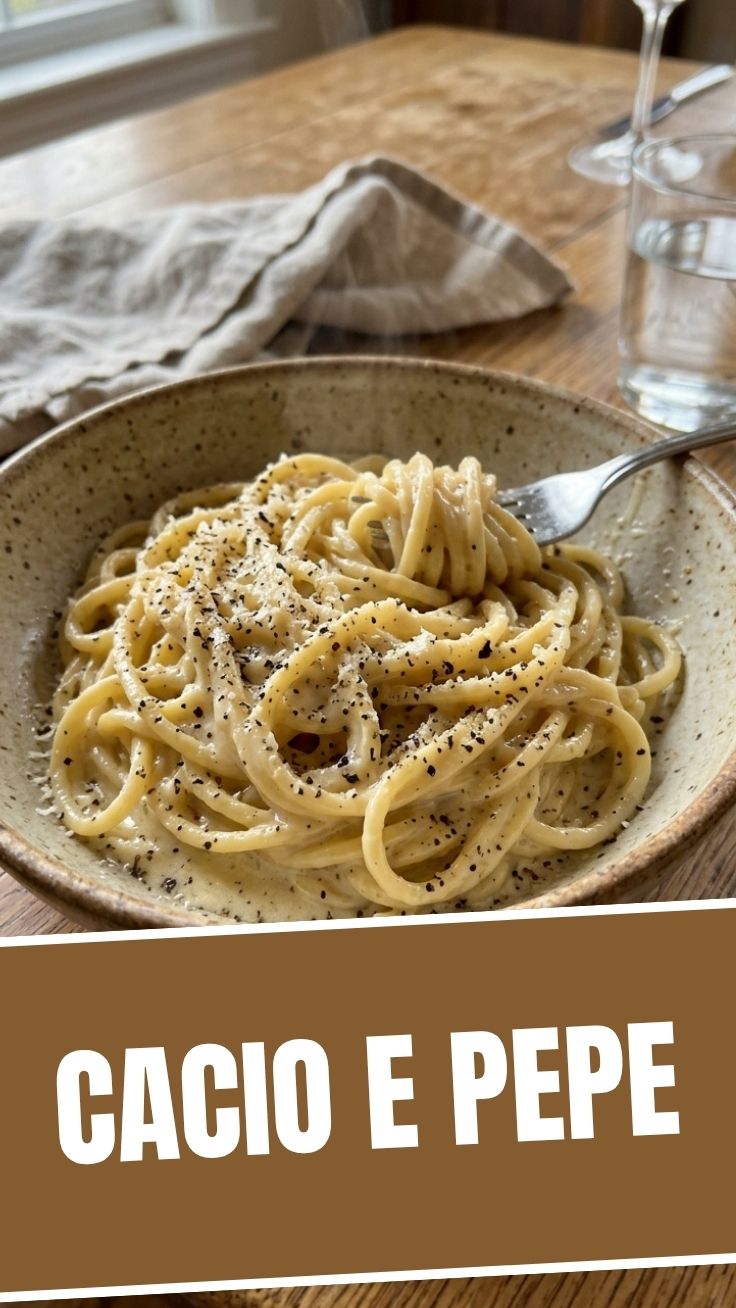
Proven way to grow 6 perfect Cacio e Pepe
Ingredients
Equipment
Method
- Boil a large pot of salted water for the pasta; meanwhile, finely grate the Pecorino Romano cheese and freshly crack the black peppercorns.
- Toast the cracked peppercorns in a dry pan over medium heat for about 1-2 minutes until fragrant, reserving a pinch for garnish if desired.
- Add the pasta to the boiling water and cook according to package instructions until al dente, saving at least 1.5 cups of starchy pasta water before draining.
- Combine the toasted peppercorns with a ladle of the reserved hot pasta water in the same pan, bringing it to a simmer.
- Add the drained pasta to the pan with the peppercorn water, then gradually mix in most of the grated Pecorino Romano cheese while continuously stirring, adding more pasta water as needed to create a creamy sauce.
- Continue stirring vigorously until the cheese and water emulsify into a smooth, creamy sauce that coats the pasta.
- Taste and adjust seasoning, adding more Pecorino or pepper if desired; if serving immediately, garnish with optional fresh parsley and the reserved cracked pepper.