The Ultimate Aglio e Olio Recipe: Simple, Flavorful, and Foolproof
Have you ever craved a pasta dish that’s both incredibly simple and deeply satisfying? Aglio e Olio—the classic Italian garlic and oil pasta—proves that fewer ingredients can create the most memorable meals. This humble dish relies on just a handful of pantry staples, yet its magic lies in perfect technique. Preparing it at home not only saves you money but also lets you control every detail, from the quality of olive oil to the intensity of garlic. In this guide, we’ll walk you through each step, from toasting garlic to emulsifying the sauce, so you can enjoy restaurant-quality pasta without leaving your kitchen. Whether you’re a beginner or a seasoned cook, mastering this recipe will elevate your home cooking. For more inspiration, explore our collection of Pasta Recipes that pair beautifully with the same techniques.
Ingredients & Kitchen Tools
– Spaghetti (or linguine) – 8 oz (225g). Long, thin pasta works best. Substitute with gluten-free pasta if needed.
– Extra-virgin olive oil – ⅓ cup. Use a good-quality oil; it’s the backbone of the dish.
– Garlic – 4–6 cloves, thinly sliced. Avoid mincing—slices release flavor without burning.
– Red pepper flakes – ½ tsp (or to taste). Adds gentle heat.
– Fresh parsley – ¼ cup chopped. For brightness and color.
– Salt – for pasta water (use generous amount, about 1 tbsp per 4 quarts water).
– Pasta water – reserved starchy water (about ½ cup) to emulsify the sauce.
Kitchen tools: Large pot, colander, skillet (preferably nonstick or stainless steel), tongs, chef’s knife, cutting board, measuring cups.
Prep Time & Cooking Schedule
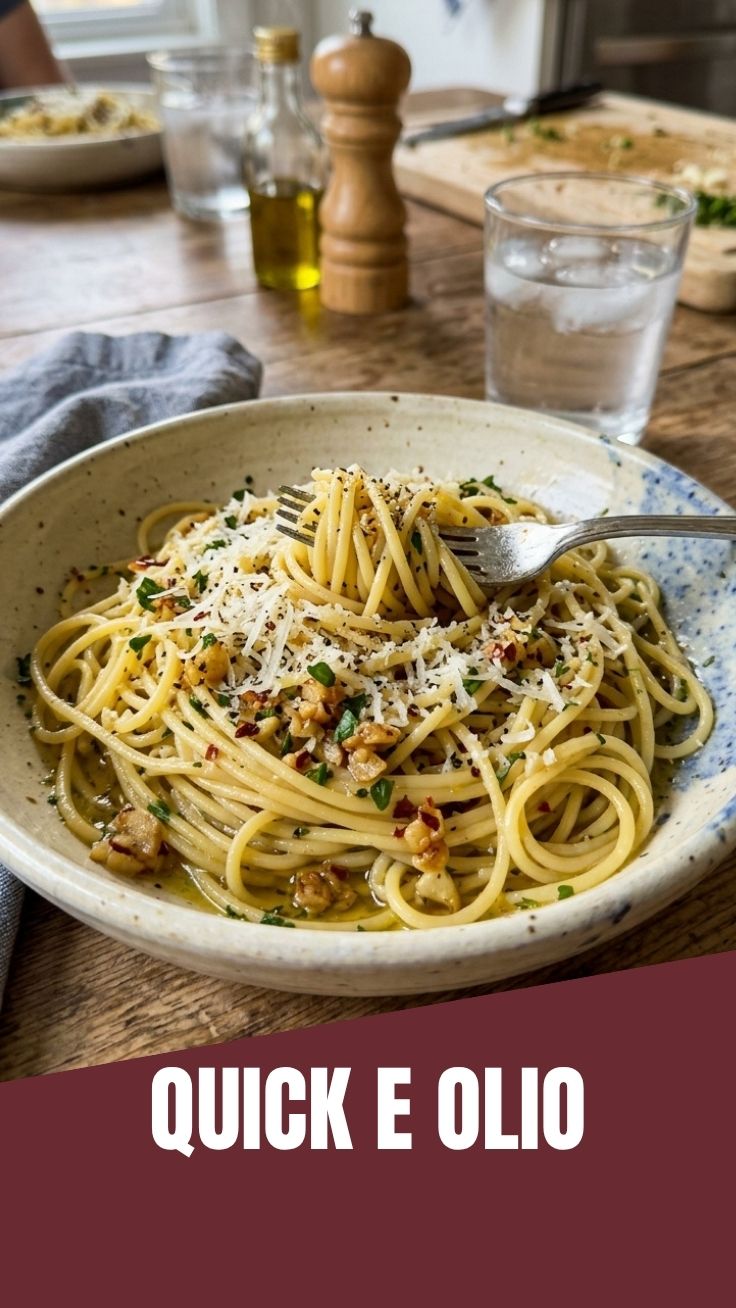
– Prep time: 10 minutes (slice garlic, chop parsley, measure oil and pepper flakes).
– Cook time: 15 minutes (boil pasta 8–10 minutes; sauce preparation happens concurrently).
– Total time: ~25 minutes.
Plan to have all ingredients ready before you start cooking, as the garlic and oil come together quickly. The key is timing: begin toasting the garlic when the pasta has about 5 minutes left to cook. This ensures both components finish at the same time.
Step-by-Step Instructions
1. Cook the pasta: Bring a large pot of generously salted water to a rolling boil. Add spaghetti and cook until al dente (about 1 minute less than package instructions). Reserve 1 cup of pasta water before draining.
2. Toast the garlic and chili: While pasta cooks, heat olive oil in a large skillet over medium heat. Add sliced garlic and red pepper flakes. Cook gently for 1–2 minutes, stirring constantly, until garlic is fragrant and just golden—not brown. Tip: If garlic browns too quickly, lower the heat.
3. Combine and emulsify: Using tongs, transfer the drained pasta directly into the skillet. Add ¼ cup reserved pasta water. Toss vigorously for 30 seconds. The starchy water blends with oil to create a creamy sauce. Add more water if needed (1–2 tbsp at a time) until each strand is coated.
4. Finish and serve: Remove from heat. Stir in fresh parsley, season with salt to taste. Serve immediately with extra red pepper flakes if desired.
While following these steps, remember that perfect Aglio e Olio relies on timing and constant attention—don’t walk away from the skillet. For more dinner ideas, browse our Pasta Recipes section.
Nutritional Benefits & Advantages
This dish is surprisingly nutrient-dense despite its simplicity. Garlic provides allicin, a compound linked to immune support and heart health. Extra-virgin olive oil is rich in monounsaturated fats and antioxidants, which reduce inflammation. Red pepper flakes contain capsaicin that may boost metabolism. Plus, the pasta itself offers complex carbohydrates for sustained energy. For a balanced meal, add a side of steamed vegetables or a simple salad. This recipe is also naturally vegan and dairy-free—ideal for plant-based diets.
Tips, Variations & Cooking Advice
– Flavor twists: Add a squeeze of lemon juice and zest for brightness, or toss in anchovy fillets (mashed into oil) for umami depth.
– Protein option: Stir in sautéed shrimp, chicken, or crispy pancetta.
– Gluten-free: Use your favorite gluten-free spaghetti; adjust cooking time per package.
– Extra veggies: Sauté spinach or cherry tomatoes in the oil before adding pasta.
– Herb swap: Replace parsley with fresh basil or oregano.
– Portion control: Halve the oil to ¼ cup for a lighter sauce—still delicious but less rich.
Common Mistakes to Avoid
– Burning the garlic: Medium heat is crucial. If garlic turns dark brown or bitter, start over. Fix: Always keep oil moving and remove skillet from heat if browning too fast.
– Overcooking pasta: It continues to cook in the sauce. Undercook by 1 minute to prevent mushiness.
– Skipping pasta water: The starch is essential for a creamy, non-greasy sauce. Don’t drain without reserving.
– Adding too much oil: A 1:3 oil-to-pasta ratio is ideal. Too much leaves a greasy film.
– Rinsing pasta: Never rinse—you wash away starch that helps sauce cling.
Storage & Meal Prep Tips
– Refrigeration: Store cooled leftovers in an airtight container for up to 3 days. The oil may solidify; reheat gently.
– Reheating: Add a splash of water or broth when reheating in a skillet over medium-low heat. Toss until hot and glossy. Avoid microwave (uneven heating and rubbery texture).
– Freezing: Cooked aglio e olio freezes well for up to 2 months. Thaw overnight in the fridge, then reheat as above. Note: texture of garlic may soften slightly.
– Prep ahead: Slice garlic and chop parsley up to 2 days ahead. Store in separate containers in the fridge.
Conclusion
Mastering Aglio e Olio is all about respect for simplicity: high-quality olive oil, patient garlic-toasting, and the magic of starchy pasta water. This recipe delivers a dish that’s simultaneously humble and elegant, perfect for busy weeknights or impressing guests. We encourage you to try it, tweak it with your favorite add-ins, and share your results. And if you love one-pan simplicity, be sure to explore more quick Pasta Recipes that follow similar principles. Buon appetito!
FAQs
Can I use minced garlic instead of sliced?
Yes, but minced garlic cooks faster and is more prone to burning. Reduce heat and watch carefully.
Why is my sauce greasy and not coating the pasta?
You likely used too much oil or omitted pasta water. Add a few tablespoons of reserved water and toss vigorously to emulsify.
Can I make this without red pepper flakes?
Absolutely. Omit for a mild version, or substitute black pepper or a pinch of cayenne.
How do I make it more flavorful without extra ingredients?
Use a high-quality EVOO, toast garlic slowly, and don’t skimp on salt in the pasta water. A splash of lemon juice brightens everything.
Can I use other pasta shapes besides spaghetti?
Linguine, fettuccine, or even short shapes like penne work. Adjust cooking times accordingly.
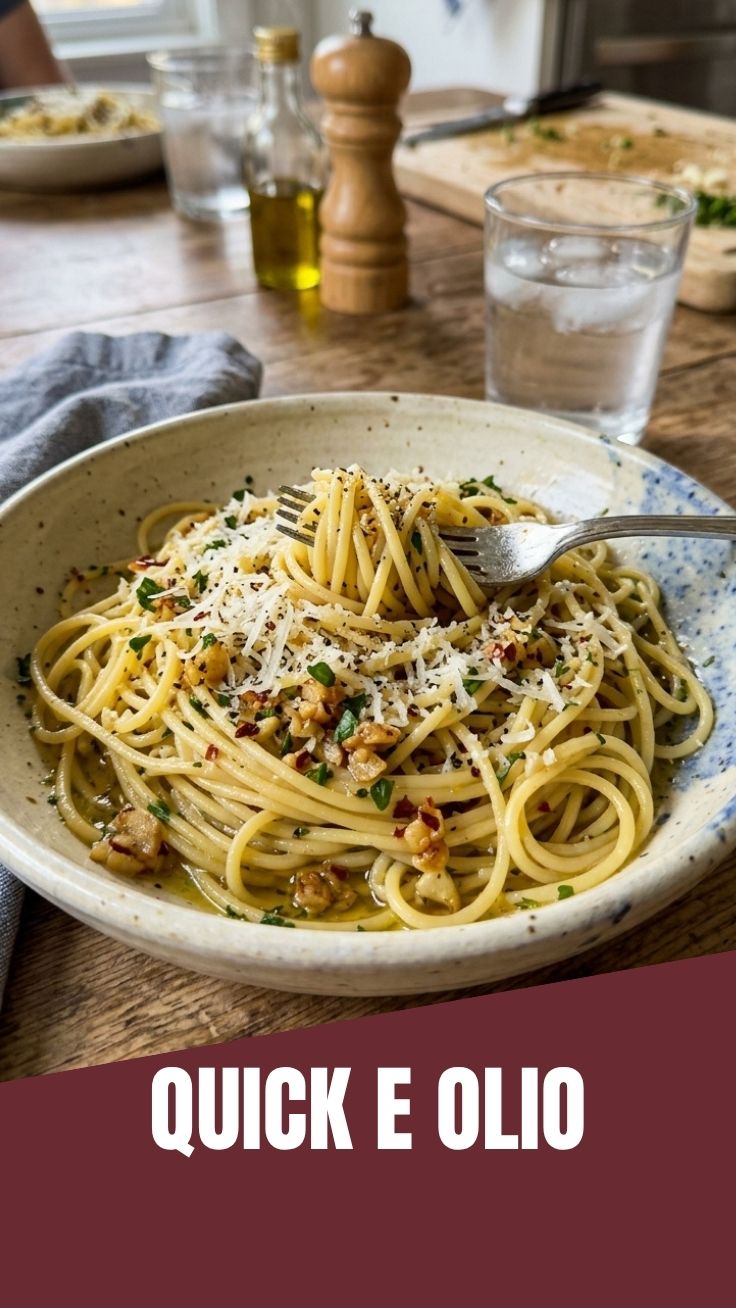
Aglio e Olio
Ingredients
Equipment
Method
- Cook pasta according to package directions in a large pot, then drain, reserving some pasta water.
- While pasta cooks, thinly slice the garlic cloves using a knife and cutting board.
- Heat olive oil in a frying pan over medium heat, add sliced garlic and red pepper flakes, and cook until fragrant (about 2-3 minutes).
- Add the drained pasta to the pan with the garlic mixture, along with a splash of the reserved pasta water.
- Toss everything together using tongs, season with salt and pepper to taste, and garnish with fresh chopped parsley before serving.