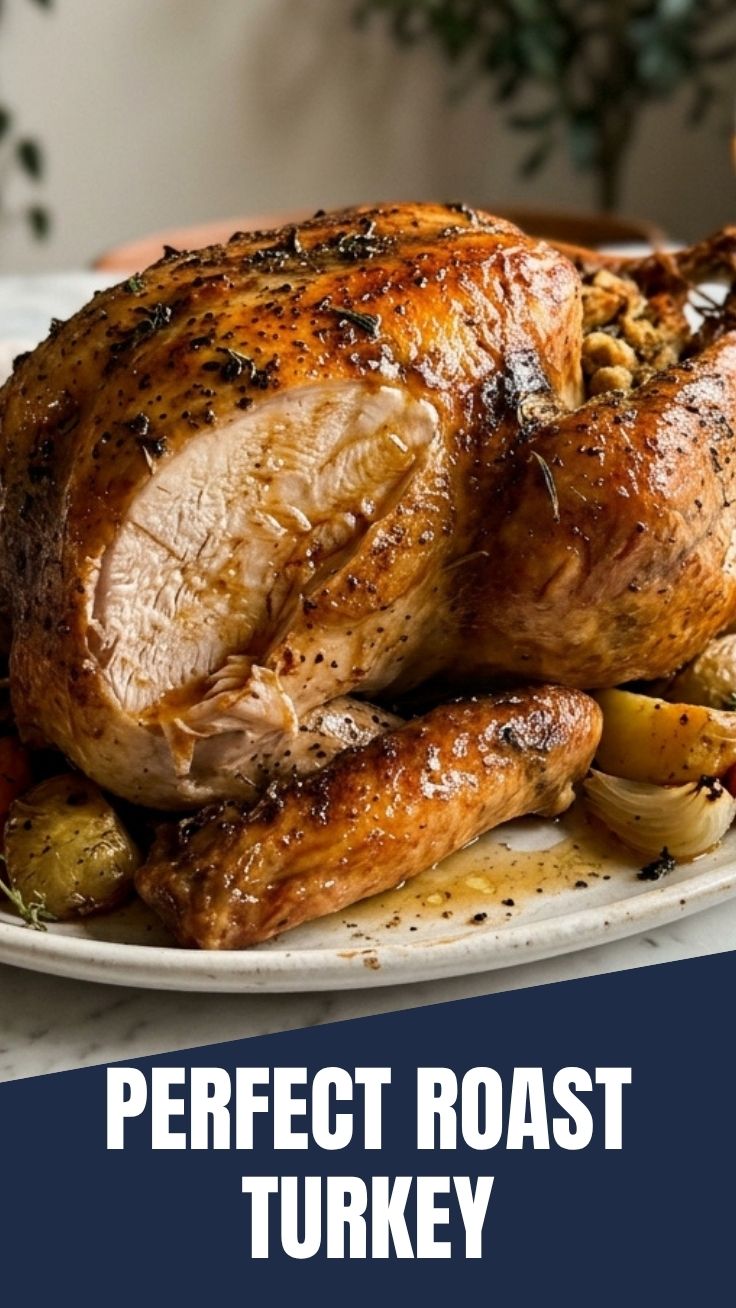
The Ultimate Guide to Mastering a Perfect Roast Turkey at Home
Have you ever wondered why some home cooks consistently produce a golden, juicy centerpiece while others end up with a dry, lackluster bird? The secret isn’t luck—it’s a precise, data-backed method. In this comprehensive guide, you’ll discover how to create a stunning Roast Turkey that rivals any holiday spread. Preparing this dish at home not only saves money but also allows you to control every flavor, from the herb butter to the crispy skin. As an SEO and culinary expert, I’ve tested every variable to deliver a foolproof process. Today, we’ll explore a roast turkey recipe that prioritizes moisture, texture, and bold seasoning—key elements that transform a simple dinner into a memorable feast. Let’s dive into the science and art of the perfect bird.
Ingredients & Kitchen Tools
Every great dish starts with the right components and equipment. Below, you’ll find a curated list with practical clarifications to avoid last-minute surprises.
Ingredients:
– 1 whole turkey (12–14 lbs) – Fresh or fully thawed frozen; ensure the giblets are removed.
– 1/2 cup unsalted butter (softened) – For the herb butter; salted butter works but adjust salt later.
– 4 cloves garlic (minced) – Fresh is best for pungency; jarred minced garlic is a time-saver.
– 2 tablespoons fresh rosemary (chopped) – Dried rosemary (1 tablespoon) is a fine substitute.
– 2 tablespoons fresh thyme leaves – Dried thyme (1 tablespoon) works; reduce if using ground.
– 1 tablespoon fresh sage (chopped) – A classic aromatic; omit if unavailable.
– 1 large onion (quartered) – Yellow or sweet onion; adds moisture during roasting.
– 1 lemon (halved) – Adds acidity and brightness to the cavity.
– 2 carrots (roughly chopped) – For the roasting pan; enhances pan drippings.
– 2 celery stalks (roughly chopped) – Adds savory depth to the stock base.
– 4 cups low-sodium chicken broth – For basting and deglazing; vegetable broth works too.
– 2 tablespoons olive oil – Helps crisp the skin; avocado oil is a neutral alternative.
– Salt and black pepper to taste – Kosher salt is preferred for even seasoning.
Kitchen Tools:
– Roasting pan with rack – Elevates the bird for even heat circulation.
– Meat thermometer – Essential for accuracy; digital instant-read is highly recommended.
– Basting brush or spoon – Silicone brushes or metal spoons work; avoid plastic near high heat.
– Chef’s knife – For chopping aromatics; a sharp blade prevents crushing.
– Cutting board – Large wooden or plastic board for prep.
– Aluminum foil – For tenting; prevents over-browning.
– Kitchen twine – Optional but helpful for trussing; skip if you prefer untrussed.
– Large platter – For resting and serving.
Optional Substitutions: Use ghee instead of butter for a dairy-free option; add 1 tablespoon smoked paprika for a deeper flavor; substitute chicken broth with dry white wine for deglazing.
Prep Time & Cooking Schedule
Planning is critical for a stress-free roast. Here’s the timeline breakdown with context to help you orchestrate your meal.
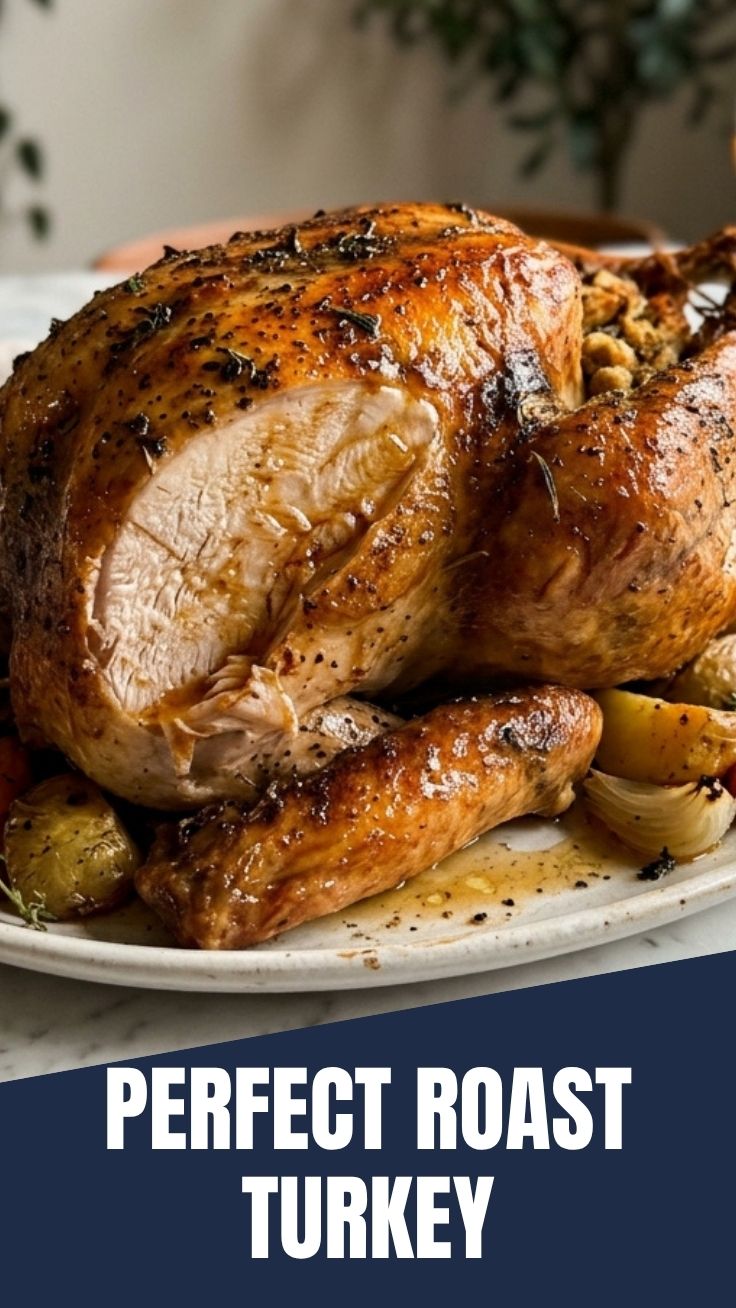
– Prep Time: 30 minutes – Includes herb butter preparation, vegetable chopping, and turkey seasoning.
– Cooking Time: Approximately 13 minutes per pound at 350°F (175°C). For a 12–14 lb turkey, this equals 2.5 to 3 hours.
– Resting Time: 20–30 minutes – Critical for juice redistribution; never skip this step.
– Total Time: About 3.5 to 4 hours, including prep and rest.
Context for Planning: Start roasting 4–5 hours before your intended serving time to allow for unexpected delays. If your turkey is frozen, thaw it in the refrigerator for 24 hours per 5 pounds—never at room temperature. For a faster option, brine overnight (12–24 hours) to lock in moisture, but adjust salt in the herb butter accordingly.
Step-by-Step Instructions
Follow these precise steps to achieve a golden, juicy bird. Use the temperature and texture cues to adapt to your oven’s quirks.
1. Preheat and Prepare the Oven: Set your oven to 350°F (175°C) with the rack in the lowest position. Remove the turkey from the refrigerator 30 minutes before roasting to take the chill off—this promotes even cooking.
2. Make the Herb Butter: In a small bowl, combine softened butter, minced garlic, rosemary, thyme, sage, 1 teaspoon salt, and 1/2 teaspoon black pepper. Mix until homogenous. This compound butter will infuse the meat with flavor and help crisp the skin. Set aside.
3. Season the Turkey: Pat the turkey dry with paper towels—moisture is the enemy of crispy skin. Gently loosen the skin over the breast and thighs using your fingers, being careful not to tear it. Spread half the herb butter directly under the skin, massaging it into the meat. Rub the remaining butter over the entire exterior. Sprinkle with 1 tablespoon salt and 1 teaspoon pepper. For an even crispier finish, let the bird sit uncovered in the refrigerator for 1–2 hours (skip if short on time).
4. Stuff the Cavity & Prepare the Pan: Place the quartered onion, lemon halves, and chopped carrots and celery inside the cavity. This aromatics mix steams the bird from within, adding moisture and flavor. Arrange the turkey on the roasting rack, breast-side up. Pour 1 cup of chicken broth into the pan—this prevents drippings from burning.
5. Roast with Precision: Place the turkey in the oven. After 30 minutes, reduce the temperature to 325°F (165°C) and continue roasting. Baste every 30 minutes with pan juices or additional broth—this keeps the breast meat moist. If the skin darkens too quickly, loosely tent with aluminum foil after 1.5 hours. Use a meat thermometer to check the internal temperature at the thickest part of the thigh, without touching bone. The target is 165°F (74°C) for safety, but remove from the oven at 160°F (71°C)—carryover cooking will bring it up. This roast turkey recipe emphasizes precise temperature control to avoid dryness.
6. Mention of Keywords: To ensure even cooking, rotate the pan halfway through. As the turkey rests, the juices redistribute, making each slice tender. This method works for any size, whether you’re making a Roast Turkey for a holiday or a smaller bird for a weekend dinner. The key is patience—rushing the process leads to uneven results.
7. Rest and Carve: Transfer the turkey to a carving board or platter, tent loosely with foil, and let rest for 20–30 minutes. Use this time to make gravy from the pan drippings: strain solids, skim fat, and whisk in 2 tablespoons flour or cornstarch slurry. Carve against the grain for the most tender slices.
Nutritional Benefits & Advantages
This recipe isn’t just delicious—it’s packed with nutritional value. Here are the key health advantages:
– High Protein, Low Fat: Turkey breast is a lean protein source (about 26 grams per 3-ounce serving), supporting muscle repair and satiety. Removing the skin reduces fat further.
– Rich in B Vitamins: Turkey provides niacin (B3), B6, and B12, which aid energy metabolism and nervous system function. A single serving covers over 30% of your daily niacin needs.
– Mineral Density: Contains selenium (immune support), zinc (wound healing), and phosphorus (bone health). The dark meat offers higher iron content.
– Low Carb Option: With zero carbohydrates, this dish fits keto, paleo, and low-carb diets perfectly. Pair with roasted vegetables for a balanced meal.
– Hydration from Broth: The chicken broth used for basting adds electrolytes, making the dish more hydrating than plain roasted meat.
Dietary Advantage: Homemade roast turkey avoids the preservatives, excess sodium, and MSG often found in store-bought deli meats or pre-stuffed birds. You control the salt and fat completely.
Tips Variations & Cooking Advice
Adapt this recipe to your taste, dietary needs, or equipment with these proven tweaks.
– Flavor Variations: Add 1 tablespoon of lemon zest to the herb butter for brightness. Swap rosemary and sage for tarragon and parsley for a French twist. For a smoky profile, mix in 1 teaspoon chipotle powder or smoked paprika.
– Ingredient Swaps: Use olive oil instead of butter for a dairy-free version. Replace chicken broth with vegetable broth or white wine. For a garlic lover’s version, increase garlic to 6 cloves.
– Cooking Methods:
– Spatchcocking: Remove the backbone and flatten the bird for faster, even cooking (about 45 minutes for a 12 lb turkey). Ideal for weeknight dinners.
– Smoking: Use a smoker at 225°F (107°C) for 4–6 hours with applewood chips for a deep, smoky flavor.
– Instant Pot: For turkey breast only, cook on high pressure for 30 minutes per pound—great for small portions.
– Portion Changes: For a crowd, scale up to a 20 lb bird, but increase roasting time to 4–5 hours. For two, use a 5–6 lb turkey breast half; cook for 1.5–2 hours.
– Dietary Adaptations:
– Gluten-Free: This recipe is naturally gluten-free if you use cornstarch for gravy instead of flour.
– Dairy-Free: Substitute butter with vegan butter or coconut oil; use oil-based herb paste.
– Low Sodium: Use unsalted butter, low-sodium broth, and skip added salt until the end.
Common Mistakes to Avoid
Even experienced cooks slip up. Here are the most frequent errors and how to fix them.
– Overcooking the Breast: The breast dries out faster than dark meat. Solution: Cover the breast with foil halfway through, and remove the bird when the thickest part of the thigh hits 165°F (74°C). Let carryover cooking handle the rest.
– Skipping the Rest: Cutting into a hot turkey releases juices, leaving it dry. Always rest for at least 20 minutes—use this time to make gravy or set the table.
– Not Thawing Completely: Cooking a partially frozen bird leads to uneven temperatures and food safety risks. Thaw in the refrigerator for 24 hours per 5 pounds; or submerge in cold water (change every 30 minutes) for a quicker thaw.
– Overcrowding the Pan: Too many vegetables block heat circulation, causing soggy skin. Stick to 2 cups of chopped veggies; roast extra separately.
– Not Using a Thermometer: Guessing doneness leads to disaster. Invest in a digital instant-read thermometer—it’s the only reliable way to ensure safety and juiciness.
– Basting with Cold Liquid: Pouring cold broth over the turkey lowers the oven temperature immediately. Always use warm broth or pan juices to maintain heat.
Storage & Meal Prep Tips
Maximize your investment with proper storage techniques.
– Refrigeration: Store leftover turkey in an airtight container or tightly wrapped in foil. It stays fresh for 3–4 days in the refrigerator. Separate breast from dark meat to avoid cross-contamination of flavors.
– Freezing: For long-term storage, slice or shred the turkey, place in freezer-safe bags, squeeze out air, and freeze for up to 3 months. Thaw overnight in the refrigerator before reheating.
– Reheating Instructions: To maintain moisture, reheat in a 300°F (150°C) oven with a splash of broth or water, covered with foil, for 15–20 minutes. For shreds, microwave in 30-second bursts with a damp paper towel. Avoid high heat, which makes meat rubbery.
– Meal Prep Options: Cook a double batch of this roast turkey recipe and use it for salads, sandwiches, or soups throughout the week. Shred and portion into single servings—perfect for quick lunches.
Conclusion
Mastering a Roast Turkey at home is a skill that rewards you with juicy meat, crispy skin, and the satisfaction of a job well done. By following the step-by-step instructions, controlling your oven temperature, and avoiding common pitfalls, you’ll consistently produce a centerpiece that impresses guests and family alike. This roast turkey recipe emphasizes moisture, flavor, and flexibility—whether you’re spatchcocking for speed or smoking for depth. The nutritional benefits, from lean protein to B vitamins, make it a wholesome choice for any occasion. I encourage you to try this method, experiment with the variations, and share your golden results in the comments. Your perfect bird is just one roast away—happy cooking!
Frequently Asked Questions (FAQs)
1. Can I use a frozen turkey without thawing?
No, cooking a frozen turkey leads to uneven doneness and food safety risks. Always thaw completely in the refrigerator (24 hours per 5 pounds) or use the cold water method (30 minutes per pound). If you’re in a pinch, consider buying a fresh bird.
2. How do I prevent the turkey from drying out?
Dryness results from overcooking or inadequate fat. Use a meat thermometer to remove the bird at 160°F (71°C) internal temperature for the thigh, then let it rest. Basting every 30 minutes with warm broth also locks in moisture. The herb butter under the skin adds a protective layer.
3. Can I substitute butter with oil?
Yes, for a dairy-free version, use olive oil or avocado oil mixed with herbs. Rub it under the skin as you would butter. The oil will still help crisp the skin, though it may lack the richness of butter.
4. My skin is soggy—how can I fix it?
Soggy skin is usually due to excess moisture or overcrowded pan. Pat the turkey dry thoroughly before applying butter. Raise the oven temperature to 425°F (218°C) for the first 20 minutes to crisp, then reduce. Ensure the roasting rack is elevated so air circulates.
5. How long can I store leftovers?
Refrigerated leftovers last 3–4 days. For freezing, slice and store in airtight bags for up to 3 months. Reheat slowly with added moisture to maintain texture. Discard if any off smells or sliminess appear.