The Ultimate Guide to a Refreshing Healthy Fruit Mix: Why This Fruit Salad Will Become Your Go-To Summer Staple
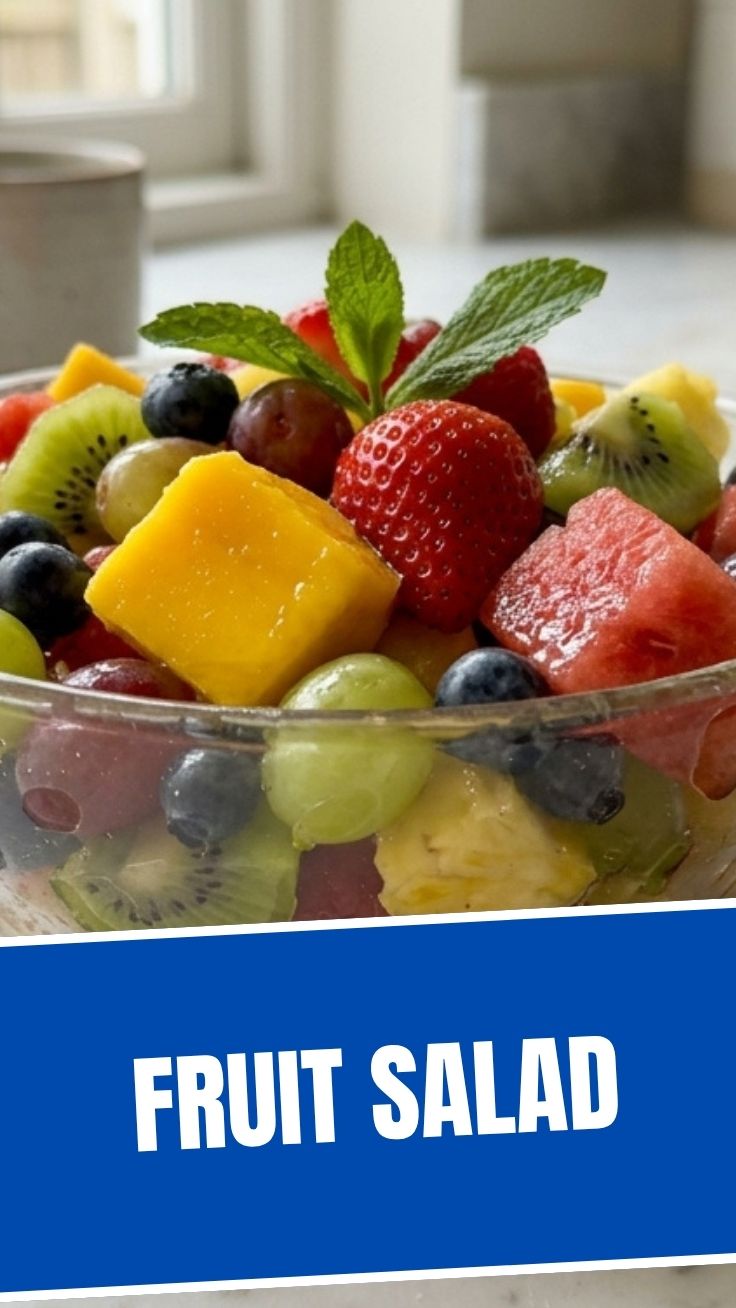
Have you ever wondered why store-bought fruit salads often lack that vibrant, just-picked freshness? The answer lies in preparation and ingredient selection. When you make a Fruit Salad at home, you control the quality, ripeness, and balance of flavors. This isn’t just any fruit medley—it’s a carefully crafted healthy fruit mix designed to deliver maximum nutrition and taste. By preparing this recipe yourself, you save money, avoid hidden sugars, and create a dish that adapts to your dietary needs.
Ingredients & Kitchen Tools
Fresh Produce
– 1 cup strawberries – hulled and quartered; choose bright red, fragrant berries for natural sweetness.
– 1 cup blueberries – rich in antioxidants; frozen works if fresh is unavailable.
– 1 cup diced mango – adds tropical sweetness; substitute with papaya.
– 1 cup seedless grapes – red or green; halved for easier eating.
– 1 medium banana – sliced just before serving to prevent browning.
– 1 tablespoon fresh mint leaves – for aromatic garnish.
Dressing
– 2 tablespoons honey or agave syrup – adjust based on fruit tartness.
– 1 tablespoon fresh lime juice – prevents oxidation and brightens flavors.
– 1 teaspoon poppy seeds – optional, for texture.
Kitchen Tools
– Large mixing bowl
– Sharp chef’s knife
– Cutting board
– Measuring spoons
– Citrus juicer (manual or electric)
– Airtight container (for storage)
Optional Substitutions
– Replace honey with maple syrup for a vegan option.
– Swap mint with basil for an herby twist.
– Use orange juice instead of lime for milder acidity.
Prep Time & Cooking Schedule
Prep Time: 15 minutes
Resting Time (optional): 10 minutes (allows flavors to meld)
Total Time: 15–25 minutes
Context: This recipe requires zero cooking, making it ideal for busy weeknights or last-minute gatherings. The resting time is optional—serve immediately for a crisp texture or let it sit for a softer, more integrated flavor profile. Plan ahead to wash and dry all fruit thoroughly to prevent dilution.
Step-by-Step Instructions
1. Prepare the fruit base: Wash all berries and grapes under cool running water. Pat dry completely with paper towels—excess moisture will water down the dressing. Hull strawberries and slice into quarters. Halve grapes lengthwise.
2. Cut larger fruits: Dice mango into ½-inch cubes (peel first). Peel and slice banana just before assembly to avoid browning.
3. Make the dressing: In a small bowl, whisk together honey (or agave), fresh lime juice, and poppy seeds until emulsified. Taste—the dressing should balance sweetness and acidity.
4. Combine ingredients: Place all chopped fruit in a large mixing bowl. Gently fold with a silicone spatula to avoid bruising. Tip: Overmixing can turn your healthy fruit mix into mush; use a light hand.
5. Add dressing: Drizzle the lime-honey mixture over the fruit. Fold gently 4–5 times until evenly coated. The goal is to create a cohesive Fruit Salad without breaking down the fruit structure.
6. Garnish and serve: Sprinkle fresh mint leaves on top. Serve immediately in chilled bowls, or cover and refrigerate for up to 10 minutes to let flavors meld.
Temperature tip: If using frozen blueberries, do not thaw them—add directly to keep the salad cool and prevent sogginess.
Nutritional Benefits & Advantages
This healthy fruit mix is a powerhouse of vitamins and fiber. Blueberries and strawberries provide anthocyanins, which support heart health and reduce inflammation. Mango delivers vitamin C (over 60% of daily needs per cup) and beta-carotene for immune function. Grapes offer resveratrol, a compound linked to longevity. The dressing avoids refined sugars—honey provides natural energy with antimicrobial properties. With zero saturated fat and only around 120 calories per serving, this dish aligns with weight management goals while satisfying sweet cravings.
Tips Variations & Cooking Advice
– Flavor variation: Add ¼ teaspoon ground ginger or cinnamon for warmth.
– Ingredient swap: Replace banana with diced apple for extra crunch.
– Portion change: Double the dressing for a saucier version; halve it for a drier, kid-friendly salad.
– Dietary adaptation: Use sugar-free liquid stevia instead of honey for a keto-friendly option (note: net carbs remain moderate due to fruit).
– Serving idea: Spoon over Greek yogurt or cottage cheese for a protein-rich breakfast.
– Texture upgrade: Toast 2 tablespoons of unsweetened coconut flakes and sprinkle on top.
Common Mistakes to Avoid
1. Using overripe fruit: Mushy bananas or bruised berries release liquid, turning the salad watery. Choose firm, just-ripe fruit.
2. Skimping on acid: Without lime or lemon juice, the fruit oxidizes quickly, turning brown and losing flavor. Always include citrus.
3. Adding banana too early: Banana browns within 15 minutes of slicing. Add it just before serving.
4. Oversalting or oversweetening: Taste the fruit first—if it’s naturally sweet, reduce honey to 1 tablespoon.
5. Failing to dry fruit: Wet fruit dilutes the dressing. Pat everything dry with paper towels.
Storage & Meal Prep Tips
– Refrigeration: Store in an airtight container for up to 24 hours. After that, texture degrades.
– Freezing: Not recommended for fresh fruit salad—freezing creates ice crystals that ruin texture upon thawing. However, you can freeze individual fruits before assembly for a slushy treat.
– Reheating: Serve cold or at room temperature only—heat destroys fresh fruit structure.
– Meal prep hack: Chop all fruit (except banana) a day ahead, store in separate containers, and assemble with dressing just before serving. This keeps each component fresh.
– Reviving leftovers: If the salad releases liquid, drain it and add a squeeze of fresh lime before serving.
Conclusion
Preparing this vibrant dish at home ensures you enjoy a nutrient-dense healthy fruit mix tailored to your taste. The simplicity of the Fruit Salad recipe allows even beginners to create something impressive—no cooking skills required. By choosing fresh, seasonal ingredients and balancing your dressing, you transform everyday fruit into a memorable treat. Try it this weekend as a side dish or dessert, and don’t hesitate to experiment with variations. Share your creation on social media or leave a comment below—I’d love to see your twist on this classic!
FAQs
1. Can I use canned fruit for this recipe?
Yes, but drain them thoroughly to remove syrup or juice. Fresh fruit provides better texture and fewer added sugars. If using canned pineapple or peaches, reduce honey to 1 tablespoon.
2. What if I don’t have lime juice?
Substitute with lemon juice or white wine vinegar (use 2 teaspoons vinegar + ½ teaspoon sugar to mimic acidity). Avoid balsamic vinegar—it will overpower the fruit.
3. How do I keep apples from browning?
Toss apple slices in the lime dressing immediately after cutting. The acid prevents oxidation. Alternatively, use an apple variety like Honeycrisp that browns slower.
4. Can I make a large batch for a party?
Absolutely, but don’t dress all fruit at once. Keep undressed fruit chilled and add dressing only to the portion being served. This prevents sogginess and ensures leftovers stay fresh.
5. Is this recipe suitable for diabetics?
In moderation—fruit contains natural sugars. Half the honey (use liquid stevia instead) and choose low-glycemic fruits like berries and green apples. A ½-cup serving typically fits a diabetic meal plan.
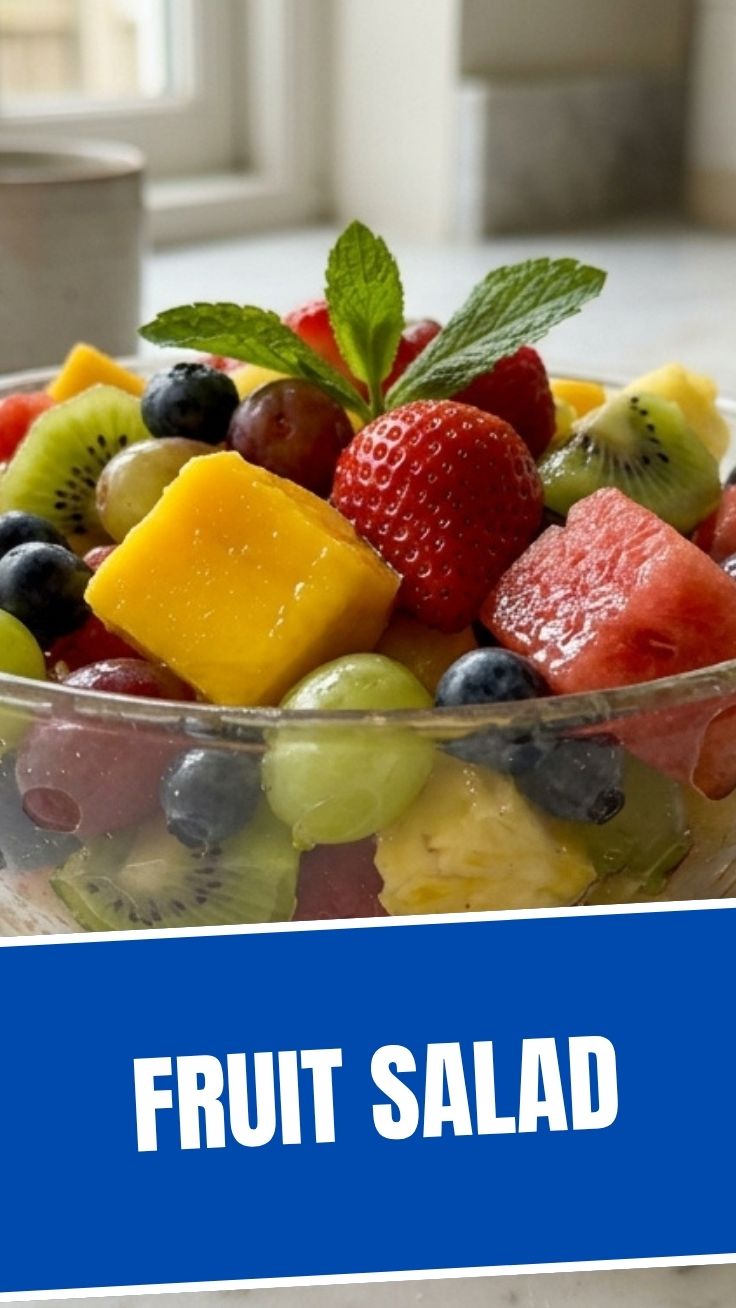
Fruit Salad
Ingredients
Equipment
Method
- Wash all fruits thoroughly under cold water. Gently pat dry the berries and grapes.
- Hull the strawberries and slice them into halves or quarters, depending on their size. Peel the kiwi and slice it into small rounds or half-moons.
- Peel the orange, then segment it, removing any white pith and seeds. You can also dice the orange segments.
- Combine all the prepared fruits in a large mixing bowl. Toss gently to distribute them evenly.
- Serve immediately for the freshest taste, or chill in the refrigerator until ready to enjoy. This fruit salad is best consumed within a few hours.