The Ultimate Wild Rice Pilaf: A Nutty, Savory Side Dish Worth Mastering
Have you ever bitten into a side dish so satisfying that it steals the spotlight from the main course? That’s exactly what happens when you make a proper Wild Rice Pilaf. This hearty, nutty blend of wild rice, aromatic vegetables, and toasted nuts transforms a simple grain into a culinary centerpiece. Preparing it at home not only saves money but lets you control the seasoning, texture, and add-ins—something store-bought mixes can never match. Whether you’re serving it alongside roast chicken or a holiday feast, this pilaf delivers deep flavor and impressive nutrition. And if you’re looking for more inspiration, exploring Wild rice recipes will open up a world of versatile, wholesome meals. Let’s dive into the method that guarantees perfect results every time.
Ingredients & Kitchen Tools
Ingredients
– 1 cup wild rice – Not a true rice but a grass seed; rinse well to remove dust.
– 2 cups vegetable or chicken broth – Low-sodium preferred; adds savory depth.
– 1 medium yellow onion – Finely diced for sweetness.
– 2 celery stalks – Diced; adds crunch and earthy flavor.
– 1 medium carrot – Diced; brings subtle sweetness and color.
– 3 cloves garlic – Minced; essential for aromatic base.
– ½ cup dried cranberries – Optional but adds tartness; use unsweetened if watching sugar.
– ⅓ cup toasted pecans or slivered almonds – For crunch and healthy fats.
– 2 tablespoons olive oil or butter – For sautéing; butter adds richness.
– 1 teaspoon fresh thyme leaves (or ½ tsp dried) – Complements the nutty flavor.
– Salt and black pepper – To taste.
– Fresh parsley – Chopped for garnish.
Kitchen Tools & Utensils
– Medium saucepan with tight-fitting lid – For cooking rice evenly.
– Large skillet or sauté pan – For toasting aromatics and vegetables.
– Cutting board and chef’s knife – For precise dicing.
– Wooden spoon or spatula – For stirring.
– Fine-mesh strainer – To rinse wild rice.
– Measuring cups and spoons.
Optional Substitutions
– Wild rice blend – If you prefer a softer texture, mix with brown rice.
– Vegetable substitutions – Swap carrot for bell pepper or zucchini.
– Nut-free – Use pumpkin seeds or sunflower seeds.
– Gluten-free – This recipe is naturally gluten-free; just ensure broth is certified.
Prep Time & Cooking Schedule
– Prep time: 15 minutes (chopping vegetables, rinsing rice, toasting nuts)
– Cook time: 45–55 minutes (wild rice absorbs liquid slowly)
– Resting time: 5 minutes off heat (allows grains to steam and fluff up)
– Total time: About 1 hour 15 minutes
Plan ahead: wild rice takes longer than white rice, but the hands-off cooking makes it perfect for a weekend meal prep or a relaxed dinner. You can even cook the rice a day in advance and assemble the pilaf just before serving.
Step-by-Step Instructions
1. Rinse the wild rice under cold water in a fine-mesh strainer for 30 seconds. This removes excess starch and prevents stickiness.
2. Toast the nuts in a dry skillet over medium heat for 2–3 minutes, shaking frequently until fragrant. Set aside.
3. Sauté the aromatics – In the same skillet, heat 2 tablespoons olive oil or butter over medium heat. Add diced onion, celery, and carrot. Cook for 5–7 minutes until softened and lightly golden. Stir in minced garlic and cook for 30 seconds more.
4. Cook the wild rice – In a medium saucepan, combine the rinsed wild rice, broth, and a pinch of salt. Bring to a boil, then reduce heat to low, cover, and simmer for 45–50 minutes (or until grains are tender and have split open slightly). Do not peek or stir during cooking. If liquid remains after the time, drain excess.
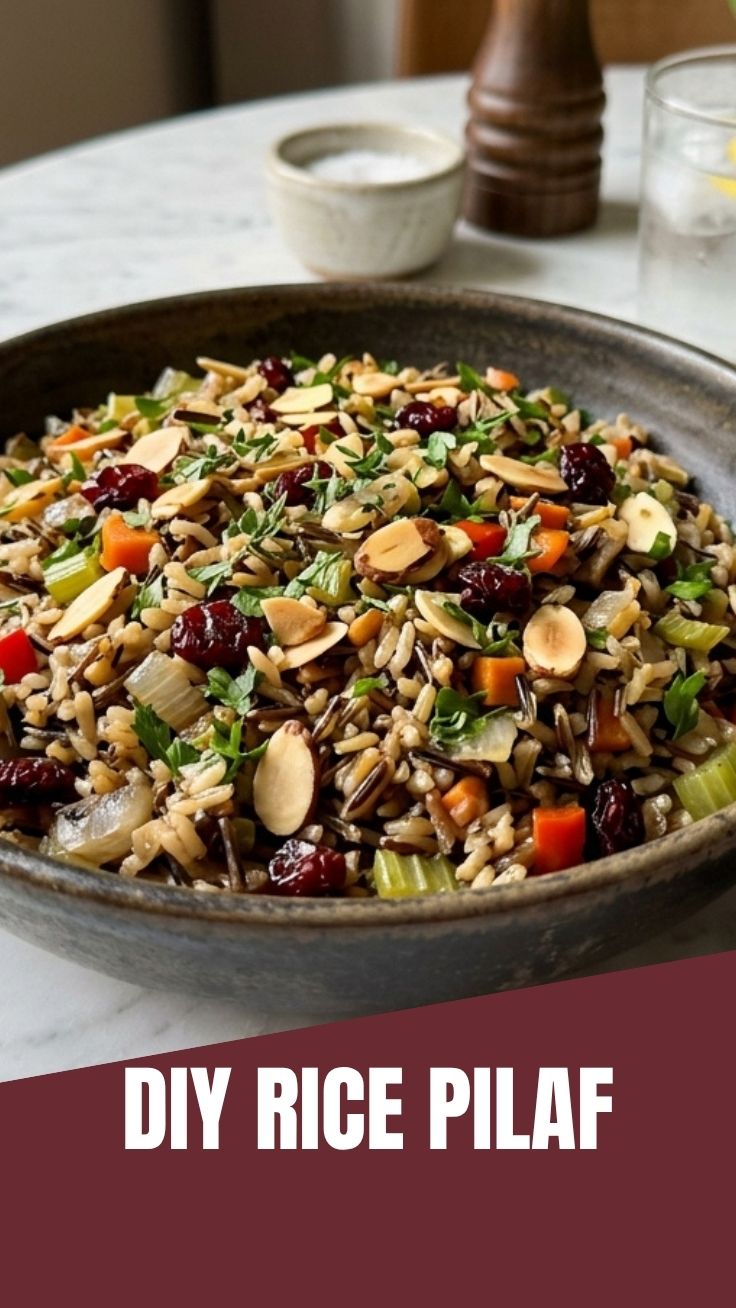
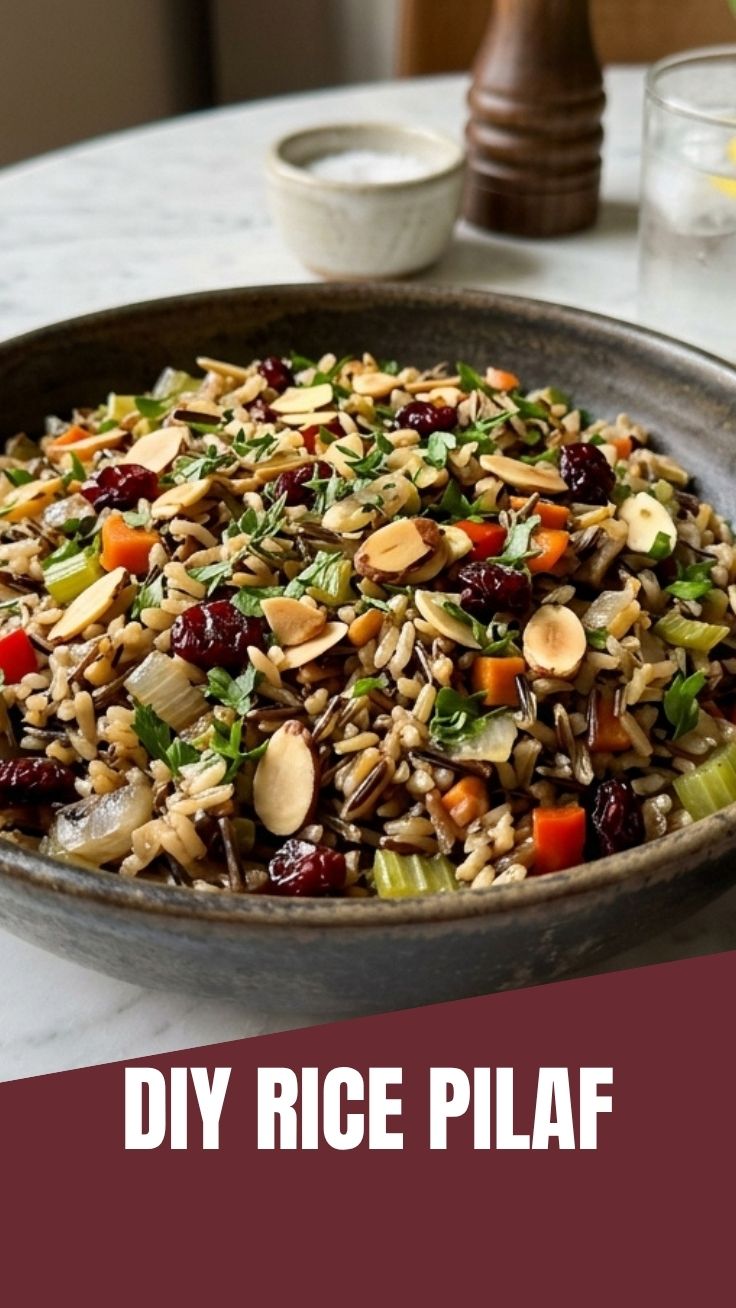
5. Combine everything – Once the rice is done, remove from heat and let it rest covered for 5 minutes. Fluff with a fork, then fold in the sautéed vegetables, dried cranberries, toasted nuts, and fresh thyme. Season with salt and pepper to taste.
6. Finish and serve – Transfer to a serving dish, garnish with fresh parsley, and serve warm. This Wild Rice Pilaf pairs beautifully with roasted meats or a simple green salad. For more ideas, explore Wild rice recipes that use similar techniques to create diverse flavor profiles.
Nutritional Benefits & Advantages
Wild rice is a nutritional powerhouse. It contains more protein than most whole grains (about 5 grams per cooked cup) and is rich in fiber, B vitamins, magnesium, and zinc. The antioxidants in wild rice—especially from the bran layer—help combat inflammation. The addition of vegetables boosts vitamin A and C intake, while nuts provide heart-healthy unsaturated fats. This pilaf is naturally low in sodium (if using unsalted broth) and free from gluten, making it a smart choice for many dietary patterns. A single serving offers sustained energy without blood sugar spikes, thanks to the low glycemic index of wild rice.
Tips, Variations & Cooking Advice
– Flavor variations: Add a pinch of smoked paprika or cayenne for heat. Swap dried cranberries for chopped apricots or golden raisins for a different sweet-tart balance.
– Cooking method twist: Use a rice cooker or Instant Pot (pressure cook for 25 minutes on high with a 1:2.5 rice-to-liquid ratio).
– Portion changes: Double the recipe for a crowd—wild rice holds up well to reheating.
– Dietary adaptations: For vegan, use olive oil and vegetable broth. For dairy-free, skip butter and use oil. To make it nut-free, substitute toasted sunflower seeds.
– Texture tip: If you prefer a chewier bite, reduce cooking time by 5 minutes; for a softer pilaf, add ¼ cup extra broth and cook 5 minutes longer.
Common Mistakes to Avoid
– Skipping the rinse – Unrinsed wild rice can release excess starch, leading to a gummy texture.
– Overcooking into mush – Wild rice should be tender but still have a slight chew. Check at 40 minutes and test a grain.
– Peeking too often – Lifting the lid releases steam and extends cooking time. Trust the simmer.
– Underseasoning – Wild rice is naturally earthy; don’t be shy with salt, pepper, and herbs. Taste and adjust before serving.
– Adding nuts too early – Toasted nuts lose crunch if stirred into hot pilaf too soon. Fold them in right before serving or sprinkle on top.
Storage & Meal Prep Tips
– Refrigeration: Store in an airtight container for up to 5 days. The flavors deepen overnight.
– Freezing: Portion into freezer-safe bags or containers and freeze for up to 3 months. Thaw overnight in the fridge.
– Reheating: To maintain texture, reheat in a skillet over medium-low heat with a splash of broth or water. Cover and steam for 2–3 minutes. Microwave works but may make grains softer.
– Meal prep: Cook the rice and vegetables separately, then combine only the portion you plan to eat. This keeps the texture fresher for longer.
Conclusion
Mastering this Wild Rice Pilaf gives you a versatile, nutrient-dense side dish that elevates any meal. The combination of nutty grains, sweet vegetables, and tart cranberries creates a balanced flavor profile that appeals to both everyday dinners and special occasions. As you experiment with different add-ins and cooking methods, you’ll discover why this dish is a staple in so many households. I encourage you to try this recipe and share your results—whether you add roasted mushrooms, swap in quinoa, or serve it alongside a roasted chicken. And don’t stop here; exploring more Wild rice recipes will inspire you to keep this wholesome grain in regular rotation. Enjoy the process and the delicious outcome!
FAQs
1. Can I use a wild rice blend instead of pure wild rice?
Yes! A blend cooks faster (usually 25–30 minutes) and has a softer texture. Adjust liquid and time accordingly.
2. What if my wild rice is still hard after 50 minutes?
Add ¼ cup more hot broth or water, cover, and continue cooking for 10–15 minutes. Wild rice varies by brand and age.
3. Can I make this pilaf without nuts?
Absolutely. Substitute toasted pumpkin seeds, hemp seeds, or omit entirely for a nut-free version.
4. How do I make the pilaf more flavorful?
Sauté the vegetables until deeply caramelized, use homemade broth, and add a bay leaf while cooking the rice. A splash of lemon juice at the end brightens the dish.
5. Can I freeze leftovers with the vegetables and nuts?
Yes, but note that nuts may lose crunch after freezing. For best results, freeze the pilaf without nuts and add freshly toasted nuts after reheating.
Proven way to grow Wild Rice Pilaf in 3 steps.
Ingredients
Equipment
Method
- Rinse the wild rice thoroughly under cold water, then finely chop half an onion.
- In a medium saucepan, melt the butter over medium heat and sauté the chopped onion until it becomes translucent.
- Add the rinsed wild rice to the saucepan and stir for a minute, then pour in the chicken broth and bring to a boil.
- Reduce heat to low, cover, and simmer for 25-30 minutes, or until the rice is tender and the liquid is absorbed.
- Fluff the wild rice pilaf with a fork and serve immediately as a side dish.