Have you ever wondered why tamales from street vendors taste so incredibly moist and flavorful? The secret lies in the technique and ingredients. Preparing them at home not only saves money but also lets you control the quality. When you master the art of making Tamales (Traditional), you unlock a world of Authentic Mexican Food that can be tailored to your taste. In this guide, we’ll walk you through every step, ensuring your first batch is a success.
Ingredients & Kitchen Tools
For the Dough:
– 4 cups masa harina (corn flour specifically for tamales)
– 1 cup lard or vegetable shortening (creates the signature fluffy texture)
– 2 cups warm chicken or vegetable broth (adjust for optimal hydration)
– 1 teaspoon baking powder (adds lightness)
– 1 teaspoon salt (balances flavor)
For the Filling:
– 2 cups cooked shredded pork or chicken (moist and well-seasoned)
– 1 cup red or green salsa (choose your preferred heat level)
– Optional: cheese, beans, or roasted peppers
Tools:
– Large steamer pot with basket
– Mixing bowls and stand mixer
– Spatula and tablespoon
– Corn husks (soaked and drained until pliable)
Prep Time & Cooking Schedule
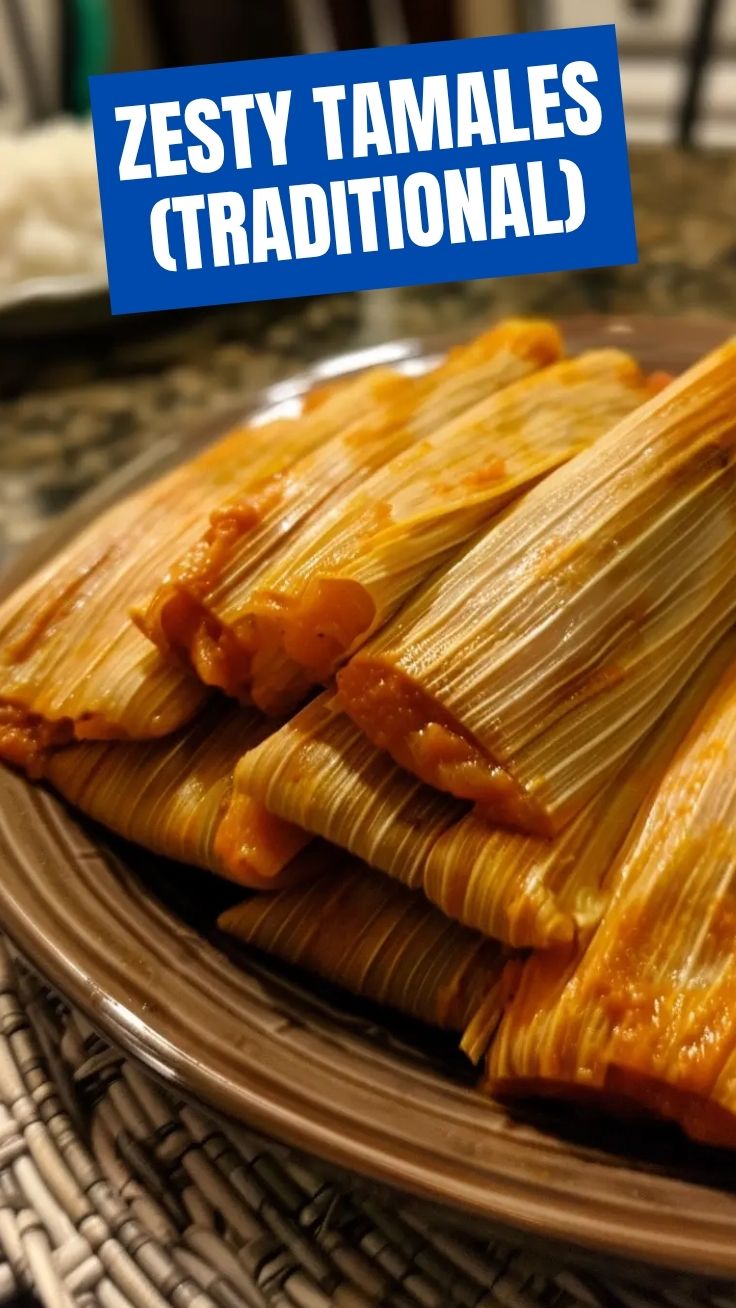
Prepare corn husks by soaking in warm water for 1 hour or overnight for best pliability. Prep time for the filling is about 30 minutes if using pre-cooked meat. Mixing and assembling the tamales takes another hour. Steaming requires 1.5 to 2 hours of unattended cooking, plus a 10-minute rest before serving. Plan your day accordingly—tamales are perfect for weekend cooking projects or holiday feasts.
Step-by-Step Instructions
1. Soak the husks: Submerge dried corn husks in warm water until flexible. Drain and pat dry.
2. Prepare the masa: In a stand mixer, beat lard until fluffy. Gradually add masa harina, baking powder, and salt. Stream in broth while mixing until dough is soft and spreadable like peanut butter. Test a small piece: it should float in a glass of water—if it sinks, add more liquid.
3. Assemble: Lay a husk flat, spread about 2 tablespoons of masa in a thin layer, leaving a 1-inch border. Add 1-2 tablespoons of filling down the center. Fold the sides over and fold up the bottom, leaving the top open.
4. Steam: Stand tamales upright in the steamer basket with open ends facing up. Cover and steam over medium heat for 1.5 hours, checking water level every 30 minutes. Tamales are ready when the masa pulls away from the husk cleanly.
Throughout this process, remember that the essence of Tamales (Traditional) lies in the careful balance of moisture and seasoning. This approach exemplifies Authentic Mexican Food that has been passed down through generations.
Nutritional Benefits & Advantages
Tamales provide a balanced meal with protein from meat, complex carbohydrates from masa, and healthy fats from lard or oil. The corn masa is naturally gluten-free, making it suitable for those with dietary restrictions. Fillings can be packed with vegetables, reducing saturated fat while boosting fiber and vitamins. Homemade versions avoid preservatives, giving you full control over sodium and spice levels—a significant advantage over store-bought options.
Tips Variations & Cooking Advice
– Flavor variations: Swap pork for shredded chicken with tomatillo salsa, or go vegetarian with black beans and cheese.
– Dietary adaptations: Use coconut oil instead of lard for a dairy-free, vegan option. For extra moisture, add a spoonful of sour cream or yogurt to the masa.
– Cooking alternatives: If you lack a steamer, use a large pot with a rack and tight-fitting lid. Alternatively, cook tamales in an instant pot on high pressure for 20 minutes, then let pressure release naturally.
Common Mistakes to Avoid
– Dry masa: Not enough liquid or overmixing can cause toughness. Adjust with warm broth until the dough is spreadable but not sticky.
– Overfilling: Too much filling prevents proper sealing and even steaming. Stick to just a tablespoon or two.
– Poor sealing: Loose folds let water seep in, resulting in soggy tamales. Fold tightly and secure with husk strips if needed.
– Overcooking: Tamales can become mushy if steamed too long. Begin checking at 1 hour 15 minutes for smaller tamales.
Storage & Meal Prep Tips
Let tamales cool completely before storing. Place in airtight containers in the refrigerator for up to 1 week, or freeze for up to 3 months. To reheat, steam for 10-15 minutes (or microwave with a damp paper towel for 2-3 minutes) to restore moisture. Frozen tamales can be steamed directly from the freezer—just add 15 minutes to the cook time. For meal prep, assemble tamales without steaming, then freeze raw and steam when needed.
Conclusion
Making tamales at home is a labor of love that pays off with every bite. From the fragrant masa to the savory filling, each component reflects centuries of tradition. Whether you stick to Tamales (Traditional) or explore variations, this Authentic Mexican Food will impress your family and friends. Try this recipe today and share your results—we’d love to hear how your batch turned out!
FAQs
1. Can I use instant masa for tamales? Yes, but follow package instructions and adjust liquids. Traditional masa harina gives a superior texture and flavor.
2. Why are my tamales dry? Dryness often stems from insufficient fat or liquid in the masa. Increase lard or broth by a tablespoon until the dough is easily spreadable.
3. How do I know when tamales are done? The husk should peel away cleanly from the masa, and the dough should be firm but tender. Insert a toothpick—it should come out dry.
4. Can I freeze uncooked tamales? Absolutely. Assemble without steaming, then freeze on a tray. Once solid, transfer to a bag. Steam from frozen for 2 hours or until cooked through.
5. What fillings work best for authentic tamales? Classic choices include shredded pork in red chile sauce, chicken with verde salsa, or cheese with roasted chiles. The key is a well-seasoned filling that isn’t too watery.
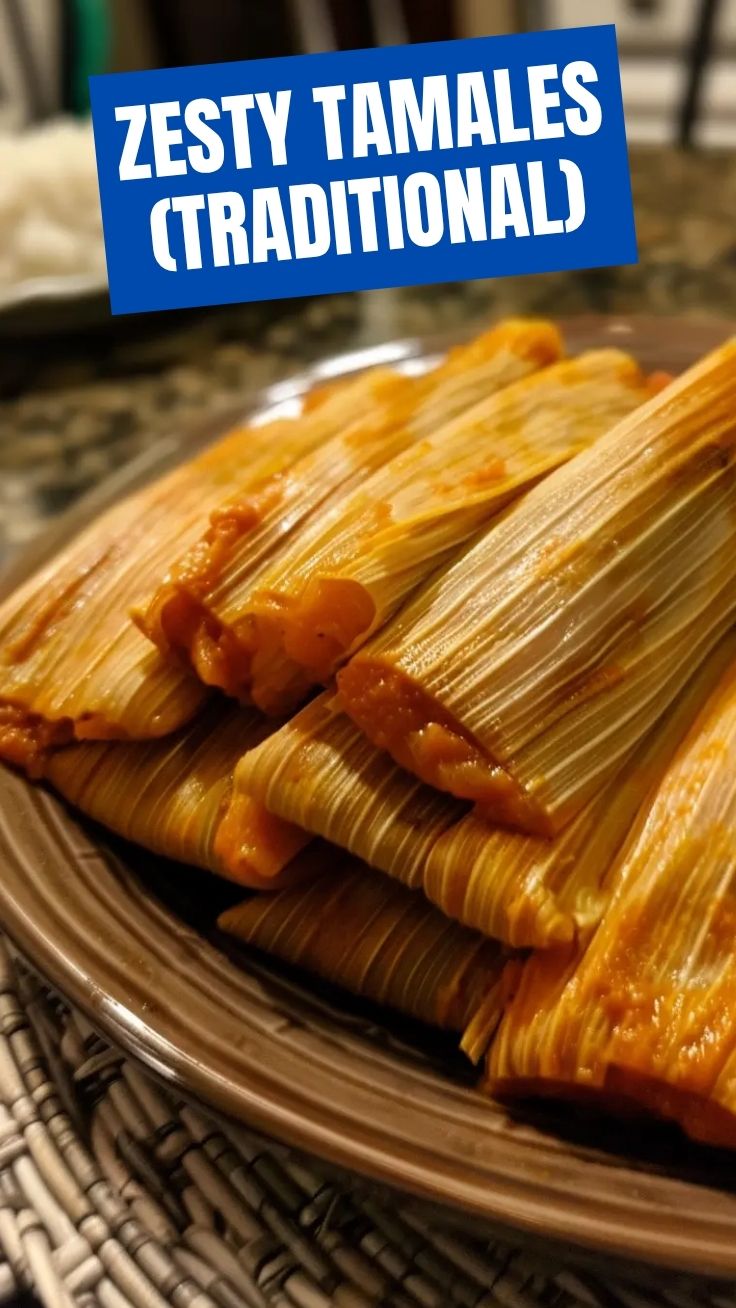
Proven way to grow 5 Tamales (Traditional)
Ingredients
Equipment
Method
- Cook the pork shoulder until tender, then shred it and set aside.
- Rehydrate the dried chiles in hot water, then blend them with garlic, cumin, oregano, and salt to form a smooth sauce.
- Combine the shredded pork with the chile sauce and simmer for 15 minutes, allowing flavors to meld.
- Beat the lard or shortening until fluffy, then gradually incorporate masa harina, baking powder, and salt.
- Slowly add chicken broth, mixing until a soft, spreadable dough forms.
- Soak corn husks in hot water until pliable, then spread a thin layer of masa onto each husk.
- Place a spoonful of the pork filling in the center of the masa, then fold the corn husk to enclose the filling.
- Tie the tamales with strips of corn husk or kitchen twine to secure them.
- Arrange the assembled tamales upright in a steamer basket.
- Steam for 60-90 minutes, or until the masa is firm and easily separates from the husk.