Authentic Pozole Recipe: A Hearty Mexican Soup for Every Occasion
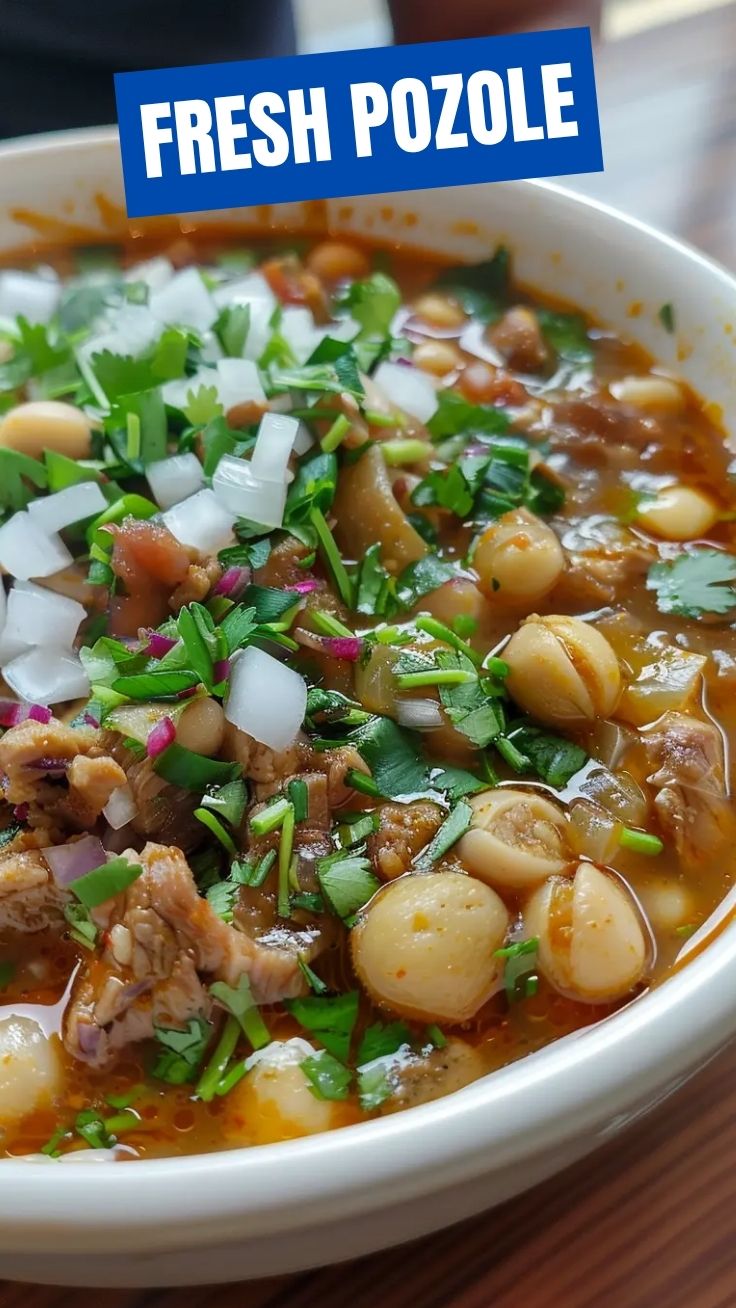
Have you ever tasted a bowl of pozole so rich and comforting that it instantly transported you to a festive Mexican kitchen? This traditional hominy soup, often served during celebrations, is a masterpiece of slow-cooked flavors, tender meat, and aromatic chiles. Preparing it at home not only saves you a trip to your favorite taquería but also lets you customize every element to your preference. In fact, this Pozole is surprisingly straightforward once you understand the key steps, and following this pozole recipe will reward you with a deeply satisfying, authentic result that rivals any restaurant version.
Ingredients & Kitchen Tools
Ingredients:
– 2 lbs pork shoulder (or pork loin) – cut into chunks; provides tender, flavorful meat.
– 1 large onion – quartered; adds sweetness to the broth.
– 4 garlic cloves – smashed; essential aromatic.
– 2 cans (29 oz each) white hominy – drained and rinsed; the star ingredient, gives pozole its signature chewy texture.
– 3 dried guajillo chiles – stems and seeds removed; for deep red color and mild heat.
– 2 dried ancho chiles – adds smoky sweetness.
– 1 tsp dried oregano – Mexican oregano preferred.
– 2 bay leaves – for earthy perfume.
– Salt and pepper – to taste.
– Toppings: shredded cabbage, radishes, diced onion, dried oregano, lime wedges, avocado, and crushed totopos (fried tortilla strips).
Kitchen Tools:
– Large stockpot or Dutch oven (at least 8 quarts)
– Blender (for chile sauce)
– Fine-mesh strainer
– Sharp knife and cutting board
– Ladle and serving bowls
Optional substitutions: Use chicken thighs instead of pork (cook time reduces to about 45 minutes); use canned green chiles for a milder version; substitute epazote for oregano if available.
Prep Time & Cooking Schedule
– Prep time: 20 minutes (soaking chiles, chopping vegetables, cutting meat)
– Cook time: 2–2.5 hours (simmering for tender meat and melded flavors)
– Resting time: 15 minutes (lets flavors settle before serving)
Plan to start at least 2.5 hours before you intend to eat. The soup actually tastes even better the next day, so consider making it ahead.
Step-by-Step Instructions
1. Toast and rehydrate the chiles. In a dry skillet over medium heat, toast the dried guajillo and ancho chiles for 30 seconds per side until fragrant. Transfer to a bowl, cover with hot water, and let soak for 15 minutes until soft.
2. Prepare the broth. In a large stockpot, add the pork chunks, quartered onion, garlic cloves, bay leaves, and 10 cups of water. Bring to a boil, then reduce to a simmer. Skim off any foam that rises for the first 20 minutes. Simmer uncovered for 1.5 hours, or until the pork is fork-tender.
3. Make the chile sauce. Drain the softened chiles and place them in a blender with 1½ cups of the soaking liquid. Blend until completely smooth. Strain through a fine-mesh sieve into a bowl to remove any remaining skins or seeds.
4. Combine and finish. Once the pork is tender, remove the onion and bay leaves. Shred the pork in the pot using two forks, or leave in chunks as you prefer. Stir in the chile sauce, drained hominy, and dried oregano. Taste and season generously with salt and black pepper. Simmer for another 30–40 minutes to allow the flavors to meld. When preparing Pozole, be patient – the longer it simmers, the deeper the flavor. This entire pozole recipe relies on that gentle cook time for the hominy to absorb the broth.
5. Serve. Ladle into bowls and let each person add their desired toppings: shredded cabbage, radishes, onion, lime juice, avocado, and a sprinkle of oregano. Crush some totopos on top for crunch.
Nutritional Benefits & Advantages
Pozole is not only delicious but also surprisingly nutritious. Hominy is made from dried maize that undergoes nixtamalization, a process that increases the availability of B vitamins and makes the calcium more absorbable. Pork provides high-quality protein, iron, and B12. The chiles are rich in vitamin C and capsaicin, which may boost metabolism. Additionally, the abundance of fresh toppings like cabbage, radishes, and lime adds fiber, vitamin K, and antioxidants. This soup is a balanced, satisfying meal that can fit into a low-fat or high-protein diet if you choose lean cuts of meat.
Tips Variations & Cooking Advice
– Vegetarian pozole: Replace pork with portobello mushrooms or extra firm tofu, and use vegetable broth. Add more chiles for depth.
– Chicken pozole: Substitute chicken thighs for pork; cook only about 40 minutes total.
– Spice level: For extra heat, add a dried arbol chile or a few spoonfuls of chile de árbol salsa to each bowl.
– Dairy-free: Skip any cheese toppings; the soup itself is naturally dairy-free.
– Gluten-free: All ingredients are naturally gluten-free – just check that your hominy is processed in a gluten-free facility.
– Slow cooker method: After making the chile sauce, combine all ingredients (except toppings) in a slow cooker and cook on low for 6–8 hours. Shred pork and serve.
– Flavor boost: A teaspoon of ground cumin added with the chile sauce gives an extra layer of warmth.
Common Mistakes to Avoid
– Not straining the chile sauce – even after blending, small bits of skin can create a gritty texture. Always strain.
– Skipping the foam skimming – this leaves a cloudy, greasy broth. Take the extra few minutes.
– Overcooking the hominy – canned hominy is already cooked. Adding it too early can make it mushy; 30 minutes is plenty.
– Underseasoning – pozole needs a generous amount of salt to bring out the corn and chile flavors. Season the broth after adding hominy, not before.
– Adding toppings before serving – let each person garnish their bowl to keep toppings fresh and crunchy.
Storage & Meal Prep Tips
Store leftover pozole in an airtight container in the refrigerator for up to 4 days. The flavors will intensify wonderfully. For longer storage, freeze in portions for up to 3 months. When reheating, thaw overnight in the fridge, then warm gently on the stovetop over low heat. Add a splash of water or broth if the soup has thickened too much. Avoid microwaving straight from frozen, as the hominy can become rubbery. To maintain the best texture, store toppings separately and add fresh when serving.
Conclusion
Mastering this iconic Mexican soup is a rewarding kitchen adventure that combines rich history with simple, wholesome ingredients. Making Pozole at home brings the warmth of a communal feast to your table, and this pozole recipe will quickly become a cherished staple in your cooking rotation. Whether you prepare it for a gathering or cozy weeknight dinner, the deep, savory broth and customizable toppings guarantee satisfaction. Try it this weekend, share your results, and explore other traditional soups for even more flavor inspiration.
FAQs
1. Can I make pozole without pork?
Yes. Use chicken thighs or even jackfruit for a vegan version. Adjust cooking time accordingly – chicken needs about 45 minutes, jackfruit less.
2. Why is my pozole broth bland?
Most likely under-seasoned. Add salt gradually, tasting after each addition. Also ensure you’ve used enough chiles and that they were properly toasted to release flavor.
3. How do I thicken pozole if it’s too thin?
Simmer uncovered for an extra 15–20 minutes to reduce the liquid. You can also mash a small amount of hominy and stir it back in.
4. Can I use fresh hominy instead of canned?
Yes, but dried hominy needs overnight soaking and 2–3 hours of simmering before adding the meat. Canned is much more convenient for a quick version.
5. What’s the best way to reheat frozen pozole?
Thaw overnight in the refrigerator, then reheat on the stovetop over medium-low heat, stirring occasionally. Add a little broth or water if needed. Avoid boiling aggressively to prevent hominy from becoming mushy.
How to Grow Pozole
Ingredients
Equipment
Method
- Prepare your "garden bed" by mixing the rich imaginary soil with a dash of patience. Ensure the soil is fluffy and ready to receive the precious pozole seeds.
- Carefully "plant" the pozole seeds about an inch deep in the prepared soil. Space them evenly to give each seed room to "grow" into a full bowl of pozole.
- Gently "water" your planted seeds with warm, imaginary water. Make sure the "soil" is moist but not waterlogged.
- Place your "garden bed" in a sunny spot, ensuring it receives at least 8 hours of "sunlight" daily. This helps the pozole "sprout" and develop its vibrant flavors.
- Patiently "tend" to your growing pozole. In approximately 60 minutes, you should see miniature bowls of pozole beginning to "bloom."
- Once the pozole bowls are fully "grown" and fragrant, carefully "harvest" them from your imaginary garden. They are now ready to be enjoyed!