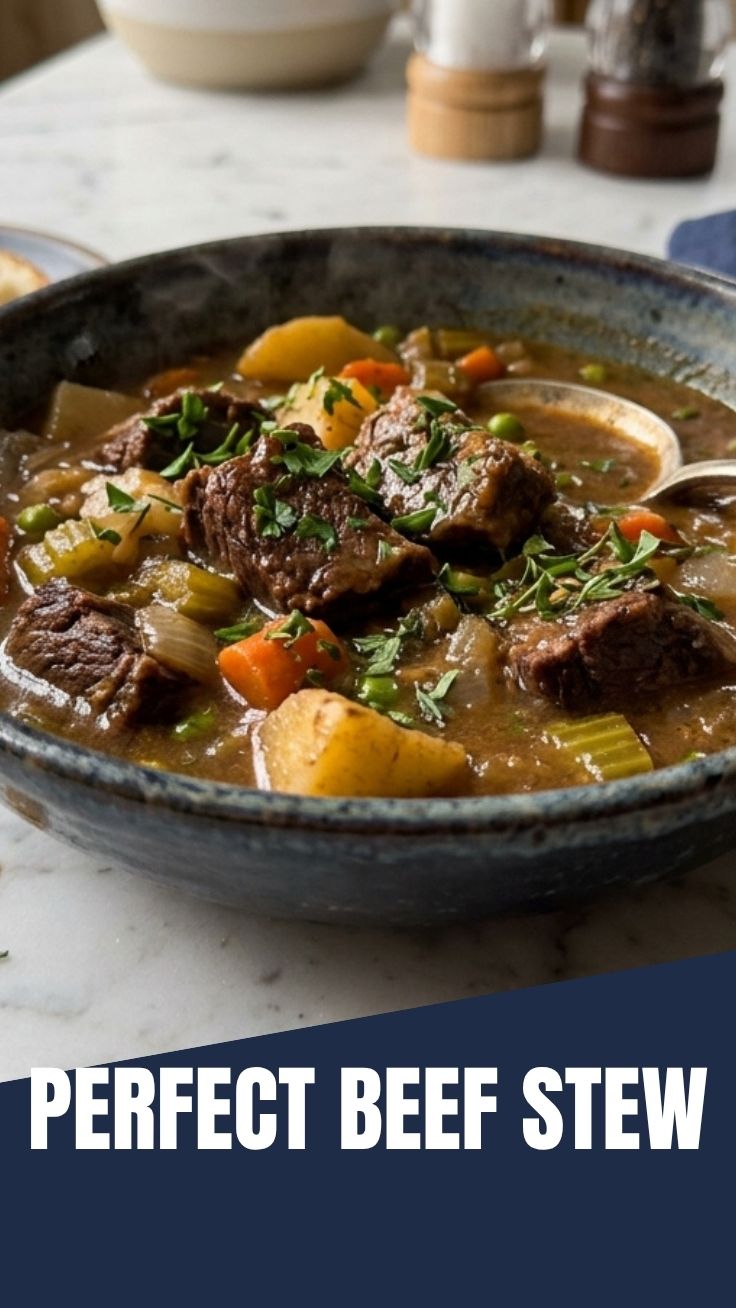
The Ultimate Guide to Making the Perfect Beef Stew at Home
What if one pot could warm your soul, feed your family, and fill your home with an aroma that says “everything is going to be okay”? That’s the magic of a classic beef stew. Preparing this hearty dish at home isn’t just about dinner—it’s about reclaiming control over your ingredients, your budget, and your time. Whether you’re a seasoned cook or a kitchen novice, learning to make a rich, tender beef stew from scratch is a skill that pays dividends in comfort and flavor. And when you’re short on time, a crockpot beef stew variation can deliver the same deep satisfaction with minimal effort.
—
Ingredients & Kitchen Tools
Essential Ingredients
– Beef chuck (2 lbs) – The best cut for stew; marbling breaks down into tenderness during slow cooking.
– All-purpose flour (¼ cup) – For dredging the meat, creating a rich, thick broth.
– Olive oil (2 tbsp) – For browning; use avocado oil for a higher smoke point.
– Yellow onions (2 medium) – Diced; they melt into the sauce for sweetness.
– Garlic cloves (4) – Minced; adds aromatic depth.
– Carrots (3 large) – Chopped into chunks; hold texture well.
– Celery stalks (3) – Sliced; adds subtle savory notes.
– Russet potatoes (3 medium) – Cubed; they absorb broth beautifully.
– Beef broth (4 cups) – Low-sodium preferred; homemade is best.
– Tomato paste (2 tbsp) – Concentrated umami boost.
– Worcestershire sauce (1 tbsp) – Adds complexity and tang.
– Bay leaves (2) – For earthy undertones.
– Fresh thyme (3 sprigs) – Or 1 tsp dried.
– Salt and black pepper – To taste.
– Frozen peas (1 cup) – Optional; added at the end for color.
Optional Substitutions
– Gluten-free – Use cornstarch or arrowroot instead of flour.
– Dairy-free – Skip any butter; use olive oil exclusively.
– Low-carb – Replace potatoes with turnips or cauliflower.
Kitchen Tools
– Dutch oven – Heavy-bottomed for even heat distribution; a slow cooker works too.
– Chef’s knife and cutting board – For uniform veggie cuts.
– Wooden spoon – For scraping up browned bits (fond).
– Measuring cups and spoons – Precision matters.
– Tongs – For flipping beef without piercing.
—
Prep Time & Cooking Schedule
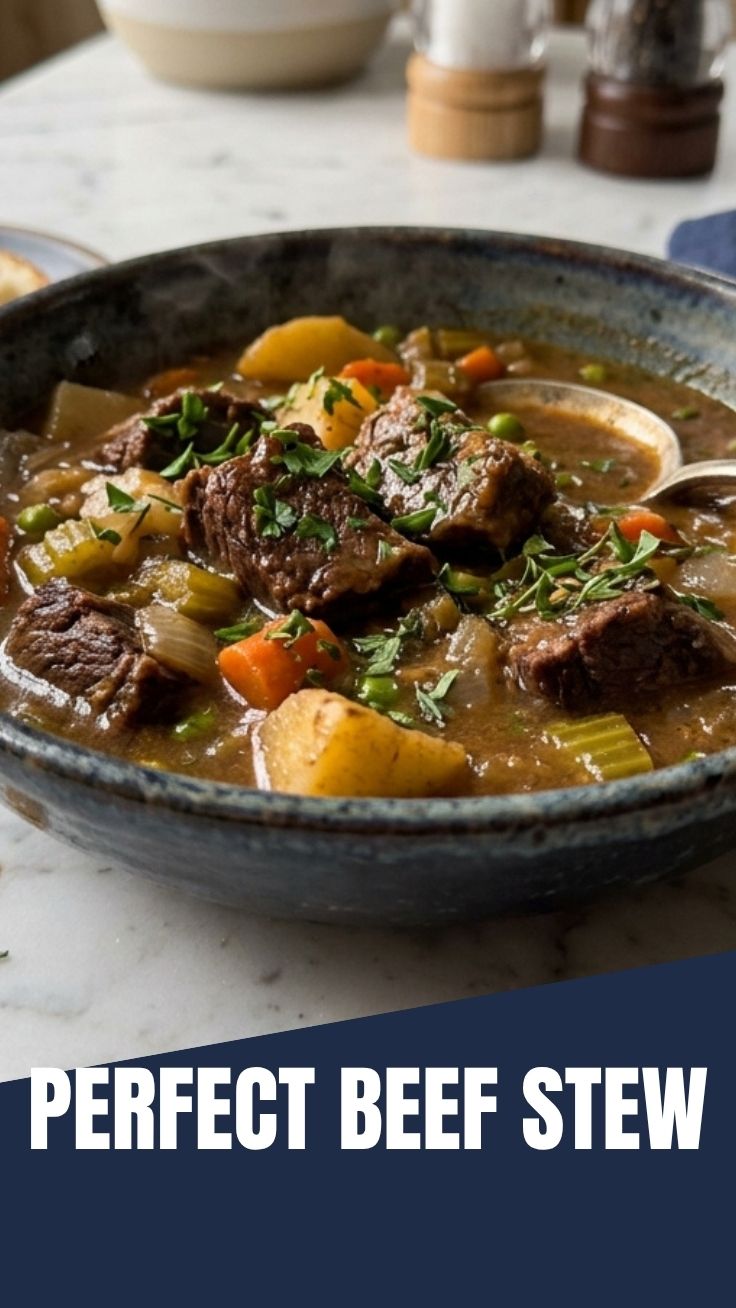
Prep time: 20 minutes
Cook time: 2 hours (stovetop) or 6–8 hours (slow cooker)
Resting time: 10 minutes before serving
Plan this dish for a lazy Sunday afternoon or a busy weekday morning. If using a slow cooker, start by 10 AM to enjoy dinner by 6 PM. For stovetop, begin around 4 PM. The longer, gentler cooking allows collagen in the beef to convert to gelatin, creating that silky mouthfeel you crave.
—
Step-by-Step Instructions
1. Prepare the beef – Pat the beef chuck dry with paper towels. Season generously with salt and pepper. Dredge each piece in flour, shaking off excess. This step is crucial for developing a beef stew with a thick, velvety broth.
2. Sear in batches – Heat olive oil in your Dutch oven over medium-high heat. Add beef pieces in a single layer (do not overcrowd). Sear for 3–4 minutes per side until deeply browned. Remove and set aside. This browning is the flavor foundation.
3. Sauté aromatics – Reduce heat to medium. Add onions and cook for 3 minutes until translucent. Add garlic and cook 30 seconds longer. Scrape up any browned bits from the bottom of the pot.
4. Build the base – Stir in tomato paste and cook for 1 minute. Pour in beef broth while scraping the pot. Add Worcestershire sauce, bay leaves, and thyme. Return the beef to the pot.
5. Simmer low and slow – Bring to a gentle boil, then reduce heat to low. Cover and simmer for 1.5 hours. For a tender crockpot beef stew, transfer everything to a slow cooker and cook on low for 6–7 hours.
6. Add vegetables – After the initial simmer, add carrots, celery, and potatoes. Continue cooking uncovered for 30–40 minutes, or until vegetables are fork-tender. The broth should reduce slightly, thickening naturally.
7. Finish and adjust – Remove bay leaves. Stir in frozen peas in the last 5 minutes. Taste and adjust seasoning with salt and pepper. If the broth is too thin, mix 1 tbsp cornstarch with 2 tbsp cold water and stir in; simmer 2 minutes.
—
Nutritional Benefits & Advantages
This beef stew is a powerhouse of nutrition. A single serving (about 1.5 cups) provides approximately 350 calories, 30g protein, 15g fat, and 25g carbohydrates. The beef chuck is rich in iron, zinc, and B vitamins, supporting energy metabolism and immune function. Carrots offer beta-carotene for eye health, while potatoes provide potassium and vitamin C. The slow cooking method preserves nutrients better than high-heat frying. For a leaner option, choose sirloin tips, though chuck delivers superior flavor.
—
Tips Variations & Cooking Advice
– Flavor boost – Add a splash of red wine (½ cup) after sautéing aromatics; let it reduce for 2 minutes before adding broth.
– Herb swap – Replace thyme with rosemary or marjoram for a different profile.
– Crockpot shortcut – Brown the beef first, then combine all ingredients except peas in the slow cooker. Cook on low 6–8 hours.
– Gluten-free version – Use 1 tbsp cornstarch mixed with 2 tbsp cold water per cup of broth; stir in at the end.
– Dairy-free adaptation – This recipe is naturally dairy-free, but if adding cream, use coconut cream.
– Portion control – Freeze individual portions in silicone molds for quick lunches.
—
Common Mistakes to Avoid
– Skipping the sear – Without browning, the stew lacks depth. Always take the extra 10 minutes.
– Overcrowding the pan – This steams the meat instead of browning it. Sear in batches.
– Adding vegetables too early – Potatoes and carrots become mushy if cooked for 2+ hours. Add them later.
– Underseasoning – Beef stew needs generous salt to bring out flavors. Taste and adjust at the end.
– Using lean beef – Cuts like round or sirloin dry out. Stick with chuck or brisket for tenderness.
– Rapid boiling – High heat toughens meat. Keep it at a gentle simmer.
—
Storage & Meal Prep Tips
– Refrigeration – Store in an airtight container for up to 4 days. The flavors meld and improve overnight.
– Freezing – Cool completely, then transfer to freezer-safe bags or containers. Lay flat to save space. Freeze for up to 3 months.
– Reheating – Thaw in the refrigerator overnight. Reheat gently on the stovetop over medium-low heat, adding a splash of broth if needed. Avoid microwaving, which can make the meat tough.
– Meal prep – Cook a double batch on Sunday. Portion into containers for easy weekday lunches. Add a squeeze of lemon before reheating to brighten flavors.
—
Conclusion
Mastering a classic beef stew is about more than following a recipe—it’s about understanding the science of low-and-slow cooking, the art of layering flavors, and the joy of feeding people you love. Whether you choose the stovetop method or opt for a hands-off crockpot beef stew approach, the result is a deeply satisfying bowl of comfort that nourishes both body and soul. I encourage you to try this recipe this weekend, share your results with friends, and experiment with your own variations. The best stew is the one that tastes like home.
—
FAQs
1. Can I use a different cut of beef?
Yes. Chuck is ideal, but brisket, bottom round, or even oxtail work well. Avoid lean cuts like sirloin.
2. How do I thicken the stew without flour?
Use a cornstarch slurry (1 tbsp cornstarch + 2 tbsp cold water) or mash some of the potatoes into the broth.
3. Can I make this in an Instant Pot?
Absolutely. Sear on Sauté mode, then pressure cook on High for 35 minutes with natural release. Add vegetables after pressure cooking to avoid mushiness.
4. Why is my beef tough?
It likely needs more time. Low heat for 2+ hours is essential to break down collagen. If it’s still tough, simmer longer.
5. Can I add other vegetables?
Certainly. Mushrooms, parsnips, sweet potatoes, or turnips make excellent additions. Adjust cooking times accordingly.