The Ultimate Guide to Perfect Butter Chicken at Home
Have you ever wondered why restaurant-style Butter Chicken tastes so impossibly rich and creamy, yet your homemade version often falls flat? The secret isn’t a special ingredient—it’s technique, timing, and a little kitchen science. Preparing Butter Chicken at home not only saves you money but also lets you control the spice level, creaminess, and authenticity of this beloved Indian curry. Plus, the aroma that fills your kitchen is worth the effort alone. In this data-driven guide, I’ll walk you through every step, from ingredient selection to common pitfalls, so you can create a restaurant-quality dish that rivals your favorite takeout.
Ingredients & Kitchen Tools
For the Marinade
– 500g boneless chicken thighs – juicier than breasts; trim excess fat
– 1/2 cup plain yogurt – full-fat for best texture; Greek works too
– 1 tbsp ginger-garlic paste – fresh preferred; jarred is fine if high quality
– 1 tsp turmeric – for color and anti-inflammatory benefits
– 1 tsp Kashmiri red chili powder – mild heat; use paprika + cayenne if unavailable
– 1 tsp garam masala – store-bought or homemade
– 1 tbsp lemon juice – tenderizes the chicken
– Salt to taste
For the Curry Sauce
– 2 tbsp butter – unsalted; ghee works for extra depth
– 1 large onion – finely diced
– 2 tsp ginger-garlic paste
– 2 medium tomatoes – pureed; or 1 cup canned crushed tomatoes
– 1 tsp Kashmiri red chili powder – adjust for heat
– 1 tsp ground cumin
– 1 tsp garam masala
– 1/2 cup heavy cream – or full-fat coconut milk for dairy-free
– 1 tsp dried fenugreek leaves (kasuri methi) – signature aroma; crush before adding
– 1 tbsp honey or sugar – balances acidity
– Salt to taste
Kitchen Tools
– Large mixing bowl
– Skillet or heavy-bottomed pan (cast iron ideal)
– Blender or immersion blender (optional for smoother sauce)
– Tongs or spatula
– Sharp knife and cutting board
– Measuring spoons
Optional Substitutions
– Chicken: tofu or paneer for vegetarian version
– Cream: full-fat coconut cream for dairy-free
– Fenugreek: a pinch of maple syrup + curry powder as last resort
Prep Time & Cooking Schedule
– Prep time: 15 minutes (dicing, mixing, pureeing)
– Marinating time: minimum 30 minutes; ideally 4–6 hours in the fridge
– Cook time: 30–35 minutes (marinade cooking + sauce simmer)
– Total time: about 1 hour (excluding marinating)
Planning tip: Marinate the chicken in the morning, then let the flavors develop while you work. The actual stove time is short, making this a perfect weeknight dinner if you prep ahead.
Step-by-Step Instructions
1. Marinate the Chicken
In a large bowl, combine yogurt, ginger-garlic paste, turmeric, chili powder, garam masala, lemon juice, and salt. Add chicken thighs and coat thoroughly. Cover and refrigerate for at least 30 minutes (longer = better). This step tenderizes the meat and builds the base flavor for your Butter Chicken.
2. Cook the Chicken
Heat 1 tbsp butter in a skillet over medium-high heat. Remove excess marinade from chicken (leave a thin layer). Sear thighs for 3–4 minutes per side until golden brown. The chicken will finish cooking in the sauce, so it’s okay if slightly underdone inside. Set aside on a plate.
3. Build the Curry Base
In the same pan, melt remaining 1 tbsp butter over medium heat. Add diced onion and cook until deep golden, about 5–6 minutes. Stir in ginger-garlic paste and cook for 30 seconds. Add tomato puree, chili powder, cumin, and garam masala. Simmer for 10 minutes, stirring occasionally, until the sauce thickens and oil separates.
4. Blend for Silkiness (Optional but Recommended)
Use an immersion blender to puree the sauce until smooth. This gives the Indian curry that velvety restaurant texture. If you don’t care about perfectly smooth sauce, skip this step—chunky works too.
5. Finish the Curry
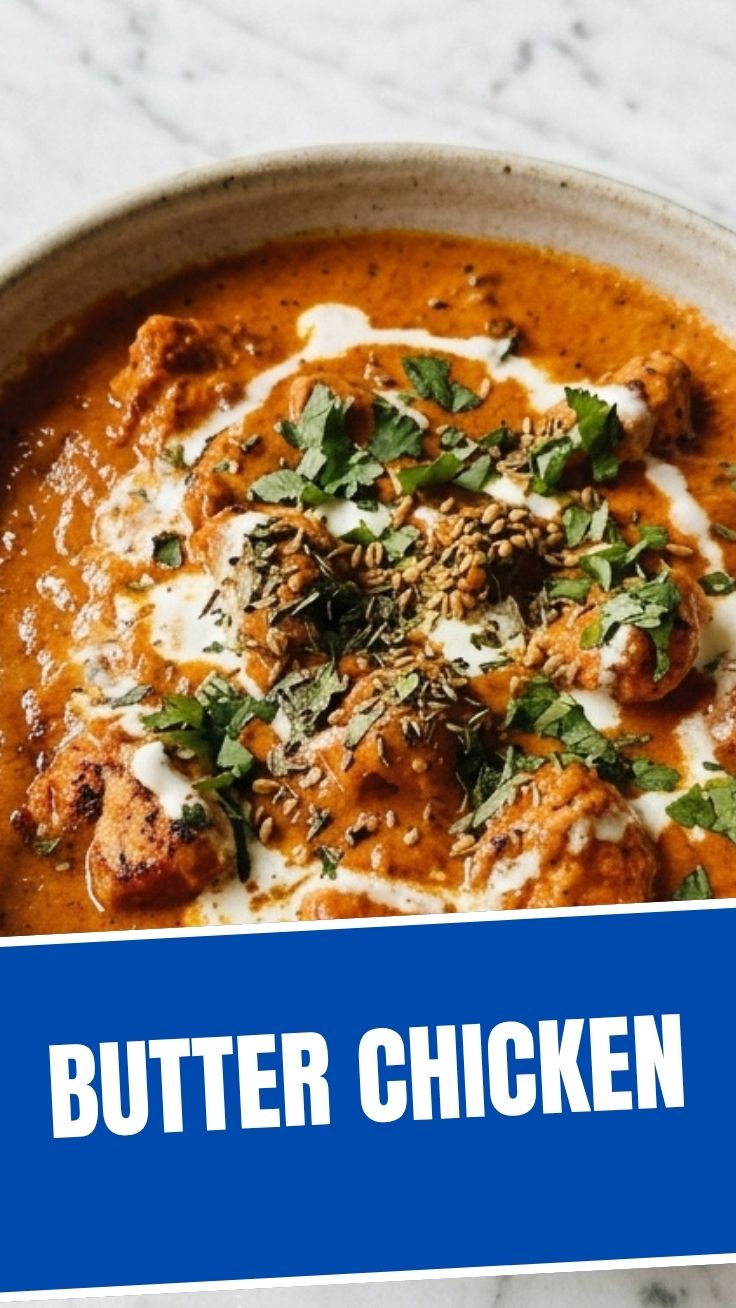
Return the blended sauce to the pan. Add heavy cream, crushed fenugreek leaves, and honey. Stir in the cooked chicken (with any juices). Simmer on low for 10 minutes, uncovered, until the chicken is cooked through and the sauce has slightly thickened. Taste and adjust salt and sweetness. Here, you’ll see why authentic Butter Chicken relies on cream and fenugreek for that signature balance.
6. Serve
Garnish with fresh cilantro and a pat of butter. Serve with naan, basmati rice, or both. The sauce should be creamy, not too runny—if too thick, thin with a splash of water or milk.
Nutritional Benefits & Advantages
Butter Chicken isn’t just delicious—it offers surprising nutritional value when made mindfully:
– Chicken thighs provide protein, B vitamins, and zinc; they’re more forgiving than breasts in cooking.
– Tomatoes deliver lycopene, an antioxidant linked to heart health.
– Yogurt marinade adds probiotics and helps tenderize meat naturally.
– Fenugreek leaves are rich in iron and may aid digestion.
– All spices (turmeric, cumin, garam masala) have anti-inflammatory properties.
– A single serving (about 1.5 cups) contains roughly 45g protein, 35g fat, and 15g carbs—making it a satisfying, low-carb meal when paired with vegetables instead of rice.
Tips, Variations & Cooking Advice
– Spice level: For mild, reduce chili powder to 1/2 tsp. For fiery, add dried red chilies or a pinch of cayenne.
– Smoky flavor: After step 3, place a small piece of charcoal in a foil boat, light it, and place it in the skillet with a drizzle of ghee. Cover for 2 minutes for authentic “dhungar” smokiness.
– Vegan adaptation: Substitute chicken with chickpeas or extra-firm tofu (press first) and use cashew cream (soaked cashews blended with water) instead of dairy.
– Gluten-free: Ensure garam masala is certified GF; the dish is naturally gluten-free.
– Time-saving: Use pre-made curry paste? Not recommended—homemade is far superior—but if pressed, choose a high-quality makhani paste and add fresh cream and fenugreek.
– Make it a meal prep hero: Double the recipe; the sauce freezes beautifully for 3 months.
Common Mistakes to Avoid
| Mistake | Solution |
|———|———-|
| Chicken is dry | Don’t overcook thighs; they are done at 165°F (74°C). Sear quickly, then simmer only until just cooked. |
| Sauce is bitter | Overcooked garlic or burnt fenugreek. Add fenugreek at the very end, and don’t let garlic brown beyond golden. |
| Sauce is too thin | Let it simmer uncovered longer (up to 15 min) to reduce. Or add a slurry of 1 tsp cornstarch + 1 tbsp water. |
| Sauce is too thick | Too much cream or too long reduction. Thin with warm water or milk 1 tbsp at a time. |
| Lacks depth | You likely skipped the fenugreek or didn’t caramelize the onions enough. Those 5–6 minutes of browning are non-negotiable. |
| Spices taste raw | Bloom the spices in butter (step 3) for 20–30 seconds before adding liquid. This unlocks their oils. |
Storage & Meal Prep Tips
– Refrigeration: Cool completely, then store in an airtight container for up to 4 days. The flavors actually improve overnight.
– Freezing: Transfer to a freezer-safe bag or container, removing as much air as possible. Freeze flat for 3 months. Thaw overnight in the fridge.
– Reheating: Gently reheat on the stovetop over low heat, adding a splash of water or milk if the sauce has thickened. Avoid microwaving high-power—it can make the cream separate.
– Portioning: Freeze in individual portions for quick lunches. The chicken stays tender after freezing—unlike many stewed dishes.
Conclusion
Mastering homemade Butter Chicken transforms your kitchen into a South Asian spice haven. By following these step-by-step techniques—from marinating to blending to finishing with cream and fenugreek—you’ll create an Indian curry that is creamy, flavorful, and deeply satisfying. The beauty lies in the balance of heat, sweetness, and richness. Once you taste the version you made yourself, you’ll never look at takeout the same way again. I encourage you to try this recipe this weekend, share your results with friends, and explore even more variations like Butter Chicken with garlic or Indian curry with paneer. Your taste buds—and your kitchen—will thank you.
FAQs
1. Can I use chicken breast instead of thighs?
Yes, but reduce the marinating time to 20 minutes (acid toughens breast). Cook until just 165°F, and slice before adding to sauce to avoid drying out.
2. How do I make this dairy-free?
Replace butter with coconut oil or vegan butter, use coconut cream instead of heavy cream, and skip the yogurt marinade (use 2 tbsp lemon juice + 1 tbsp oil instead). The fenugreek still works.
3. My sauce turned out oily. What went wrong?
Your butter/oil separated from the cream too quickly. This often happens from high heat. Simmer on low, and if already separated, whisk in 1 tbsp of cold water or cream to re-emulsify.
4. Can I skip the fenugreek leaves?
You can, but the dish will lose its signature “butter chicken” aroma. The best substitute is a 1/2 tsp of maple syrup and a pinch of celery seed powder (or simply omit and add extra garam masala).
5. How long should I marinate the chicken?
30 minutes minimum, 6 hours maximum. Beyond 8 hours, the acids in yogurt and lemon juice can break down the chicken too much, turning it mushy.
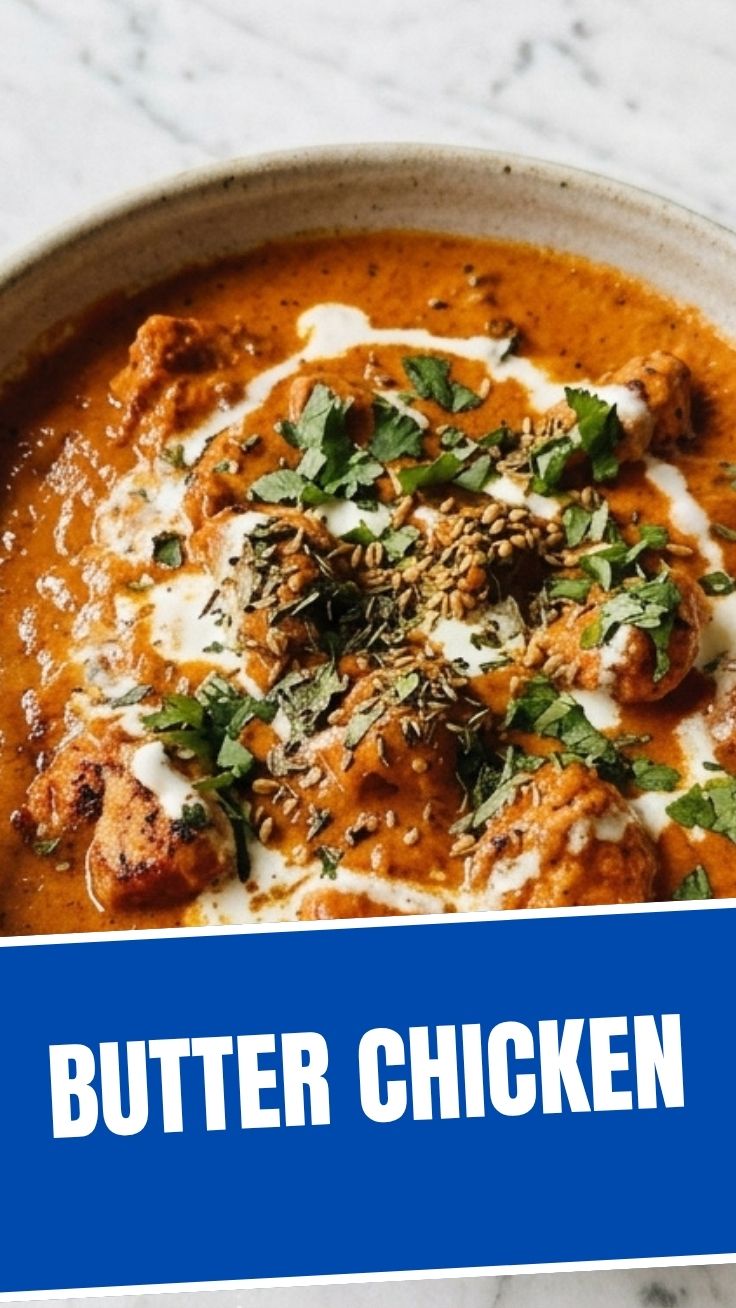
Best way to grow Butter Chicken
Ingredients
Equipment
Method
- Combine all chicken marinade ingredients in a bowl, mix well, and refrigerate for at least 30 minutes, or preferably 2-4 hours.
- Heat 1 tablespoon of ghee or oil in a large pan over medium-high heat. Add the marinated chicken in batches and cook until browned and almost cooked through, then set aside.
- In the same pan, melt the remaining ghee over medium heat. Add the chopped onion and cook until softened and lightly golden, about 5-7 minutes.
- Stir in the ginger-garlic paste and cook for 1 minute until fragrant. Add the crushed tomatoes, soaked cashews, garam masala, turmeric, chili powder, and salt, then bring to a simmer.
- Remove the pan from heat and carefully transfer the mixture to a blender. Blend until completely smooth, then strain the sauce through a fine-mesh sieve back into the pan for a silkier texture.
- Return the sauce to medium-low heat. Stir in the cooked chicken, heavy cream, and sugar, cooking for 5-10 minutes until heated through and the sauce thickens slightly.
- Stir in the crushed kasuri methi, if using, and adjust seasoning as needed.
- Garnish with fresh cilantro and serve hot with basmati rice or naan bread.