The Ultimate Guide to Making the Perfect Chicken Curry at Home
Have you ever wondered why restaurant-quality Chicken Curry tastes so much richer than what you whip up at home? The secret isn’t a hidden ingredient—it’s technique, patience, and understanding how spices interact. If you’re searching for an easy chicken curry recipe that delivers deep, complex flavors without hours of babysitting the stove, you’re in the right place. Preparing this dish at home isn’t just about saving money; it’s about controlling every layer of flavor, from the freshness of the spices to the tenderness of the meat. Whether you’re a novice cook or a seasoned home chef, this guide will transform your curry game using science-backed methods and practical kitchen wisdom. Let’s dive into a bowl of comfort that rivals any takeout.
Ingredients & Kitchen Tools
Ingredients
– Chicken (bone-in, skinless thighs or drumsticks, 2 lbs): Bone-in pieces add more flavor and stay juicier during simmering. For a leaner option, use boneless, skinless chicken breast (reduce cooking time by 10 minutes).
– Yellow onion (1 large, diced): Provides the savory base. Sweet onions work well; red onions add a slightly sharper edge.
– Garlic (4 cloves, minced) and fresh ginger (1-inch piece, grated): Fresh is non-negotiable for authentic warmth. Pre-minced versions lack potency.
– Curry powder (3 tablespoons): Use Madras-style for heat; Jamaican curry powder for earthiness and allspice notes.
– Canned crushed tomatoes (1 cup): Adds acidity and body. Substitute with 2 fresh tomatoes, blended.
– Coconut milk (1 can, full-fat): Creates creaminess. Light coconut milk works but yields a thinner sauce.
– Chicken broth (1 cup): Low-sodium preferred. Vegetable broth can substitute.
– Spices: Turmeric (1 tsp), cumin (1 tsp), coriander (1 tsp), garam masala (1 tsp), cayenne (½ tsp, optional).
– Salt and black pepper: To taste.
– Neutral oil (2 tbsp) or ghee: Ghee adds richness; avocado oil has a high smoke point.
– Fresh cilantro (¼ cup, chopped): For garnish.
– Lime juice (1 tbsp): Brightens flavors at the end.
Kitchen Tools
– Dutch oven or heavy-bottomed pot: Even heat distribution prevents burning. A stainless steel skillet works but requires closer monitoring.
– Wooden spoon or silicone spatula: For stirring without scratching.
– Chef’s knife and cutting board.
– Measuring spoons and liquid cup.
– Microplane or fine grater: For ginger and garlic.
– Colander: For rinsing chicken (optional, but recommended).
Optional Substitutions
– Make it dairy-free by using coconut oil instead of ghee.
– For a nuttier base, add 2 tbsp unsweetened peanut butter during the simmering stage.
– Vegetarian? Swap chicken with 2 cans of chickpeas (drained) and reduce cooking time to 20 minutes.
Prep Time & Cooking Schedule
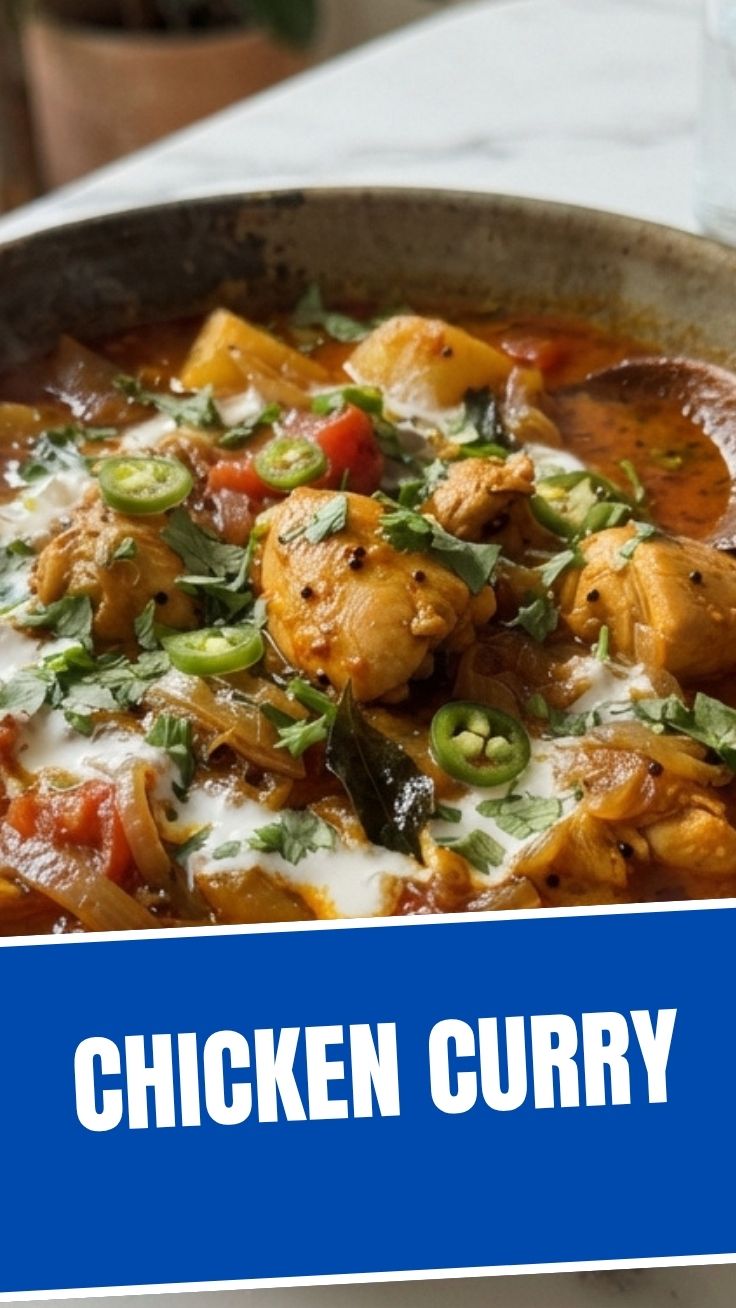
– Marinating time: 30 minutes (optional, but recommended for deeper flavor penetration). Combine chicken with 1 tbsp curry powder, ½ tsp salt, and 1 tbsp yogurt or lime juice.
– Prep time: 15 minutes (chopping vegetables, mincing aromatics).
– Cook time: 45–55 minutes (active cooking time about 30 minutes; simmering requires occasional stirring).
– Resting time: 10 minutes after cooking (allows flavors to meld).
– Total time: 1 hour 15 minutes (with marinating).
Pro tip: The curry tastes even better the next day. If time allows, prep the base sauce the night before and refrigerate. Reheat gently and add the chicken before serving.
Step-by-Step Instructions
Step 1: Prep the Chicken
If marinating, combine chicken pieces with 1 tbsp curry powder, ½ tsp salt, and a splash of your preferred marinade (yogurt or lime juice). Let rest at room temperature for 30 minutes. If short on time, skip this—the sauce will still build flavor.
Step 2: Brown the Chicken (The Flavor Foundation)
Heat 1 tbsp oil in your Dutch oven over medium-high heat until shimmering. Add chicken pieces in a single layer (work in batches if necessary). Sear for 4–5 minutes per side until golden brown. Remove and set aside. Dark brown bits on the pan (fond) are gold—they’ll infuse the sauce.
Step 3: Sauté Aromatics
Reduce heat to medium. Add remaining 1 tbsp oil, then diced onion. Cook for 6–8 minutes until translucent and edges begin to brown. Add minced garlic and grated ginger; stir for 1 minute until fragrant (don’t burn them). If you’re looking for an easy chicken curry recipe, this is where the magic happens—these three ingredients alone create a savory backbone.
Step 4: Bloom the Spices
Add curry powder, turmeric, cumin, and coriander. Stir vigorously for 30–45 seconds. The aroma should hit you immediately—if it smells raw, cook 15 seconds more. This step deepens the flavor exponentially.
Step 5: Build the Sauce
Pour in crushed tomatoes and chicken broth. Scrape the pan bottom with your spoon to release the fond. Bring to a gentle simmer, then return the browned chicken to the pot. Cover and reduce heat to low.
Step 6: Simmer with Patience
Cook for 30–35 minutes (bone-in thighs) or 20–25 minutes (boneless). Stir occasionally, ensuring the sauce doesn’t stick. Check tenderness: meat should pull away from the bone easily. For a thicker sauce, uncover for the last 10 minutes.
Step 7: Finish and Adjust
Remove from heat. Stir in coconut milk (adds creaminess), garam masala (bright, floral notes), and lime juice. Taste for salt and heat. Add cayenne if you want more kick. Let rest for 10 minutes.
Now, you’ve made a Chicken Curry that’s both restaurant-worthy and soul-satisfying. The easy chicken curry recipe approach ensures anyone can nail it without stress.
Nutritional Benefits & Advantages
This dish is a powerhouse of nutrition, thanks to its core ingredients:
– Chicken (protein, B vitamins, selenium): Supports muscle repair and immune function. Lean cuts reduce saturated fat.
– Turmeric (curcumin, anti-inflammatory): A key compound that may reduce chronic inflammation when paired with black pepper (which enhances absorption).
– Coconut milk (medium-chain triglycerides, MCTs): Provides quick energy without spiking blood sugar levels.
– Ginger and garlic (antioxidant, antimicrobial): Both boost digestion and lower blood pressure naturally.
– Tomatoes (lycopene, vitamin C): Lycopene is a potent antioxidant especially bioavailable when cooked in oil.
A single serving (about 1.5 cups) typically contains around 350–450 calories, 25–30g protein, 20–25g fat, and 10–15g carbohydrates. For a balanced meal, pair with brown rice or whole-wheat naan and a side of sautéed greens.
Tips Variations & Cooking Advice
– Creamier version: Swap ½ cup coconut milk with ¼ cup heavy cream (or cashew cream for dairy-free richness).
– Spicier version: Add 1–2 dried red chilies during blooming (fry for 30 seconds before removing). Or stir in 1 tbsp sambal oelek at the end.
– Thicker curry: Mash ½ cup of the cooked onion mixture against the pot side, or stir in 1 tbsp almond flour/arrowroot slurry (avoid cornstarch for keto-friendliness).
– Slow cooker adaptation: Brown chicken and sauté aromatics on the stove, then transfer to a slow cooker. Add remaining ingredients (except coconut milk, garam masala, and lime). Cook on low for 6 hours or high for 3. Stir in finishing ingredients before serving.
– Gluten-free: Ensure curry powder and broth are certified gluten-free. Most blends are, but double-check.
– Vegan version: Replace chicken with extra-firm tofu (pressed, cubed, and pan-seared), or use jackfruit for meaty texture. Adjust broth to vegetable-based.
Common Mistakes to Avoid
– Skipping the browning step. This is the number one mistake. Browning creates the Maillard reaction, adding umami that no spice blend can replicate.
– Overcrowding the pan when searing. Steam, not sear, will occur. Cook chicken in batches.
– Adding coconut milk too early. Coconut milk can curdle under prolonged high heat. Always add it at the end, off the heat.
– Using pre-ground old spices. Curry powder loses potency after six months. Fresh-tasting spices make a night-and-day difference.
– Not tasting during cook time. Spices fade with long simmering; add salt gradually and adjust acidity with lime at the end.
– Rushing the simmer. Low and slow tenderizes chicken and melds flavors. Boiling makes meat tough and sauce watery.
Storage & Meal Prep Tips
– Refrigeration: Store in an airtight container for up to 4–5 days. Flavor actually improves on day two or three as spices meld.
– Freezing: Cool completely, then transfer to freezer-safe containers or bags. Freeze for up to 3 months. Leave headspace for expansion.
– Thawing: Overnight in the refrigerator is safest. For quick defrost, submerge sealed bag in cold water for 1 hour.
– Reheating: Gently rewarm on the stovetop over low heat, stirring occasionally. Add a splash of water or broth if sauce has thickened significantly. Avoid microwave on high—it can dry out the chicken.
– Meal prep tip: Double the recipe and portion into single servings (chicken + sauce) over steamed rice or cauliflower rice. Perfect for grab-and-go lunches.
Conclusion
Mastering Chicken Curry at home is more than a cooking skill—it’s a gateway to understanding how bold, layered flavors come together. This easy chicken curry recipe proves that with proper technique—browning, blooming spices, and patience—you can create a meal that’s healthier, cheaper, and infinitely more rewarding than takeout. The beauty of curry lies in its versatility: adjust the heat, play with vegetables (add potatoes, bell peppers, or spinach during simmering), or experiment with proteins. Don’t forget the final touch of fresh cilantro and a squeeze of lime. Now, it’s your turn—fire up the stove, get those spices sizzling, and share your masterpiece with friends or family. Tag your results on social media with #HomeCurryMagic—we’d love to see what you create.
FAQs
1. Can I use boneless, skinless chicken thighs instead of bone-in?
Yes, absolutely. Boneless thighs cook faster (20–25 minutes of simmering) and are less prone to drying out than breasts. Just ensure the internal temperature reaches 165°F (74°C). The sauce will be slightly thinner without bones, so you may want to simmer uncovered for 5 extra minutes.
2. What’s the best way to thicken a runny curry?
The simplest method is to remove the lid during the last 10 minutes of simmering, allowing steam to evaporate. For a quicker fix, stir in 1 tablespoon of cornstarch or arrowroot mixed with 2 tablespoons of cold water, then simmer for 2–3 minutes. Alternatively, mash a few cooked potato cubes (if added) against the pot side.
3. My curry tastes bitter. What went wrong?
Bitterness usually stems from burnt spices or garlic. This happens when the pan is too hot during the blooming stage (Step 4). To fix it, add a pinch of sugar or a squeeze of lime juice to balance the bitterness. If it’s still overpowering, stir in a small amount of yogurt or cream.
4. How spicy is this recipe? Can I make it mild?
This recipe as written is medium-mild (thanks to cayenne’s optional nature). For truly mild curry, omit cayenne and use a sweet curry powder. For extra heat, stir in fresh Thai bird’s eye chilies or a drizzle of chili oil at the end.
5. Can I freeze leftovers with rice?
It’s better to freeze the curry alone, as rice can become mushy and watery upon thawing. Cook fresh rice or reheat frozen rice separately (reheat in a pan with a splash of water, covered, for 3–4 minutes). For a quick option, store curry in individual containers; microwave with a damp paper towel over the sauce to retain moisture.
6. How do I prevent coconut milk from curdling?
Coconut milk curdles when exposed to high heat or when the sauce is too acidic. Always add it off the heat, stir gently, and avoid boiling after incorporation. If you need to reheat, do so over low flame, stirring often. For thick, smooth texture, use full-fat coconut milk and shake the can well before opening.
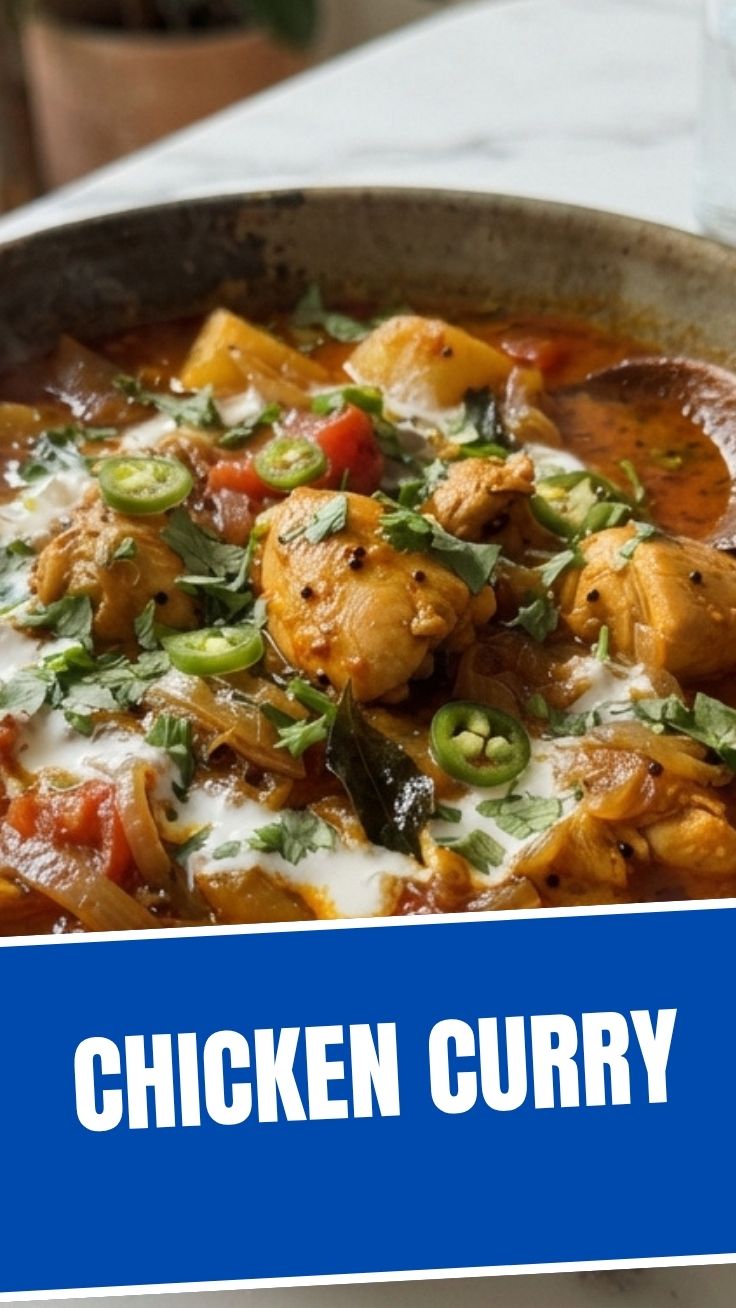
Chicken Curry
Ingredients
Equipment
Method
- Heat oil in a large pot over medium heat, then sauté chopped onion until softened. Add minced garlic and grated ginger, cooking for another minute until fragrant, then add chicken pieces and cook until lightly browned on all sides.
- Stir in tomato paste and all the spices (curry powder, cumin, coriander, turmeric, chili powder, salt, pepper), cooking for 2-3 minutes until aromatic. Pour in coconut milk and chicken broth, then bring the mixture to a simmer.
- Reduce heat to low, cover, and simmer for 20-25 minutes, or until the chicken is cooked through and tender. Stir occasionally and garnish with fresh cilantro before serving.