The Ultimate Guide to Perfect Egg Fried Rice: Better Than Takeout
Have you ever stood in your kitchen, staring at leftover rice, wondering why it never tastes quite like the glossy, fragrant version from your favorite takeout spot? The secret isn’t a special ingredient—it’s technique. Making exceptional Egg Fried Rice at home saves money, reduces food waste, and gives you complete control over flavor and quality. Unlike the greasy, MSG-laden versions from your local Chinese Takeout, a homemade version lets you use fresh ingredients, adjust seasoning to your taste, and create a dish that rivals any restaurant staple. This comprehensive guide will walk you through every step, from ingredient selection to the perfect wok technique, ensuring your egg fried rice becomes a weeknight hero.
Ingredients & Kitchen Tools
For the Rice (Base):
– 3 cups cooked jasmine or long-grain rice (day-old, refrigerated for 12+ hours—this is non-negotiable for texture)
– 2 large eggs (room temperature for even cooking)
– 3 tablespoons vegetable oil (or peanut oil, high smoke point preferred)
– 2 cloves garlic (minced fine)
– 1-inch fresh ginger (grated, optional but adds warmth)
Flavor Builders:
– 2 green onions (sliced, white parts for cooking, green for garnish)
– 1 cup frozen peas and carrots (thawed, no need to cook separately)
– 1 tablespoon soy sauce (use low-sodium for control)
– 1 teaspoon sesame oil (toasted, for finishing)
– ½ teaspoon white pepper (essential for authentic takeout flavor)
– Pinch of sugar (balances saltiness)
Kitchen Tools:
– Wok or large non-stick skillet (carbon steel wok is ideal, but non-stick works)
– Wooden spatula or wok spatula (heat-resistant, won’t scratch)
– Small bowl (for beaten eggs)
– Measuring spoons (precision matters)
Optional Substitutions:
– Brown rice or cauliflower rice for lower-carb version
– Tamari or coconut aminos for gluten-free needs
– Add diced ham, shrimp, or chicken for protein boost
– Substitute white pepper with black pepper if unavailable
Prep Time & Cooking Schedule
Total Time: 15 minutes active cooking + 12 hours rice resting (passive)
Prep Time: 10 minutes (mince garlic, slice onions, beat eggs, thaw frozen vegetables)
Cooking Time: 5–7 minutes (wok must be screaming hot—this is a fast cook)
Resting Time: 12 hours (for rice refrigeration—this is the secret to non-mushy grains)
Planning Tip: Cook rice the night before, spread it on a baking sheet, and refrigerate uncovered for 12 hours. This dries out the grains, preventing clumping. If you’re short on time, spread cooked rice on a tray and freeze for 30 minutes before use.
Step-by-Step Instructions
1. Prepare Your Rice and Wok
Remove day-old rice from fridge and break up any clumps with your fingers. Place your wok over high heat until it begins to smoke—this is the “wok hei” moment. Add 2 tablespoons of oil, swirling to coat the surface. The oil should shimmer immediately.
2. Scramble the Eggs
Pour beaten eggs into the hot wok. Let them set for 10 seconds, then scramble vigorously with your spatula until they’re just set but still soft. Remove eggs to a plate and wipe the wok clean with a paper towel. This prevents overcooking the eggs later.
3. Aromatics and Vegetables
Add remaining 1 tablespoon oil to the wok. Toss in minced garlic and white parts of green onions. Stir-fry for 15 seconds until fragrant—do not burn. Add frozen peas and carrots, stirring for 30 seconds. The vegetables should remain bright and slightly crisp.
4. The Rice Goes In
Add the cold rice to the wok, spreading it into a single layer. Let it sit undisturbed for 30 seconds to develop a slight sear. Then, using a chopping motion with your spatula, break up any remaining clumps. Stir-fry for 2 minutes, ensuring every grain gets coated in oil. This is where the magic happens: the high heat evaporates excess moisture, creating separate, fluffy grains.
5. Season and Combine
Create a well in the center of the rice. Pour soy sauce, white pepper, and sugar directly into the well. Let it bubble for 5 seconds, then stir everything together. Return the cooked eggs to the wok, breaking them into smaller pieces. Toss to combine. Drizzle sesame oil over the top and add green onion tops. Give it one final toss.
6. Final Taste and Serve
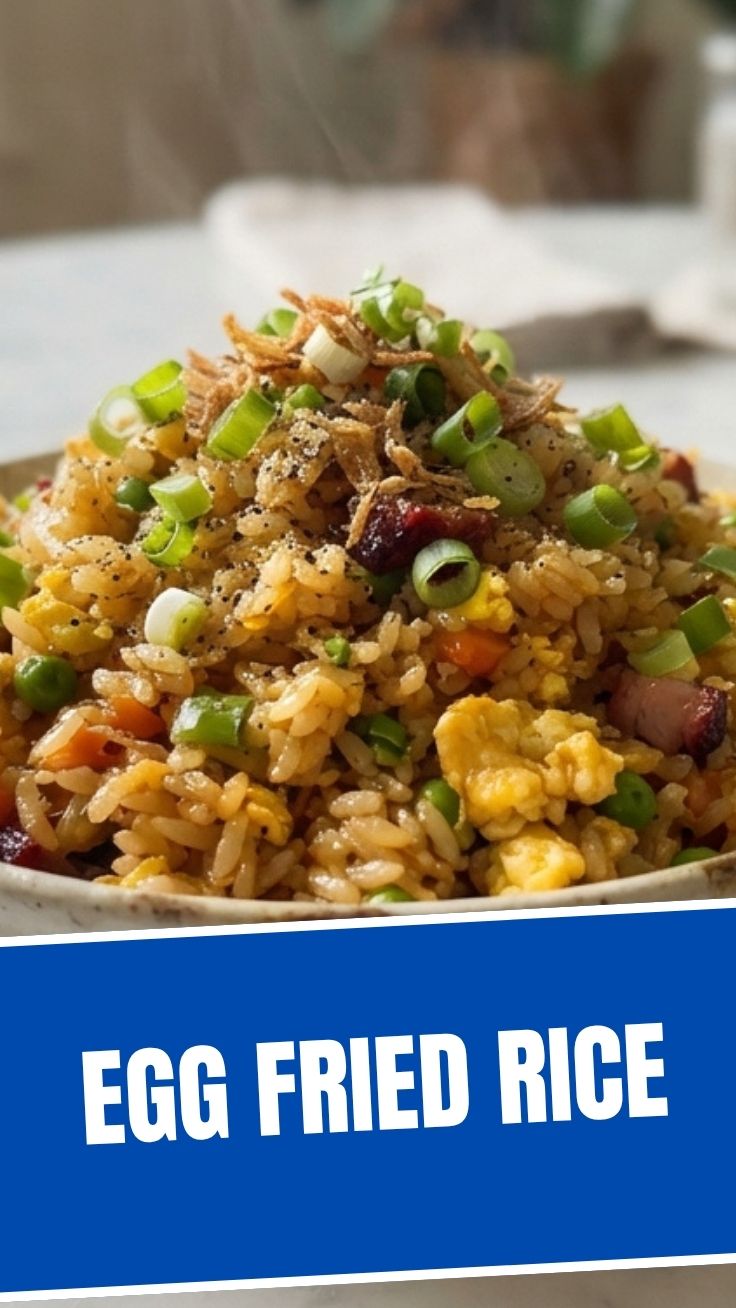
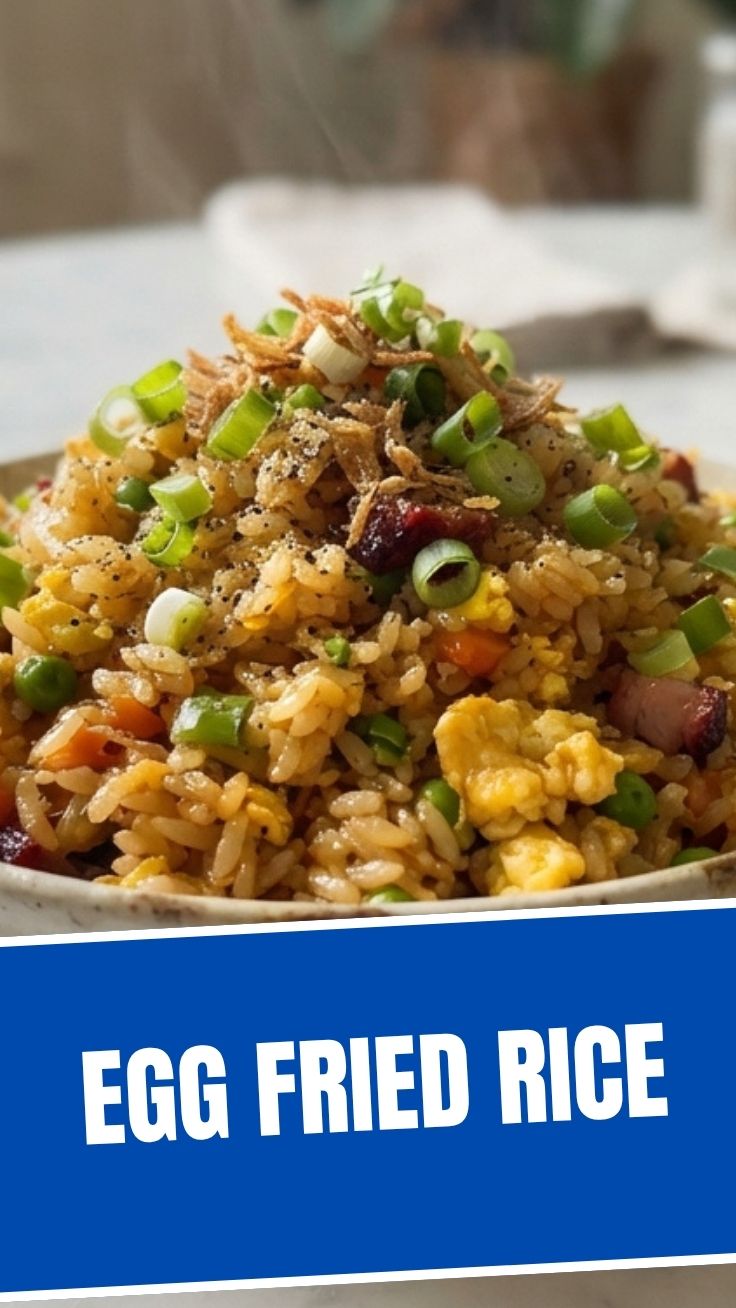
Taste your Egg Fried Rice and adjust seasoning. It should have a savory, slightly nutty flavor with distinct egg pieces. Serve immediately in warm bowls. The key to replicating authentic Chinese Takeout lies in the high heat and day-old rice—don’t rush these steps.
Nutritional Benefits & Advantages
Egg fried rice offers surprising nutritional value when prepared at home. A single serving (about 1.5 cups) provides approximately 320 calories, 12g protein, 8g fat, and 48g carbohydrates. The eggs contribute high-quality protein and choline for brain health. Using day-old rice increases resistant starch content, which acts as a prebiotic and may improve blood sugar response compared to freshly cooked rice. The vegetables add fiber, vitamin A, and antioxidants. By controlling oil and sodium, you can reduce fat content by 50% compared to restaurant versions. This dish is also naturally dairy-free and can be made gluten-free with simple substitutions.
Tips Variations & Cooking Advice
Flavor Variations:
– Spicy Version: Add 1 tablespoon sriracha or chili crisp with the soy sauce
– Garlic Lover’s: Double the garlic and add 1 teaspoon garlic powder
– Kimchi Fried Rice: Add ½ cup chopped kimchi and 1 tablespoon kimchi juice
– Curry Twist: Stir in 1 teaspoon curry powder with the seasonings
Cooking Techniques:
– For authentic “wok hei” (breath of the wok), use a carbon steel wok and cook over the highest heat your stove can produce
– Never overcrowd the wok—cook in batches if needed
– Use chilled rice straight from the refrigerator; cold grains separate better
– Add a splash of Shaoxing wine or dry sherry for depth
Dietary Adaptations:
– Gluten-Free: Use tamari or coconut aminos instead of soy sauce
– Low-Carb: Substitute cauliflower rice (sauté separately to remove moisture)
– Vegan: Use tofu scramble instead of eggs and add nutritional yeast for umami
Common Mistakes to Avoid
Mistake 1: Using Freshly Cooked Rice
Fresh rice is too moist and sticky, resulting in a gummy, clumpy mess. Always use day-old, refrigerated rice. If you must cook fresh rice, spread it on a baking sheet and refrigerate for at least 1 hour uncovered.
Mistake 2: Insufficient Heat
A wok that isn’t hot enough will steam the rice instead of frying it. Your wok should be smoking before adding oil. If you hear a sizzle, you’re on the right track.
Mistake 3: Overcrowding the Pan
Too much rice in the pan lowers the temperature, causing steaming. Cook in batches if necessary. The rice should have room to bounce and sear.
Mistake 4: Adding Soy Sauce Too Early
Soy sauce can burn and become bitter. Add it at the end of cooking, directly into the center of the wok where it can bubble and caramelize briefly.
Mistake 5: Skipping the Sesame Oil Finish
The sesame oil adds the signature aroma that makes fried rice taste like takeout. Add it off-heat to preserve its delicate flavor.
Storage & Meal Prep Tips
Refrigeration: Store leftover egg fried rice in an airtight container for up to 4 days. The key to maintaining texture is to cool it quickly—spread the rice on a baking sheet for 20 minutes before refrigerating.
Freezing: Portion rice into freezer-safe bags, flatten, and freeze for up to 3 months. Thaw overnight in the refrigerator before reheating.
Reheating: The best method is a hot wok or skillet with a splash of water. Cover and steam for 1 minute, then uncover and stir-fry until heated through. Avoid microwaving, which turns the rice mushy. For crispier results, reheat in a non-stick pan over medium-high heat with a teaspoon of oil.
Meal Prep Strategy: Cook a batch of rice on Sunday, refrigerate, and use throughout the week for quick fried rice dinners. Pre-chop vegetables and store them in separate containers. This dish comes together in under 10 minutes once your prep is done.
Conclusion
Mastering Egg Fried Rice at home is a game-changer for busy weeknights. The combination of day-old rice, screaming hot wok, and careful seasoning creates a dish that rivals any Chinese Takeout while being healthier, cheaper, and completely customizable. Remember the three pillars: cold rice, high heat, and quick cooking. Start with this basic recipe, then experiment with add-ins and flavor variations. Share your results in the comments below—we’d love to see your golden, wok-fried creations. For more takeout-inspired recipes, check out our collection of quick Asian dishes.
FAQs
Q: Can I use brown rice instead of white rice?
A: Absolutely. Brown rice works well but requires slightly longer cooking time. Make sure it’s also day-old and refrigerated for best results.
Q: Why is my fried rice always mushy?
A: The most common cause is using freshly cooked rice. Always refrigerate rice for at least 12 hours before frying. Also, ensure your wok is hot enough to sear, not steam.
Q: Can I make this without soy sauce for a low-sodium diet?
A: Yes. Use coconut aminos (tastes similar but lower sodium) or a splash of rice vinegar and a pinch of salt. You can also add umami with mushrooms or nutritional yeast.
Q: How do I get the “wok hei” flavor at home without a commercial wok?
A: Use the highest heat possible, don’t overcrowd the pan, and add a small amount of oil to help transfer heat. A carbon steel wok on a gas burner is ideal, but a cast iron skillet works too.
Q: Can I add protein like chicken or shrimp?
A: Absolutely. Cook your protein first (seasoned and seared), remove it, then proceed with the recipe. Add the cooked protein back in when you add the eggs. This prevents overcooking.
Quick way to grow perfect Egg Fried Rice
Ingredients
Equipment
Method
- Heat vegetable oil in a large skillet or wok over medium-high heat.
- Add cooked rice to the skillet and stir-fry for 3-5 minutes until heated through and slightly crispy.
- Push the rice to one side of the skillet, then crack eggs into the empty space and scramble them until cooked.
- Mix the scrambled eggs with the rice.
- Stir in soy sauce and sesame oil, ensuring everything is well combined.
- Season with salt and pepper to taste, then garnish with chopped green onions before serving.