How to Make the Perfect Chicken Parmesan at Home
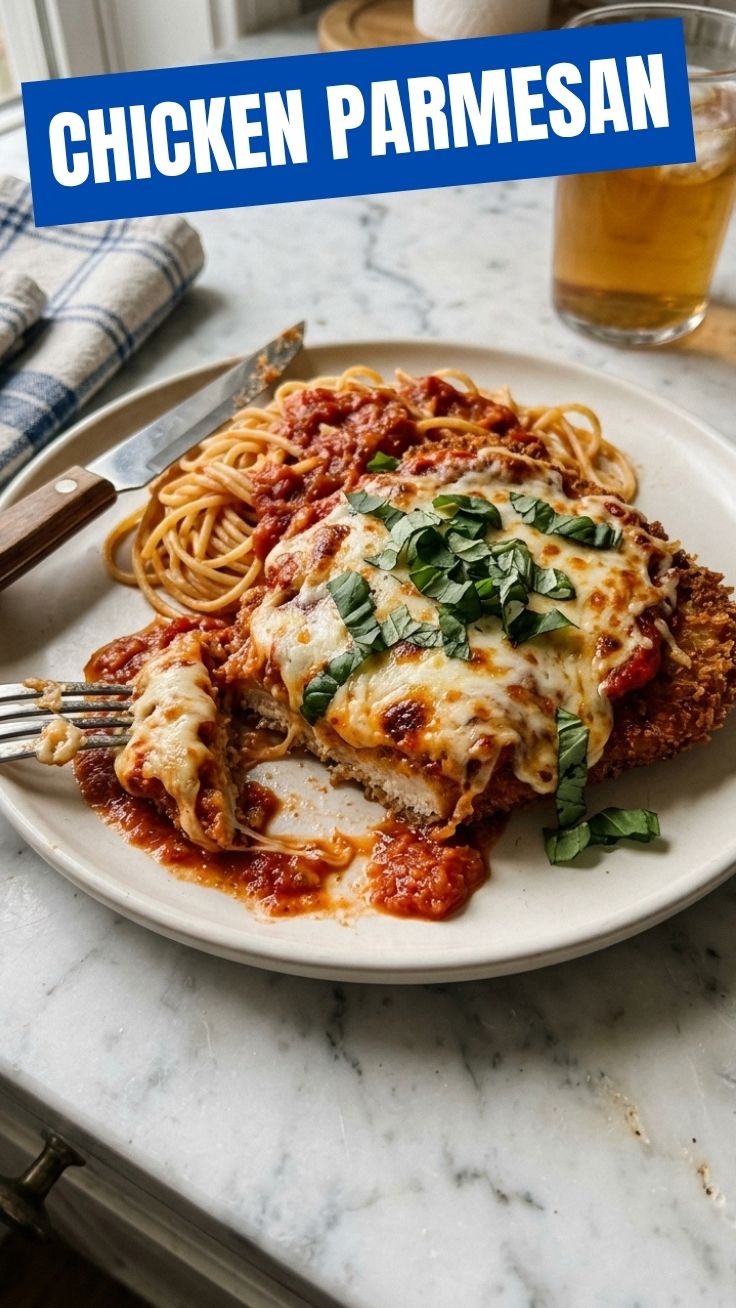
Have you ever craved that golden, crispy chicken cutlet smothered in rich marinara and gooey mozzarella, only to hesitate because ordering takeout feels simpler? Trust me, I get it—but there’s a magic in crafting this Italian-American classic from scratch that elevates both taste and pride. Preparing it at home not only saves money but lets you control every layer of flavor, from the breading to the cheese pull. Today, I’ll guide you through mastering Chicken Parmesan, a dish that transforms humble ingredients into a restaurant-quality meal. And if you’re seeking variations or quick shortcuts, exploring diverse Chicken Parmesan Recipes can inspire your next culinary adventure)Skip the takeout menu—let’s dive into a foolproof method that delivers crunch, tenderness, and pure comfort.
Ingredients & Kitchen Tools
For the Chicken:
– 2 boneless, skinless chicken breasts (pounded to even thickness for uniform cooking)
– 1 cup all-purpose flour (seasoned with salt and pepper for the dredging base)
– 2 large eggs (beaten with 1 tbsp water to create an egg wash)
– 1 ½ cups panko breadcrumbs (for extra crispiness; regular breadcrumbs work too)
– ½ cup grated Parmesan cheese (adds nutty depth to the breading)
– 1 tsp garlic powder, 1 tsp dried oregano, ½ tsp black pepper (simple seasoning blend)
For the Sauce & Topping:
– 1 ½ cups marinara sauce (store-bought or homemade; choose one with low sugar)
– 1 cup shredded mozzarella cheese (fresh mozzarella slices offer a creamier texture)
– ¼ cup fresh basil or parsley (for garnish)
Kitchen Tools:
– Large skillet or frying pan (cast iron works best for even heat)
– Meat mallet or rolling pin (for pounding chicken)
– Two shallow bowls (for flour and egg wash)
– Baking dish (9×13-inch)
– Wire rack set over baking sheet (optional, for extra-crispy chicken)
– Tongs and spatula (for safe handling)
Substitutions:
– Gluten-free: Use almond flour or gluten-free breadcrumbs.
– Dairy-free: Opt for vegan mozzarella and nutritional yeast in the breading.
Prep Time & Cooking Schedule
– Prep Time: 20 minutes (pounding, seasoning, setting up breading station)
– Cook Time: 25–30 minutes (frying chicken plus baking assembly)
– Resting Time: 5 minutes after frying (lets the crust set)
Plan ahead: If marinating, allow 30 minutes to an hour for chicken to soak in buttermilk (optional for extra tenderness). The total hands-on time is manageable for a weeknight dinner, but you can prep the breaded chicken a day ahead and refrigerate until ready to fry.
Step-by-Step Instructions
1. Preheat and Prepare: Preheat your oven to 400°F (200°C). Set up a breading station: one bowl with seasoned flour, one with egg wash, and one with panko mixed with Parmesan and oregano.
2. Pound the Chicken: Place each chicken breast between two sheets of plastic wrap. Pound to even ½-inch thickness using a meat mallet. Season both sides with salt and pepper.
3. Bread the Cutlets: Dredge each piece in flour, shaking off excess. Dip into egg wash, letting excess drip off, then press firmly into panko mixture. For extra crunch, double-dip: flour → egg → panko → egg → panko.
4. Fry to Golden: Heat ¼ cup olive oil in a skillet over medium-high heat. Cook chicken 3–4 minutes per side until deep golden brown. Transfer to a paper towel-lined plate to drain, then place on a wire rack for 5 minutes.
5. Assemble and Bake: In a greased baking dish, spread a thin layer of marinara. Arrange chicken cutlets in a single layer. Top each with 2 tbsp marinara, then a generous mound of mozzarella. Bake 15–18 minutes until cheese is bubbly and lightly browned.
6. Rest and Garnish: Let the dish rest 5 minutes before serving to set the cheese. Sprinkle with fresh basil or parsley.
Pro tips: For a crispier finish, broil the assembled dish for 1–2 minutes at the end. To ensure the chicken is fully cooked, use an instant-read thermometer—it should read 165°F. If you want to tweak this base for a quicker weeknight meal, explore various Chicken Parmesan Recipes that simplify the process without sacrificing flavor. The key to making stellar Chicken Parmesan is controlling the oil temperature—if it drops too low, the crust soaks up grease instead of staying light.
Nutritional Benefits & Advantages
Chicken Parmesan offers a balanced profile when made thoughtfully. Chicken breast is a lean protein source, providing about 35 grams per serving, which supports muscle repair and satiety. The marinara sauce contributes lycopene, an antioxidant linked to heart health, especially when cooked with olive oil. Using panko breadcrumbs (which absorb less oil than traditional breadcrumbs) reduces overall fat. For a lighter version, bake the breaded chicken at 425°F on a wire rack instead of frying—you’ll cut calories by roughly 30% while still achieving a crunchy exterior.
Tips Variations & Cooking Advice
Flavor Twists:
– Swap mozzarella for provolone or fontina for a richer, meltier cheese pull.
– Add a pinch of red pepper flakes to the breading for a spicy kick.
– Layer sautéed mushrooms or spinach between the chicken and cheese for extra veggies.
Alternative Methods:
– Air fryer: Cook breaded chicken at 375°F for 10–12 minutes, flipping halfway, then top with sauce and cheese and air fry 2–3 more minutes.
– Gluten-free adaptation: Use crushed pork rinds or gluten-free panko, and replace flour with rice flour.
Portion Changes:
– Cut chicken into strips for Chicken Parmesan sliders or serve over zucchini noodles for a low-carb meal.
Common Mistakes to Avoid
1. Soggy Breading:
Cause: Skipping the resting time after frying.
Fix: Let cutlets rest on a wire rack for 5 minutes to crisp up before baking.
2. Dry Chicken:
Cause: Overcooking or uneven thickness.
Fix: Always pound to even thickness and use a thermometer—don’t rely solely on visual cues.
3. Bland Sauce Overpowering the Dish:
Cause: Using watery or unseasoned marinara.
Fix: Simmer store-bought sauce for 10 minutes with a pinch of sugar and fresh herbs to concentrate flavor.
4. Cheese Sliding Off:
Cause: Adding too much sauce or cheese before the crust sets.
Fix: Use minimal sauce under the chicken and press cheese gently to stick.
Storage & Meal Prep Tips
– Refrigeration: Store leftovers in an airtight container for up to 4 days. To reheat, place in a 350°F oven for 10 minutes (or air fry at 350°F for 5 minutes) to restore crispness—avoid microwaving, which turns the breading soggy.
– Freezing: Assemble but do not bake; wrap the dish tightly in plastic wrap and foil. Freeze for up to 2 months. Thaw overnight in the refrigerator, then bake as directed, adding 5–10 minutes to the cook time.
– Meal Prep: Bread and fry chicken cutlets a day ahead. Keep them refrigerated on a wire rack (uncovered) to stay crisp, then assemble and bake just before serving.
Conclusion
Mastering this classic dish at home transforms a simple weeknight meal into something that feels celebratory. Whether you follow the traditional pan-fry-and-bake method or experiment with air fryer shortcuts, the key lies in nailing that crunchy crust and gooey cheese layer. As you refine your technique, remember that every batch of Chicken Parmesan improves with practice—and exploring trusted Chicken Parmesan Recipes can spark new ideas for sauces, cheeses, or even pasta pairings. I’d love to hear how yours turns out—leave a comment with your favorite variation or share a photo of your golden, bubbling creation!
FAQs
Can I use chicken thighs instead of breasts?
Absolutely! Just adjust cooking time—thighs may need 2–3 extra minutes per side during frying due to higher fat content. Ensure internal temperature reaches 165°F.
How do I prevent the crust from falling off during frying?
Press the breadcrumbs firmly onto the chicken, and let the breaded cutlets rest for 10 minutes before frying. This allows the coating to adhere better.
Can I make this dairy-free?
Yes. Use plant-based mozzarella and swap Parmesan for nutritional yeast in the breading. Choose a dairy-free yogurt or milk-based egg wash alternative.
Why is my chicken parmesan watery after baking?
This often happens if you use a high-moisture fresh mozzarella. Stick to low-moisture shredded mozzarella or pat fresh mozzarella dry with paper towels before adding.
Is it better to bake or fry the chicken first?
Frying creates a crunchier crust, but baking on a wire rack at 425°F (with a light oil spray) yields a respectable texture—especially if you double-dip in egg and breadcrumbs. For the classic experience, pan-fry then finish in the oven.
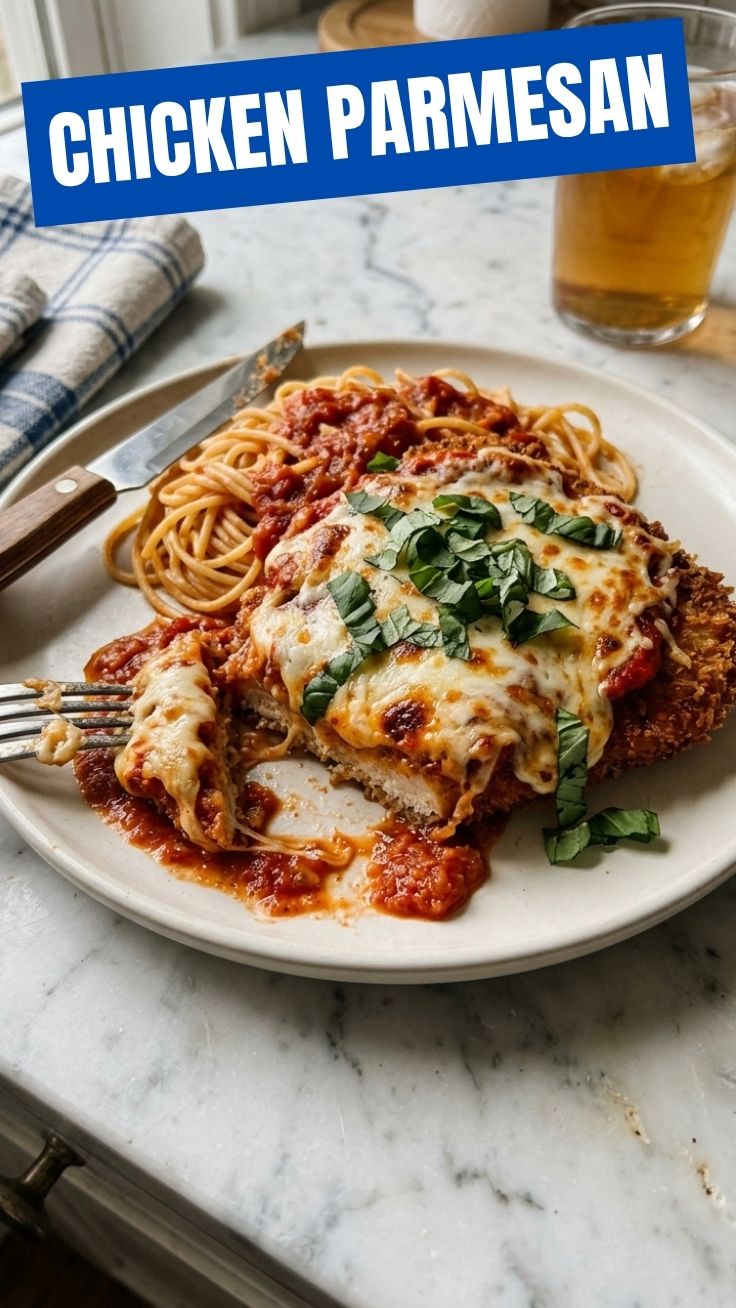
Best way to grow Chicken Parmesan on a 30 Minute Timetable
Ingredients
Equipment
Method
- Carefully slice each chicken breast horizontally to create two thinner cutlets, then pound them to an even 1/2-inch thickness. Season both sides with salt, pepper, garlic powder, and oregano.
- Set up a breading station with three shallow dishes: one with flour, one with beaten eggs, and one with Panko breadcrumbs mixed with grated Parmesan cheese.
- Dredge each chicken cutlet first in the flour, shaking off excess, then dip into the egg, and finally coat thoroughly with the breadcrumb-Parmesan mixture.
- Heat olive oil in a large skillet over medium-high heat. Cook the breaded chicken for 3-4 minutes per side, until golden brown and cooked through, then remove from skillet.
- Place the cooked chicken cutlets on a baking sheet. Spoon marinara sauce over each piece, then top generously with slices of fresh mozzarella.
- Broil in the oven for 2-3 minutes, or until the cheese is melted and bubbly. Alternatively, cover the skillet and cook over low heat until the cheese melts.
- Garnish with fresh basil, if desired, and serve immediately with your favorite pasta or a side salad.