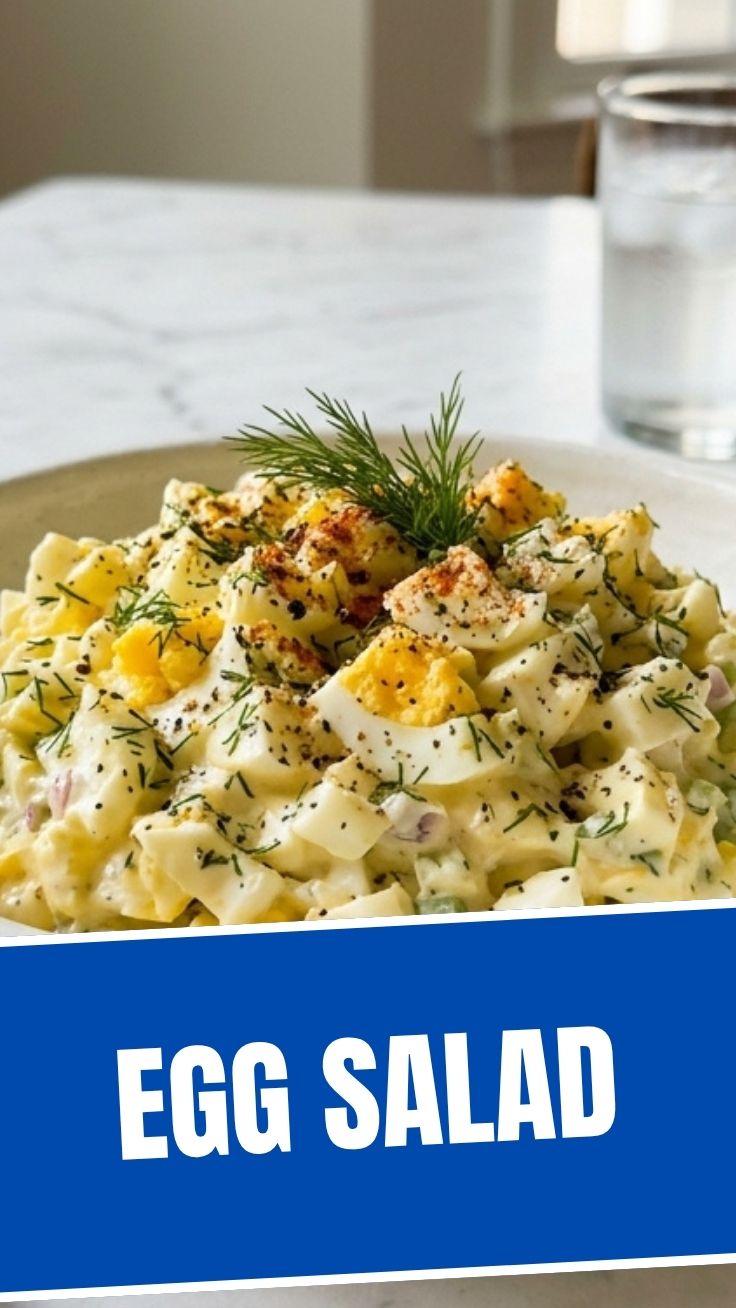
The Ultimate Guide to Making the Perfect Egg Salad at Home
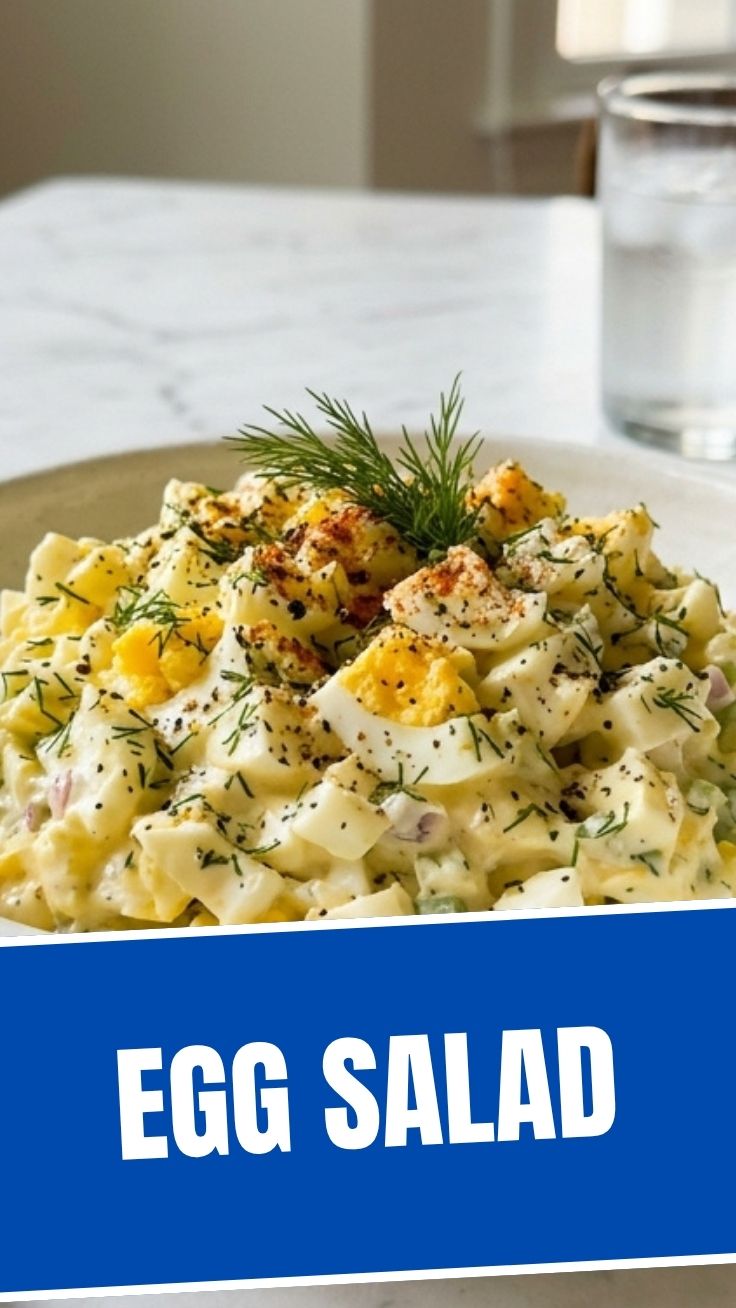
Have you ever wondered why restaurant egg salad tastes so much better than the bland, dry version you sometimes make at home? The secret isn’t a hidden ingredient—it’s technique, balance, and a few simple tricks that anyone can master. Preparing a classic Egg Salad from scratch is not only more satisfying than store-bought versions, but it also lets you control the quality of ingredients, adjust flavors to your liking, and avoid unnecessary preservatives. Whether you’re looking for a quick lunch, a picnic staple, or a protein-packed snack, this homemade recipe delivers creamy, tangy, and perfectly textured results every time. And if you’re in the mood for a heartier twist, a chicken egg salad variation adds extra protein and savory depth.
Ingredients & Kitchen Tools
Essential Ingredients
– 6 large eggs – Use farm-fresh eggs for richer flavor and vibrant yolks.
– 3 tablespoons mayonnaise – Full-fat mayo provides the creamiest texture; Greek yogurt works as a lighter substitute.
– 1 teaspoon Dijon mustard – Adds tang and helps emulsify the dressing.
– 1 tablespoon fresh lemon juice – Brightens the flavor and prevents discoloration.
– 2 tablespoons finely chopped celery – Adds crunch and freshness.
– 1 tablespoon chopped fresh chives or green onions – For a mild oniony bite.
– Salt and freshly ground black pepper – Season to taste.
– Optional add-ins: Paprika, pickle relish, fresh dill, or a dash of hot sauce.
Kitchen Tools
– Medium saucepan – For boiling eggs.
– Mixing bowl – Preferably glass or stainless steel.
– Fork or potato masher – For breaking eggs into desired consistency.
– Sharp knife and cutting board – For chopping vegetables.
– Measuring spoons – For precise seasoning.
Optional Substitutions
– Vegan version: Use firm tofu instead of eggs and vegan mayo.
– Low-fat option: Substitute half the mayo with plain Greek yogurt.
– Gluten-free: Naturally gluten-free; serve on gluten-free bread or lettuce wraps.
Prep Time & Cooking Schedule
– Prep time: 10 minutes (chopping vegetables, making dressing)
– Cook time: 12 minutes (boiling eggs)
– Cooling time: 10 minutes (ice bath for eggs)
– Resting time: 15 minutes (chilling before serving)
– Total time: Approximately 47 minutes
Plan ahead: The egg salad tastes best after resting in the refrigerator for at least 15–20 minutes, which allows the flavors to meld. For meal prep, you can make it a day in advance.
Step-by-Step Instructions
1. Boil the eggs perfectly: Place eggs in a single layer in a saucepan. Cover with cold water by 1 inch. Bring to a rolling boil over high heat, then cover and remove from heat. Let stand for 10–12 minutes (10 for slightly soft yolks, 12 for fully firm).
2. Ice bath shock: Transfer eggs immediately to a bowl of ice water for at least 10 minutes. This stops cooking and makes peeling effortless.
3. Peel and chop: Gently crack shells and peel under running water. Chop eggs to your preferred consistency—some like chunky pieces, others prefer a finer texture.
4. Make the dressing: In a mixing bowl, whisk together mayonnaise, Dijon mustard, lemon juice, salt, and pepper until smooth.
5. Combine ingredients: Add chopped eggs, celery, and chives to the dressing. Fold gently until evenly coated.
6. Season and adjust: Taste and adjust salt, pepper, or lemon juice as needed. For a twist on the classic Egg Salad, try our chicken egg salad variation by replacing half the eggs with shredded cooked chicken breast.
7. Chill before serving: Cover and refrigerate for at least 15 minutes. Serve on toasted bread, crackers, or lettuce cups.
Pro tip: For the creamiest texture, let the salad sit at room temperature for 5 minutes before serving if chilled overnight.
Nutritional Benefits & Advantages
Egg salad is a surprisingly nutritious dish when made with wholesome ingredients. Each serving (about ½ cup) provides:
– Protein: 12–15g from eggs, supporting muscle repair and satiety.
– Healthy fats: From egg yolks and mayo, aiding nutrient absorption.
– Vitamins and minerals: Rich in vitamin B12, choline (brain health), selenium, and vitamin D.
– Low carbohydrate: Naturally keto-friendly and low-carb.
– Versatile: Can be adapted to paleo, gluten-free, or dairy-free diets.
The addition of celery and chives adds fiber, vitamin K, and antioxidants without significant calories.
Tips Variations & Cooking Advice
Flavor Variations
– Classic deli style: Add 1 tablespoon sweet pickle relish and a pinch of paprika.
– Herb garden: Stir in fresh dill, parsley, and tarragon for an elegant twist.
– Spicy kick: Mix in sriracha, cayenne, or finely diced jalapeño.
– Smoky: Add ½ teaspoon smoked paprika and a dash of liquid smoke.
Ingredient Swaps
– Mayonnaise alternatives: Mashed avocado (for creamy texture), hummus (for extra protein), or cashew cream (for vegan version).
– Add crunch: Diced bell peppers, radishes, or water chestnuts.
– Extra protein: Stir in crumbled bacon, cooked quinoa, or hemp seeds.
Cooking Methods
– Instant Pot: Cook eggs on high pressure for 5 minutes, then quick release and ice bath.
– Baked eggs: For richer flavor, bake eggs at 325°F for 25 minutes before cooling and peeling.
– Air fryer: Cook at 270°F for 15 minutes, then ice bath.
Dietary Adaptations
– Dairy-free: Already dairy-free; just check your mayonnaise label.
– Whole30: Use compliant mayo and serve on lettuce wraps.
– Low-FODMAP: Omit garlic and onion; use chives only (green parts) and celery (if tolerated).
Common Mistakes to Avoid
1. Overcooking eggs – Green rings around yolks indicate overcooking. Stick to 10–12 minutes and immediate ice bath.
2. Underseasoning – Eggs need generous salt and acid (lemon juice or vinegar) to taste balanced.
3. Overmixing – Turns the salad into a paste. Fold gently to keep some texture.
4. Serving immediately – The flavors need time to meld. Always chill for at least 15 minutes.
5. Using cold eggs for boiling – Room-temperature eggs cook more evenly and peel easier.
6. Adding too much mayonnaise – Start with less; you can always add more, but you can’t remove it.
Storage & Meal Prep Tips
– Refrigeration: Store in an airtight container for up to 3–4 days. The flavor actually improves after 24 hours.
– Freezing: Not recommended—the texture becomes watery and grainy upon thawing.
– Reheating: Do not microwave; serve cold or at room temperature.
– Meal prep: Prepare the egg mixture and dressing separately. Combine just before serving for maximum freshness.
– Transporting: Keep chilled with an ice pack. Serve within 2 hours if left at room temperature.
Conclusion
This simple yet refined Egg Salad recipe proves that classic comfort food can be both nutritious and exciting. Whether you enjoy it on crusty bread, crisp lettuce cups, or as a protein-packed snack, mastering the perfect texture and balance of flavors transforms an everyday dish into something special. For a heartier meal, the chicken egg salad option adds extra protein and variety to your lunch rotation. The key takeaways are simple: boil eggs properly, season generously, and let the flavors rest. Now it’s your turn—try this recipe, experiment with your favorite add-ins, and share your creation in the comments below. Your perfect egg salad awaits.
FAQs
Can I use store-bought hard-boiled eggs?
Yes, but fresh-boiled eggs have superior texture and flavor. Store-bought ones are often overcooked and rubbery.
How do I fix egg salad that is too dry?
Add a tablespoon of mayonnaise, Greek yogurt, or a splash of milk. A drizzle of olive oil also helps.
Can I make egg salad without mayonnaise?
Absolutely. Mashed avocado, hummus, or plain Greek yogurt are excellent substitutes. For a vinaigrette style, mix with olive oil, lemon juice, and mustard.
Why did my egg salad turn watery?
Excess moisture from celery or onions is the usual culprit. Pat vegetables dry with paper towels before adding. Also, avoid over-mixing which can break down the eggs.
How long can egg salad sit out at room temperature?
No more than 2 hours (1 hour if above 90°F). Always refrigerate promptly to prevent bacterial growth.