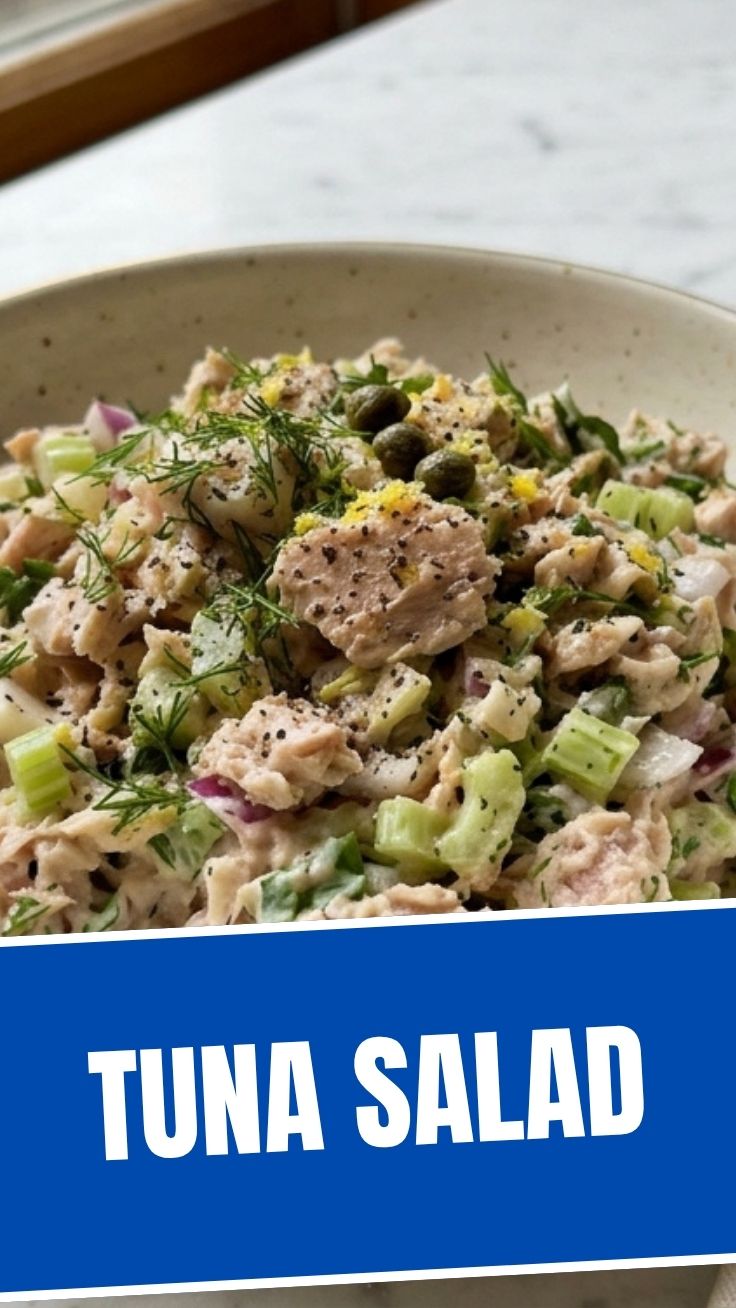
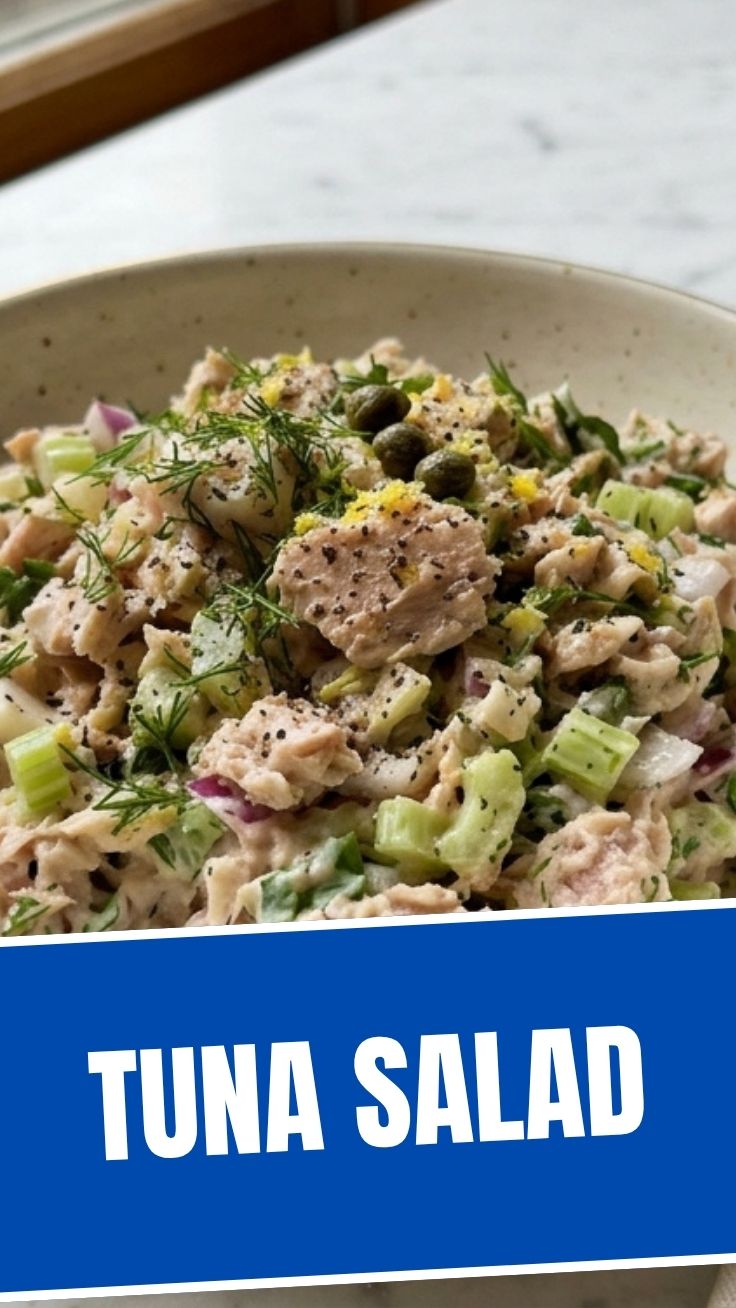
The Ultimate Guide to Perfect Tuna Salad: Easy, Protein-Packed, and Versatile
Have you ever opened your pantry, spotted a can of tuna, and wondered how to transform it into something genuinely exciting? Tuna salad is one of those timeless dishes that bridges the gap between a quick weekday lunch and an impressive appetizer for guests. Preparing this iconic dish at home offers you complete control over flavor, texture, and nutrition—unlike store-bought versions that often contain excess mayonnaise and preservatives. Whether you’re meal-prepping for a busy workweek or planning a light summer picnic, mastering this Tuna Salad recipe will elevate your culinary repertoire and save you money while delivering unmatched freshness. In this comprehensive guide, we’ll explore everything from ingredient selection to pro-level troubleshooting, ensuring every bite is creamy, tangy, and perfectly seasoned.
—
Ingredients & Kitchen Tools
Essential Ingredients
– 2 cans (5 oz each) of albacore tuna – Packed in water for a leaner option or olive oil for richer flavor. Albacore offers a firmer texture and milder taste compared to chunk light.
– 1/2 cup quality mayonnaise – Full-fat for classic creaminess, or Greek yogurt for a healthier twist. Avoid low-fat versions as they tend to separate.
– 1 tablespoon Dijon mustard – Adds a subtle sharpness that brightens the overall profile.
– 2 tablespoons finely diced celery – Provides crucial crunch and freshness.
– 1/4 cup finely diced red onion – A milder alternative to yellow onions; soak in cold water for 10 minutes if you prefer less bite.
– 1 tablespoon fresh lemon juice – Freshly squeezed is non-negotiable; bottled lemon juice lacks that vibrant acidity.
– 1 teaspoon dried dill – Or 1 tablespoon fresh dill. The herb adds an earthy brightness typical of Mediterranean-style preparations.
– Salt and freshly ground black pepper – Season conservatively first, then adjust after tasting.
Optional Add-Ins
– 1/4 cup halved grapes or diced apple – For a sweet-savory contrast that many find addictive.
– 2 tablespoons capers or chopped pickles – Adds briny, acidic bursts.
– 1/4 cup chopped walnuts or almonds – Provides healthy fats and extra crunch.
– 2 tablespoons chopped fresh parsley or chives – Boosts freshness and color.
Kitchen Tools
– Mixing bowl – Medium-sized glass or stainless steel.
– Colander – For draining canned tuna thoroughly.
– Sharp knife and cutting board – For consistent, fine dice.
– Citrus juicer – To extract maximum lemon juice efficiently.
– Fine-mesh strainer – Optional, for rinsing canned tuna to reduce sodium.
– Airtight storage container – Glass preferred; crucial for maintaining freshness.
—
Prep Time & Cooking Schedule
This tuna salad recipe comes together quickly, though allowing the flavors to meld elevates the final result.
– Prep Time: 10 minutes
– Chill Time (recommended): 30 minutes minimum; 2 hours for best flavor development
– Total Time: 10 minutes active, plus chilling
Timing Context: The active time is minimal, making this perfect for unexpected guests or busy weeknights. The 30-minute chill period allows the dill and Dijon to infuse into the tuna and mayonnaise, transforming the salad from simply “good” to “restaurant-worthy.” Plan accordingly—prepare it before tackling other tasks, then let it rest while you set the table or prepare sides.
—
Step-by-Step Instructions
Step 1: Drain and Prep the Tuna
Open all cans and transfer the tuna to a colander. Press gently with a spatula or the back of a spoon to extract excess liquid. For a leaner result, rinse with cold water—this reduces sodium by up to 35%. Transfer to a large mixing bowl and flake thoroughly with a fork until you have fine, even shreds. This crucial first step ensures the salad clings together properly rather than becoming watery.
Step 2: Prep the Aromatics
While the tuna drains, finely dice the celery, red onion, and any optional ingredients. Here’s a pro trick: the finer you dice these ingredients, the more evenly they distribute throughout the salad. Aim for 1/4-inch cubes—enough to provide textural interest without overwhelming the tuna’s delicate flavor in this Tuna Salad recipe.
Step 3: Create the Dressing
In a separate small bowl, whisk together the mayonnaise, Dijon mustard, lemon juice, and dried dill until smooth. The mixture should be slightly looser than you expect since the tuna will absorb some moisture. Season conservatively with salt and pepper—the mustard and pickles already contribute saline notes.
Step 4: Combine and Mix
Add the dressing and prepared vegetables to the flaked tuna. Fold gently with a rubber spatula, working from bottom to top. Critical: Do not overmix! Overmixing causes the tuna to break down into a paste-like consistency, which destroys the desirable tender-chunky texture. Fold just until all ingredients are moistened.
Step 5: Taste and Adjust – Your tuna salad recipe Moment
Taste a small amount and adjust seasonings. For brightness, add an extra squeeze of lemon. For richness, a small dollop more mayonnaise. This tasting step is where home cooks transform a standard salad into an exceptional one. You’re looking for a three-dimensional flavor: creamy from mayo, bright from lemon, savory from tuna, and aromatic from dill.
Step 6: Chill and Serve
Cover the bowl and refrigerate for at least 30 minutes. Serve chilled on lettuce leaves, between toasted bread slices, stuffed in avocado halves, or with sturdy crackers. The salad also benefits from a final drizzle of olive oil before serving.
—
Nutritional Benefits & Advantages
This homemade Tuna Salad delivers exceptional nutritional value—clean eating that doesn’t compromise on taste. Here’s why this dish is a smart choice for health-conscious eaters:
– High Protein, Low Carb: A single serving provides approximately 25g of protein with only 4g of carbohydrates, making it an excellent choice for ketogenic and diabetic-friendly diets.
– Omega-3 Fatty Acids: Albacore tuna is rich in EPA and DHA, supporting cardiovascular health, reducing inflammation, and supporting cognitive function.
– Lean Fat Profile: When prepared with lighter mayonnaise or Greek yogurt, this salad fits neatly into calorie-conscious meal plans without sacrificing satiety.
– Nutrient-Dense Additions: Celery provides vitamin K and antioxidants, while red onion contributes quercetin—a powerful anti-inflammatory compound.
Compared to commercial tuna salads, this homemade version contains 60% less sodium and contains zero artificial preservatives, modified food starches, or MSG.
—
Tips, Variations & Cooking Advice
Flavor Variations
– Mediterranean Twist: Replace dill with dried oregano, and swap celery for chopped cherry tomatoes, Kalamata olives, and crumbled feta cheese. Serve this tuna salad recipe in pita pockets for lunch portability.
– Spicy Southwest: Substitute the Dijon with chipotle mayonnaise, add corn kernels, black beans, and fresh cilantro for a Southwestern-style protein powerhouse.
– Curried Exotic: Fold in 1 teaspoon curry powder, golden raisins, and toasted almonds—a sweet-meets-savory twist inspired by British tea sandwiches.
Dietary Adaptations
– Dairy-Free Version: Use vegan mayonnaise or mash half an avocado as the creamy base. The avocado provides healthy monounsaturated fats and a silky texture.
– Gluten-Free Serving: Serve this salad in large romaine leaves or atop gluten-free crackers. The preparation remains gluten-free naturally; only serving options change.
Texture Adjustment
– Crunchy-Heavy: Increase celery to 1/2 cup and add 1/4 cup thinly sliced radishes for stunning color and crispness.
– Creamier Style: Beat the mayonnaise with 1 tablespoon olive oil before mixing, creating a richer emulsion.
—
Common Mistakes to Avoid
1. Not Draining the Tuna Properly
The Problem: Excess moisture creates a watery, bland salad.
The Fix: Press drained tuna between paper towels to remove every last drop of liquid. This concentrates flavor and prevents separation.
2. Overmixing to a Paste
The Problem: Aggressive mixing breaks down tuna fibers, destroying the coveted chunky texture.
The Fix: Use a folding motion—lift the spatula from bottom to top—stopping as soon as ingredients just combine.
3. Overseasoning Without Tasting
The Problem: Adding too much salt initially, before the tuna absorbs moisture, leaves an unpalatably salty salad.
The Fix: Season lightly, then taste before serving. Remember, some brands of canned tuna are already saltier than others.
4. Adding Acid Too Early
The Problem: Lemon juice can denature mayonnaise and cause separation if added too far in advance.
The Fix: Add lemon juice at the last minutes, just before serving, if you’re preparing the salad more than a few hours ahead.
5. Chilling a Warm Salad
The Problem: Placing a just-prepared salad on the center refrigerator shelf creates unnecessary condensation.
The Fix: Spread the salad in a thin layer in a shallow container before refrigerating—this cools it rapidly and safely.
—
Storage & Meal Prep Tips
– Refrigeration: Store in an airtight glass container for 3 days maximum. Press plastic wrap directly onto the surface before sealing to minimize oxidation.
– Freezing: Not recommended—mayonnaise-based mixtures separate disastrously upon thawing, producing a watery, curdled texture.
– Reheating: Serve cold or at room temperature; reheating ruins the creamy consistency and encourages bacterial growth if improperly handled.
– Make-Ahead Components: Dice vegetables and prepare dressing separately up to 2 days in advance. Combine fresh when ready to serve for maximum crispness.
– Lunch Rotation: Pack this salad in a lunch container with an ice pack and freeze a small portion of grapes; they keep the container cold while serving as a natural sweetener.
—
Conclusion
There you have it—a definitive guide that turns canned tuna into a culinary triumph. We’ve unlocked the secrets behind perfect moisture management, balancing creamy richness with bright acidity, and incorporating fresh ingredients that maximize both nutrition and nostalgia. Whether you serve this Tuna Salad on crusty sourdough for lunch or spoon it into elegant cucumber rounds for an appetizer party, you now possess the core skills to improvise boldly while maintaining reliability. It’s impossible to overstate how empowering it is to master this pantry-friendly tuna salad recipe—one that assumes so much versatility, from plebeian sandwich fillings to high-end hors d’oeuvre toppings. So raid your pantry, channel your inner chef, and soon you’ll proudly declare this your signature dish. Prepare it once and you’ll understand why it never goes out of style—just make sure you share your results, variations, or questions in the comments below—we’d love to hear how your version turned out!
—
FAQs
Q1: How Long Can I Store Tuna Salad in the Fridge?
Your tuna salad collection stays fresh for 3 days when refrigerated at 40°F (4°C) or below. Always use a clean utensil when serving and consider transferring to a fresh container if you notice condensation buildup.
Q2: Can I Substitute Greek Yogurt for Mayonnaise?
Absolutely—Greek yogurt replaces mayonnaise 1:1 for a lighter salad with a tangier flavor. Choose a full-fat or 2% Greek yogurt; non-fat varieties tend to make the salad clumpy. You may need to add an extra teaspoon of lemon juice to balance flavors.
Q3: How Do I Prevent My Tuna Salad From Becoming Dry?
Dryness usually results from over-draining tuna or under-saucing. Keep your tuna slightly moist by not pressing too aggressively after rinsing, and make extra dressing on the side to fold in right before serving.
Q4: What Can I Use Instead of Celery for Crunch?
Try shredded carrots, chopped fennel, radish slices, or even water chestnuts for that desired crisp texture. Fruits like diced apple or pear also add crunch plus natural sweetness.
Q5: Can I Use Fresh or Frozen Tuna Instead of Canned?
Yes—poach fresh tuna steaks in simmering liquid (wine, stock, herbs) for about 15 minutes, let cool, and then flake. This yields a more expensive, elegant presentation perfect for entertaining. Just ensure it’s cooled completely before mixing.