The Ultimate Guide to Making Homemade Lasagna – A Comfort Food Classic
Have you ever tasted a perfectly baked Lasagna with tender sheets of Pasta, rich meat sauce, and creamy béchamel that melts in your mouth? That first bite is pure magic. Making classic lasagna at home isn’t just about dinner—it’s a rewarding experience that brings family together. While store-bought versions are convenient, nothing compares to the depth of flavor you achieve with fresh ingredients and patient layering. In this guide, I’ll walk you through every step, from selecting the right pasta to achieving that golden, bubbly top. Whether you’re a beginner or a seasoned cook, you’ll discover why homemade lasagna is worth every minute of effort.
Ingredients & Kitchen Tools
For the meat sauce:
– 1 lb ground beef (80/20 blend) – or substitute ground pork or turkey
– 1 large onion, diced
– 4 cloves garlic, minced
– 28 oz crushed tomatoes – San Marzano for sweetness
– 2 tbsp tomato paste
– 1 tsp dried oregano, 1 tsp basil, salt, pepper
For the béchamel:
– 4 tbsp butter, 4 tbsp all-purpose flour, 4 cups whole milk, ½ cup grated Parmesan
– Pinch of nutmeg
For assembly:
– 12 no-boil lasagna sheets – or use fresh pasta sheets
– 2 cups shredded mozzarella
– ½ cup ricotta (optional for extra creaminess)
Kitchen tools: 9×13 baking dish, large skillet, medium saucepan, whisk, spatula, foil.
Pro tip: Substitute gluten-free pasta sheets if needed; adjust liquid slightly.
Prep Time & Cooking Schedule
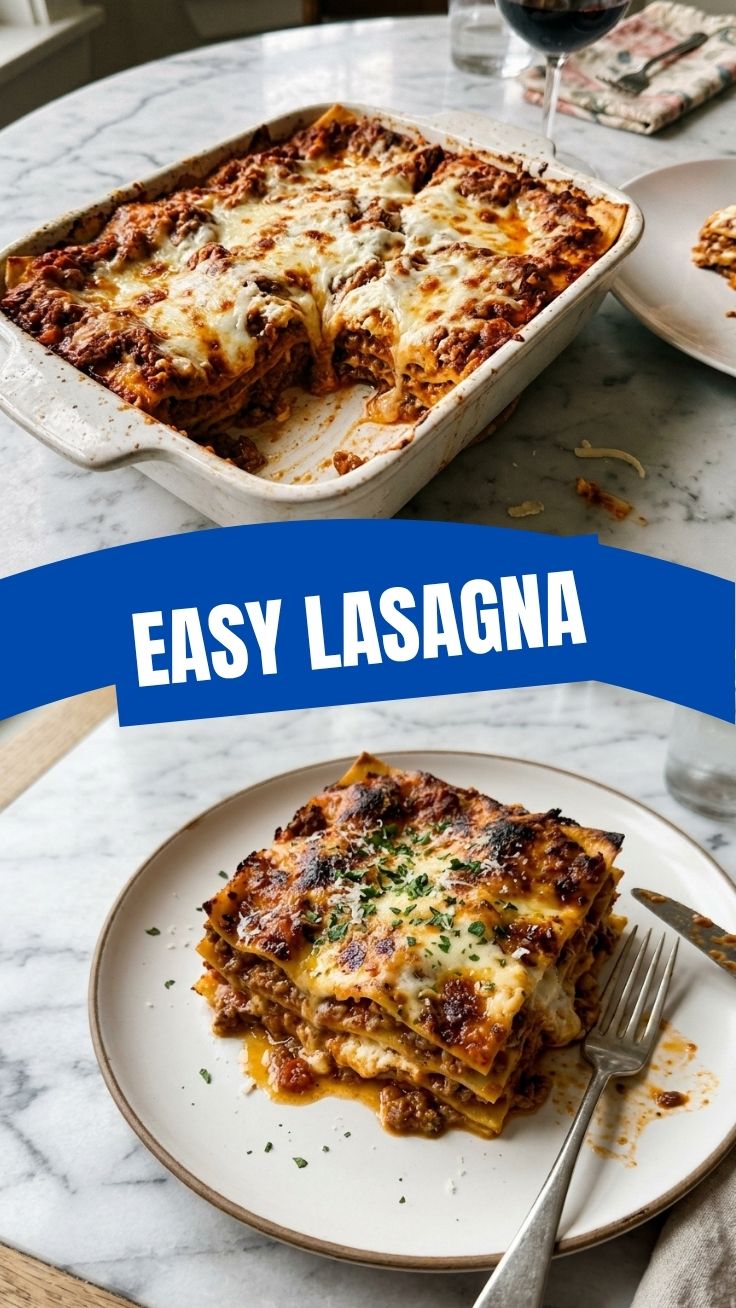
– Prep time: 30 minutes (chopping, browning meat, making béchamel)
– Cook time: 45–50 minutes at 375°F (190°C)
– Resting time: 10–15 minutes after baking – essential for clean slices
Plan ahead: The sauce can be made a day in advance. Lasagna also freezes beautifully, so consider doubling the batch for busy weeknights.
Step-by-Step Instructions
1. Make the meat sauce: Brown the ground beef in a large skillet over medium-high heat until deeply caramelized. Drain excess fat, then add onion and garlic. Sauté until translucent. Stir in crushed tomatoes, paste, oregano, basil, salt, and pepper. Simmer uncovered for 15–20 minutes, stirring occasionally, until thickened. Taste and adjust seasoning – a pinch of sugar can balance acidity.
2. Prepare the béchamel: In a saucepan over medium heat, melt butter. Whisk in flour and cook for 1 minute. Gradually pour in milk, whisking constantly to avoid lumps. Cook until the sauce thickens enough to coat the back of a spoon (about 5–7 minutes). Off heat, stir in Parmesan and nutmeg. Season with salt and white pepper.
3. Assemble the layers: Spread a thin layer of meat sauce on the bottom of the baking dish. Place a layer of pasta sheets on top (no overlapping). Add a third of the remaining meat sauce, then a third of the béchamel. Sprinkle shredded mozzarella and a few dollops of ricotta (if using). Repeat layers two more times, ending with a final layer of béchamel and mozzarella.
4. Bake: Cover with foil and bake at 375°F for 35 minutes. Remove foil and bake another 10–15 minutes until the cheese is melted and golden. Let the lasagna rest for 10–15 minutes before slicing – this allows the layers to set, ensuring you get clean, beautiful squares.
Key tip: For a crispier top, broil for 1–2 minutes at the end. Watch carefully to avoid burning.
Nutritional Benefits & Advantages
Lasagna is more than comfort food – it’s a balanced meal. Ground beef provides high-quality protein and iron, while tomatoes offer lycopene, a powerful antioxidant. The béchamel supplies calcium from milk and Parmesan. Using whole-wheat pasta sheets adds fiber, and you can boost nutrition by mixing spinach or zucchini into the sauce. Each serving (one square) typically contains about 400–500 calories, making it satisfying without overdoing it.
Tips Variations & Cooking Advice
– Vegetarian version: Replace meat with sautéed mushrooms, spinach, and lentils. Add a layer of roasted eggplant for texture.
– Gluten-free: Use gluten-free pasta sheets and a cornstarch-based béchamel (replace flour with cornstarch).
– Dairy-free: Substitute butter with olive oil, use unsweetened almond milk for béchamel, and choose dairy-free cheese.
– Flavor boost: Add red pepper flakes for heat, or incorporate fresh basil between layers.
– Cooking method: For a faster weeknight lasagna, use no-boil sheets and reduce oven time by 5 minutes.
Common Mistakes to Avoid
1. Undercooked pasta: If using regular (not no-boil) sheets, boil them al dente first – they continue cooking in the oven but need a head start.
2. Watery sauce: Simmer the meat sauce until thick; excess liquid makes lasagna soggy.
3. Skipping the rest: Cutting into hot lasagna causes layers to slide apart – patience is key.
4. Overloading with cheese: Too much mozzarella can create a greasy top. Stick to the recommended amounts.
5. Forgetting to season each layer: Salt and pepper each component to build flavor.
Storage & Meal Prep Tips
– Refrigeration: Store leftovers in an airtight container for up to 4 days. Reheat individual portions in the microwave or oven at 350°F for 10 minutes.
– Freezing: Assemble the lasagna completely (do not bake). Wrap tightly with plastic wrap and foil. Freeze for up to 3 months. Thaw overnight in the fridge, then bake as directed, adding 10–15 minutes to cook time.
– Reheating: To retain texture, cover with foil and reheat at 325°F for 20–25 minutes. For crispy edges, uncover the last 5 minutes.
Conclusion
Making homemade lasagna is a labor of love that pays off with every forkful. By layering rich meat sauce, creamy béchamel, and tender pasta, you create a dish that warms the soul and impresses guests. Whether you stick to the classic recipe or experiment with variations, remember that quality ingredients and proper resting time are your best friends. I encourage you to try this recipe this weekend, then share your results (and a photo!) in the comments. For more Italian-inspired meals, check out our other pasta guides – including a quick Lasagna Soup that delivers all the flavor in half the time.
FAQs
1. Can I use cottage cheese instead of ricotta?
Yes, cottage cheese works well – just drain excess liquid and blend until smooth for a similar texture.
2. Do I have to boil no-boil lasagna sheets?
No – no-boil sheets are designed to cook in the sauce’s moisture. Simply layer them dry. If using regular sheets, boil them first.
3. Why is my lasagna watery?
Likely causes: uncooked sauce that releases water, or using too much ricotta without draining. Simmer the sauce until thick and drain ricotta in a cheesecloth.
4. Can I make lasagna ahead and bake later?
Absolutely! Assemble it completely, refrigerate (up to 24 hours), then bake as directed. You may need 5–10 extra minutes.
5. How do I prevent the top from burning?
Cover with foil for most of the baking time. Remove only for the last 10–15 minutes. If it browns too fast, tent with foil again.
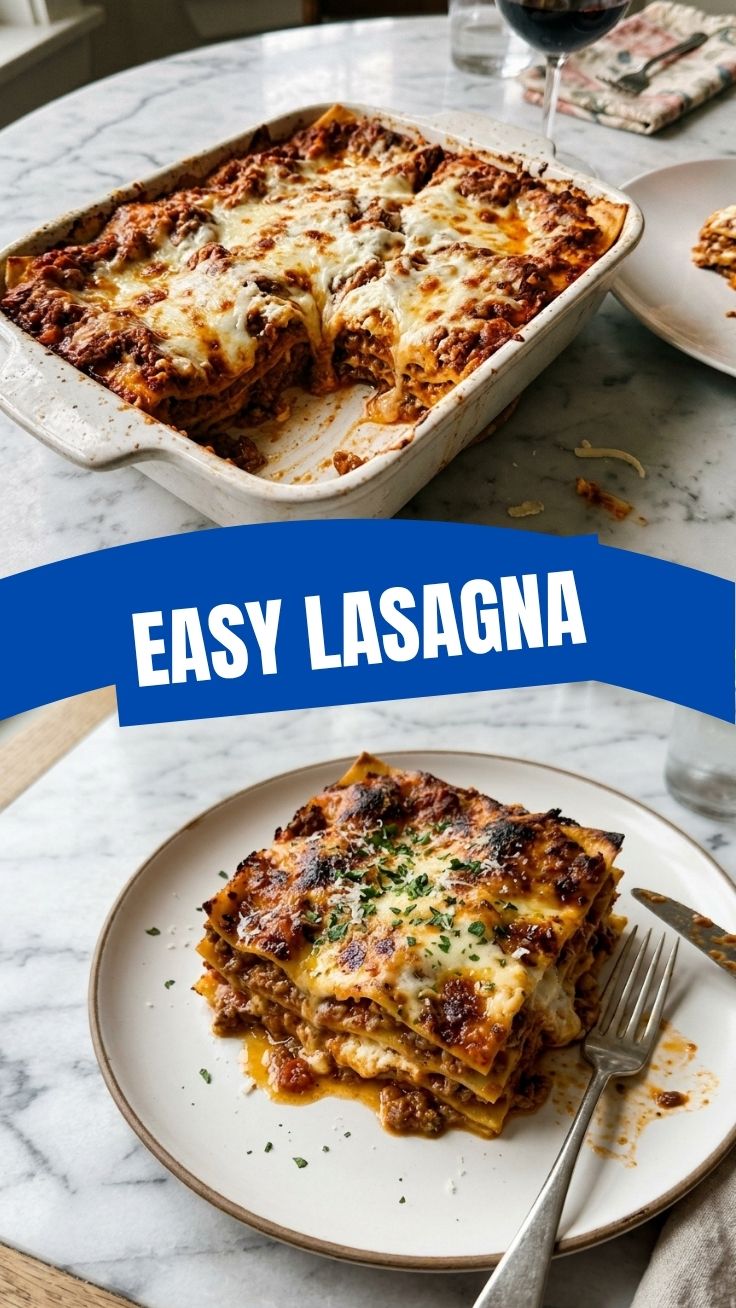
Quick way to grow Lasagna in 3 simple steps
Ingredients
Equipment
Method
- Cook lasagna noodles according to package directions, then drain and set aside. In a large skillet, brown ground beef over medium heat, drain excess fat, and stir in marinara sauce along with Italian seasoning, salt, and pepper.
- Spread a thin layer of meat sauce in a 9x13 inch baking dish. Arrange three lasagna noodles over the sauce, then spread half of the ricotta cheese mixture over the noodles, and sprinkle with one-third of the mozzarella and parmesan cheeses.
- Repeat the layers once more, ending with a final layer of noodles, meat sauce, and the remaining mozzarella and parmesan cheeses. Bake in a preheated oven at 375°F (190°C) for 25-30 minutes, or until bubbly and cheese is golden.