Why This Classic Lasagna Will Become Your Go-To Comfort Dinner
Have you ever spent hours layering a lasagna only to end up with a watery, bland, or burnt mess? You are not alone. The secret to a perfect lasagna lies not just in the ingredients but in the technique—balancing moisture, seasoning, and layering order. Preparing this iconic dish at home is valuable because it allows you to control quality, customize flavors, and feed a crowd for less than restaurant prices. Whether you are planning a Sunday family dinner or a weeknight meal prep, mastering the art of lasagna will transform your kitchen confidence. This recipe uses simple, fresh components to create deep, savory layers of flavor. And if you love bold, baked pasta dishes, you will also enjoy an italian pasta bake for a twist on tradition.
Ingredients & Kitchen Tools
For the Lasagna:
– Lasagna noodles (12–14 sheets): Use no-boil or traditional boiled noodles; no-boil saves time but requires extra sauce moisture.
– Ground beef (1 lb) or Italian sausage: Adds richness; substitute ground turkey or plant-based crumbles.
– Ricotta cheese (15 oz) : Provides creamy texture; swap with cottage cheese (drained) for lower fat.
– Mozzarella cheese (3 cups shredded) : Use low-moisture part-skim for better melting and less grease.
– Parmesan cheese (1 cup grated) : Adds umami; Pecorino Romano works as a sharper alternative.
– Marinara sauce (4 cups) : Homemade or quality jarred; look for low-sugar options.
– Onion (1 medium, diced) and garlic (4 cloves, minced) : Base aromatics.
– Egg (1 large) : Binds ricotta mixture for structural stability.
– Olive oil, salt, black pepper, dried oregano, fresh basil.
Kitchen Tools:
– 9×13-inch baking dish, large skillet, large pot (if boiling noodles), mixing bowls, colander, knife, cutting board, aluminum foil.
Prep Time & Cooking Schedule
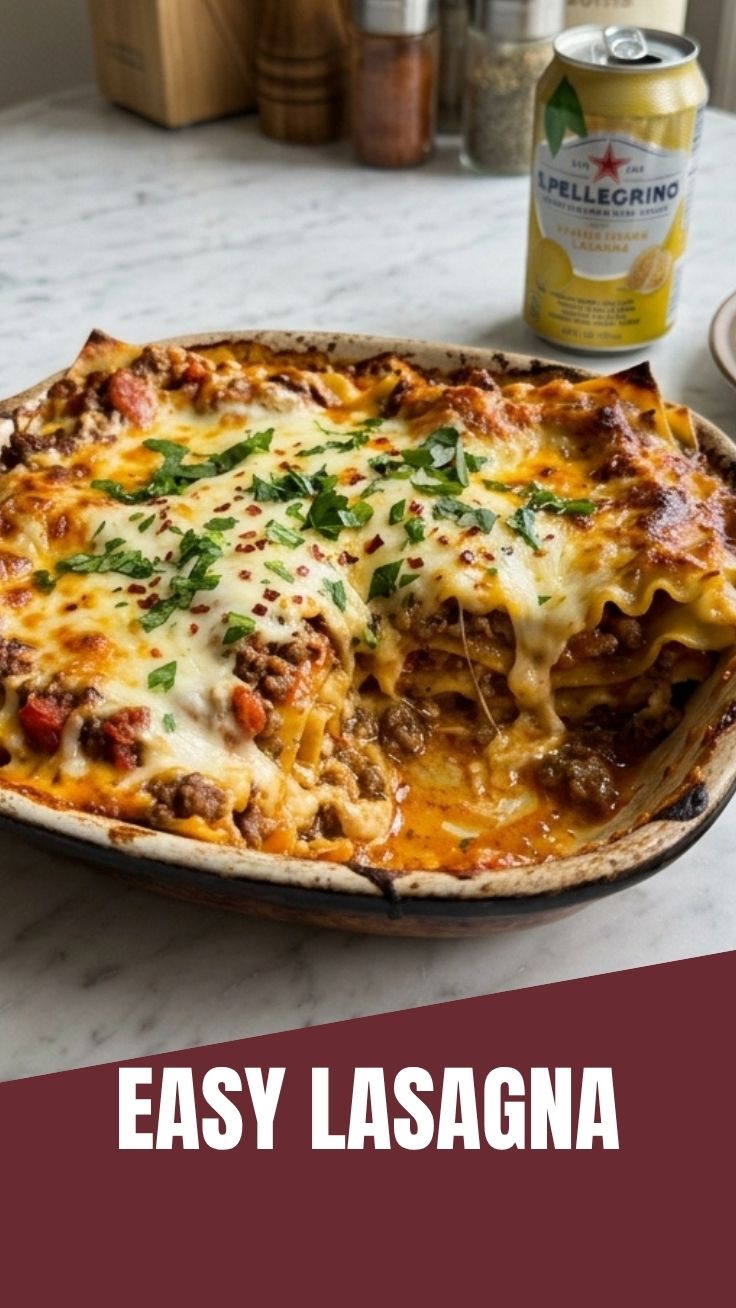
– Prep time: 25 minutes (dice vegetables, cook meat, mix ricotta).
– Cook time: 45–50 minutes (assembled lasagna baked covered 30 min, uncovered 15–20 min).
– Resting time: 10–15 minutes after baking for clean slicing.
– Total time: Approximately 1 hour 30 minutes.
Plan ahead: Prepare the meat sauce and ricotta mixture up to 24 hours in advance. Assembling the night before deepens flavors. If using no-boil noodles, ensure sauce is slightly thinner to hydrate pasta fully during baking.
Step-by-Step Instructions
1. Preheat oven to 375°F (190°C). Heat 2 tablespoons olive oil in a large skillet over medium-high heat. Add diced onion and cook 4 minutes until translucent. Stir in minced garlic for 30 seconds.
2. Brown the meat: Add ground beef, breaking it apart. Cook 6–8 minutes until no longer pink. Drain excess fat. Season with 1 teaspoon salt, ½ teaspoon black pepper, and 1 teaspoon dried oregano.
3. Build the meat sauce: Pour in 4 cups marinara sauce, reduce heat to low, and simmer 10 minutes. Tip: Taste and adjust seasoning—if acidic, add ½ teaspoon sugar.
4. Prepare ricotta mixture: In a bowl, combine ricotta cheese, 1 beaten egg, ½ cup grated Parmesan, ¼ cup chopped fresh basil, and a pinch of salt. Mix until smooth.
5. Layer in the dish: Spread ½ cup meat sauce on the bottom. Add one layer of noodles (slightly overlapping if needed). Spread ⅓ of ricotta mixture, then 1 cup mozzarella, then 1 cup meat sauce. Repeat layers (noodles, ricotta, mozzarella, sauce) three times. Final layer: noodles, remaining sauce, remaining mozzarella, and ¼ cup Parmesan.
6. Bake covered with foil for 30 minutes. Remove foil and bake 15–20 minutes until bubbly and golden on top. Tip: For a browned crust, broil 1–2 minutes at the end.
7. Rest: Let stand 10–15 minutes before cutting. This allows the layers to set, preventing a soupy slice.
Follow these steps and you will have a lasagna that rivals any trattoria. For a quicker alternative, try a deconstructed version like an italian pasta bake which uses similar ingredients in a single pot.
Nutritional Benefits & Advantages
This dish offers a balanced macronutrient profile. A single serving (1/8 of recipe) provides approximately:
– Protein: 25–30g (from meat, ricotta, and mozzarella) supports muscle repair.
– Calcium: Over 300mg per serving strengthens bones.
– Vitamin B12: From beef aides energy metabolism.
– Iron: 2–3mg per serving boosts oxygen transport.
Advantages: When made with lean ground beef and low-fat dairy, it fits a high-protein diet. For a lighter version, use whole-wheat noodles and add spinach or mushrooms to the ricotta layer. The tomato-based sauce provides lycopene, an antioxidant linked to heart health.
Tips Variations & Cooking Advice
– Flavor variations: Add sautéed mushrooms, zucchini, or spinach between layers for extra vegetables. Swap beef for Italian sausage or ground chicken for different flavor profiles.
– Cooking method: Try a slow cooker assembly for tender, saucy results (cook on low 4–5 hours). Or make individual ramekin portions for portion control.
– Dietary adaptations: For gluten-free, use lentil or brown rice lasagna noodles. For dairy-free, substitute ricotta with blended silken tofu and cashew cream; use vegan mozzarella shreds.
– Portion changes: This recipe yields 8–10 servings. Halve ingredients for a 9×9 dish, but reduce bake time to 35–40 minutes.
Common Mistakes to Avoid
1. Overcooking the noodles: Boil traditional al dente—they cook further in the oven. No-boil noodles require extra sauce moisture; don’t skip the liquid.
2. Soggy layers: Excess moisture from ricotta or vegetables causes soupiness. Drain ricotta in a sieve for 30 minutes, and sauté watery veggies like mushrooms before layering.
3. Uneven seasoning: Each layer needs salt. Taste meat sauce and ricotta mixture separately before assembly.
4. Skipping the rest: Cutting too early results in runny lasagna. The 15-minute rest is non-negotiable.
5. Burning the top: If browning too fast, tent with foil for the last 10 minutes of baking.
Storage & Meal Prep Tips
– Refrigeration: Store in an airtight container for up to 4 days. Reheat individual slices in the microwave (covered, 2–3 minutes high) or oven (350°F, 15 minutes).
– Freezing: Assemble unbaked or bake fully, then cool completely. Wrap tightly in plastic wrap and foil—freezes up to 3 months. Thaw overnight in the fridge.
– Reheating: To maintain texture, reheat in a 350°F oven with a splash of water or sauce to prevent drying. Cover with foil to lock moisture.
– Meal prep: Make a double batch; freeze one for later. Portion into meal prep containers for easy lunches.
Conclusion
Mastering this layered classic is simpler than you think when you follow the right steps and avoid common pitfalls. The rich, meaty sauce, creamy ricotta, and melted mozzarella create a dish that is both comforting and impressive. Remember, the key to a perfect lasagna lies in balanced moisture, proper seasoning, and patient resting. And if you are short on time, consider an italian pasta bake for a similar flavor profile with less assembly. We encourage you to try this recipe this weekend, share your results with family, and explore more hearty baked dishes on our site.
FAQs
Q: Can I use cottage cheese instead of ricotta?
A: Yes—drain the cottage cheese in a fine-mesh sieve for 30 minutes to remove excess liquid. Blend it in a food processor for a smoother texture comparable to ricotta.
Q: Why is my lasagna watery?
A: Likely causes: high-moisture ricotta, undrained meat fat, or undercooked vegetables. Drain ricotta, brown meat thoroughly, and sauté watery veggies before layering.
Q: Can I prepare this lasagna ahead of time?
A: Absolutely. Assemble up to 24 hours in advance, refrigerate, and add 10–15 minutes to the covered bake time. Alternatively, freeze unbaked for up to 3 months.
Q: How do I make a vegetarian version?
A: Replace meat with 2 cups sautéed mushrooms, zucchini, spinach, and eggplant. Use vegetable-based marinara and add lentils or crumbled tofu for protein.
Q: What is the best noodle type for lasagna?
A: No-boil noodles save time but require a thinner sauce. Traditional boiled noodles offer control over texture—boil al dente (1–2 minutes less than package directions) for best results.
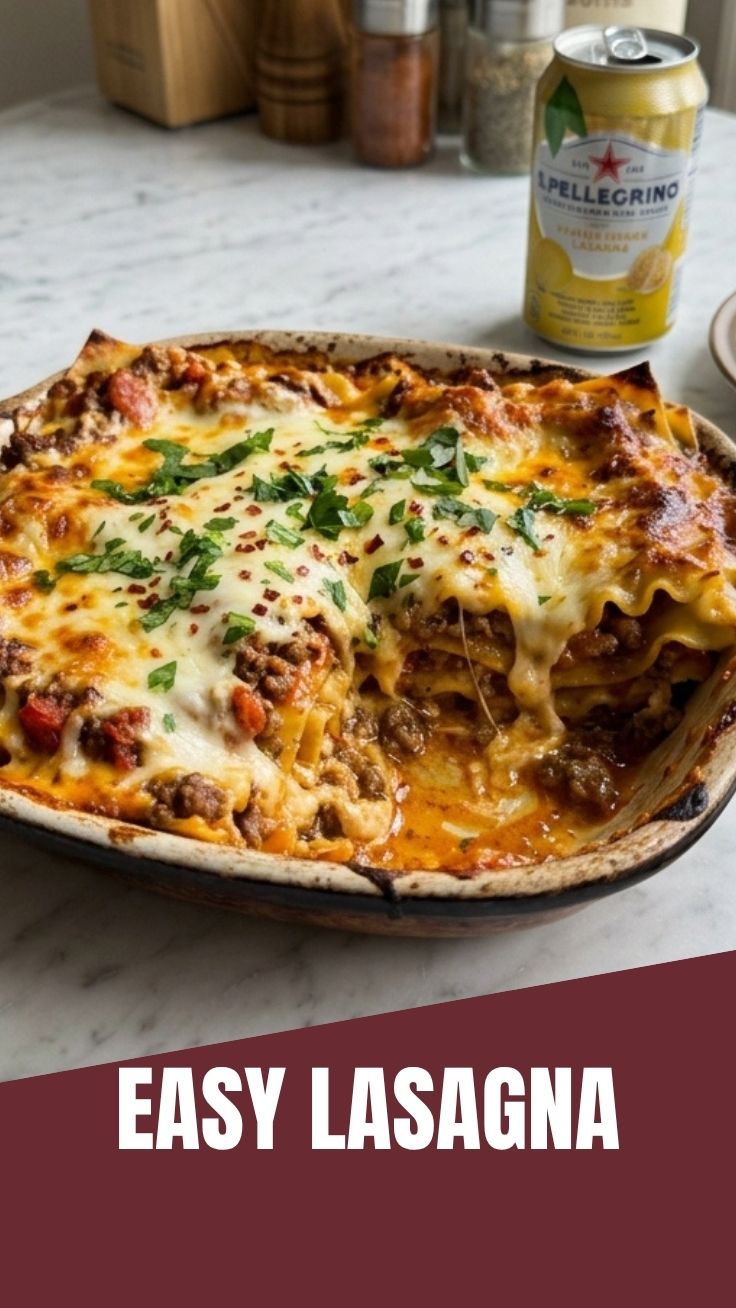
Best Way to Grow Lasagna
Ingredients
Equipment
Method
- Plant tomato, basil, durum wheat, and spinach seeds in rich soil; nurture them with care until they are ready for harvest.
- Tend to your cow to ensure a good milk supply, which will be essential for making fresh cheese.
- Harvest your fully grown tomatoes, basil, spinach, and durum wheat, then milk your cow for fresh dairy.
- Transform your ripe tomatoes into a rich sauce, mill the durum wheat into flour for fresh pasta sheets, and blanch your spinach.
- From the cow's milk, create fresh ricotta, mozzarella, and Parmesan cheeses.
- In a bowl, combine ricotta cheese with eggs, salt, and pepper, mixing well.
- Spread a thin layer of tomato sauce in a baking dish, then layer with pasta, ricotta mixture, spinach, mozzarella, and Parmesan.
- Repeat the layers until all ingredients are used, ending with a generous top layer of sauce and cheese.
- Bake in a preheated oven at 375°F (190°C) for 45-60 minutes, or until bubbly and golden brown.
- Let the lasagna rest for 10-15 minutes before serving to allow it to set.