The Ultimate Guide to Perfectly Creamy Fettuccine Alfredo at Home
Have you ever craved a restaurant-quality creamy pasta dish but felt intimidated by the idea of making it from scratch? You’re not alone. Many home cooks assume that achieving that velvety, luxurious sauce requires professional skills or expensive ingredients. The truth is, with the right techniques and a bit of patience, you can create a Fettuccine Alfredo that rivals any Italian eatery—right in your own kitchen. This classic Roman dish relies on simplicity: butter, cream, Parmesan cheese, and perfectly cooked pasta. Beyond its indulgent flavor, making it at home gives you control over quality and customization, plus it’s surprisingly quick and budget-friendly. Whether you’re cooking for a weeknight dinner or a special occasion, mastering this recipe will transform your pasta game. Let’s dive into the secrets of silky sauce and perfectly coated noodles.
Ingredients & Kitchen Tools
For the Pasta:
– 12 oz fettuccine pasta (or tagliatelle for a slightly wider noodle)
– Salt (for pasta water – use 1 tablespoon per 4 quarts of water)
– Fresh parsley (optional garnish)
For the Alfredo Sauce:
– 1/2 cup unsalted butter (1 stick) – use high-quality European-style butter for richer flavor
– 1 ½ cups heavy cream (35% fat) – do not substitute with milk; light cream works but yields thinner sauce
– 1 ½ cups freshly grated Parmesan cheese (about 4 oz) – avoid pre-shredded; it contains anti-caking agents that prevent smooth melting
– 2 cloves garlic, minced (optional but recommended)
– 1/4 teaspoon freshly ground black pepper
– Pinch of nutmeg (optional, but adds depth)
Kitchen Tools:
– Large pot (6-8 quarts) for boiling pasta
– Colander
– Large skillet or sauté pan (12-inch preferred)
– Wooden spoon or silicone spatula
– Microplane or grater for cheese
– Measuring cups and spoons
– Chef’s knife and cutting board
Optional Substitutions:
– Gluten-free: Use brown rice or chickpea fettuccine (cook al dente)
– Dairy-free: Substitute with unsalted vegan butter and full-fat coconut cream; use vegan Parmesan (nutritional yeast-based)
– Lighter version: Replace heavy cream with half-and-half and add extra tablespoon of butter
Prep Time & Cooking Schedule
– Prep Time: 10 minutes (grate cheese, mince garlic, measure ingredients)
– Cook Time: 15 minutes
– Total Time: 25 minutes
– Resting Time: 1-2 minutes (letting pasta rest after tossing)
Planning Tip: This dish is best served fresh, so coordinate your timing: start boiling water while you grate cheese. Have all ingredients measured before cooking begins (mise en place). The sauce takes only about 8 minutes from start to finish, so you’ll want to cook pasta and sauce simultaneously. If making for a group, cook pasta in batches to avoid overcrowding the pan.
Step-by-Step Instructions
1. Bring water to a rolling boil: Fill a large pot with 4-5 quarts of water. Add 1 tablespoon salt once boiling. Salt is crucial here – it seasons the pasta from within.
2. Cook fettuccine: Add pasta and cook according to package directions until al dente (usually 8-10 minutes). Stir occasionally to prevent sticking. While pasta cooks, reserve 1 cup of pasta water before draining.
3. Start the Alfredo sauce: In a large skillet over medium heat, melt butter until fully liquid but not browning (about 2 minutes). If using garlic, add it now and cook for 30 seconds until fragrant – don’t let it burn.
4. Add cream: Pour in heavy cream and bring to a gentle simmer (small bubbles around edges). Reduce heat to low. Important: Do not let cream boil vigorously or it may separate.
5. Incorporate cheese gradually: Remove pan from heat. Add Parmesan cheese in three additions, whisking constantly until each batch is fully melted before adding the next. This ensures a smooth, lump-free sauce.
6. Season: Stir in black pepper and optional nutmeg. Taste and add salt only if needed (the cheese and pasta water are already salty).
7. Combine pasta and sauce: Drain fettuccine (reserve pasta water first). Add hot pasta directly to the skillet with Alfredo sauce. Toss gently using tongs or two forks, adding reserved pasta water one tablespoon at a time until sauce coats each strand beautifully – you’ll need about 1/4 to 1/3 cup.
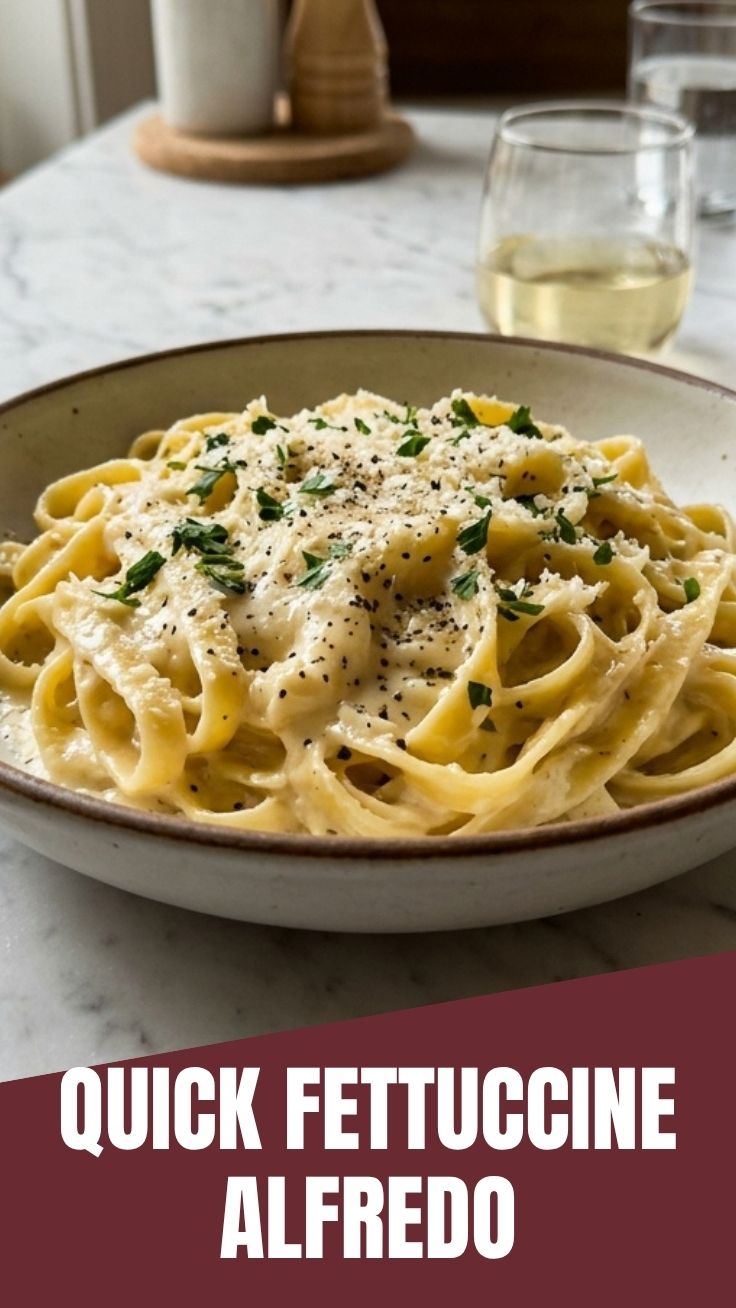
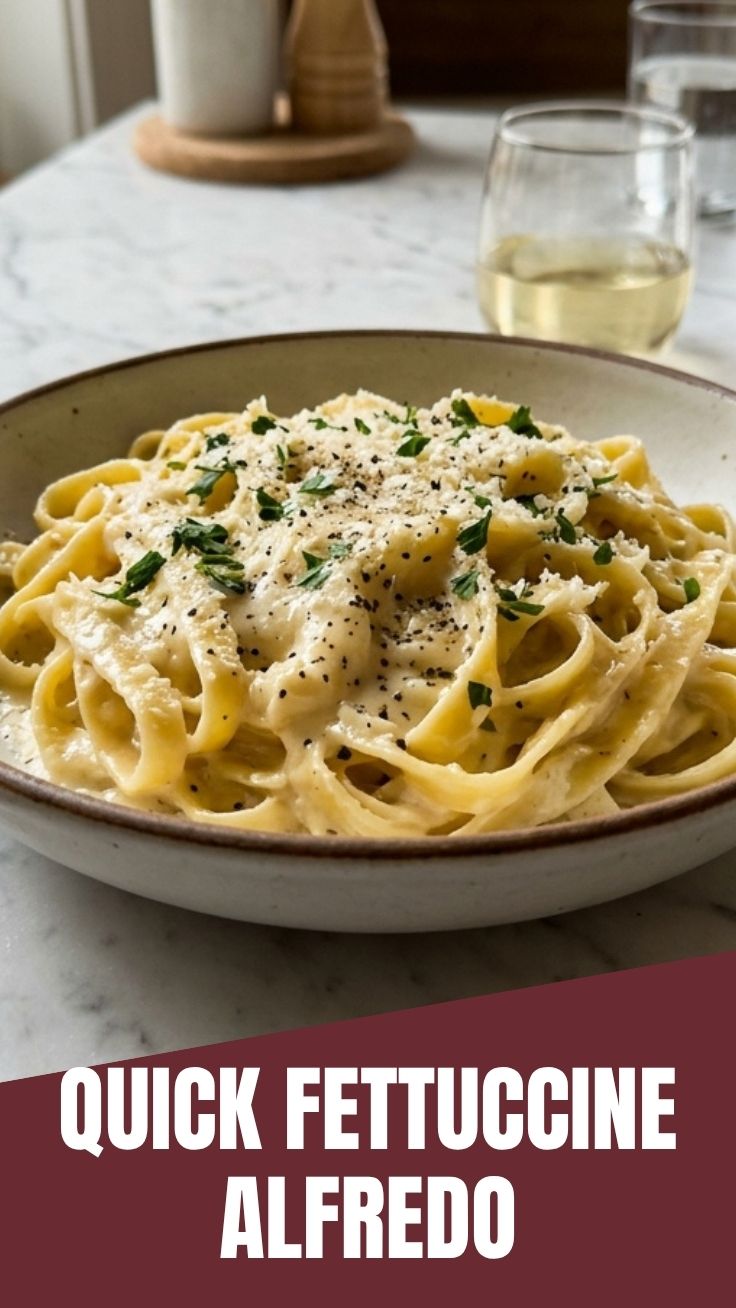
8. Final touch: The sauce should cling to pasta like a silky blanket. If too thick, add more pasta water. Serve immediately garnished with parsley and extra Parmesan.
Temperature tip: Always work with low heat after adding cream to prevent scorching. Texture cue: The perfect Alfredo sauce will slightly thicken but remain pourable – if it’s too liquidy, simmer 1-2 minutes longer; if too thick, thin with pasta water. Ingredient handling: Cream cheese is not traditional but some add it for thickness – use sparingly.
If you enjoy classic Italian pasta dishes, you might also love trying this authentic Fettuccine Alfredo recipe for comparison, or explore a different style with Pasta Carbonara for a egg-based Roman alternative.
Nutritional Benefits & Advantages
Each serving (about 1/4 of recipe) provides approximately:
– Calories: 680-750 kcal
– Protein: 22g (from Parmesan and pasta)
– Fat: 48g (mostly from butter and cream – use in moderation)
– Carbohydrates: 45g
– Calcium: 35% Daily Value – thanks to generous Parmesan
– Iron: 10% DV
Health advantages: While indulgent, this dish delivers high-quality dairy protein and calcium for bone health. Using fresh Parmesan adds umami with less sodium than processed cheeses. For a nutrient boost, serve with a side salad or steamed broccoli. The fat content provides satiety, making smaller portions satisfying.
Tips Variations & Cooking Advice
Flavor Variations:
– Lemon Alfredo: Add zest of 1 lemon and 1 tablespoon juice when adding cream
– Herb-infused: Stir in 1 teaspoon dried basil or fresh thyme
– Spicy kick: Add 1/4 teaspoon red pepper flakes with garlic
– Protein boost: Top with grilled chicken, shrimp (cook separately), or sautéed mushrooms
Ingredient Swaps:
– Pasta: Use bucatini, linguine, or even penne for different textures
– Cheese: Substitute aged Asiago or Grana Padano (grate fresh)
– Butter: Clarified butter (ghee) works well for higher smoke point
– Cream: For dairy-free, use unsweetened cashew cream (soak 1 cup raw cashews in water for 4 hours, blend with 1 cup water until smooth)
Alternative Methods:
– One-pot method: Add 1/4 cup less water to pasta, cook until absorbed, then add sauce ingredients directly to pot
– Baked Alfredo: Toss finished pasta with 1/2 cup additional cheese, bake at 375°F for 10 minutes for golden top
– Vegan version: Use nutritional yeast (3 tbsp) + silken tofu blended with lemon juice
Portion Changes:
– For 2 servings, halve all ingredients
– For 6-8 servings, double but cook in two batches to avoid overcrowding
Common Mistakes to Avoid
1. Using pre-shredded cheese: Anti-caking agents (cellulose) prevent melting, creating grainy sauce. Always grate fresh blocks of Parmesan.
2. Overcooking pasta: Mushy pasta won’t hold sauce. Cook al dente – pasta should have slight resistance when bitten.
3. High heat for sauce: Cream curdles and butter burns. Use medium-low heat and remove pan from stove when adding cheese.
4. Adding cheese too quickly: Dumping all at once creates clumps. Add in small batches while whisking continuously.
5. Skipping pasta water: This starchy liquid emulsifies sauce, making it silky. Don’t drain without reserving.
6. Not seasoning pasta water: Without salt, pasta is bland. Use 1 tablespoon per 4 quarts – it’s absorbed during cooking.
7. Letting sauce sit: Alfredo thickens as it cools. Serve immediately after tossing. If reheating, add splash of milk or cream.
8. Using wrong cheese: Pre-grated “Parmesan” in green cans won’t melt properly. Buy real Parmigiano-Reggiano or Grana Padano.
Storage & Meal Prep Tips
Refrigeration: Store leftover pasta in an airtight container for up to 3 days. Sauce will thicken significantly. To reheat, add 2 tablespoons milk or cream per serving, microwave in 30-second bursts stirring between, or reheat on stovetop over low heat with splash of liquid – do not boil.
Freezing: Alfredo sauce freezes poorly due to dairy separation (watery texture upon thawing). Best fresh. However, you can freeze unsauced cooked fettuccine: toss with olive oil, place in freezer bags for up to 1 month. Thaw overnight, then make fresh sauce.
Meal Prep Option: Cook extra pasta and store separately (tossed with oil) for up to 3 days. Make sauce fresh daily (it takes 8 minutes). This avoids reheating issues.
Reheating Tip: For best texture, reheat leftovers in a skillet with a tablespoon of butter and 2 tablespoons milk. Stir constantly until hot and creamy. Avoid microwave – it often makes sauce grainy.
Conclusion
Making restaurant-quality pasta at home is incredibly rewarding, and this Fettuccine Alfredo proves that simplicity can be your greatest ally. By focusing on fresh ingredients, proper technique, and attention to temperature, you’ll achieve a sauce that’s creamy, rich, and perfectly coated on every strand. Remember the secrets: grate your own Parmesan, cook pasta al dente, and use that golden starchy water to bind everything together. Whether you pair it with a crisp white wine or serve it as a standalone comfort meal, this dish delivers satisfaction in every bite. If you’re exploring more Italian classics, the Pasta Carbonara offers a different but equally delicious Roman tradition using eggs and guanciale. Don’t be afraid to experiment with the variations provided – cooking should be personal. Try this recipe tonight, share your creation on social media with #HomeCookingAlfredo, or browse our other pasta guides for more inspiration. Your perfect bowl of Alfredo is just 25 minutes away.
Frequently Asked Questions
1. Can I use milk instead of heavy cream?
Not recommended – milk lacks enough fat to create emulsified sauce. The result will be thin, watery, and prone to curdling. If you must, substitute with half-and-half (10-18% fat) and add 1 extra tablespoon butter for richness.
2. Why is my Alfredo sauce grainy?
This happens for two reasons: (1) using pre-shredded cheese with anti-caking agents, or (2) adding cheese while cream is too hot (over 180°F). Always grate fresh cheese and remove pan from heat before adding.
3. How do I prevent sauce from separating when reheating?
Reheat gently with added liquid (milk, cream, or pasta water) over low heat while stirring constantly. Avoid high heat or microwave, which breaks emulsions. Adding a teaspoon of cornstarch slurry can help re-emulsify.
4. Can I make this gluten-free?
Absolutely! Use gluten-free fettuccine made from rice, corn, or chickpea flour. Be careful not to overcook – gluten-free pasta tends to get mushy quickly. Follow package timing and test frequently.
5. Why is my sauce too thick?
Alfredo naturally thickens as it sits due to starch from pasta and cooling fat. Simply add 1-2 tablespoons of reserved pasta water, milk, or cream and stir over low heat. The sauce should be pourable but cling to pasta – not runny or glue-like.
6. Can I add vegetables?
Yes! Sauté mushrooms (5 minutes), broccoli florets (steamed 3 minutes), or peas (added frozen in last minute of cooking) before combining with sauce. This adds nutrients and color without overpowering the dish.
7. How much Parmesan is too much?
The classic ratio is about 1 cup cheese per 1 cup cream. Adding more than 1.5 cups per batch may result in a clumpy, greasy sauce. For extra cheesiness, sprinkle more on top after serving rather than mixing into sauce.
8. Is this recipe authentic Italian?
Traditional Roman Alfredo (Fettuccine all’Alfredo) uses only butter and Parmesan – no cream. American-style adds heavy cream for extra richness. Both are delicious – choose based on your preference!
How to grow perfect Fettuccine Alfredo
Ingredients
Equipment
Method
- Cook the fettuccine according to package directions until al dente, then drain and set aside.
- In a large skillet, melt the butter over medium heat. Add the heavy cream and bring to a gentle simmer.
- Add the cooked fettuccine to the skillet with the cream mixture, tossing to coat.
- Gradually stir in the grated Parmesan cheese until a smooth sauce forms.
- Season with salt and freshly ground black pepper to taste and serve immediately.