The Ultimate Guide to Perfectly Crispy Oatmeal Cookies: A Baker’s Secret to Crunchy, Golden Edges
Have you ever bitten into a store-bought oatmeal cookie only to find it disappointingly soft, bland, or lacking that satisfying crunch? You’re not alone. The quest for the perfect homemade crispy oatmeal cookies—with caramelized edges, a tender center, and deep, nutty flavor—is a journey worth taking. When you prepare them at home, you control the texture, sweetness, and ingredients, avoiding preservatives while unlocking bakery-quality results. Let’s dive into the science and artistry behind making these golden-brown delights that will have everyone asking for your recipe.
Ingredients & Kitchen Tools
Essential Ingredients
| Ingredient | Quantity | Notes & Clarifications |
|—|—|—|
| Rolled oats | 2 cups (180g) | Use old-fashioned rolled oats, not quick-cooking or steel-cut. They provide better texture and structure. |
| All-purpose flour | 1½ cups (190g) | Spoon and level for accuracy; too much flour makes cookies dry. |
| Unsalted butter | 1 cup (226g), softened | Softened to room temperature—not melted. This creates air pockets for lift. |
| Granulated sugar | ¾ cup (150g) | Adds sweetness and promotes crisp edges through caramelization. |
| Brown sugar | ¾ cup (165g), packed | Light or dark works. Dark adds more molasses flavor and chewiness. |
| Eggs | 2 large, at room temperature | Room-temperature eggs emulsify better with butter for a uniform dough. |
| Vanilla extract | 2 teaspoons | Pure vanilla, not imitation, for richer flavor. |
| Baking soda | 1 teaspoon | Leavening agent; ensures cookies spread and brown evenly. |
| Salt | 1 teaspoon | Kosher or sea salt preferred. Balances sweetness and enhances oat flavor. |
| Cinnamon | 1 teaspoon (optional) | Adds warmth but can be omitted for a purer oat taste. |
Optional Add-Ins
– 1 cup raisins or dried cranberries for oatmeal raisin cookies
– ½ cup chopped walnuts or pecans
– ½ cup chocolate chips or white chocolate chunks
Kitchen Tools
– Large mixing bowls (stainless steel or glass)
– Electric hand mixer or stand mixer with paddle attachment
– Measuring cups and spoons
– Rubber spatula
– Baking sheets (light-colored aluminum preferred—darker pans over-brown bottoms)
– Parchment paper or silicone baking mats
– Wire cooling rack
– Cookie scoop or tablespoon for uniform sizing
Prep Time & Cooking Schedule
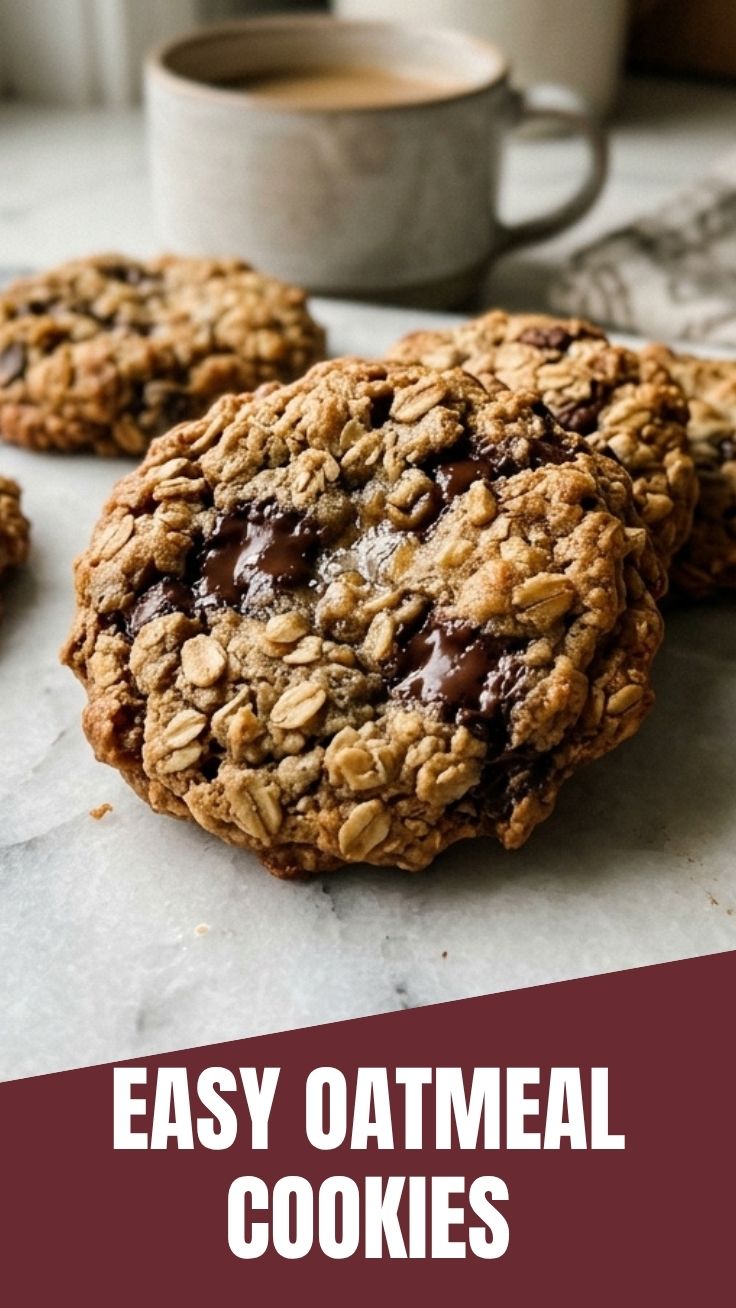
– Prep Time: 15 minutes (measuring, mixing, and forming dough)
– Chill Time: 30 minutes (optional but strongly recommended for deeper flavor and controlled spread)
– Bake Time: 10–12 minutes per batch
– Cool Time: 5 minutes on baking sheet, then transfer to rack
Planning note: Chilling dough prevents cookies from spreading too thin. If short on time, skip chilling—but your cookies will be flatter and less chewy. Bake in batches; this recipe yields about 24–30 medium cookies depending on scoop size.
Step-by-Step Instructions
1. Preheat and prepare. Set your oven to 350°F (175°C). Line two baking sheets with parchment paper. This prevents sticking and promotes even browning.
2. Cream butter and sugars. In a large bowl, beat softened butter, granulated sugar, and brown sugar on medium speed for 3–4 minutes until light, fluffy, and pale. Tip: Scrape the bowl halfway; unmixed butter leads to greasy cookies.
3. Add eggs and vanilla. Beat in eggs one at a time, then vanilla extract. Mix until just combined—overmixing now develops gluten, making cookies tough.
4. Whisk dry ingredients. In a separate bowl, whisk together flour, baking soda, salt, and cinnamon (if using). This ensures even distribution of leavening agents.
5. Combine wet and dry. Gradually add dry mixture to wet mixture on low speed. Mix until flour streaks disappear—stop immediately. Texture cue: Dough should be slightly sticky but hold together when pressed.
6. Fold in oats and add-ins. Gently fold in rolled oats with a spatula. If making oatmeal raisin cookies, fold in raisins at this stage. For our crispy oatmeal cookies, keep add-ins minimal to maintain crunch.
7. Chill dough (optional but recommended). Cover bowl and refrigerate for 30 minutes. This solidifies butter, reducing spread and intensifying toasty flavor.
8. Scoop and shape. Use a 1.5-tablespoon cookie scoop to portion dough. Roll into balls 1½ inches in diameter. Space 2 inches apart on prepared sheets—they spread during baking.
9. Bake to perfection. Bake for 10–12 minutes. At 10 minutes, edges should be golden-brown and centers slightly puffed and pale. Trick: For maximum crispness, bake 11–12 minutes until edges deepen to amber.
10. Cool properly. Let cookies rest on baking sheet for 5 minutes. They’ll continue setting and become crisp around edges. Transfer to a wire rack to cool completely—this prevents soggy bottoms.
Nutritional Benefits & Advantages
These Oatmeal Cookies offer more than just comfort:
– Fiber-rich oats (4g per serving): Beta-glucan in oats supports heart health, lowers cholesterol, and stabilizes blood sugar.
– Whole grains: Rolled oats retain bran and germ, providing sustained energy without spikes.
– Moderate sugar: Using less sugar than commercial recipes—you control sweetness.
– Protein boost: Eggs and oats deliver 3–4g protein per cookie, making them more satiating than sugary alternatives.
– Customizable nutrition: Swap butter for coconut oil (vegan option) or reduce sugar by ¼ cup without sacrificing crispness—simply increase bake time by 1 minute.
When you bake at home, you avoid hydrogenated oils, high-fructose corn syrup, and preservatives commonly found in packaged cookies.
Tips, Variations & Cooking Advice
Flavor Twists
– Brown butter base: Brown 1 cup butter before creaming with sugars. This adds nutty, toffee-like complexity.
– Spice it up: Add ½ teaspoon nutmeg or cardamom alongside cinnamon.
– Citrus zest: 1 tablespoon orange zest brightens the oat flavor beautifully.
– Salty-sweet finish: Sprinkle flaky sea salt on cookies immediately after baking.
Dietary Adaptations
– Gluten-free: Replace all-purpose flour with 1:1 gluten-free blend (containing xanthan gum). Oats must be certified gluten-free.
– Vegan: Use room-temperature coconut oil or vegan butter, plus 2 flax eggs (2 tbsp ground flax + 6 tbsp water, rested 10 minutes). Bake 1 minute longer.
– Lower sugar: Reduce total sugar to 1 cup. Cookies will spread slightly less but maintain crispness.
– Egg-free: Substitute ¼ cup unsweetened applesauce per egg. Texture becomes softer—add 2 tablespoons extra oats to compensate.
Method Variations
– Air fryer: Bake at 320°F for 6–8 minutes. Flip halfway for even browning.
– Double bake for extra crunch: After cooling completely, return cookies to 300°F oven for 5 minutes. This removes residual moisture for glass-like crispness.
Common Mistakes to Avoid
| Mistake | Solution |
|—|—|
| Butter too soft or melted | Cream butter until just fluffy; over-soft butter causes excessive spread and greasy cookies. |
| Overmixing dough | Mix until flour disappears—overworking develops gluten, yielding tough, cakey cookies. |
| Skipping the chill | Warm dough spreads too thin, burning edges before center sets. Chill 30 minutes minimum. |
| Crowded baking sheet | Cookies need 2 inches between them for hot air circulation. Bake in batches. |
| Opening oven repeatedly | Temperature drops affect spread and rise. Use oven light to check progress. |
| Removing from sheet too early | Cookies need 5 minutes on hot sheet to finish setting. Moving them instantly breaks them. |
| Using quick oats | Quick oats absorb moisture faster, creating dense, textureless cookies. Stick to rolled oats. |
Storage & Meal Prep Tips
Room temperature: Store cookies in an airtight container with a paper towel on the bottom. Layer cookies with wax paper between them. They stay crisp for up to 5 days. Pro tip: Add a slice of bread to the container—it absorbs excess moisture without softening cookies.
Freezing dough: Scoop dough balls onto a parchment-lined tray, freeze until solid (2 hours), then transfer to a freezer bag. Bake directly from frozen—add 2–3 minutes to bake time.
Freezing baked cookies: Cool completely, then freeze in a single layer on a sheet tray. Once frozen, stack in freezer-safe bags with parchment between layers. Thaw at room temperature for 10 minutes, then re-crisp in a 300°F oven for 3–4 minutes.
Reviving stale cookies: Place cookies on a paper towel in the microwave for 10 seconds. For large batches, warm in a 325°F oven for 5 minutes—they regain their original crunch.
Conclusion
Mastering homemade crispy oatmeal cookies is about understanding how butter, sugar, and oats work together to create that irresistible contrast—golden, caramelized edges with a satisfying snap. Whether you enjoy them plain or transform them into classic oatmeal raisin cookies with plump raisins and warm spices, these treats deliver comfort and nostalgia in every bite. The key takeaway? Chill your dough, bake until deep amber, and cool properly for maximum crunch. Now it’s your turn—preheat that oven, gather your oats, and share your golden results with us in the comments below. Happy baking!
FAQs
Q: Can I use quick-cooking oats instead of rolled oats?
A: Not recommended. Quick oats break down more during mixing, resulting in dense, mushy cookies with less texture. Stick with old-fashioned rolled oats for that signature chewy-crisp bite.
Q: Why did my cookies spread into thin, greasy discs?
A: Butter was too warm, or you skipped the chilling step. Ensure butter is softened but still cool (65°F) and chill dough at least 30 minutes. Over-creaming also encourages excess spread.
Q: How do I make these cookies even crispier?
A: Three ways: (1) Use all butter (no shortening), (2) substitute 2 tablespoons granulated sugar for brown sugar, and (3) bake 1–2 minutes longer until edges are deep golden. The double-bake method also works wonders.
Q: Can I add chocolate chips and keep the texture crispy?
A: Yes! Chocolate chips contain cocoa butter, which can soften cookies slightly. Reduce brown sugar by 2 tablespoons and increase bake time by 1 minute to compensate.
Q: My cookies turned out cakey, not crispy. What went wrong?
A: Likely too much flour or overmixing. Spoon and level flour (don’t scoop from the bag), and mix only until no dry streaks remain. Also, ensure your baking soda is fresh—expired leavener produces dense, puffy cookies.
Q: How long will these cookies stay fresh?
A: At room temperature in an airtight container, 4–5 days. In the freezer, up to 3 months. Re-crisp stale cookies in a 300°F oven for 3–5 minutes to restore texture.
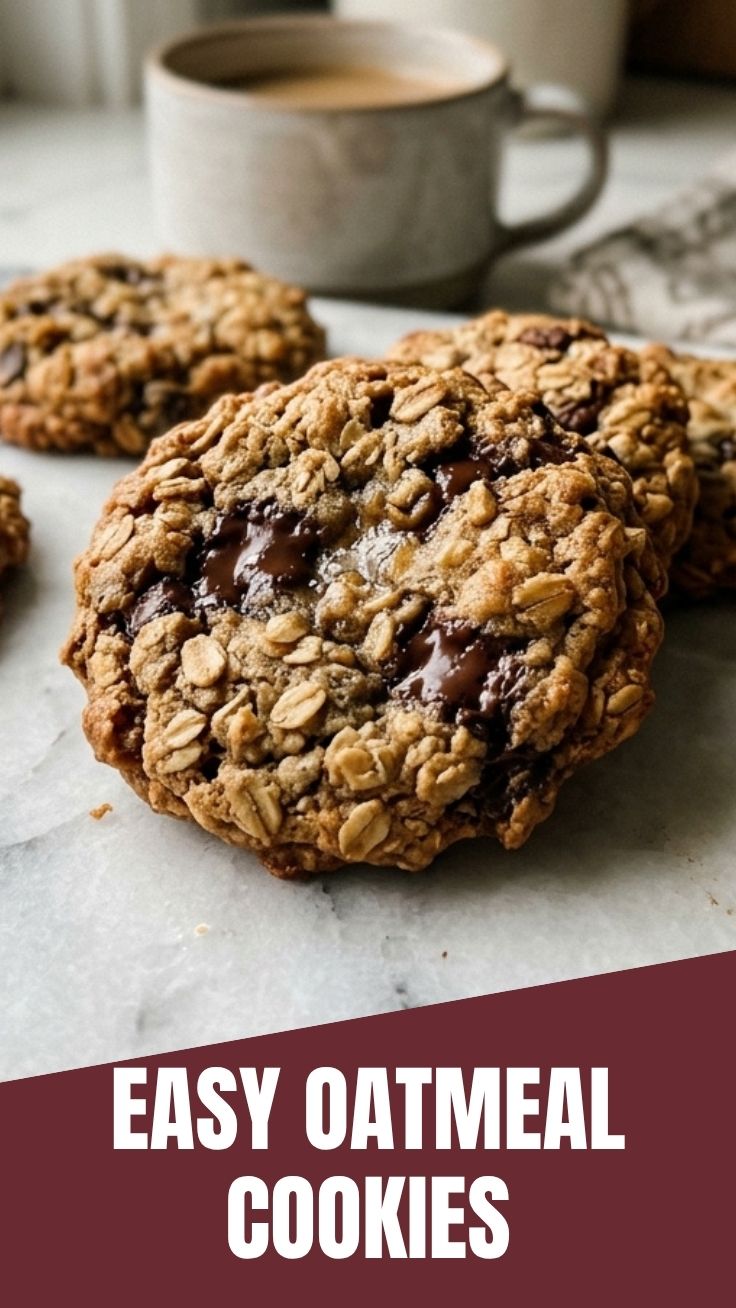
Best way to grow Oatmeal Cookies with 3 tips.Oatmeal Cookies
Ingredients
Equipment
Method
- Preheat your oven to 350°F (175°C) and line baking sheets with parchment paper.
- In a medium bowl, whisk together the flour, baking soda, cinnamon, and salt; set aside.
- In a large bowl, cream together the softened butter, granulated sugar, and brown sugar until light and fluffy.
- Beat in the eggs one at a time, then stir in the vanilla extract.
- Gradually add the dry ingredients to the wet ingredients, mixing until just combined.
- Stir in the old-fashioned rolled oats and your choice of raisins or chocolate chips.
- Drop rounded tablespoons of dough onto the prepared baking sheets, ensuring they are about 2 inches apart.
- Bake for 10-12 minutes, or until the edges are golden brown and the centers are still soft.
- Allow the cookies to cool on the baking sheets for a few minutes before transferring them to a wire rack to cool completely.