Why Homemade Philly Cheesesteak Beats Fast Food Every Time
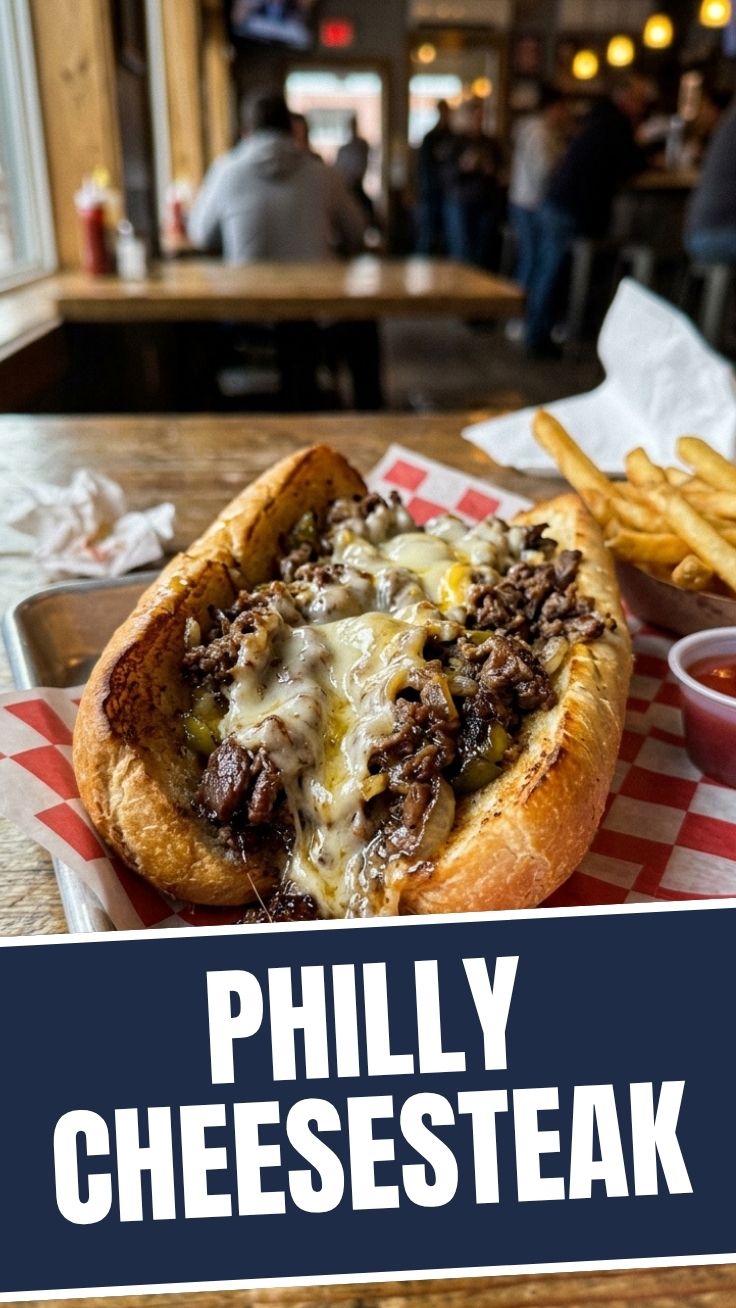
Have you ever craved that iconic, melty, savory sandwich but hesitated to order takeout? Preparing a Philly Cheesesteak at home is not only surprisingly simple but also gives you complete control over quality and flavor. Forget greasy shortcuts—this recipe delivers restaurant-level satisfaction in under 30 minutes. By mastering the classic Philly Cheesesteak, you can skip the drive-thru and enjoy a fresher, more customizable meal. You’ll also discover how to perfect a cheesesteak sandwich using techniques that guarantee tender beef and gooey cheese every time.
Ingredients & Kitchen Tools
Ingredients
– 1 lb ribeye steak (or sirloin) – thinly sliced against the grain for tenderness.
– 1 large yellow onion – sliced into thin strips; adds sweetness.
– 1 green bell pepper – sliced; adds crunch and color (optional).
– 4 hoagie rolls – sturdy, soft rolls that hold up to juicy fillings.
– 6–8 slices provolone cheese – mild, creamy melt; substitute with Cheez Whiz for authenticity.
– 2 tbsp olive oil – for sautéing.
– Salt and black pepper – to taste.
– Garlic powder – optional, for extra depth.
Kitchen Tools
– Cast iron skillet or heavy-bottomed pan – retains high heat for searing.
– Sharp knife – for paper-thin slicing of beef.
– Cutting board – sturdy surface for prep.
– Spatula – to chop and mix ingredients.
– Tongs – for easy flipping and handling.
Optional Substitutions
– Chicken or mushrooms – for a leaner or vegetarian version.
– Vegan cheese slices – dairy-free alternative.
– Gluten-free rolls – for celiac-friendly option.
Prep Time & Cooking Schedule
– Prep time: 10 minutes (slice beef, onions, and peppers).
– Cook time: 15 minutes (total).
– Resting time: 2 minutes (after cooking, before assembling).
Tip: Freeze the ribeye for 20–30 minutes before slicing – it firms up for ultra-thin cuts. Plan to serve immediately after assembly to maintain the melt.
Step-by-Step Instructions
1. Prep the beef: Place the ribeye in the freezer for 20 minutes, then slice against the grain into very thin strips (about 1/8-inch thick). Season lightly with salt and pepper.
2. Cook the vegetables: Heat 1 tbsp olive oil in your skillet over medium-high heat. Add the onion and bell pepper strips. Sauté for 3–4 minutes until softened and lightly caramelized. Transfer to a plate.
3. Sear the beef: Increase heat to high. Add remaining oil. Spread the beef strips in a single layer – do not overcrowd. Cook undisturbed for 1–2 minutes until a deep brown crust forms. Flip and cook another 30 seconds.
4. Combine and melt: Lower heat to medium. Return the vegetables to the skillet, mixing with the beef. Lay provolone slices over the top. Cover with a lid for 1 minute until cheese melts and bubbles.
5. Assemble the sandwich: Split hoagie rolls and toast lightly in the skillet (or oven). Divide the beef-cheese mixture evenly among rolls. For the perfect Philly Cheesesteak, ensure the cheese fully coats the meat. This step also applies when crafting a classic cheesesteak sandwich – don’t skimp on the cheese coverage.
6. Serve immediately: Use a spatula to transfer the loaded roll to a plate. Enjoy while the cheese is still stretchy.
Nutritional Benefits & Advantages
– High-quality protein: Ribeye provides iron and B vitamins for energy.
– Healthy fats: Olive oil offers monounsaturated fats for heart health.
– Lower sodium than fast food: You control the salt – use spices for flavor instead.
– Customizable portion sizes: Reduce fat by trimming visible fat from the beef.
Tips, Variations & Cooking Advice
– Flavor twist: Add sautéed mushrooms or a dash of Worcestershire sauce to the beef.
– Dietary adaptation: Use gluten-free buns and dairy-free cheese for allergies.
– Alternative cooking method: Sear beef in a wok for faster, even browning.
– Portion change: Double the vegetables to lighten the sandwich or stretch servings.
Common Mistakes to Avoid
– Slicing beef too thick: Thin slices ensure tenderness; use a sharp knife or ask your butcher to slice.
– Overcrowding the pan: This steams the meat instead of searing – work in batches if needed.
– Skipping the toast: Un-toasted rolls get soggy quickly; char them for structural integrity.
– Melting cheese too slowly: Cover the pan to trap heat for a uniform melt.
– Using low heat: High heat creates the crust; medium-high for vegetables, high for beef.
Storage & Meal Prep Tips
– Refrigeration: Store assembled sandwiches in an airtight container for up to 2 days. Cheeses may separate slightly.
– Freezing: Freeze cooked beef-vegetable mixture (without bread) in zip-top bags for up to 1 month.
– Reheating: To maintain texture, reheat components separately: warm beef in skillet, toast fresh rolls, then assemble. Avoid microwaving assembled sandwiches – bread becomes rubbery.
Conclusion
With this recipe, you can recreate the iconic taste of a Philly Cheesesteak in your own kitchen – fresher, faster, and fully customizable. Whether you’re hosting game day or craving a quick weeknight dinner, the method here ensures every bite is juicy, cheesy, and satisfying. Remember, a perfect cheesesteak sandwich hinges on high heat, thin beef, and generous cheese coverage. Now it’s your turn – gather your ingredients, heat that skillet, and share your creation with friends. Enjoy the melt!
FAQs
1. Can I use ground beef instead of ribeye?
Yes! Ground beef works well. Cook it until browned, then proceed with the same seasoning and cheese steps. It’s a budget-friendly alternative but won’t replicate the steak texture exactly.
2. My beef turned out tough – how to fix it?
Ensure you slice against the grain (perpendicular to muscle fibers). Also, avoid overcooking – ribeye should only be seared briefly. A meat tenderizer can help for thicker cuts.
3. What’s the best cheese for a Philly Cheesesteak?
Provolone is classic, but Cheez Whiz provides the iconic gooey, a savory taste. For a gourmet twist, use sharp cheddar or Gruyère.
4. Can I make this dairy-free?
Absolutely. Use vegan provolone or mozzarella shreds. Many melt beautifully when covered – just check they’re designed for melting.
5. How do I prevent a soggy roll?
Always toast the inside of the hoagie roll until lightly golden. Additionally, drain any excess liquid from the cooked beef and vegetables before assembling.
Proven way to grow your Philly Cheesesteak
Ingredients
Equipment
Method
- Thinly slice the ribeye steak against the grain, which can be easier if the steak is partially frozen.
- Slice the onion and bell pepper (if using) into thin strips.
- Heat vegetable oil in a large skillet or griddle over medium-high heat.
- Add the sliced onions and bell peppers to the skillet and sauté until softened and lightly caramelized, which typically takes about 5-7 minutes.
- Push the vegetables to one side of the skillet, then add the thinly sliced steak to the other side and season it with salt and black pepper.
- Sear the steak for 2-3 minutes until browned, then use two spatulas to chop and mix the steak with the cooked vegetables.
- Continue cooking for another 2-3 minutes, until the steak is fully cooked through and the vegetables are well-integrated.
- Divide the steak and vegetable mixture into portions corresponding to the number of hoagie rolls you are using.
- Place the slices of provolone cheese over each portion of the mixture on the skillet, or spoon Cheez Whiz generously over the steak, then cover the skillet briefly to allow the cheese to melt (about 1 minute).
- While the cheese is melting, lightly toast the hoagie rolls, either on the unused side of the skillet or in a toaster oven, until they are warm and slightly crispy.
- Carefully scoop the cheesy steak and vegetable mixture into the toasted hoagie rolls.
- Serve your Philly Cheesesteak immediately and enjoy the authentic flavors.