Fresh and Flavorful Pico de Gallo: The Ultimate Homemade Salsa
Have you ever wondered why restaurant salsa tastes so much brighter and more vibrant than the jarred versions? The secret lies in making it fresh. When you prepare your own Pico de Gallo at home, you control every ingredient—from the ripeness of the tomatoes to the heat of the jalapeño. This classic Mexican condiment, also known as salsa fresca, comes together in minutes and elevates everything from tacos to grilled meats. In this guide, we’ll walk you through a foolproof recipe, share expert tips, and help you avoid common pitfalls. Let’s dive into the world of chunky, garden-fresh salsa.
Ingredients & Kitchen Tools
For the Pico de Gallo (serves 4-6):
– Roma tomatoes (4 medium) – Firm, ripe, and juicy; avoid mealy or overripe ones.
– White onion (½ cup, finely diced) – Sharp and crisp; red onion works too for a milder bite.
– Fresh cilantro (¼ cup, chopped) – Use leaves and tender stems; skip if you dislike the flavor.
– Jalapeño (1 small, seeded and minced) – For heat; serrano for extra spice or bell pepper for mild.
– Lime juice (2 tablespoons, fresh) – Balances acidity; bottled juice won’t be as bright.
– Salt (½ teaspoon) – Enhances all flavors; sea salt or kosher preferred.
– Optional: garlic (1 small clove, minced) – Adds depth; not traditional but delicious.
Kitchen Tools:
– Sharp chef’s knife
– Cutting board
– Mixing bowl (glass or stainless steel)
– Spoon or spatula
– Measuring spoons
– Fine-mesh sieve (for rinsing cilantro)
Prep Time & Cooking Schedule
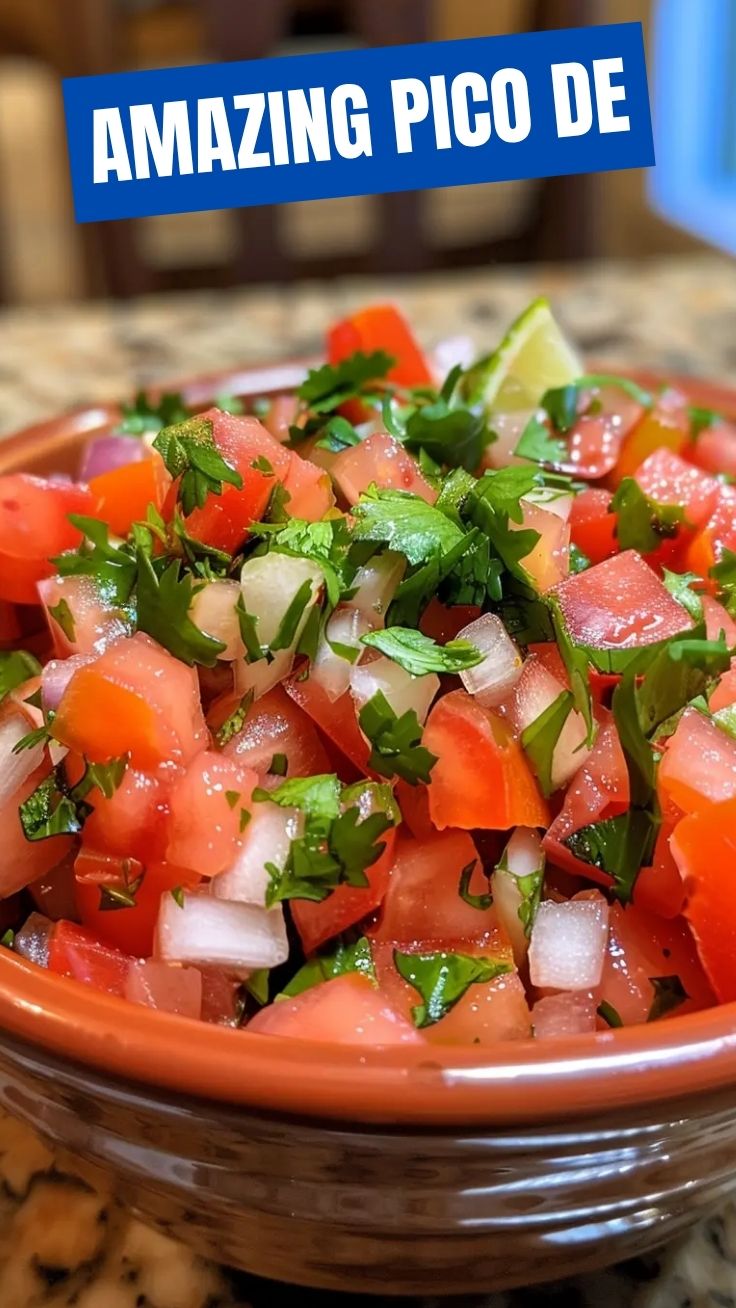
– Prep time: 15 minutes
– Resting time: 10–30 minutes (optional but recommended for flavors to meld)
– Total time: 25–45 minutes
This recipe requires no cooking at all. The resting period allows the lime juice and salt to lightly pickle the onion and tomatoes, creating a more cohesive salsa. Plan ahead: while the Pico de Gallo rests, you can prepare tacos, grill chicken, or toast chips.
Step-by-Step Instructions
1. Dice the tomatoes. Cut each Roma in half lengthwise, remove the core and seeds (use a spoon to scoop them out). Dice into ¼-inch cubes. Place in a mixing bowl.
2. Finely dice the onion – aim for pieces no larger than the tomato cubes. Add to the bowl.
3. Mince the jalapeño – remove seeds and white membranes for less heat. Add to the bowl.
4. Chop fresh cilantro – include tender stems for more flavor. Add to the bowl.
5. Squeeze fresh lime juice – roll the lime on the counter first to release juices. Pour over the vegetables.
6. Season with salt – start with ½ teaspoon, then adjust after resting.
7. Stir everything together until evenly combined. Taste and adjust salt or lime.
8. Let it rest for at least 10 minutes at room temperature (or up to 30 minutes). This allows the Pico de Gallo to marry its flavors and the salsa fresca to develop a more balanced taste.
9. Serve with tortilla chips, over tacos, or as a topping for grilled meats.
Pro tip: For the best texture, don’t over-chop. You want distinct chunks, not a mush. If the salsa looks watery after resting, drain off excess liquid before serving.
Nutritional Benefits & Advantages
This fresh salsa is a powerhouse of nutrition. Tomatoes provide lycopene (a powerful antioxidant linked to heart health) and vitamin C. Onions offer quercetin and prebiotic fiber. Cilantro contains immune-boosting flavonoids and may aid heavy metal detoxification. Jalapeños add capsaicin, which can boost metabolism and reduce inflammation. Lime juice provides a burst of vitamin C without added sugar.
Compared to store-bought salsas, homemade Pico de Gallo is lower in sodium (you control the salt) and free from preservatives, artificial flavors, and high-fructose corn syrup. It’s naturally vegan, gluten-free, and dairy-free, making it suitable for almost any diet.
Tips Variations & Cooking Advice
– Flavor variations:
– Add diced mango or pineapple for a sweet-savory twist.
– Mix in roasted corn kernels for a smoky, sweet crunch.
– Stir in black beans for added protein and fiber.
– Ingredient swaps:
– Replace white onion with red onion or shallots.
– Substitute serrano peppers for jalapeño if you want more heat.
– Use cherry tomatoes (halved) for a sweeter, less watery result.
– Texture adjustments: For a smoother consistency, pulse half the ingredients briefly in a food processor, then fold back into the chunky mix.
– Dietary adaptations: Already vegan and gluten-free. For a low-FODMAP version, use green onions instead of white onion and omit garlic.
Common Mistakes to Avoid
– Using mealy tomatoes. Overripe or refrigerated tomatoes become mushy. Always choose firm, in-season Roma tomatoes.
– Skipping the resting time. Without resting, the flavors remain separate and the onion stays harsh. Give it at least 10 minutes.
– Over-salting early. Salt draws out liquid, making the salsa watery. Add half the salt initially, then adjust after resting.
– Chopping ingredients unevenly. Large onion pieces overpower delicate tomato cubes. Keep sizes uniform (¼ inch).
– Adding too much lime. Acid can overwhelm the other flavors. Start with 2 tablespoons and taste.
Storage & Meal Prep Tips
– Refrigeration: Store Pico de Gallo in an airtight container for up to 3 days. The texture softens over time, so it’s best eaten within 24 hours.
– Freezing: Not recommended. Frozen tomatoes become watery and mushy upon thawing; the salsa loses its signature crunch.
– Meal prep shortcut: Dice tomatoes and onion separately up to 2 days ahead. Store in the fridge, then combine with lime juice, cilantro, and salt just before serving.
– Reviving leftovers: If the salsa has become watery, drain off excess liquid and add a pinch of salt and fresh lime juice to refresh flavors.
Conclusion
Making your own chunky, garden-fresh Pico de Gallo is one of the simplest and most rewarding kitchen skills you can learn. With just a handful of fresh ingredients and 15 minutes of chopping, you’ll have a vibrant condiment that outshines any store-bought version. Whether you call it by its classic name or refer to it as salsa fresca, this recipe delivers bright acidity, gentle heat, and satisfying crunch every time. We encourage you to try it tonight—pair it with tacos, grilled fish, or simply a bowl of warm tortilla chips. Share your results in the comments or tag us in your photos. Happy chopping!
FAQs
1. Can I use canned tomatoes for Pico de Gallo?
Fresh tomatoes are essential for the chunky texture and bright flavor. Canned tomatoes are cooked and too soft; they will turn the salsa into a sauce.
2. How do I make it less spicy?
Remove all seeds and white membranes from the jalapeño. You can also substitute with a small green bell pepper for zero heat.
3. Why is my Pico de Gallo watery?
Usually from over-ripe tomatoes or adding salt too early. Use firm Roma tomatoes, and salt only after dicing. Let the salsa rest and drain any excess liquid before serving.
4. Can I add garlic?
Yes, one small clove minced is a common variation. However, traditional Pico de Gallo omits garlic to keep the flavors clean and fresh.
5. How long does Pico de Gallo last in the fridge?
Up to 3 days, but it’s best within 24 hours. After that, the texture softens and the onion may become too pungent. Always store in an airtight container.
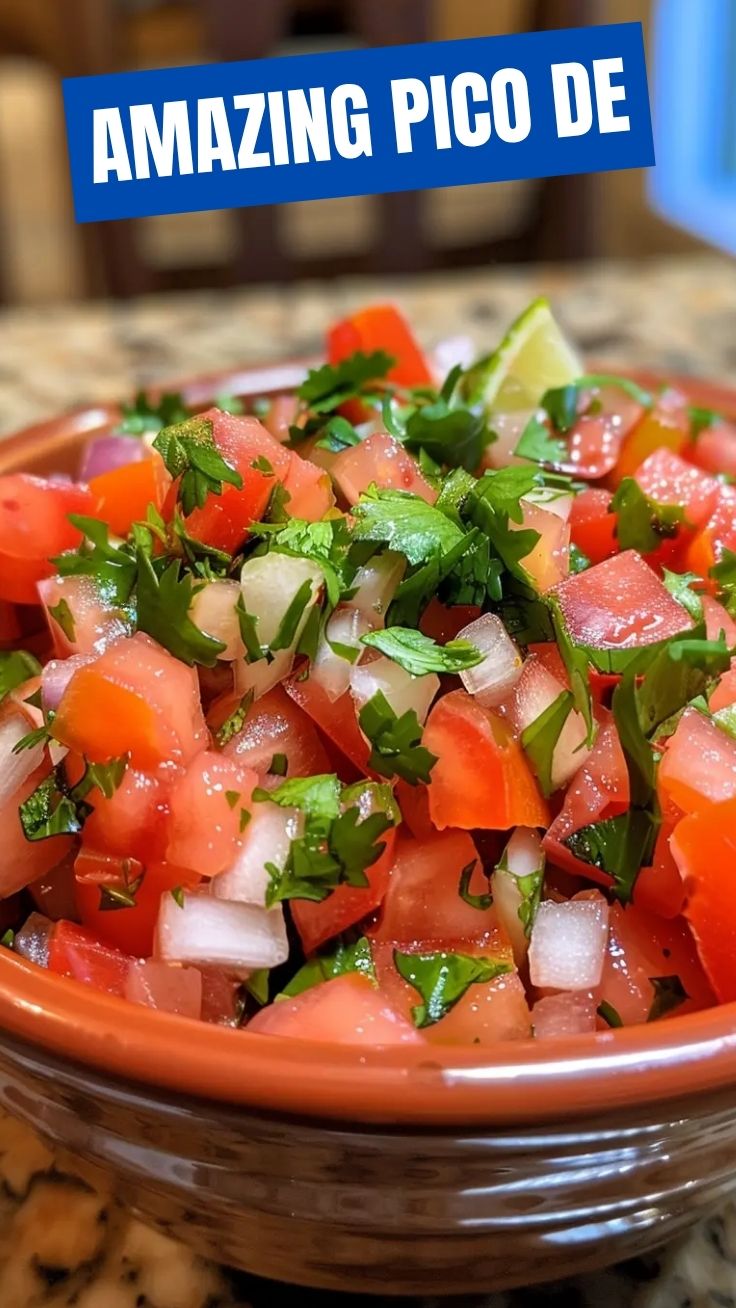
Pico de Gallo
Ingredients
Equipment
Method
- Finely dice the tomatoes, onion, and jalapeño, and roughly chop the fresh cilantro.
- Combine all the diced ingredients in a medium-sized bowl.
- Add lime juice and salt to the mixture, then stir everything together until well combined.
- Taste and adjust seasoning as needed, allowing the flavors to meld for at least 10 minutes before serving for best results.