Why This Salsa Will Change the Way You Think About Fresh Cooking
Have you ever wondered why restaurant Salsa tastes so vibrant and addictive, yet your homemade versions often fall flat? The secret isn’t a magic ingredient—it’s understanding how texture, acidity, and timing work together. Preparing this salsa at home isn’t just about saving money; it’s about controlling every flavor note, from the brightness of fresh lime to the gentle heat of jalapeño. When you master this recipe, you unlock a versatile condiment that transforms tacos, eggs, grilled meats, and even salads. And unlike the hurried pace of modern life, making salsa invites you to slow down, chop mindfully, and taste as you go—a small but valuable ritual. This fresh salsa delivers restaurant-quality results in under 15 minutes, using ingredients you can find at any grocery store.
—
Ingredients & Kitchen Tools
Ingredients:
– 6 medium Roma tomatoes – Look for deep red, firm tomatoes; they provide the best sweetness and low water content.
– 1 medium white onion – Red onion works too, but white offers cleaner heat.
– 2–3 fresh jalapeños – Remove seeds for milder heat; leave some for more kick.
– 1/2 cup fresh cilantro – Use only leaves and tender stems; avoid thick stalks.
– 2 cloves garlic – Fresh is non-negotiable; skip pre-minced jarred garlic.
– Juice of 2 limes – Bottled juice won’t replicate the bright acidity.
– 1 teaspoon sea salt – Start with this, adjust later.
– 1/2 teaspoon ground cumin – Optional but adds earthy depth.
Kitchen Tools:
– Chef’s knife and cutting board
– Large mixing bowl
– Fine-mesh strainer (optional, to drain tomato juice)
– Lime juicer or reamer
– Measuring spoons
– Food processor or molcajete (stone mortar) for authentic texture
Optional Substitutions:
– No fresh tomatoes? Use fire-roasted canned tomatoes (drained).
– Need less heat? Replace jalapeño with 1/4 cup diced bell pepper.
– No cilantro? Substitute fresh parsley or omit entirely.
—
Prep Time & Cooking Schedule
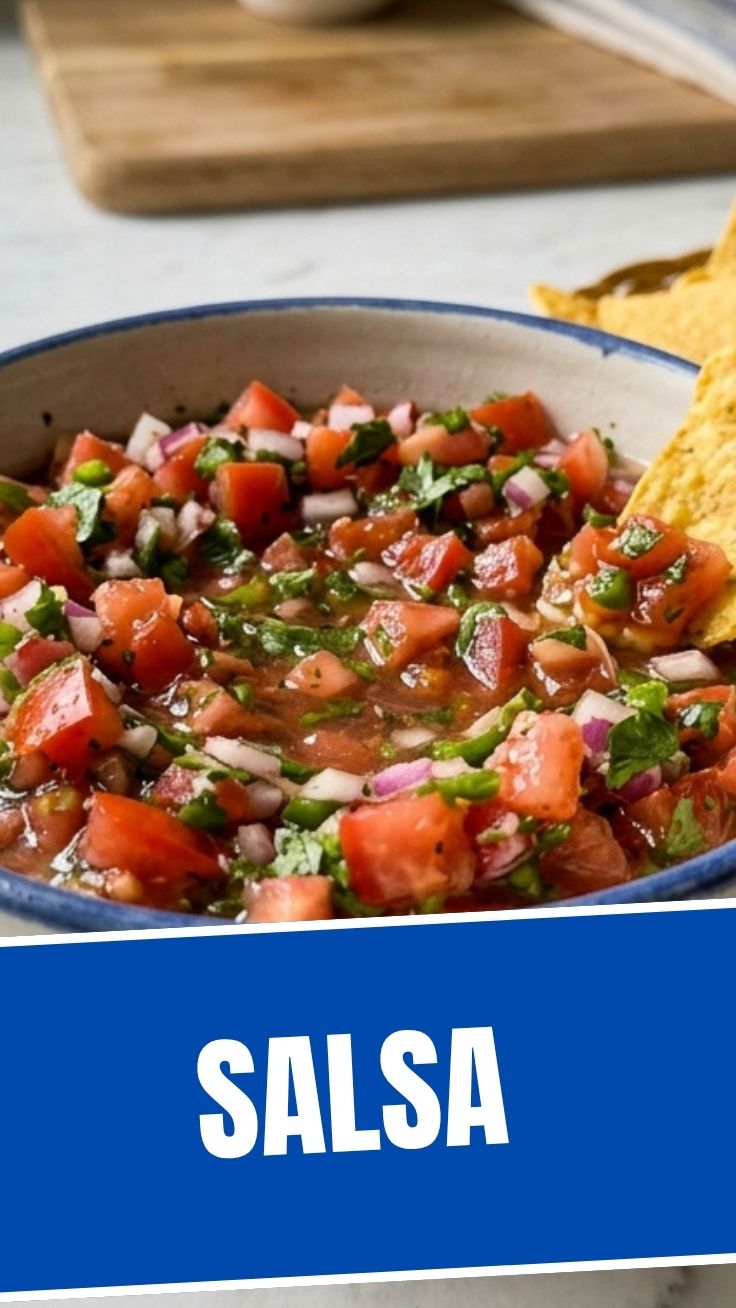
– Prep Time: 15 minutes
– Resting Time: 30 minutes (optional but recommended for flavor melding)
– Total Time: 15 minutes (active) + 30 minutes (inactive)
– Notes: No cooking required! This is a raw salsa that benefits from resting. If you’re in a rush, serve immediately—but the flavors intensify after 30 minutes at room temperature. Perfect for meal prepping on Sunday for weekday tacos.
—
Step-by-Step Instructions
1. Prepare your workspace – Wash all produce thoroughly. Halve the Roma tomatoes and remove the core. If you prefer a thicker salsa, gently squeeze out the seeds and excess liquid over the sink (discard the liquid).
2. Rough chop – Dice the onion into 1/4-inch pieces. Finely mince the garlic. Seed and mince the jalapeños. Chop the cilantro leaves and tender stems.
3. Combine in bowl – Add all chopped ingredients to a large mixing bowl. Squeeze the lime juice evenly over the top.
4. Season and stir – Sprinkle the sea salt and cumin. Stir vigorously with a spoon for 30 seconds to break down the tomatoes slightly and release their juices.
5. Adjust texture – Taste your Salsa. For a chunkier finish, stop here. For a smoother, more uniform texture, transfer half the mixture to a food processor and pulse 3–4 times, then fold back into the chunky half.
6. Rest and serve – Let the salsa rest 30 minutes at room temperature (cover with plastic wrap). During this time, the salt draws moisture from the tomatoes, creating a light, flavorful liquid. Pair with chips, or use it to top grilled chicken. After dinner, why not try some Salsa dancing to work off those calories?
Temperature Control Tip: This is a raw dish, so serving temperature matters. Chilled salsa loses aroma; serve at room temperature (70°F–75°F) for maximum flavor release.
—
Nutritional Benefits & Advantages
This fresh salsa is a nutritional powerhouse. Tomatoes deliver lycopene, a potent antioxidant linked to heart health and reduced inflammation—and cooking tomatoes increases lycopene absorption, but raw versions preserve more vitamin C. Onions and garlic contain prebiotic fibers that feed gut-friendly bacteria. Cilantro is rich in vitamins A, C, and K, while jalapeños provide capsaicin, which may boost metabolism slightly. A typical 1/2-cup serving has only 25–30 calories, zero fat, and ample fiber. This salsa is naturally vegan, gluten-free, dairy-free, and low-carb, making it ideal for Whole30, keto, or paleo diets.
—
Tips Variations & Cooking Advice
– Roasted Salsa Variation – Broil the tomatoes, onion, and jalapeños at 400°F for 10 minutes until charred. Cool slightly, then proceed. This adds smoky complexity.
– Mango Salsa – Swap half the tomatoes for diced mango for a sweet, tropical twist.
– Herb Swap – Use basil or mint instead of cilantro for a Mediterranean spin.
– Acid Adjustments – If salsa tastes flat, add another squeeze of lime—acidity brightens all flavors.
– Salt Strategy – Use kosher or sea salt; table salt contains anti-caking agents that can taste metallic.
—
Common Mistakes to Avoid
– Using overripe, mushy tomatoes – They create watery, bland salsa. Opt for firm, vine-ripened Roma tomatoes.
– Adding too much garlic – Raw garlic intensifies over time. Start with 1 clove; you can always add more.
– Chopping ingredients inconsistently – Uneven pieces mean every bite tastes different. Aim for uniform 1/4-inch dice.
– Skipping the resting step – Freshly made salsa lacks depth. Waiting 30 minutes allows ingredients to marry.
– Storing with lime seeds – Lime seeds add bitterness. Strain your lime juice or use a juicer.
—
Storage & Meal Prep Tips
Refrigeration: Store in an airtight container for up to 5 days. The flavor peaks on days 1–2, then slowly fades. Freezing: Salsa freezes well for up to 3 months (freeze in zip-top bags laid flat). Thaw overnight in the fridge. Texture note: Frozen salsa will release more water upon thawing; drain excess liquid and stir before serving. Reheating: Not recommended for raw salsa—serve cold or at room temperature. If using in cooked dishes (e.g., scrambled eggs), add directly to the pan; the heat will warm it naturally.
—
Conclusion
This fresh salsa proves that simple ingredients, treated with care, create something extraordinary. By mastering the balance of acidity, salt, and texture, you’ve learned a skill that applies to countless other dishes. Whether you enjoy it on tacos, as a dip for chips, or stirred into quinoa bowls, homemade salsa is a gift you give yourself. Remember, the key is tasting as you go—your palate is the best guide. Now go make a batch, share it with friends, and if you’re feeling energetic, dance it off with some Salsa dancing afterward! And if you loved this Salsa, explore our guide to homemade guacamole or fire-roasted enchilada sauce for more fresh inspiration.
—
FAQs
1. Can I use canned tomatoes instead of fresh? Yes—drain fire-roasted diced tomatoes thoroughly (reserve liquid for soups). Add 1/2 teaspoon of sugar to mimic fresh tomato sweetness.
2. How do I make salsa less watery? Remove the seeds and jelly-like core from tomatoes before chopping. Alternatively, let the salsa sit in a fine-mesh strainer for 10 minutes before serving.
3. Why does my salsa taste bitter? Bitterness usually comes from too much raw garlic or over-chopped cilantro stems. Remove cilantro leaves from thick stalks and start with half the garlic.
4. Can I make this salsa ahead for a party? Absolutely—salsa tastes best after 30 minutes of resting. Make it 2–4 hours ahead and refrigerate; remove from fridge 15 minutes before serving to bring back flavor.
5. What’s the best chip to serve with this salsa? Thick, sturdy tortilla chips (like restaurant-style) hold up best. Thin chips break easily with chunky salsa.
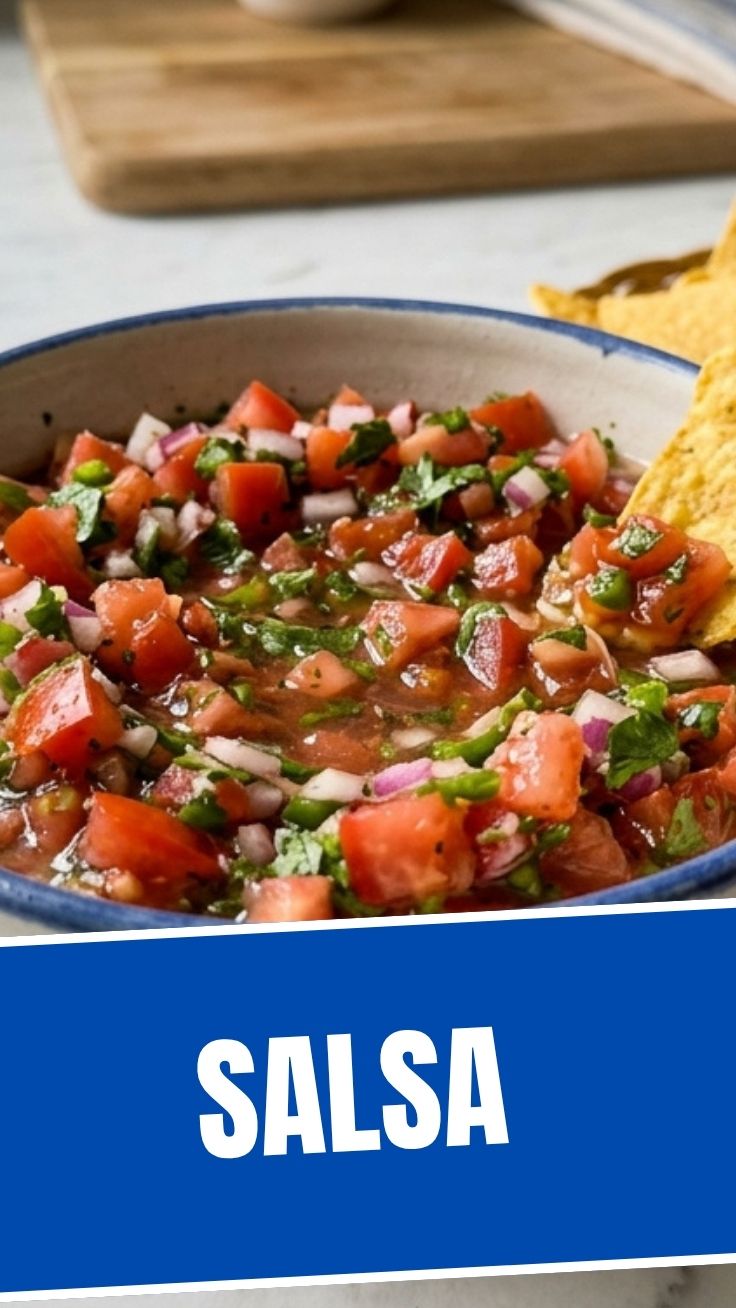
Best way to grow Salsa: 5 Proven Tips
Ingredients
Equipment
Method
- Choose a sunny location in your garden that receives at least 6-8 hours of direct sunlight daily for optimal growth of salsa ingredients.
- Prepare your soil by enriching it with organic compost or a balanced fertilizer, ensuring it is well-draining and fertile.
- Select high-quality seeds or seedlings for tomatoes, jalapeños, onions, and cilantro, opting for varieties known to thrive in your local climate.
- Plant tomato and jalapeño seedlings after the last frost, providing adequate spacing for mature growth and potential staking for tomatoes.
- Sow onion and cilantro seeds directly into the prepared soil, following package instructions for depth and spacing.
- Water thoroughly after planting to help establish the roots.
- Water your plants consistently, especially during dry periods, aiming for deep watering to encourage strong root development.
- Fertilize regularly with an organic, balanced fertilizer according to package directions to support healthy growth and fruit production.
- Monitor for pests and diseases, addressing any issues promptly with organic solutions if possible.
- Harvest tomatoes when they are fully ripe and firm, and pick jalapeños when they reach their desired size and color.
- Harvest cilantro leaves as needed by snipping off the outer stems, and pull onions when their tops begin to yellow and fall over.
- Enjoy your fresh, homegrown ingredients in your favorite salsa recipe!