The Ultimate Guide to Perfect Shrimp Scampi: A Restaurant-Worthy Dish at Home
Have you ever wondered why the garlicky, buttery Shrimp Scampi you order at Italian restaurants tastes so impossibly luxurious, yet seems deceptively simple? The secret lies not in complex techniques, but in mastering a few fundamental principles of heat control and emulsion. Preparing this iconic dish at home isn’t just about saving money—it’s about taking control of the quality, tailoring the flavors to your palate, and impressing your dinner guests with a meal that tastes like it came from a five-star kitchen. This comprehensive guide will walk you through every nuance, from selecting the perfect shrimp to creating that glossy, restaurant-quality Lemon Butter Sauce that clings to every strand of pasta. Let’s demystify this classic.
Ingredients & Kitchen Tools
For the Shrimp & Pasta:
– 1 lb large shrimp (16-20 count): Peeled and deveined, with tails on for presentation or off for easier eating. Wild-caught is preferred for flavor.
– 12 oz linguine or spaghetti: The traditional choice, but any long pasta works. Gluten-free versions are viable.
– 4 tbsp unsalted butter (divided): Clarified butter works for a nuttier flavor.
– 3 tbsp extra-virgin olive oil: Use a good quality one for finishing.
– 6 cloves garlic (thinly sliced): Avoid mincing too finely, as it burns faster.
– ½ cup dry white wine: Pinot Grigio or Sauvignon Blanc are ideal. Substitute with chicken broth for non-alcoholic.
– ¼ cup fresh lemon juice: From 2-3 lemons. Avoid bottled juice.
– ½ cup reserved pasta water: Starchy water is the key to a silky sauce.
– ¼ cup fresh parsley (chopped): Flat-leaf is best.
– Red pepper flakes (¼ tsp): Optional for heat.
– Salt and black pepper to taste.
Kitchen Tools:
– Large pot for pasta
– Large skillet or sauté pan (12-inch wide)
– Colander
– Microplane or zester
– Sharp chef’s knife
– Tongs
– Measuring cups and spoons
Prep Time & Cooking Schedule
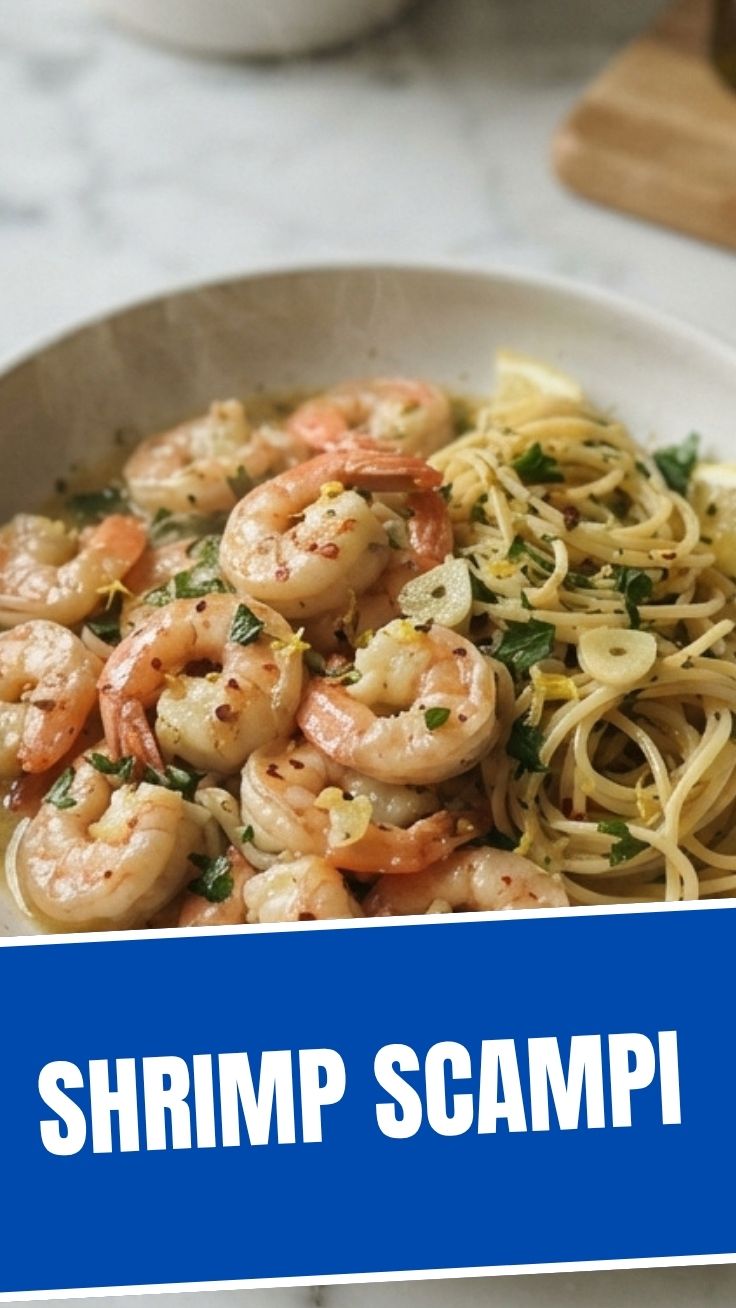
– Prep Time: 20 minutes (deveining, mincing garlic, juicing lemons, chopping parsley)
– Cook Time: 15 minutes
– Total Time: 35 minutes
– Key to Planning: Begin boiling your pasta water first. The shrimp cooking process takes only 10 minutes total, so you want your pasta almost ready when you start the scampi sauce. Do not drain the pasta fully—reserve that starchy liquid.
Step-by-Step Instructions
1. Prep the Shrimp (5 min): Pat the shrimp completely dry with paper towels. Season generously with salt and a pinch of black pepper. Dry shrimp are essential for a proper sear; moisture leads to steaming.
2. Boil the Pasta (10-12 min): Cook the linguine in salted boiling water (it should taste like the sea) until 1 minute shy of al dente. Reserve 1 cup of pasta water right before draining. Do not rinse the pasta; you want the starch.
3. Sear the Shrimp (3-4 min): In your large skillet, heat 2 tbsp butter and 2 tbsp olive oil over medium-high heat until shimmering but not smoking. Add the shrimp in a single layer—do not crowd the pan. Cook for 90 seconds per side until pink and opaque with light golden-brown spots. Remove shrimp to a plate. This creates the foundation for the Shrimp Scampi flavor profile. Here’s where we ensure the Lemon Butter Sauce concept comes to life.
4. Build the Sauce (3 min): Reduce heat to medium. Add the remaining 2 tbsp butter and garlic slices. Cook for 30-45 seconds until fragrant, stirring constantly. Do not let garlic brown, or it will become bitter.
5. Deglaze (1 min): Pour in the white wine and lemon juice. Increase heat to high and scrape up any brown bits from the bottom of the pan (this is flavor). Let it simmer for 2 minutes until reduced by half and slightly syrupy.
6. Finish the Pasta (1-2 min): Add the drained pasta and ½ cup of reserved pasta water to the skillet. Toss vigorously for 1 minute until the sauce emulsifies and coats the pasta. If too dry, add more pasta water a tablespoon at a time.
7. The Final Touch: Return the shrimp to the pan. Sprinkle with parsley and red pepper flakes. Toss just until heated through (about 30 seconds). Serve immediately, garnishing with lemon wedges.
Nutritional Benefits & Advantages
This dish offers surprising nutritional value despite its indulgent reputation. Shrimp is a lean protein source, providing about 20g of protein per 3-ounce serving with only 84 calories. It’s also rich in selenium (a powerful antioxidant) and vitamin B12. The olive oil contributes heart-healthy monounsaturated fats, while the garlic and lemon juice provide immune-boosting vitamin C and antimicrobial compounds. Using whole-wheat pasta can increase fiber content to 6g per serving. The moderate butter content is balanced by the lean protein and vegetables, making this a satisfying meal that fits a balanced Mediterranean-style diet.
Tips Variations & Cooking Advice
– Flavor Variation: Add 1 tsp of lemon zest during step 4 for intensified citrus aroma.
– Dietary Adaptation (Gluten-Free): Use zucchini noodles or chickpea pasta. Be careful not to overcook zucchini; add it directly to the sauce for just 2 minutes.
– Dairy-Free Version: Replace butter entirely with high-quality olive oil or vegan butter. The sauce will be lighter but still delicious.
– Protein Swap: Substitute shrimp with scallops or cubed chicken thighs (increased cooking time to 4-5 minutes per side).
– Extra Veggies: Add cherry tomatoes halved and fresh spinach in the final tossing step for added color and nutrients.
Common Mistakes to Avoid
– Overcooking the Shrimp: This is the #1 mistake. Shrimp cook in 3-4 minutes total. They should be just opaque in the center. Once they curl into a tight ‘C’ shape, they’re done. If they form an ‘O’ shape, they’re severely overcooked.
– Skipping the Pasta Water: Not using this starchy liquid is the main reason home cooks get a watery sauce instead of a glossy emulsion. It’s the binder.
– Crowding the Pan: Shrimp need space to sear. If you pile them in, they steam and release liquid, preventing any browning.
– Refreezing Shrimp: Once thawed, never refreeze raw shrimp. It degrades texture and creates a mushy result.
Storage & Meal Prep Tips
– Refrigeration: Store leftovers in an airtight container for up to 2 days. Note that the pasta will continue to absorb sauce and may become drier.
– Freezing: Not recommended for combined pasta and shrimp, as reheating will overcook both. However, you can freeze raw shrimp for up to 3 months in a sealed bag.
– Reheating: The best method is in a skillet over medium-low heat with a splash of lemon juice or chicken broth. Stir gently for 3-4 minutes until just heated through. Avoid microwaving, which toughens shrimp and makes pasta mushy.
– Meal Prep Strategy: Prep ingredients (clean shrimp, chop herbs, juice lemons) up to 1 day in advance. Store shrimp separately in the coldest part of your fridge. Cook the full dish fresh for best results.
Conclusion
Mastering Shrimp Scampi is truly a gateway to understanding core cooking principles—emulsion, heat management, and the importance of starchy pasta water. We’ve covered everything from perfectly searing shrimp to building a silky Lemon Butter Sauce that elevates the entire dish. The beauty of this recipe is its versatility: you can make it as a quick 20-minute weeknight dinner or dress it up with fresh herbs and crusty bread for a dinner party. Remember, the key is not to overcomplicate. Trust the process, taste as you go, and adjust acidity (lemon) and salt to your preference. We’d love to hear how yours turns out—share your creation in the comments below or tag us in your food photos! If you enjoyed this guide, explore our other classic Italian-American recipes for more kitchen confidence.
FAQs
1. Can I use frozen shrimp for this recipe?
Yes, but thaw them properly. Place them in a colander under cold running water for 5-7 minutes or refrigerate overnight. Pat extremely dry before cooking, as frozen shrimp release more water.
2. Why did my sauce turn out watery?
Usually, this happens for two reasons: (1) you didn’t let the wine reduction simmer long enough to concentrate its flavor, or (2) you added too much pasta water at once. Always add pasta water in small increments (2 tbsp at a time) and toss thoroughly between additions.
3. What if I don’t drink wine? Can I substitute it?
Absolutely. Use chicken broth, vegetable broth, or even clam juice. To compensate for the acidity from the wine, add an extra tablespoon of lemon juice. For a non-alcoholic wine substitute, use non-alcoholic white wine or a splash of white wine vinegar mixed with broth.
4. How can I make this spicier?
Increase the red pepper flakes to 1 tsp or add a finely chopped fresh chili (like serrano or Thai bird chili) along with the garlic. You can also finish with a drizzle of chili oil before serving.
5. Can I use pre-cooked shrimp to save time?
We strongly advise against it. Pre-cooked shrimp will become rubbery and tough during the brief reheat in the sauce. Raw shrimp cook so quickly (3-4 minutes) that there’s no time saved, and the flavor difference is significant.
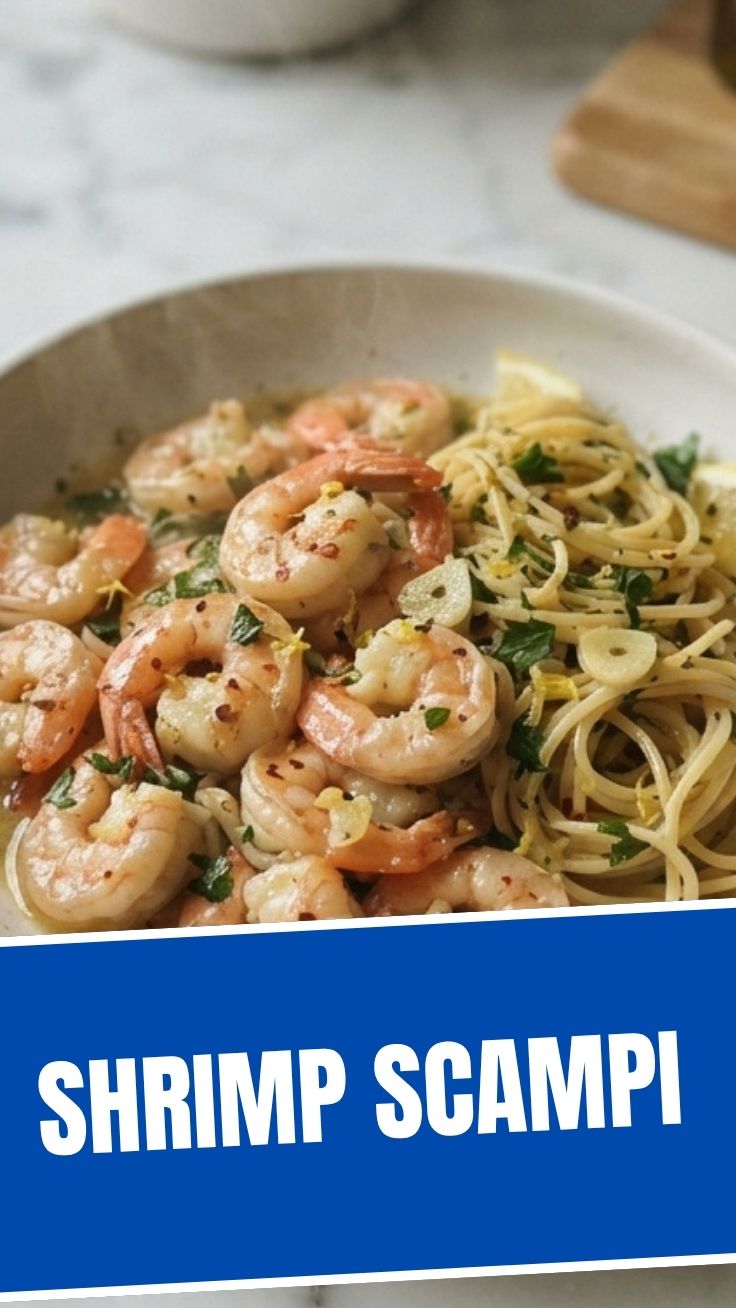
Best way to grow a perfect Shrimp Scampi in 30
Ingredients
Equipment
Method
- Cook pasta according to package directions; reserve 1/2 cup pasta water, then drain.
- While pasta cooks, pat shrimp dry and season with salt and pepper.
- Heat butter and olive oil in a large skillet over medium heat, then add garlic and red pepper flakes and cook until fragrant (about 1 minute).
- Add shrimp to the skillet and cook for 2-3 minutes per side, until pink and opaque.
- Remove shrimp from the skillet and set aside, then add white wine or broth to the skillet and bring to a simmer, scraping up any browned bits.
- Stir in lemon juice and reserved pasta water, then return shrimp and pasta to the skillet.
- Toss everything together to combine, then stir in fresh parsley and season with additional salt and pepper to taste.