Unlock Southern Comfort: The Ultimate Skillet Cornbread Recipe
Ever wondered how to capture that quintessential taste of Southern comfort food right in your own kitchen? Look no further! Mastering a truly delicious Cornbread is easier than you think, and its homemade warmth is unmatched. This blog post will guide you through creating a perfect, golden-crusted skillet cornbread that’s both moist and flavorful. Preparing this classic at home offers unparalleled freshness and allows you to customize it to your exact preferences, ensuring every bite is pure joy. We’ll delve into all the details, from ingredients to baking techniques, so you can confidently create the best cornbread recipe your family has ever tasted.
Ingredients & Kitchen Tools
Here’s what you’ll need to create this comforting delight. Each item plays a crucial role in achieving that perfect texture and flavor.
- 1 ½ cups Yellow Cornmeal: Essential for authentic cornbread texture and flavor. Use fine or medium grind.
- 1 cup All-Purpose Flour: Provides structure and helps create a less crumbly texture. You can substitute with gluten-free all-purpose flour.
- ¼ cup Granulated Sugar: Balances the savory notes and adds a hint of sweetness. Adjust to your preference.
- 1 tablespoon Baking Powder: The primary leavening agent, ensuring a light and airy crumb.
- ½ teaspoon Baking Soda: Reacts with buttermilk for extra rise and tenderness.
- ½ teaspoon Salt: Enhances all the flavors.
- 1 ½ cups Buttermilk: Adds tanginess and moisture, crucial for activation of baking soda. If you don’t have buttermilk, add 1 tablespoon of lemon juice or white vinegar to regular milk and let it sit for 5 minutes.
- ½ cup Unsalted Butter, melted: Infuses rich flavor and keeps the cornbread moist.
- 2 large Eggs: Binds the ingredients and adds richness.
- 2 tablespoons Vegetable Oil (or bacon fat): For greasing the skillet and creating a crispy crust.
- 9-10 inch Cast Iron Skillet: Ideal for achieving an incredibly crispy, golden-brown crust. A heavy oven-safe baking dish can be used as an alternative.
- Large Mixing Bowls (2): One for dry ingredients, one for wet.
- Whisk: For combining ingredients smoothly.
- Spatula: For mixing and scraping bowls.
- Oven Mitts: For handling the hot skillet.
Prep Time & Cooking Schedule
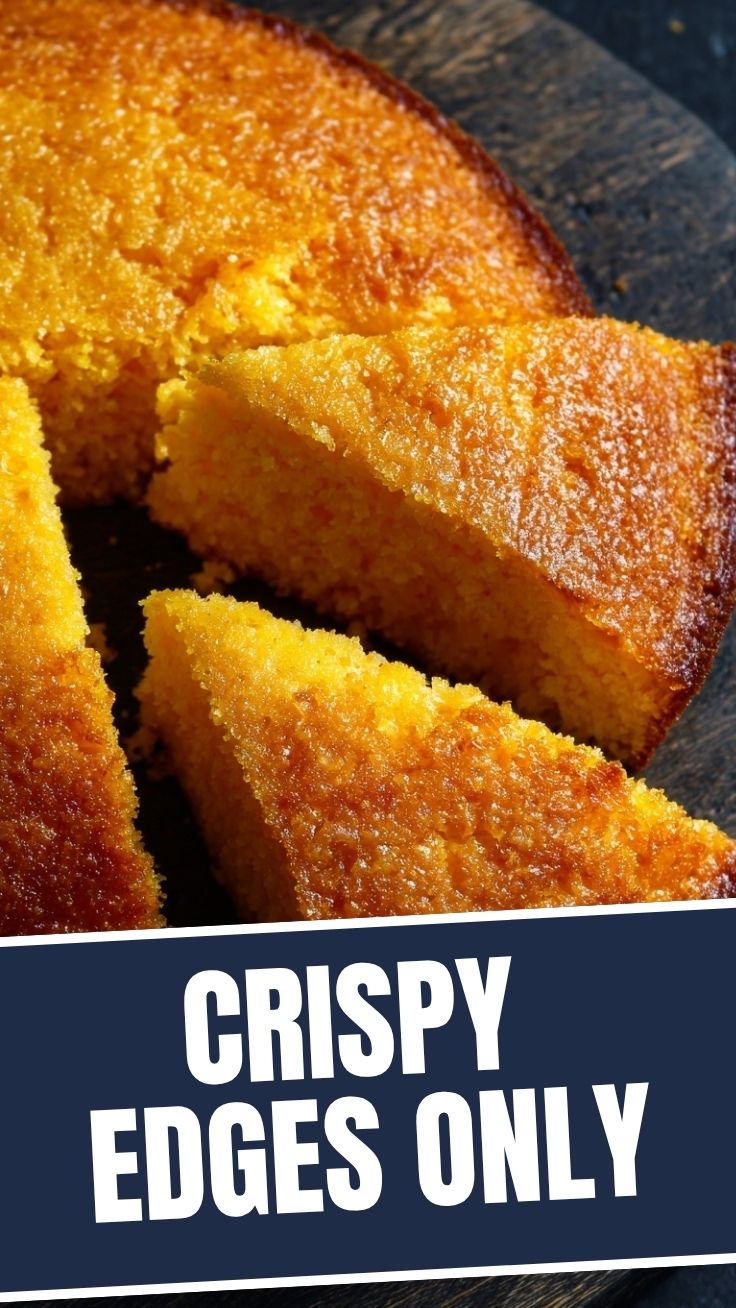
This Cornbread comes together quickly, making it perfect for a weeknight side dish or a weekend brunch.
- Prep Time: 10 minutes
- Cook Time: 20-25 minutes
- Resting Time: 5-10 minutes (allows it to set and makes for easier slicing)
Preheat your oven and skillet while you mix the batter to ensure that signature crispy crust. The total time from start to finish is under an hour, so you can enjoy this warm treat without a long wait!
Step-by-Step Instructions
Follow these simple steps for a perfect skillet Cornbread. Achieving that golden crust and tender interior starts with proper technique!
1. Preheat Oven & Skillet: Preheat your oven to 400°F (200°C). Place your cast iron skillet (or oven-safe baking dish) with 2 tablespoons of vegetable oil or bacon fat into the oven while it preheats. This crucial step ensures a wonderfully crispy bottom.
2. Combine Dry Ingredients: In a large mixing bowl, whisk together the cornmeal, all-purpose flour, granulated sugar, baking powder, baking soda, and salt. Make sure there are no lumps.
3. Combine Wet Ingredients: In a separate medium-sized bowl, whisk together the buttermilk, melted butter, and eggs until well combined.
4. Combine Wet and Dry: Pour the wet ingredients into the dry ingredients. Mix with a spatula just until combined. Be careful not to overmix; a few lumps are okay, as overmixing can lead to a tough cornbread.
5. Pour into Hot Skillet: Carefully remove the hot skillet from the oven. Swirl the hot oil around to coat the bottom and sides thoroughly. Pour the batter into the hot skillet. You should hear a slight sizzle – this is normal and contributes to the crust!
6. Bake: Place the skillet back into the preheated oven and bake for 20-25 minutes, or until the top is golden brown and a wooden skewer inserted into the center comes out clean.
7. Cool Slightly: Once baked, remove the skillet from the oven. Let the cornbread recipe cool in the skillet for about 5-10 minutes before slicing and serving. This resting time helps it firm up and prevents crumbling.
Nutritional Benefits & Advantages
Beyond its comforting taste, Cornbread offers several nutritional advantages. Cornmeal, the star ingredient, is a good source of dietary fiber, which aids digestion and can help regulate blood sugar levels. It also provides essential minerals like iron, magnesium, and phosphorus. When made with buttermilk, it contributes probiotics, beneficial for gut health. Opting for homemade cornbread allows you to control sugar and fat content, making it a healthier alternative to many store-bought options. It’s a satisfying and versatile dish that can complement a variety of meals, providing sustained energy.
Tips, Variations & Cooking Advice
- Spice It Up: Add a diced jalapeño and shredded cheddar cheese to the batter for a savory, spicy kick.
- Sweet Variations: For a sweeter Cornbread, increase the sugar to ½ cup. You can also mix in 1/2 cup of fresh or frozen (thawed) corn kernels for added texture and sweetness.
- Gluten-Free: Substitute all-purpose flour with a 1:1 gluten-free baking flour blend.
- Dairy-Free: Use a dairy-free milk alternative (like almond or oat milk) mixed with 1 tablespoon of apple cider vinegar for a buttermilk substitute, and use vegan butter.
- Bacon Fat Bliss: Using rendered bacon fat instead of vegetable oil in the skillet and even in the batter adds an incredible depth of smoky flavor.
- Muffin Pan: This batter can also be baked in a muffin tin for individual cornbread muffins. Reduce baking time to 15-20 minutes.
Common Mistakes to Avoid
- Overmixing: This develops the gluten in the flour, leading to a tough and chewy Cornbread. Mix just until the ingredients are combined.
- Cold Skillet: Pouring batter into a cold skillet will result in a soft, pale bottom crust rather than the desired crispy, golden one. Always preheat your skillet.
- Incorrect Oven Temperature: An oven that’s too cool won’t allow the cornbread to rise properly and can make it dry. Too hot, and it will burn on the outside before cooking through. Use an oven thermometer to ensure accuracy.
- Not Enough Fat in Skillet: A well-greased, hot skillet prevents sticking and ensures that beautiful crust. Don’t skimp on the oil!
- Cutting Too Soon: While tempting, letting it rest for a few minutes allows the structure to set, preventing crumbling.
Storage & Meal Prep Tips
Leftover Cornbread stores well and can be a great addition to future meals.
- Refrigeration: Store cooled cornbread in an airtight container at room temperature for up to 2-3 days, or in the refrigerator for up to 5 days.
- Freezing: For longer storage, wrap slices tightly in plastic wrap, then aluminum foil, and place in a freezer-safe bag. It can be frozen for up to 3 months.
- Reheating: To reheat, you can warm slices in a toaster oven, microwave briefly (it might become softer), or wrap in foil and bake at 350°F (175°C) until warmed through.
- Meal Prep Uses: Leftover cornbread is fantastic crumbled into chili, used for cornbread dressing, or simply enjoyed with a pat of butter and honey for breakfast.
Conclusion
There you have it – a comprehensive guide to crafting the perfect skillet Cornbread, a true staple of Southern cooking. This recipe promises a golden, crispy crust and a tender, moist interior, making it an irresistible addition to any meal. By following these steps and incorporating our tips, you’re well on your way to becoming a cornbread connoisseur. We encourage you to try this amazing cornbread recipe at home and experience the joy of homemade comfort. Share your creations in the comments below, or explore our other recipes for more culinary adventures!
FAQs
Q1: Can I make cornbread without buttermilk?
A1: Yes! You can create a homemade buttermilk substitute by adding 1 tablespoon of lemon juice or white vinegar to 1 ½ cups of regular milk. Let it sit for 5-10 minutes until it slightly curdles.
Q2: My cornbread is dry. What went wrong?
A2: Dry cornbread is often a result of overbaking or overmixing the batter. Ensure you bake it just until a skewer comes out clean, and mix the wet and dry ingredients gently.
Q3: Can I add other mix-ins to the batter?
A3: Absolutely! Chopped cooked bacon, shredded cheese, diced bell peppers, or even a can of drained corn are great additions for extra flavor and texture.
Q4: What’s the best way to serve cornbread?
A4: Cornbread is fantastic served warm with a pat of butter, a drizzle of honey, alongside chili, stew, or any hearty Southern meal.
Q5: How do I get a really crispy crust on my cornbread?
A5: The key is preheating your cast iron skillet with oil in the oven. This creates a hot surface that cooks the bottom of the cornbread quickly, resulting in that desirable crispy, golden crust.
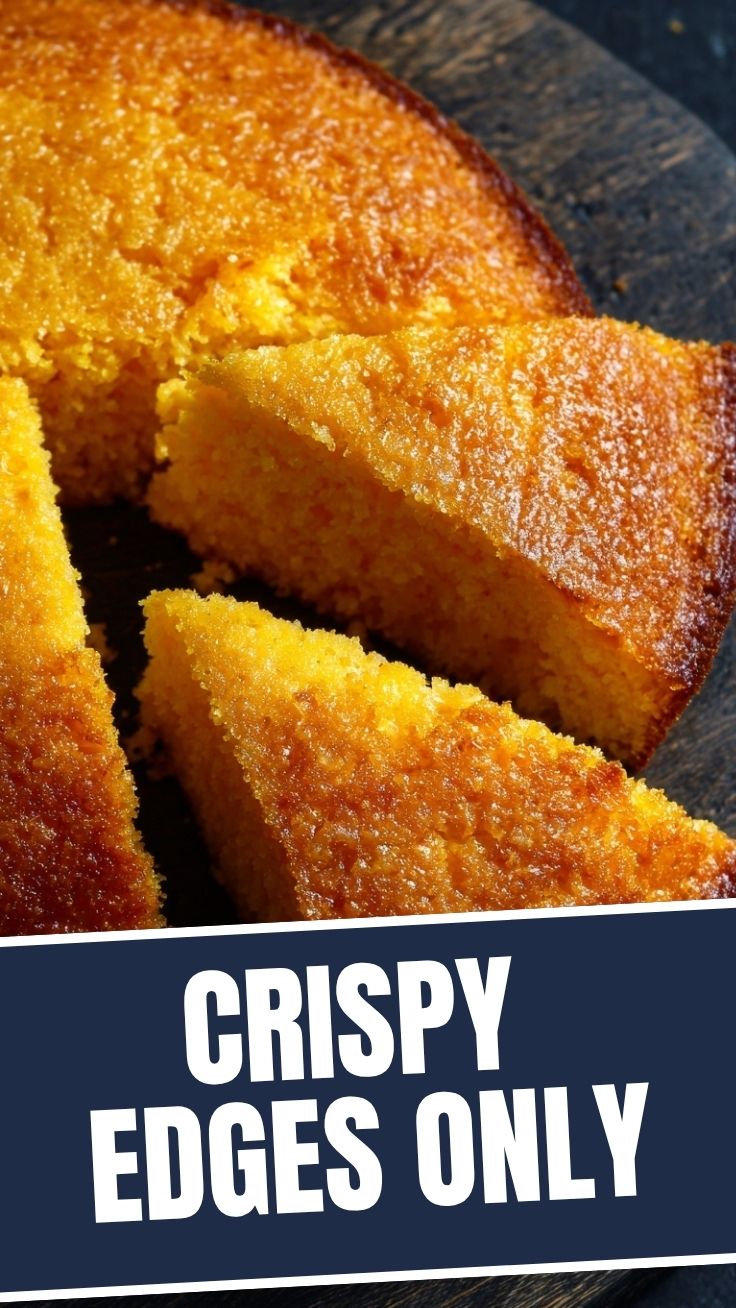
Best way to grow your Cornbread in just 3 steps. Cornbread
Ingredients
Equipment
Method
- Preheat your oven to 400°F (200°C) and lightly grease an 8x8 inch baking pan. In a large bowl, whisk together the cornmeal, flour, sugar, baking powder, and salt until well combined.
- In a separate medium bowl, whisk together the milk and egg. Pour the wet ingredients into the dry ingredients and mix until just combined; be careful not to overmix. Pour the batter into the prepared baking pan.
- Bake for 20-25 minutes, or until a toothpick inserted into the center comes out clean. Let the cornbread cool slightly before slicing and serving.