Bake Your Way to Bliss: The Ultimate Homemade White Bread Guide
Have you ever experienced that intoxicating aroma of freshly baked bread wafting through your home? It’s a sensory experience that transcends mere sustenance, evoking feelings of comfort, warmth, and pure culinary satisfaction. While store-bought options abound, there’s an undeniable magic in creating your own beautiful loaves. Today, we’re diving deep into the world of Homemade White Bread, a foundational skill for any aspiring baker. Mastering this simple yet rewarding recipe not only fills your kitchen with incredible smells but also provides you with control over ingredients and an immensely satisfying sense of accomplishment. Plus, we’ll guide you through making an Easy White Bread Recipe that even beginners can conquer.
Ingredients & Kitchen Tools
Crafting the perfect loaf requires just a few basic ingredients and tools. Here’s what you’ll need:
- All-Purpose Flour (6 cups): The backbone of our bread. Use unbleached for a slightly healthier option.
- Active Dry Yeast (2 ¼ teaspoons or 1 packet): The leavening agent that makes our bread rise. Ensure it’s fresh for optimal activity.
- Granulated Sugar (¼ cup): Feeds the yeast and adds a touch of sweetness, contributing to browning.
- Salt (2 teaspoons): Enhances flavor and regulates yeast activity. Don’t skip it!
- Warm Water (2 cups – 105-115°F / 40-46°C): Activates the yeast. Too hot will kill it, too cold won’t activate it.
- Unsalted Butter (¼ cup, melted): Adds richness, tenderness, and flavor.
- Mixing Bowls (Large & Medium): For combining ingredients and proofing.
- Measuring Cups & Spoons: For accurate ingredient measurement.
- Loaf Pans (2, 9×5 inch): Essential for shaping and baking your bread.
- Wire Rack: For cooling the bread to prevent sogginess.
- Kitchen Towel: For covering dough during proofing.
- Optional Substitutions: You can swap a small portion of all-purpose flour for whole wheat flour for added fiber, or use bread flour for a chewier texture.
Prep Time & Cooking Schedule
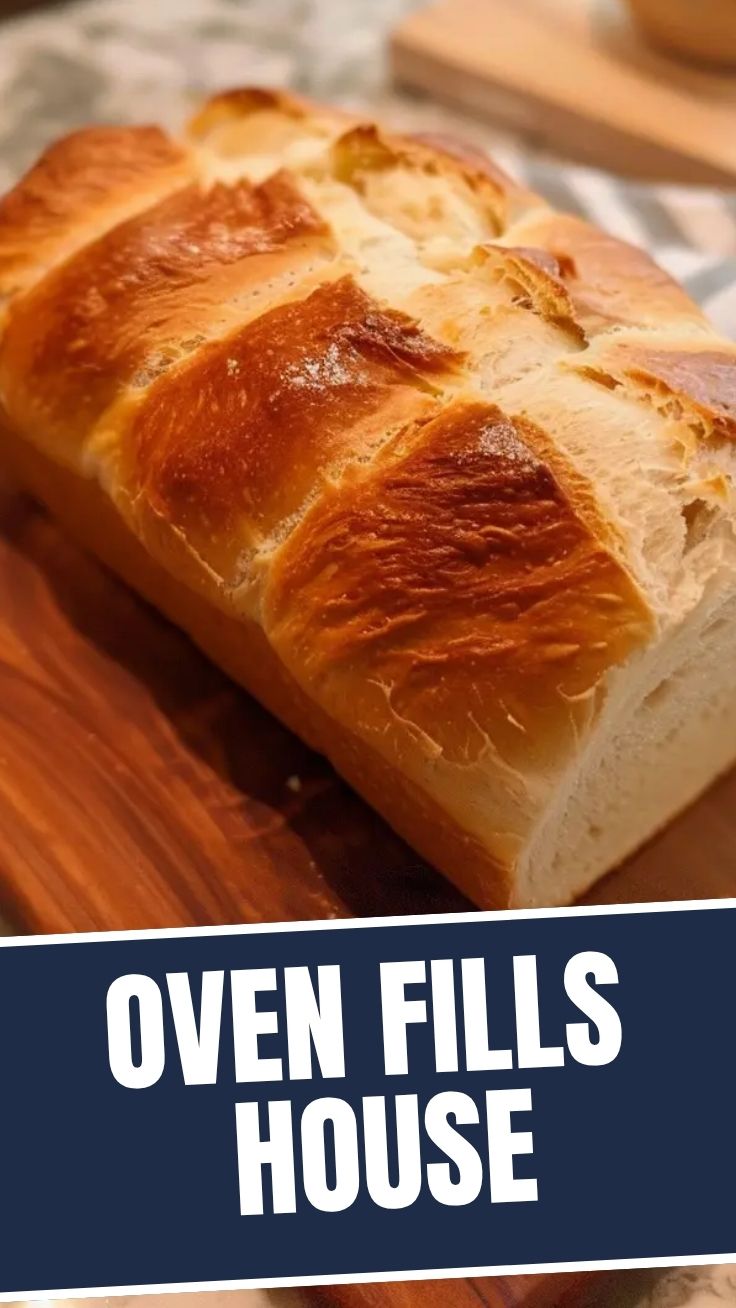
Achieving that perfect golden crust and fluffy interior requires patience, but the hands-on time is surprisingly minimal.
- Prep Time: 20 minutes (largely for mixing and kneading)
- Proofing Time (First Rise): 1-1.5 hours
- Proofing Time (Second Rise): 30-45 minutes
- Cook Time: 30-35 minutes
- Resting Time: 15-20 minutes before slicing
This schedule allows for a relaxed baking experience, making it perfect for a weekend project or even an afternoon bake. The multiple proofing stages are crucial for developing flavor and texture, so resist the urge to rush them!
Step-by-Step Instructions
Embark on your journey to creating an amazing Homemade White Bread with these clear steps:
1. Activate the Yeast: In a medium bowl, combine warm water, sugar, and yeast. Stir gently and let sit for 5-10 minutes until foamy. This indicates the yeast is active and ready to work its magic.
2. Combine Dry Ingredients: In a large mixing bowl, whisk together 3 cups of flour and salt.
3. Mix Wet and Dry: Pour the activated yeast mixture and melted butter into the dry ingredients. Mix with a spoon or a stand mixer with a dough hook until well combined.
4. Gradually Add Flour: Slowly add the remaining flour, ½ cup at a time, incorporating each addition thoroughly. The dough will become sticky at first, then come together.
5. Knead the Dough: Turn the dough out onto a lightly floured surface. Knead for 8-10 minutes until the dough is smooth and elastic. It should spring back when lightly poked. For those seeking an Easy White Bread Recipe, a stand mixer greatly simplifies this step.
6. First Rise: Place the kneaded dough in a lightly oiled bowl, turning once to coat. Cover the bowl with a clean kitchen towel and let it rise in a warm, draft-free place for 1-1.5 hours, or until doubled in size.
7. Shape the Loaves: Gently punch down the risen dough to deflate it. Divide the dough in half. On a lightly floured surface, shape each half into a loaf and place into greased 9×5 inch loaf pans.
8. Second Rise: Cover the loaf pans loosely with a kitchen towel and let them rise again for 30-45 minutes, or until nearly doubled in size. Preheat your oven to 375°F (190°C) during the last 15 minutes of this rise.
9. Bake: Bake for 30-35 minutes, or until golden brown on top and the internal temperature reaches 200-210°F (93-99°C). If the tops are browning too quickly, loosely tent with aluminum foil.
10. Cool: Remove the bread from the oven and immediately turn it out onto a wire rack to cool completely before slicing. This prevents the bottom from becoming soggy.
Nutritional Benefits & Advantages
Beyond the delightful taste and aroma, this classic includes whole grains from the flour which provide essential fiber that helps with digestion and promotes satiety. The baking process transforms simple ingredients into a nourishing food source. Making your own bread also allows you to control the amount of sugar and salt, avoiding the often-higher levels found in commercially produced breads. This can be particularly beneficial for those managing dietary restrictions or seeking to reduce processed food intake. The absence of preservatives and artificial additives is another significant advantage.
Tips, Variations & Cooking Advice
- Enhance Flavor: For an extra depth of flavor, add a tablespoon of milk powder to your dry ingredients, or brush the top with melted butter after baking for a softer crust.
- Herb Bread: Incorporate dried herbs like rosemary or thyme into the dough during kneading for a savory twist.
- Sweet Bread: Mix in raisins or dried cranberries and a sprinkle of cinnamon for a sweet, breakfast-friendly loaf.
- Gluten-Free Option: While this recipe isn’t gluten-free, there are many excellent gluten-free flour blends available. Remember that gluten-free dough will have a different texture and may require adjustments in water content.
- High Altitude Baking: If you’re baking at high altitudes, you may need to reduce the yeast slightly and increase the liquid a little.
Common Mistakes to Avoid
- Using cold water: Cold water won’t activate the yeast, leading to flat bread.
- Not kneading enough: Insufficient kneading results in a dense texture. Aim for a smooth, elastic dough.
- Over-proofing: Dough that rises too long can collapse in the oven, leading to a gassy, crumbly texture.
- Under-proofing: Not allowing enough rise time results in a dense, heavy loaf.
- Slicing hot bread: The internal structure is still setting as it cools. Slicing too early can lead to a gummy texture.
Storage & Meal Prep Tips
Your freshly baked Homemade White Bread is best enjoyed within 2-3 days at room temperature, stored in an airtight container or bread box. For longer storage, slice the cooled loaf and freeze the slices in a freezer-safe bag for up to 3 months. Thaw individual slices as needed in a toaster or microwave. This bread is excellent for sandwiches, toast, or as an accompaniment to soups and stews.
Conclusion
Baking your own Homemade White Bread is a truly rewarding experience, transforming simple ingredients into a comforting and versatile staple. By following this comprehensive guide and embracing the process, you’ll soon be enjoying warm, fragrant loaves that are far superior to anything store-bought. Remember, with a little practice, mastering an Easy White Bread Recipe becomes second nature! Don’t hesitate to give this recipe a try and share your baking triumphs in the comments below. Happy baking!
FAQs
Q1: My dough isn’t rising; what went wrong?
A1: The most common culprit is inactive yeast. Ensure your yeast is fresh and your water temperature is between 105-115°F (40-46°C).
Q2: Can I use instant yeast instead of active dry yeast?
A2: Yes, you can. Instant yeast can often be mixed directly with the dry ingredients without prior activation, and it generally rises a bit faster.
Q3: How do I know if my bread is fully baked?
A3: The crust should be golden brown, and when tapped on the bottom, it should sound hollow. An instant-read thermometer inserted into the center should register 200-210°F (93-99°C).
Q4: Can I make this bread by hand without a stand mixer?
A4: Absolutely! The kneading will take a bit more arm strength and time (around 10-15 minutes), but it’s very achievable and a great workout!
Q5: What’s the best way to get a really soft crust?
A5: For a softer crust, brush the top of the baked loaf with melted butter as soon as it comes out of the oven. You can also cover it with a clean kitchen towel while it cools.
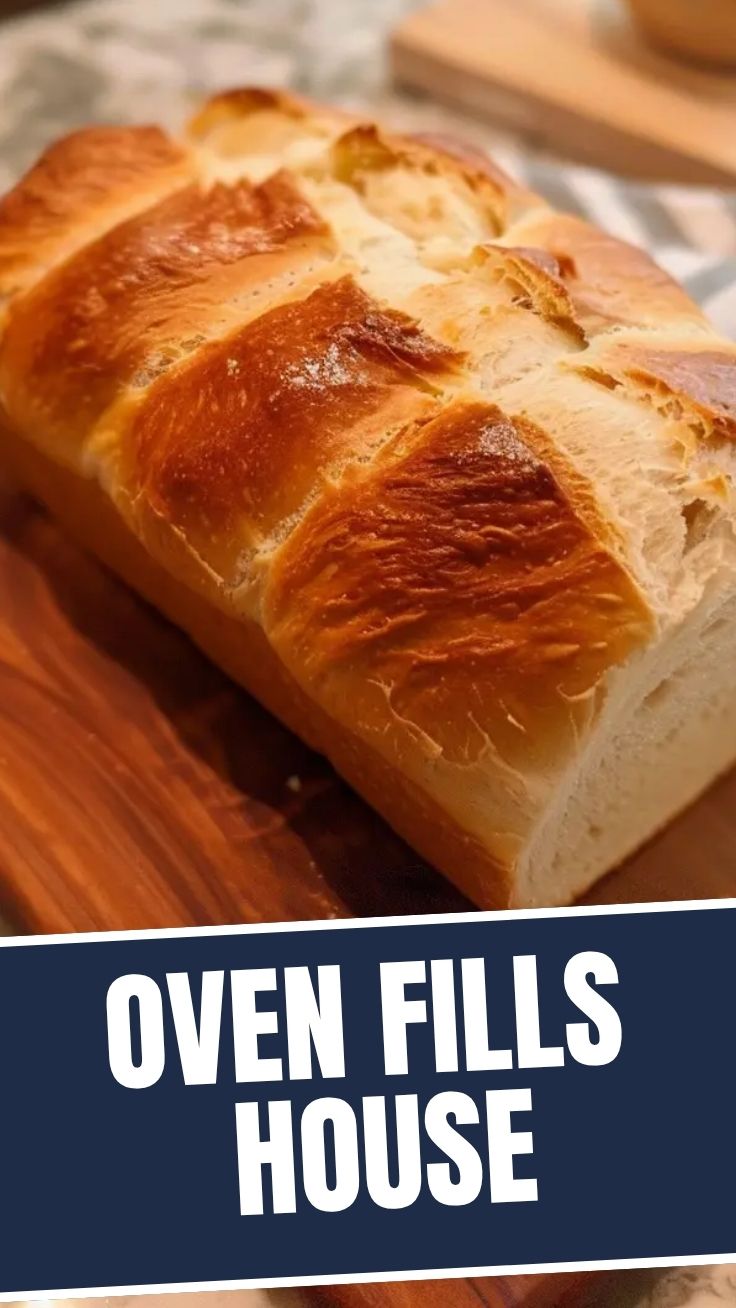
How to grow 3 Homemade White Bread loavesHomemade White Bread
Ingredients
Equipment
Method
- In a large bowl, dissolve yeast in warm water and stir in sugar, salt, and oil.
- Gradually add flour, mixing until a soft dough forms.
- Knead on a floured surface for 6-8 minutes until smooth and elastic.
- Place dough in a greased bowl, turning once to coat, then cover and let rise in a warm place for 1-1.5 hours until doubled.
- Punch down the dough, divide into three portions, and shape each into a loaf.
- Place loaves in greased loaf pans, cover, and let rise again for 30-45 minutes.
- Preheat oven to 375°F (190°C) and bake for 25-30 minutes, or until golden brown.
- Brush baked loaves with melted butter and cool on wire racks.