The Ultimate Guide to Perfectly Baked Salmon with Garlic: A Foolproof Recipe for Home Cooks
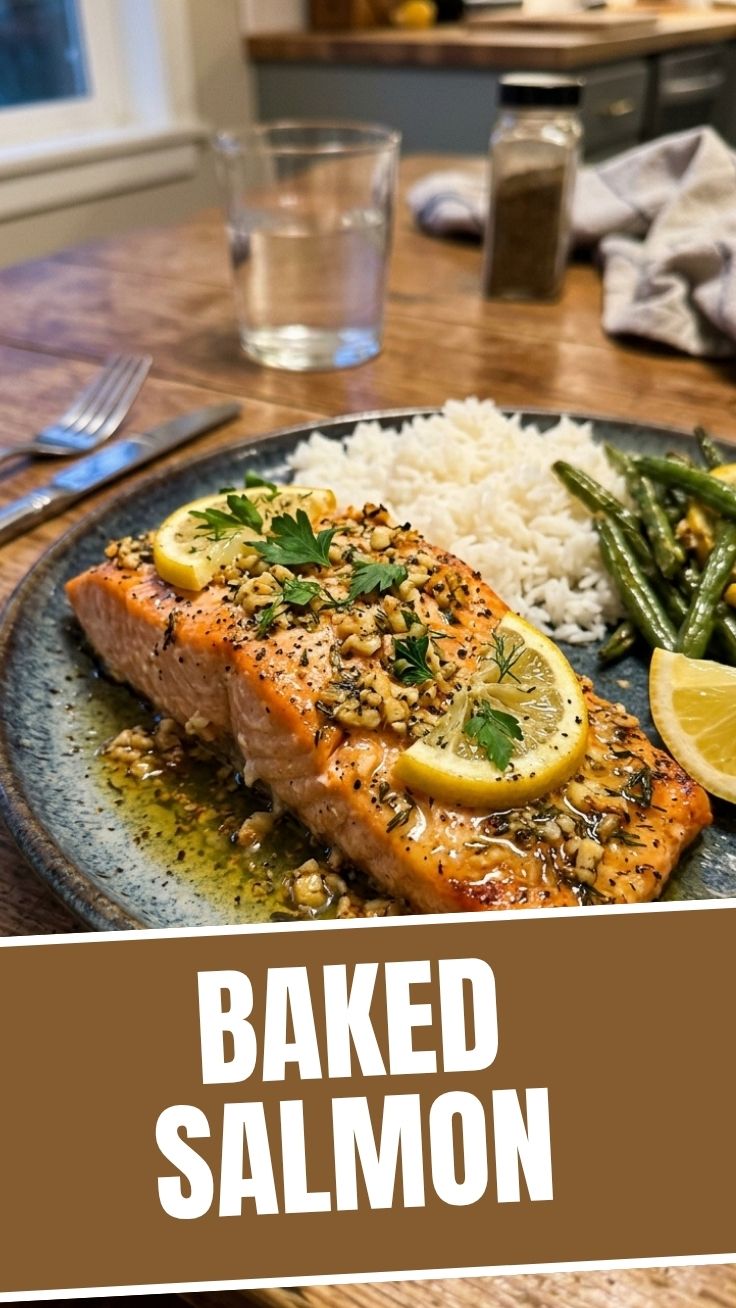
Have you ever pulled a piece of salmon out of the oven only to find it dry, bland, or overcooked? You’re not alone. Perfecting fish at home can feel intimidating, but the secret lies in a simple, flavorful technique. Today, I’m sharing my go-to method for Baked Salmon with Garlic that delivers moist, flaky fish every time, infused with a rich, aromatic garlic butter sauce that transforms weeknight dinners into restaurant-quality meals. Preparing this dish at home not only saves money but also gives you full control over ingredients—no hidden sugars, excessive sodium, or questionable oils. Plus, it takes under 30 minutes from start to finish.
Let’s dive into the step-by-step process, complete with pro tips, nutritional insights, and answers to your most pressing salmon questions.
—
Ingredients & Kitchen Tools
Ingredients
– 4 salmon fillets (6 oz each) – Skin-on or skinless; skin helps retain moisture and gets crispy.
– 3 tbsp unsalted butter – Melted; use vegan butter for dairy-free.
– 5 cloves garlic – Minced; fresh is best, but jarred works in a pinch.
– 1 tbsp lemon juice – Freshly squeezed adds brightness.
– 1 tsp Dijon mustard – Optional, but it emulsifies the sauce and adds subtle tang.
– ½ tsp salt – Sea salt or kosher recommended.
– ¼ tsp black pepper – Freshly ground.
– 1 tbsp olive oil – For greasing the pan.
– Fresh parsley – Chopped, for garnish.
Kitchen Tools & Utensils
– Baking dish or sheet pan (9×13 or rimmed)
– Parchment paper or aluminum foil (for easy cleanup)
– Small bowl for mixing the garlic butter sauce
– Chef’s knife and cutting board
– Fish spatula or thin metal spatula
– Instant-read thermometer (optional but highly recommended)
Optional Substitutions
– Swap butter for ghee (clarified butter) for a nutty flavor.
– Use salmon fillets with skin removed and reduce cooking time by 2 minutes.
– Add a pinch of red pepper flakes for heat.
– Replace lemon with lime or orange for a citrus twist.
—
Prep Time & Cooking Schedule
– Prep time: 10 minutes
– Cook time: 12–15 minutes (at 400°F / 200°C)
– Resting time: 3 minutes (after baking)
– Total time: ~25 minutes
Tip: Salmon continues to cook slightly after leaving the oven (carryover cooking), so remove it when the thickest part reaches 130°F–135°F for medium doneness. The FDA recommends 145°F, but many chefs prefer a slightly lower internal temp for moist results.
—
Step-by-Step Instructions
1. Preheat the oven to 400°F (200°C). Line a baking dish with parchment paper or lightly grease with olive oil.
2. Pat the salmon fillets dry with paper towels. This step is crucial for golden browning and preventing a steamed texture.
3. Prepare the garlic butter sauce: In a small bowl, combine melted butter, minced garlic, lemon juice, Dijon mustard (if using), salt, and pepper. Whisk until smooth.
4. Arrange the fillets in the prepared dish, skin-side down if skin-on. Pour the garlic butter sauce evenly over each piece, using a brush or spoon to coat all surfaces.
5. Bake uncovered for 12–15 minutes, depending on thickness. For 1-inch fillets, start checking at 12 minutes. The salmon should be opaque at the edges and flake easily with a fork. If you’re using an instant-read thermometer, insert it into the center of the thickest fillet.
6. Rest and garnish: Remove from oven, let rest 3 minutes, then sprinkle with fresh parsley. Want extra richness? Spoon pan juices over each portion before serving.
Keyword mention: The key to achieving foolproof Baked Salmon with Garlic lies in not overbaking and letting the garlic butter sauce penetrate the flesh during those final resting moments.
—
Nutritional Benefits & Advantages
Salmon is packed with omega-3 fatty acids (EPA and DHA), which support brain health, reduce inflammation, and improve cardiovascular function. A single 6-ounce serving provides about 35 grams of protein, high-quality B vitamins, and selenium—a powerful antioxidant. The garlic in this recipe adds allicin, a compound linked to immune support and lower blood pressure. Compared to frying, baking with a garlic butter sauce keeps the fat content moderate while delivering maximum flavor without added breading or heavy carbs. This dish is naturally gluten-free and low in carbohydrates, making it ideal for keto, paleo, and Mediterranean diets.
—
Tips, Variations & Cooking Advice
– For extra crispy skin: Pat salmon dry thoroughly and bake skin-side up for 5 minutes, then flip and continue. Or sear the skin in a hot skillet first, then transfer to the oven.
– Flavor swap: Replace garlic with minced shallots or ginger for a different aromatic profile.
– Cooking method alternative: Try grilling over medium-high heat for 4–5 minutes per side; baste with the garlic butter sauce during the last minute.
– Dairy-free version: Use olive oil or coconut oil instead of butter; add a splash of coconut cream for richness.
– Portion adaptation: For a larger crowd, double the sauce and use a half-sheet pan; space fillets at least 1 inch apart for even cooking.
– Herb boost: Stir in fresh dill, thyme, or rosemary into the garlic butter sauce before baking.
—
Common Mistakes to Avoid
1. Overcooking: The #1 sin. Use a thermometer or check at the minimum time; fish continues cooking after removal.
2. Skipping the pat-dry step: Moisture on the surface prevents browning and creates a pasty texture.
3. Using cold salmon from the fridge: Let fillets sit at room temperature for 10 minutes before cooking for more even results.
4. Overcrowding the pan: Fillets need space for hot air to circulate; if they touch, they steam instead of bake.
5. Not tasting the sauce before baking: Garlic potency varies; adjust salt and lemon to your preference.
—
Storage & Meal Prep Tips
– Refrigeration: Store leftover baked salmon in an airtight container for up to 3 days. Keep the garlic butter sauce separate if possible.
– Freezing: Place cooled fillets in a freezer-safe bag or wrap tightly in plastic wrap and foil. Freeze for up to 3 months. Thaw overnight in the fridge.
– Reheating: For best texture, reheat in a low oven (300°F) for 10 minutes, or in a covered skillet over medium-low heat with a splash of water or lemon juice. Avoid the microwave—it dries out the fish.
– Meal prep: Bake a batch of salmon on Sunday, then flake into salads, wraps, or grain bowls throughout the week. The garlic butter sauce doubles as a salad dressing when thinned with extra lemon juice.
—
Conclusion
This Baked Salmon with Garlic recipe proves that a few quality ingredients and smart techniques can yield a gorgeous, flavorful dinner in under half an hour. The garlic butter sauce is the golden thread that ties the dish together—rich, savory, and bright. Whether you’re a seasoned cook or just starting, this method is forgiving enough for beginners and elegant enough for guests. Try it tonight, snap a photo, and share your results. And if you love this approach, check out my other one-pan seafood recipes for more quick wins.
—
FAQs
1. Can I use frozen salmon fillets?
Yes. Thaw completely in the refrigerator overnight, then pat dry very well. Never bake frozen salmon directly; it leads to uneven cooking and excess moisture.
2. What if I don’t have a baking dish?
A rimmed sheet pan lined with foil works perfectly. Just fold up the edges slightly to catch any sauce runoff.
3. How do I know when the salmon is done without a thermometer?
The fish should be opaque throughout and flake easily when gently pressed with a fork. If the center still looks translucent, bake another 2 minutes.
4. Can I make the garlic butter sauce ahead of time?
Absolutely. Store it in the fridge for up to 5 days. Just reheat gently before pouring over the salmon—or use it cold and let the oven melt it.
5. My garlic butter sauce separated—what happened?
If you used cold butter or added lemon too quickly, the emulsion may break. Simply whisk vigorously or add a teaspoon of warm water to bring it back together.
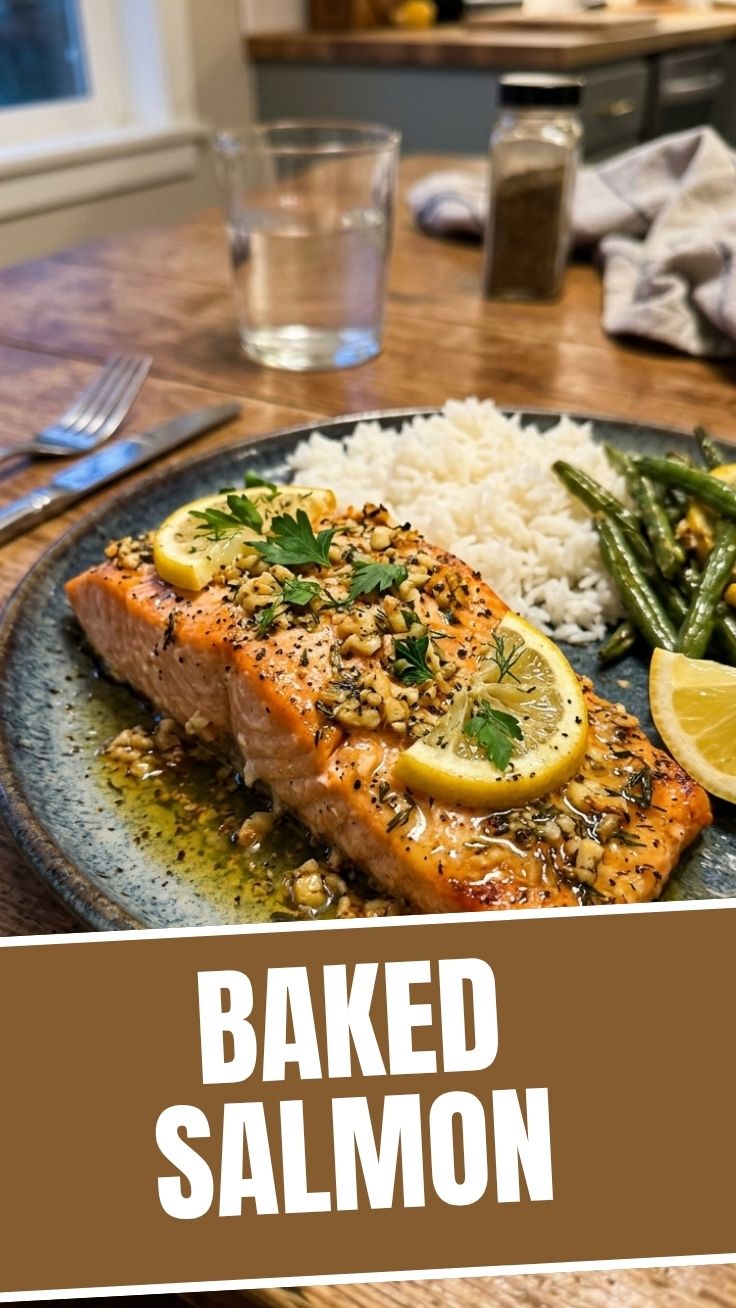
Quick way to grow 5 Baked Salmon with Garlic flavorsBaked Salmon with Garlic
Ingredients
Equipment
Method
- Preheat your oven to 400°F (200°C) and line a baking sheet with parchment paper for easy cleanup.
- In a small bowl, combine the minced garlic, olive oil, lemon juice, dried parsley, salt, and black pepper to create the garlic sauce.
- Place the salmon fillets on the prepared baking sheet and generously brush the garlic sauce over each fillet, ensuring even coating.
- Bake the salmon for 12-15 minutes, or until it flakes easily with a fork, then serve immediately.