Why You’ll Love This Teriyaki Salmon Recipe (And It’s One of the Easiest Salmon Recipes You’ll Ever Make)
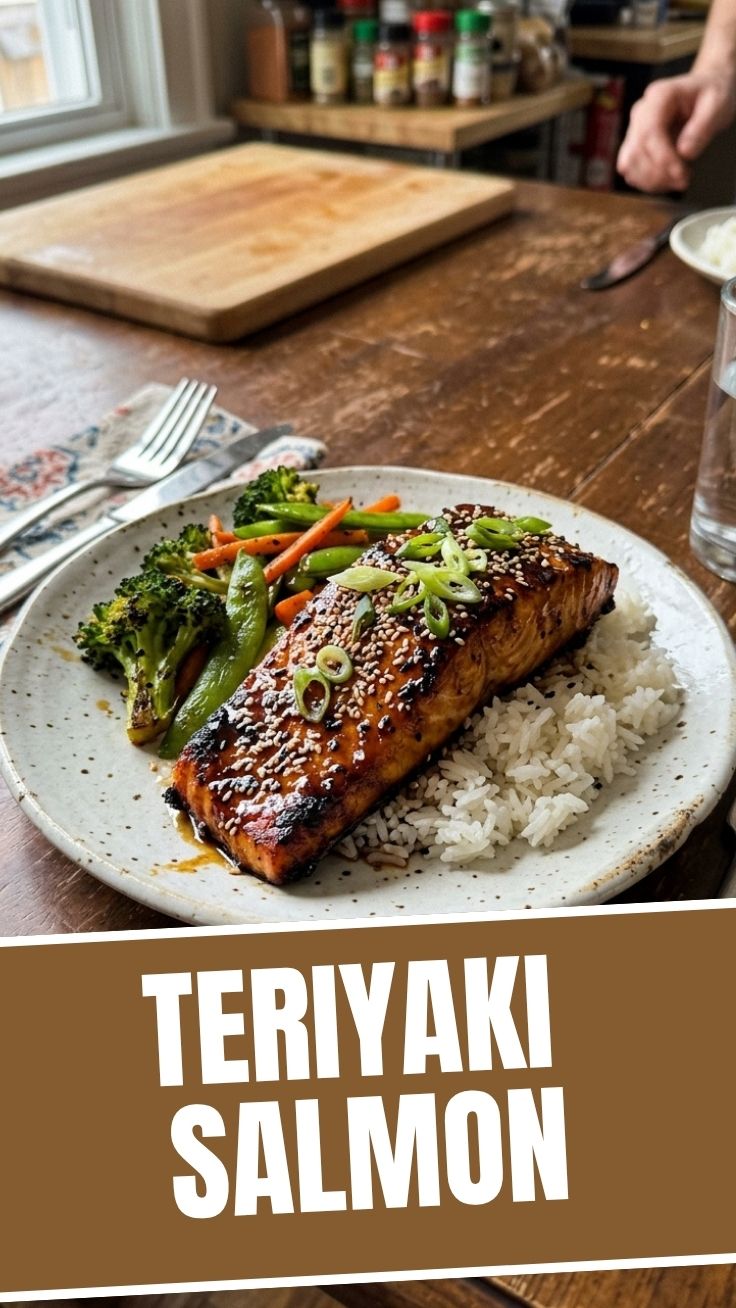
Have you ever craved restaurant-quality sticky, glossy teriyaki salmon but thought it required hours of marinating and a trip to a Japanese steakhouse? The truth is, you can achieve that caramelized, umami-packed perfection in under 30 minutes with just a handful of pantry staples. Preparing Teriyaki Salmon at home not only saves money but also lets you control the sodium, sugar, and oil levels—making it a healthier, guilt-free indulgence. Plus, this dish belongs to the category of easy salmon recipes that even beginner cooks can master on their first try. The secret lies in a simple homemade teriyaki sauce that thickens naturally as it cooks, coating each fillet in a shiny, savory glaze. Ready to impress your family or meal-prep for the week? Let’s dive in.
—
Ingredients & Kitchen Tools
For the Salmon and Marinade
– 4 salmon fillets (6 oz each) – skin-on or skinless; wild-caught is preferable for flavor and omega-3 content.
– ½ cup low-sodium soy sauce – tamari for gluten-free option.
– ¼ cup mirin – Japanese sweet rice wine; substitute with 2 tbsp rice vinegar + 1 tbsp honey.
– 2 tbsp brown sugar – or coconut sugar for a lower glycemic index.
– 1 tbsp fresh ginger (grated) – adds warmth without heat.
– 3 garlic cloves (minced) – use garlic paste for convenience.
– 1 tsp sesame oil – optional, for nutty undertones.
– 1 tbsp cornstarch + 2 tbsp water – for a glossy slurry (skip if you prefer a thinner sauce).
Kitchen Tools
– Small saucepan – for simmering the sauce.
– Non-stick skillet or grill pan – ensures even caramelization and easy cleanup.
– Tongs – to flip fillets gently without breaking.
– Basting brush – for layering extra glaze during cooking.
– Instant-read thermometer – target internal temperature 125°F (medium) to 130°F (medium-well).
Optional Substitutions
– Low-sodium soy sauce → coconut aminos for soy-free.
– Mirin → dry sherry + a pinch of sugar.
– Brown sugar → maple syrup (use 3 tbsp for similar sweetness).
—
Prep Time & Cooking Schedule
| Stage | Time |
|———————-|————–|
| Prep (sauce + fillets)| 10 minutes |
| Marinate (optional) | 15–30 minutes (longer weakens texture) |
| Cooking (stovetop) | 8–10 minutes |
| Resting | 3–5 minutes |
| Total | ~30–40 minutes |
Planning Tip: While the sauce simmers, pat fillets dry and season lightly. If you marinate, use a zip-top bag in the fridge—no longer than 30 minutes or the acid from soy sauce can turn the fish mushy.
—
Step-by-Step Instructions
1. Make the Teriyaki Sauce – In a small saucepan, combine soy sauce, mirin, brown sugar, ginger, and garlic. Whisk over medium heat until sugar dissolves (about 2 minutes). In a separate bowl, mix cornstarch with water to create a slurry, then whisk it into the simmering sauce. Cook 1–2 minutes until thickened. Remove from heat and let cool slightly.
2. Prepare the Salmon – Pat fillets dry with paper towels (moisture prevents browning). Lightly season with salt and pepper. If marinating, pour ¼ cup sauce over fillets in a dish, cover, and refrigerate 15–30 minutes.
3. Cook the Salmon – Heat a non-stick skillet over medium-high heat with 1 tablespoon avocado oil. Place fillets skin-side down (if skin-on) and cook 4 minutes without moving. Flip gently with tongs and cook 2–3 minutes more. For thick fillets (1½ inches), use a thermometer: 125°F for medium.
4. Glaze and Finish – Reduce heat to low. Brush cooked salmon generously with remaining teriyaki sauce. Flip and brush the other side. Cook 1 minute per side until the sauce becomes sticky and caramelized. Pro tip: To avoid burning, keep the heat low after glazing.
5. Rest and Serve – Transfer salmon to a plate and let rest 3 minutes. This allows juices to redistribute. Serve over steamed rice or our easy salmon recipes family favorite—salmon rice bowls with avocado and sesame. For a complete meal, pair with sautéed bok choy or roasted asparagus.
Keyword Note: This step-by-step process ensures your Teriyaki Salmon comes out perfectly glazed every time. If you’re exploring more easy salmon recipes, try this technique as your go-to base.
—
Nutritional Benefits & Advantages
Salmon is a powerhouse of omega-3 fatty acids (EPA and DHA), which support heart health, reduce inflammation, and improve cognitive function. A single 6-ounce fillet provides about 40 grams of high-quality protein, making it ideal for muscle repair and satiety. The homemade teriyaki sauce cuts sodium by nearly 40% compared to store-bought versions, while ginger and garlic offer anti-bacterial and anti-inflammatory properties. This dish is naturally gluten-free (if using tamari) and can be made dairy-free with the substitution suggestions below.
—
Tips, Variations & Cooking Advice
– Flavor Twists: Add a teaspoon of sriracha or gochujang to the sauce for spicy teriyaki. Stir in 1 tablespoon of honey if you prefer a sweeter glaze.
– Cooking Methods:
– Baking: Place fillets on a lined baking sheet, brush with sauce, and bake at 400°F for 12–15 minutes. Broil the last 2 minutes for char.
– Grilling: Use a well-oiled grill basket; cook 4 minutes per side over medium heat.
– Dietary Adaptations:
– Gluten-free: Use tamari or coconut aminos.
– Dairy-free: The recipe is naturally dairy-free.
– Low-carb: Omit brown sugar and use monk fruit sweetener or allulose.
– Portion Changes: Cut fillets into 2-ounce mini portions for appetizers or kids’ meals.
—
Common Mistakes to Avoid
– Over-marinating: More than 30 minutes breaks down the fish fibers, resulting in a mushy texture.
– High heat after glazing: The sugar in the sauce burns quickly. Always glaze over low heat.
– Skipping the pat-dry step: Wet fillets steam instead of sear, robbing you of that coveted caramelized crust.
– Using cold salmon straight from the fridge: Let fillets sit at room temperature 10 minutes before cooking for even heat distribution.
—
Storage & Meal Prep Tips
– Refrigeration: Store cooked teriyaki salmon in an airtight container for up to 3 days. Keep the glaze separate if possible to avoid sogginess.
– Freezing: Wrap individual fillets tightly in plastic wrap, then place in a freezer bag. They stay fresh for up to 2 months. Thaw overnight in the fridge.
– Reheating: For best texture, reheat in a skillet over low heat with a splash of water or extra sauce. Avoid the microwave—it dries out the fish. Alternatively, reheat in a 300°F oven for 8–10 minutes.
—
Conclusion
Mastering Teriyaki Salmon at home is a game-changer: it delivers restaurant-quality flavor in under 30 minutes, using ingredients you likely already have. This recipe sits perfectly among easy salmon recipes because it requires minimal effort yet yields maximum satisfaction. Whether you’re meal-prepping for a busy week or hosting a casual dinner, the sticky-sweet glaze and tender fish will earn you repeat requests. Try it tonight, snap a photo, and share your results—or tag us with your favorite variation. For more weeknight wins, explore our collection of 15-minute seafood dishes.
—
FAQs
1. Can I use frozen salmon for this recipe?
Yes. Thaw fillets completely in the refrigerator overnight or under cold running water. Pat extremely dry before cooking to avoid excess moisture.
2. What if I don’t have mirin?
Mix 2 tablespoons rice vinegar with 1 tablespoon honey or sugar. The flavor won’t be identical, but the sweetness-acid balance will work.
3. Why did my sauce burn?
Likely the heat was too high after adding the glaze. Always reduce to low when brushing sauce onto the fish. If the sauce in the pan darkens too quickly, remove the fillets and wipe the pan clean before returning.
4. Can I make the sauce ahead of time?
Absolutely. Prepare the sauce up to 5 days in advance and store it in a sealed jar in the fridge. Reheat gently on the stove before using.
5. How do I know when the salmon is cooked through?
Use a thermometer for precision: 125°F for medium-rare, 130°F for medium, 140°F for well-done. Without a thermometer, look for the flesh to flake easily with a fork and turn opaque in the center.
Proven way to grow 3 Teriyaki Salmon dishes
Ingredients
Equipment
Method
- Pat the salmon fillets dry with paper towels and season them lightly with salt and pepper.
- In a bowl, whisk together the teriyaki sauce, sesame oil, minced garlic, and grated ginger.
- Heat a large skillet over medium-high heat with a little oil.
- Place the salmon fillets skin-side down in the hot skillet and cook for 5-7 minutes, until the skin is crispy.
- Flip the salmon and pour the teriyaki sauce mixture over the fillets.
- Continue to cook for another 5-7 minutes, or until the salmon is cooked through and flakes easily with a fork, basting occasionally with the sauce.
- Remove the salmon from the skillet and transfer to serving plates.
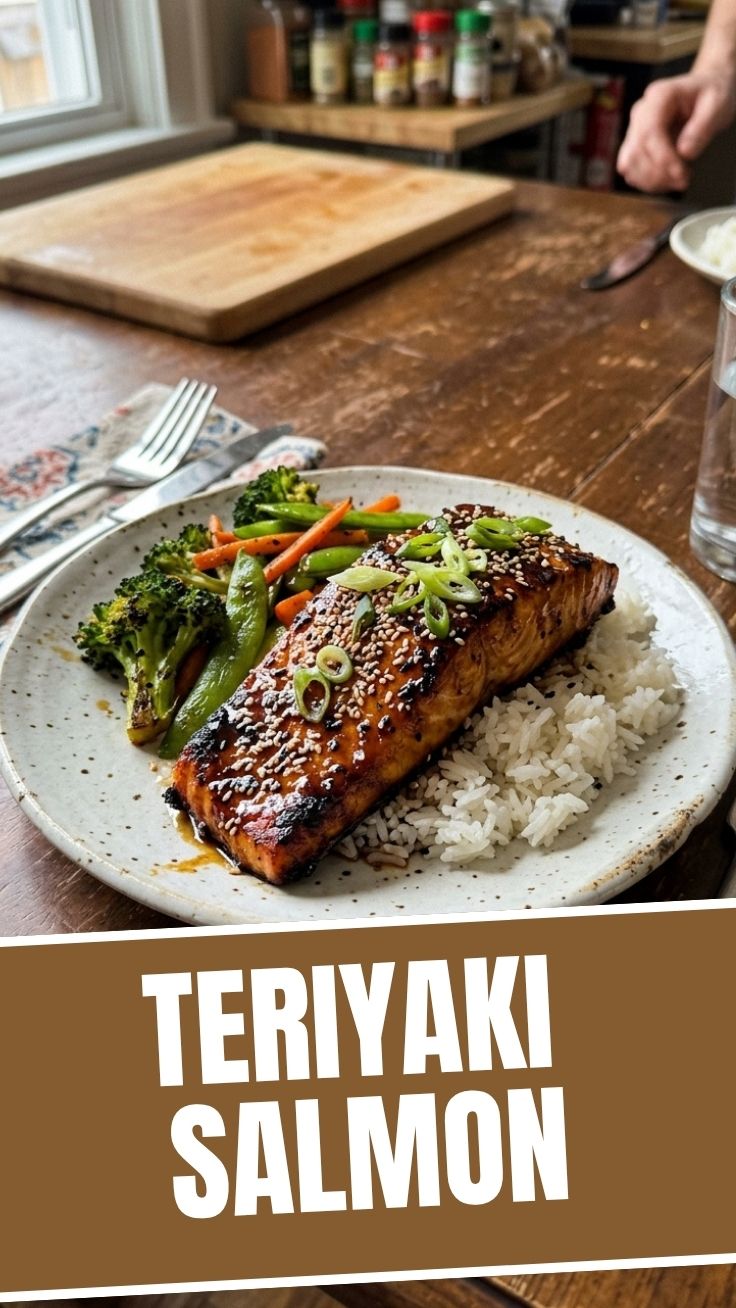
- Garnish with sliced green onions and sesame seeds before serving.