Meta Description: Learn how to make restaurant-quality Beef Fajitas at home with this comprehensive guide. Packed with tips, variations, and SEO insights for perfect sizzling results.
—
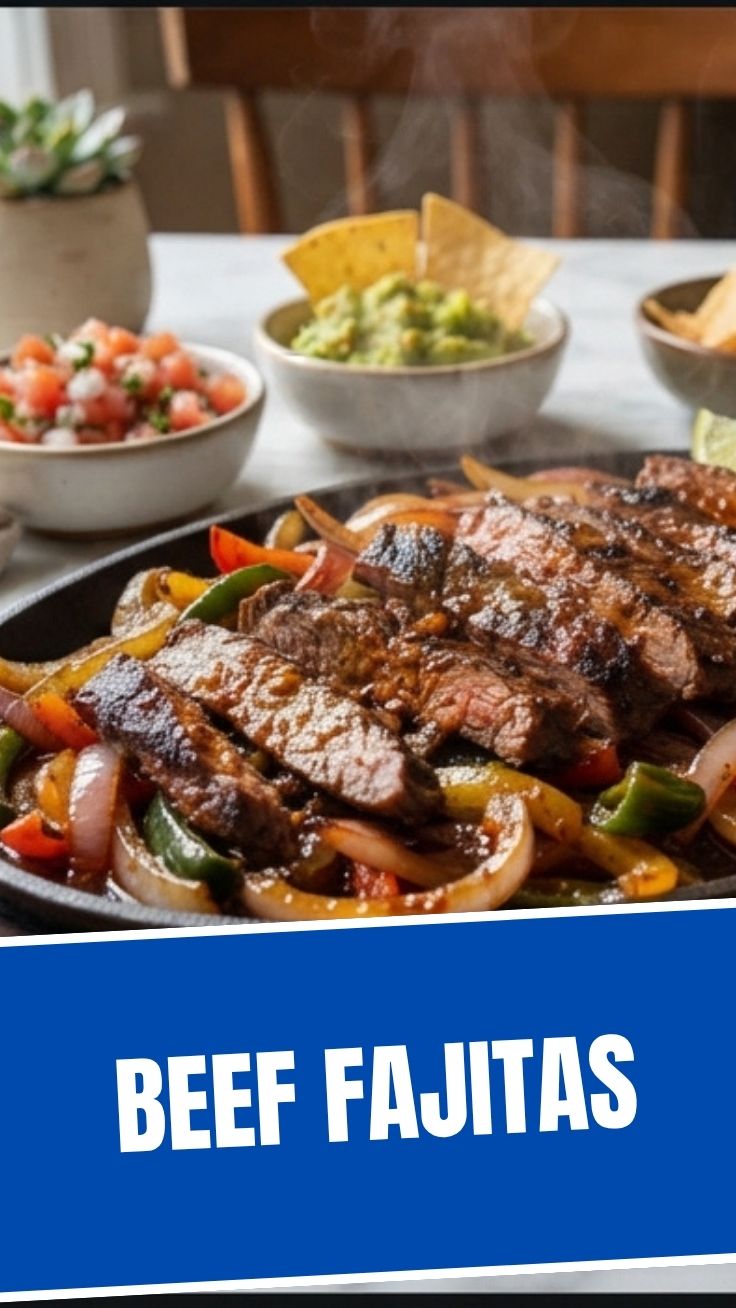
The Ultimate Guide to Sizzling Beef Fajitas: A Home Cook’s Masterclass
Have you ever wondered why restaurant fajitas arrive at your table with a dramatic sizzle, while homemade versions often fall flat? The secret isn’t just heat—it’s technique, timing, and understanding the chemistry behind that perfect sear. Preparing Beef Fajitas at home not only saves money but also gives you complete control over quality and customization. Whether you’re exploring Latin cuisine or expanding your repertoire of Mexican recipes, mastering this dish is a game-changer for weeknight dinners or entertaining guests.
Ingredients & Kitchen Tools
Before you start, gather everything you need. Proper preparation prevents mid-cooking chaos.
For the Marinade & Beef:
– 1.5 lbs flank steak or skirt steak (tender cuts with good marbling)
– 3 tbsp olive oil (or avocado oil for higher smoke point)
– 3 tbsp fresh lime juice (acidity tenderizes and brightens flavor)
– 4 cloves garlic, minced
– 1 tsp ground cumin (earthy, warm base note)
– 1 tsp smoked paprika (adds depth and color)
– 1 tsp chili powder (adjust for heat preference)
– 1 tsp salt + ½ tsp black pepper
– Optional: 1 tbsp soy sauce (umami booster) or ½ tsp chipotle powder (for smoky heat)
For the Vegetables:
– 2 bell peppers (mix colors: red, yellow, green), sliced into ½-inch strips
– 1 large red onion, sliced into half-moons
– 1 medium jalapeño, thinly sliced (optional)
For Serving & Toppings:
– 8–10 small flour or corn tortillas
– ½ cup sour cream (or Greek yogurt)
– ½ cup fresh salsa or pico de gallo
– 1 avocado, sliced
– ¼ cup fresh cilantro, chopped
– 1 lime, cut into wedges
Essential Tools:
– Cast-iron skillet or heavy-bottomed stainless steel pan (holds high heat)
– Tongs (for flipping without piercing meat)
– Cutting board (preferably two: one for raw meat, one for veggies)
– Sharp chef’s knife
– Large mixing bowl (for marinating)
– Small bowls for toppings (mise en place)
—
Prep Time & Cooking Schedule
| Stage | Time | Notes |
|——-|——|——-|
| Marinating | 30 minutes–8 hours | 30 min minimum; overnight yields deeper flavor |
| Prep vegetables | 10 minutes | Slice while beef marinates |
| Cook beef + rest | 12–15 minutes | 6–8 min cooking + 5 min resting |
| Sauté vegetables | 5–7 minutes | Done while beef rests |
| Warm tortillas | 2–3 minutes | Directly over gas flame or dry skillet |
| Total active time | 35–40 minutes | Perfect for busy weeknights |
Planning tip: Marinate in the morning, refrigerate, and you’re 15 minutes from dinner after work. The active cooking window is tight—have all ingredients prepped before turning on the heat.
—
Step-by-Step Instructions
Step 1: Prepare the Marinade
In a large bowl, whisk olive oil, lime juice, garlic, cumin, paprika, chili powder, salt, and pepper. Add the flank steak, turning to coat. Cover and refrigerate for at least 30 minutes (up to 8 hours). Pro tip: Never marinate in a metal bowl—acid reacts with metal and imparts a metallic taste.
Step 2: Preheat and Pat Dry
Remove beef from marinade 20 minutes before cooking to come to room temperature. Pat it thoroughly dry with paper towels. This step is non-negotiable—moisture is the enemy of a good sear. Place your cast-iron skillet over high heat for 4–5 minutes until it’s smoking hot.
Step 3: Sear the Beef
Add a splash of high-smoke-point oil (avocado or grapeseed) to the pan. Lay the steak in, pressing gently. Cook 3–4 minutes per side for medium-rare (internal temp 130–135°F). For skirt steak, aim for 2–3 minutes per side—it’s thinner. Avoid crowding: cook in batches if needed.
Step 4: Rest and Slice
Transfer steak to a cutting board, tent loosely with foil, and rest for 5 minutes. Resting allows juices to redistribute. Slice against the grain into ¼-inch strips. Cutting with the grain creates tough, chewy bites.
Step 5: Cook the Vegetables
While the steak rests, add another tablespoon of oil to the hot skillet. Toss in peppers and onions. Cook 5–7 minutes, stirring occasionally, until charred but still crisp. Season with a pinch of salt. Add sliced jalapeño during the last 2 minutes for controlled heat.
Step 6: Assemble and Serve
Warm tortillas directly over a gas flame (30 seconds per side) or in a dry skillet. Layer beef and vegetables, then top with sour cream, salsa, avocado, and cilantro. Squeeze fresh lime juice over everything before serving.
These Beef Fajitas pair beautifully with classic sides like cilantro-lime rice or black beans. For more inspiration, explore traditional Mexican recipes that celebrate bright, fresh flavors.
—
Nutritional Benefits & Advantages
This dish isn’t just delicious—it’s nutritionally balanced:
| Nutrient | Per Serving (2 fajitas) | Benefit |
|———-|————————|———|
| Protein | 38g | Supports muscle repair and satiety |
| Fiber | 6g | From peppers, onions, and tortillas |
| Vitamin C | 120% DV | Bell peppers provide nearly double the vitamin C of oranges |
| Iron | 25% DV | Flank steak is a rich source of heme iron |
| Healthy Fats | 15g | Avocado and olive oil support heart health |
Dietary advantages: Naturally gluten-free if using corn tortillas. High protein and moderate carbs make it suitable for balanced macros. The marinade uses no refined sugar—flavor comes from spices and citrus. Lime juice also aids iron absorption from the beef, making it a synergistic meal.
—
Tips Variations & Cooking Advice
Flavor Variations:
– Spicy: Add 2 minced chipotle peppers in adobo to the marinade
– Citrus-herb: Swap lime for orange juice and add oregano
– Smoky: Use 2 tsp smoked paprika and grill the beef outdoors
Dietary Adaptations:
– Gluten-free: Use corn tortillas (ensure 100% corn, not wheat blend)
– Dairy-free: Skip sour cream or use cashew cream; avocado provides creaminess
– Low-carb: Serve over lettuce wraps or cauliflower rice
Cooking Methods:
– Grill: Cook over direct high heat, 4–5 minutes per side. Prevents flare-ups by trimming excess fat.
– Air fryer: Cook steak at 400°F for 8–10 minutes (flip halfway). Vegetables separately at 375°F for 6 minutes.
– Sheet pan: Roast everything at 425°F for 15 minutes, but won’t achieve the same char as stovetop.
Portion Advice: For large groups, double the recipe but cook in batches. Overcrowding the pan causes steaming instead of searing.
—
Common Mistakes to Avoid
| Mistake | Consequence | Solution |
|———|————-|———-|
| Wet meat hits the pan | Gray, steamed texture—no crust | Always pat dry with paper towels before cooking |
| Cold meat cooks unevenly | Overcooked edges, raw center | Let beef rest 20 minutes at room temperature before cooking |
| Overcrowded pan | Meat stews instead of sears | Cook in batches; leave 1–2 inches between pieces |
| Slicing with the grain | Tough, stringy texture | Identify grain direction; cut perpendicular to it |
| Skipping the rest step | Juices run out onto cutting board | Minimum 5 minutes rest under foil |
| Using nonstick pan | Limited heat capacity, won’t sear | Use cast iron or stainless steel for high-heat cooking |
Temperature troubleshooting: If your steak cooks too fast on the outside before the center reaches doneness, your heat is too high. Medium-high is sufficient for most stoves; only go to high for the initial sear (first 1–2 minutes per side).
—
Storage & Meal Prep Tips
Refrigeration:
– Store sliced beef and vegetables separately in airtight containers
– Keeps 3–4 days (beef may dry slightly; revive with a splash of broth when reheating)
– Tortillas stored separately at room temperature in a sealed bag (2–3 days)
Freezing:
– Beef and vegetables freeze well for up to 3 months
– Flash-freeze on a parchment-lined tray first (prevents clumping)
– Thaw overnight in refrigerator; reheat in a hot skillet for best texture
– Do not freeze assembled fajitas—tortillas become soggy
Reheating for Best Results:
– Skillet: High heat, 2–3 minutes per side—best method
– Microwave: Only if desperate; 45 seconds on high, but expect softer texture
– Avoid: Steaming or boiling—it ruins the charred quality
Meal Prep Strategy: Marinate beef up to 2 days in advance. Slice vegetables and store in a zip-top bag in the fridge. On cooking day, you’re 15 minutes from dinner. Double the recipe and freeze half the cooked beef/veggies for later.
—
Conclusion
Mastering Beef Fajitas at home unlocks a world of bold, sizzling flavor without the restaurant markup. The key takeaways: use flank or skirt steak, get your pan screaming hot, pat the meat dry, and always slice against the grain. These Mexican recipes celebrate simplicity—a few quality ingredients transformed by heat and timing. Once you nail the technique, experiment with marinades, toppings, and heat levels to make this dish your own. Try this recipe tonight, share your results in the comments, and explore more Latin-inspired meals to expand your repertoire.
—
FAQs
1. Can I use a different cut of beef for fajitas?
Absolutely. Flank steak is traditional, but skirt steak (more marbling) or sirloin flap meat (more tender) work well. Avoid round steak or chuck—too lean and tough.
2. How do I know when the skillet is hot enough?
Flick a drop of water onto the pan—if it beads and skitters across the surface like a marble, it’s ready. If it evaporates immediately, the pan is too hot; if it just sits there, too cool.
3. Can I make these fajitas dairy-free?
Yes. Use a dairy-free sour cream alternative (cashew-based works best), skip cheese or use a vegan version, and replace butter with avocado or olive oil. The dish is naturally dairy-free except for optional toppings.
4. My fajitas turned out dry—what went wrong?
Likely overcooked beef (check internal temp: 130–135°F for medium-rare, 140°F for medium) or slicing with the grain. Also, resting is crucial—without it, juices pool on the cutting board instead of staying in the meat.
5. Can I prepare fajitas in advance for a party?
Partially. Cook and slice the beef and vegetables up to 2 days ahead, then reheat in a hot skillet just before serving. Keep toppings (salsa, guacamole, sour cream) separate and warm tortillas right before assembling.
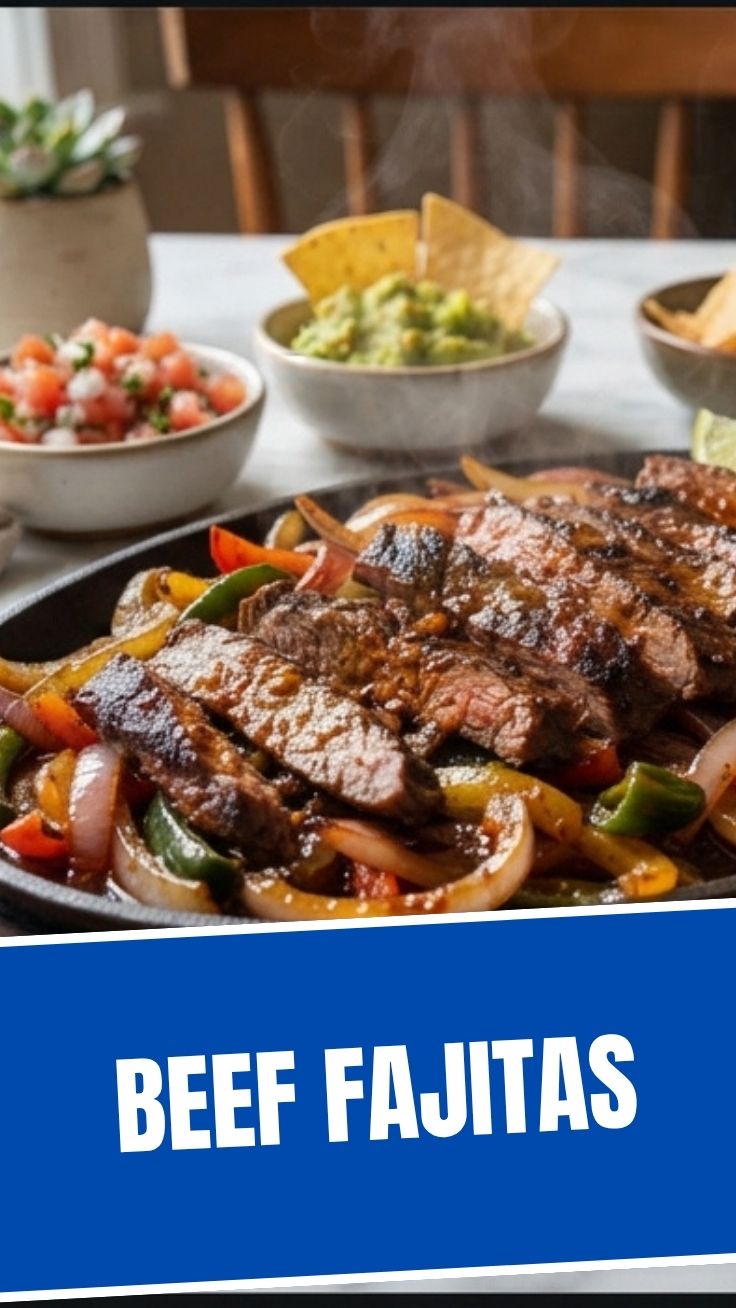
Best way to grow 10 Beef FajitasBeef Fajitas
Ingredients
Equipment
Method
- Slice the beef skirt steak against the grain into thin strips; cut bell peppers and onion into thin strips as well.
- In a bowl, whisk together lime juice, olive oil, chili powder, cumin, paprika, garlic powder, salt, and black pepper to create the marinade.
- Add the sliced beef to the marinade, ensuring all pieces are coated; cover the bowl and refrigerate for at least 30 minutes, or up to 2 hours for best flavor.
- Heat a large skillet or cast-iron pan over medium-high heat until very hot.
- Add the marinated beef to the hot pan in a single layer, cooking for 2-3 minutes per side until browned and cooked through; remove beef and set aside.
- In the same pan, add the sliced bell peppers and onion; stir-fry for 5-7 minutes until they are tender-crisp.
- Return the cooked beef to the pan with the vegetables, tossing to combine and heat through.
- Warm the tortillas according to package instructions, either in a microwave, oven, or on a dry skillet.
- Serve the beef and vegetable mixture in warm tortillas, optionally topped with your favorite fajita toppings like salsa, guacamole, or sour cream.