The Ultimate Guide to Perfect Chicken Fajitas: Sizzling, Flavorful, and Easy to Make at Home
Have you ever wondered why restaurant-style Chicken Fajitas taste so incredible, yet replicating that magic at home often falls flat? The secret isn’t a special pan or a secret ingredient—it’s technique. By mastering a few simple steps, you can create sizzling, tender, and smoky chicken fajitas that rival any Mexican restaurant. Cooking them at home isn’t just about saving money; it’s about controlling the quality of ingredients, customizing the spice level, and enjoying a meal that’s bursting with fresh, vibrant flavors. When you explore authentic Mexican recipes, you’ll find that this dish is a celebration of simplicity, relying on a perfect marinade and high-heat cooking to deliver unforgettable results. Let’s dive in and unlock the secrets to making the best chicken fajitas from scratch.
Ingredients & Kitchen Tools
– Chicken Breast (1.5 lbs): Boneless, skinless chicken breasts work best. Slice them against the grain into thin strips for even cooking.
– Bell Peppers (3, mixed colors): Red, yellow, and green bell peppers add sweetness, crunch, and vibrant color.
– Onion (1 large): Yellow or white onion, sliced into thin half-moons.
– Lime Juice (3 tbsp): Freshly squeezed lime juice is crucial for the marinade’s acidity.
– Olive Oil (3 tbsp): Use a neutral oil with a high smoke point, like avocado oil if preferred.
– Chili Powder (2 tsp): The backbone of the spice blend. Use a high-quality blend for depth.
– Cumin (1 tsp): Adds earthy, warm notes typical of Mexican cuisine.
– Garlic (3 cloves, minced): Fresh garlic provides pungent, aromatic flavor.
– Salt & Black Pepper: To taste.
Kitchen Tools: Large cast-iron skillet or heavy-bottomed pan, cutting board, sharp knife, mixing bowl, whisk, tongs, and kitchen towels.
Optional Substitutions: Swap chicken breast with boneless chicken thighs for juicier meat. Use gluten-free tortillas for a gluten-free version.
Prep Time & Cooking Schedule
– Marinating Time: 30 minutes (minimum) to 2 hours (ideal). Marinating overnight yields even deeper flavor.
– Prep Time: 15 minutes (slicing vegetables, whisking marinade).
– Cook Time: 10-12 minutes (searing chicken and vegetables).
– Resting Time: 5 minutes after cooking (allows juices to redistribute).
Planning Tip: The actual active cooking is incredibly fast—most of the time is hands-off marinating. Start your prep by slicing the chicken and vegetables, then let the marinade work while you set up tortillas and toppings. This timing means you can have dinner ready in under an hour with minimal fuss.
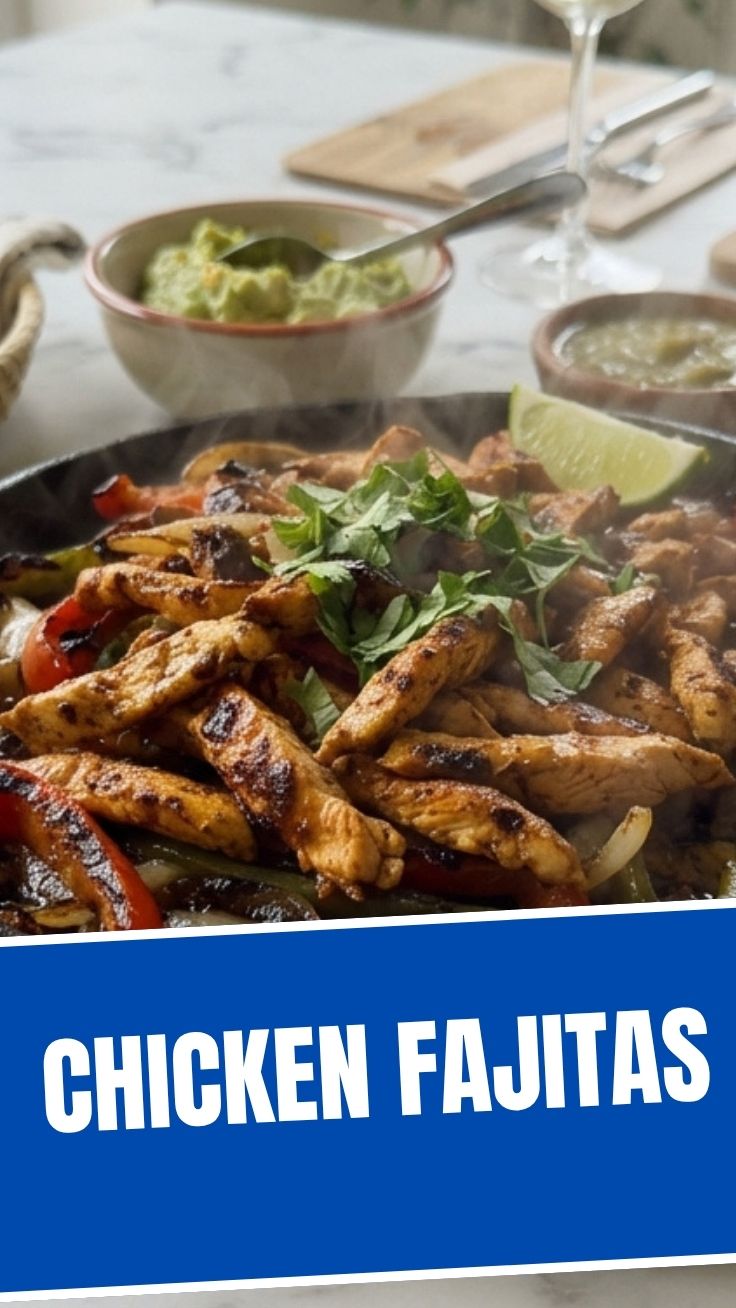
Step-by-Step Instructions
1. Prepare the marinade: In a medium bowl, whisk together 3 tbsp lime juice, 3 tbsp olive oil, 2 tsp chili powder, 1 tsp cumin, minced garlic, 1 tsp salt, and ½ tsp black pepper.
2. Marinate the chicken: Place sliced chicken in a resealable bag or bowl. Pour the marinade over the chicken, ensuring all pieces are coated. Refrigerate for at least 30 minutes or up to 2 hours.
3. Preheat the skillet: Place your cast-iron skillet over high heat for 2-3 minutes until it’s smoking hot. This searing heat is essential for achieving that restaurant-style char on the chicken and vegetables.
4. Cook the chicken: Add the marinated chicken strips to the skillet in a single layer (work in batches if needed). Cook without stirring for 2-3 minutes until deeply browned. Flip and cook for another 2-3 minutes until cooked through (internal temperature 165°F). Remove chicken and set aside.
5. Sauté the vegetables: In the same hot skillet, add 1 tbsp oil. Add sliced bell peppers and onions. Cook until they are charred at the edges but still slightly crisp—about 3-4 minutes. Season with a pinch of salt.
6. Combine and serve: Return the chicken to the skillet, toss everything together for 30 seconds. Remove from heat immediately. Serve with warm tortillas, sour cream, guacamole, and salsa.
Pro Tip: For extra smoky flavor, char one whole jalapeño pepper alongside the vegetables. This is a hallmark of authentic Mexican recipes that adds depth without overwhelming heat. When making your Chicken Fajitas, remember that high heat is your best friend—don’t crowd the pan, or the meat will steam instead of sear.
Nutritional Benefits & Advantages
This dish is packed with protein (about 35g per serving) from the lean chicken breast, which supports muscle repair and satiety. Bell peppers are rich in vitamin C (more than an orange per pepper!) and antioxidants like beta-carotene. The cumin and chili powder contain anti-inflammatory compounds. The lime juice aids digestion and enhances iron absorption from the chicken. Using olive oil provides heart-healthy monounsaturated fats. Compared to many takeout options, homemade fajitas have significantly less sodium and added sugar—often half the calories of restaurant versions. It’s also naturally gluten-free when served with corn tortillas.
Tips Variations & Cooking Advice
– Flavor Variations: For a smoky twist, add 1 tsp smoked paprika or chipotle powder. For a citrusy kick, include orange zest in the marinade.
– Ingredient Swaps: Use shrimp (cook 2 minutes per side) or sliced steak (flank steak works beautifully). For a vegetarian version, replace chicken with portobello mushrooms or extra-firm tofu.
– Cooking Methods: Grill the chicken and vegetables over high heat (direct heat, 3-4 minutes per side) for even more char. Use a two-burner griddle if cooking a large batch.
– Dietary Adaptations: To make it dairy-free, skip cheese and sour cream, or use cashew cream. For low-carb, serve in lettuce wraps instead of tortillas.
Common Mistakes to Avoid
– Not preheating the pan enough: A cold or even medium-hot pan won’t sear; it will steam the chicken. Wait until the pan is truly smoking hot.
– Overcrowding the skillet: If you add too much chicken at once, the temperature drops and the meat releases water. Cook in batches for a deep caramelized crust.
– Overcooking vegetables: Bell peppers should remain slightly crunchy and bright. Overcooking turns them mushy and dull in color.
– Skipping the resting time: Resting the cooked chicken for just 5 minutes before slicing helps keep it juicy. Cut too early, and the juices run out.
– Using bottled lime juice: Fresh lime juice provides a brightness that bottled versions lack, which is critical in many Mexican recipes.
Storage & Meal Prep Tips
– Refrigeration: Store leftover chicken fajitas in an airtight container for up to 3 days. Keep the tortillas separate to avoid sogginess.
– Freezing: Freeze the cooked chicken-vegetable mixture in a freezer-safe bag for up to 2 months. Thaw overnight in the fridge.
– Reheating: For best texture, reheat in a hot skillet or cast-iron pan over medium-high heat for 2-3 minutes. Avoid microwaving, which makes the chicken rubbery and vegetables mushy.
– Meal Prep: Slice peppers and onions up to 2 days ahead. Marinate chicken up to 24 hours in advance. When ready to cook, it’s a 10-minute process.
Conclusion
Mastering chicken fajitas at home is all about embracing high heat, fresh ingredients, and proper technique. This dish proves that simple, well-executed recipes can deliver extraordinary flavors. Whether you’re preparing a weeknight dinner or impressing guests, these Chicken Fajitas will become a staple in your kitchen. As with many classic Mexican recipes, the balance of smoky, tangy, and savory notes creates a satisfying, wholesome meal. I encourage you to try this recipe tonight—experiment with your favorite toppings and share your results. You might never order takeout again!
FAQs
Q: Can I use chicken thighs instead of breasts?
A: Absolutely! Boneless, skinless chicken thighs are more forgiving and stay juicier due to higher fat content. Adjust cooking time by 1-2 minutes.
Q: Can I make this recipe without a cast-iron skillet?
A: Yes. Use any heavy-bottomed pan like stainless steel or non-stick. Just ensure it’s preheated to high heat. Avoid thin pans that cool down quickly.
Q: Why is my chicken dry?
A: Overcooking is the culprit. Use a meat thermometer—165°F is the safe internal temperature. Also, ensure the pan is hot enough to sear quickly, locking in juices.
Q: Can I add cheese or sour cream to the skillet?
A: It’s best to serve these as toppings after cooking. Adding cheese to the hot pan can cause burning and sticking. Add a sprinkle of queso fresco or shredded cheddar on the finished dish.
Q: How do I adjust spice level?
A: Reduce chili powder if you prefer mild heat. For extra kick, add cayenne or sliced fresh jalapeños to the vegetables. Remove seeds for milder flavor.
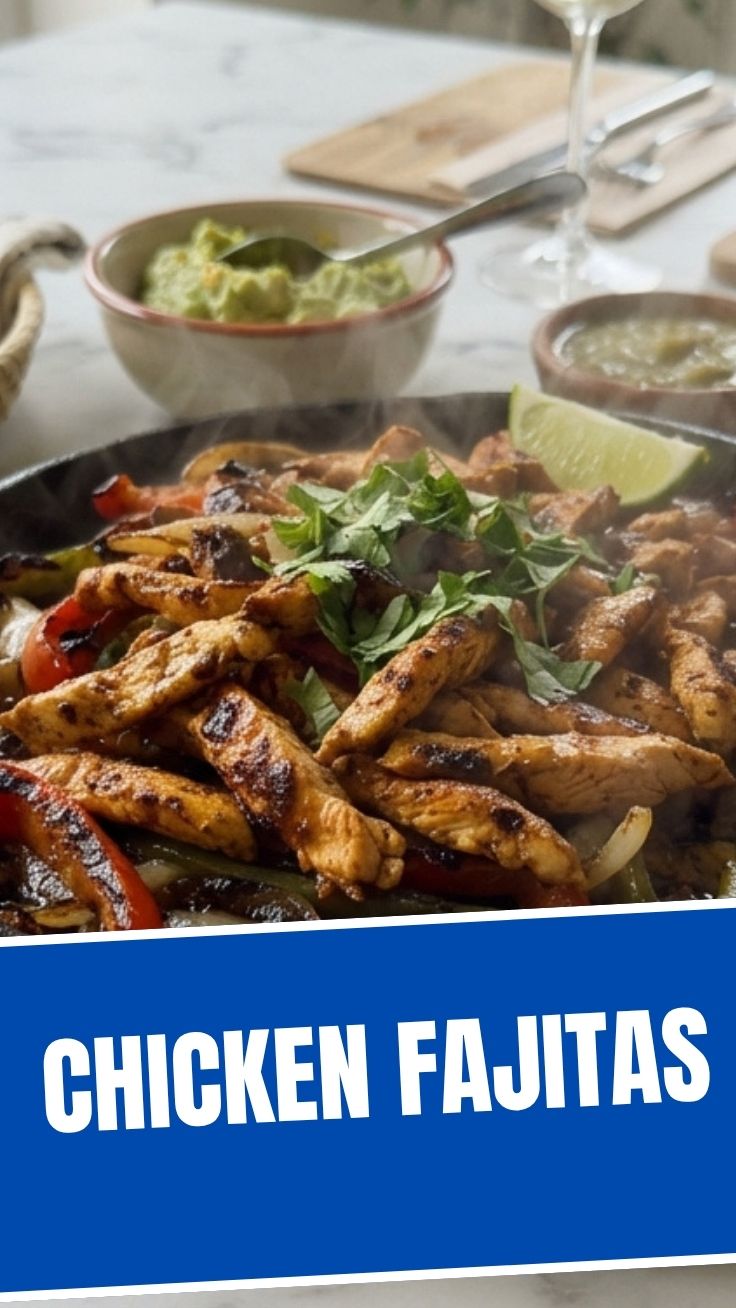
Quick way to grow perfect Chicken Fajitas
Ingredients
Equipment
Method
- Slice the chicken breasts into thin strips and the bell peppers and onion into similar-sized slices.
- In a large skillet, heat olive oil over medium-high heat. Add the chicken and fajita seasoning, cooking until the chicken is browned and cooked through.
- Add the sliced bell peppers and onion to the skillet. Cook for 5-7 minutes, or until the vegetables are tender-crisp.
- Warm the tortillas according to package directions, either in a microwave or on a dry skillet.
- Serve the chicken and vegetable mixture in warm tortillas, topped with salsa, sour cream, and a squeeze of fresh lime juice if desired.